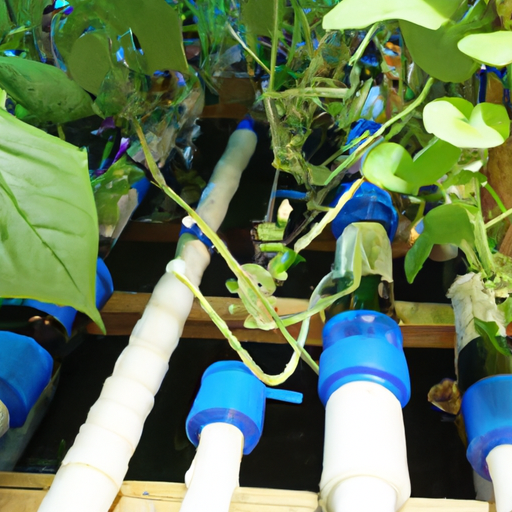
In this article, you will learn about hydroponic gardening plans and how they can help you grow plants without soil. We will explore the different types of hydroponic systems and discuss the benefits of using them. Additionally, you’ll discover some tips and tricks for successfully setting up your own hydroponic garden. Whether you’re a beginner or an experienced gardener, this article will provide you with the knowledge you need to get started with hydroponic gardening.
Hydroponic Gardening Plans
What is Hydroponic Gardening?
Introduction to hydroponic gardening
Hydroponic gardening is a modern and efficient method of growing plants without soil. Instead of relying on traditional soil-based techniques, hydroponic gardens use water-based solutions rich in essential nutrients to provide optimal conditions for plant growth. This innovative approach allows for greater control over plant health and yields, making it an increasingly popular choice for both professional and amateur gardeners.
Advantages of hydroponic gardening
Hydroponic gardening offers several advantages over traditional soil gardening. Firstly, it eliminates the need for soil, reducing the risk of soil-borne diseases and pests. Additionally, hydroponic systems use water more efficiently, requiring up to 90% less water than conventional gardens. This makes hydroponic gardening an eco-friendly option that conserves this precious resource. Furthermore, because hydroponic gardens are typically indoor or controlled environments, they are not subject to seasonal limitations, allowing year-round cultivation of plants.
Types of hydroponic systems
There are various types of hydroponic systems, each offering their own unique benefits. Some common types include deep water culture (DWC), nutrient film technique (NFT), and drip irrigation. Deep water culture involves suspending plants in a nutrient-rich water solution, while nutrient film technique utilizes a shallow stream of water flowing over plant roots. Drip irrigation, on the other hand, delivers nutrient solution directly to the plants using a network of tubes.
Setting up a Hydroponic Garden
Choosing the right location for your garden
Selecting an appropriate location is essential when setting up a hydroponic garden. Ideally, the space should receive plenty of natural light or be equipped with suitable artificial lighting. It should also be well-ventilated to ensure proper air circulation, as stagnant air can promote the growth of mold and other plant diseases.
Selecting the appropriate containers or medium
In hydroponic gardening, the choice of containers or medium is crucial. Some commonly used options include plastic containers, rockwool cubes, and perlite. Plastic containers are lightweight and durable, while rockwool cubes provide excellent water retention properties. Perlite, a type of volcanic glass, is another popular choice due to its ability to retain moisture while still providing adequate oxygenation to the plants’ roots.
Determining the nutrient solution for your plants
To ensure healthy plant growth, it is important to provide the appropriate nutrient solution tailored to the specific needs of your plants. These solutions typically contain a mix of essential macronutrients such as nitrogen, phosphorus, and potassium, as well as micronutrients like iron and calcium. It is crucial to carefully follow the instructions on the nutrient solution packaging and periodically test the solution’s pH levels to maintain optimal plant health.
Setting up a suitable lighting system
Proper lighting is essential for successful hydroponic gardening, especially when growing plants indoors. Depending on the type of plants being cultivated, the lighting system may consist of fluorescent, LED, or high-intensity discharge (HID) lights. Fluorescent lights are suitable for low-light plants, while LED lights are energy-efficient and provide full-spectrum lighting. HID lights, such as metal halide or high-pressure sodium lamps, are more suitable for high-light plants.
Monitoring and maintaining optimal temperature and humidity levels
Maintaining the right temperature and humidity levels is crucial for plant health and growth. Most plants thrive in temperatures between 65-75°F (18-24°C). Humidity levels can vary depending on the stage of plant growth, but generally, a range of 50-70% is desirable. Proper ventilation, the use of fans, and a thermometer-hygrometer can help monitor and regulate these factors.
Selecting and Sowing Hydroponic Plants
Understanding the ideal plants for hydroponic gardening
When choosing plants for hydroponic gardening, it is important to consider their suitability for growing without soil. Leafy greens, herbs, tomatoes, cucumbers, and strawberries are commonly cultivated in hydroponic systems due to their adaptability to water-based environments. These plants thrive in nutrient-rich solutions and typically have shallow root systems, making them ideal for hydroponic gardens.
Selecting high-quality seeds or seedlings
The success of your hydroponic garden greatly depends on the quality of seeds or seedlings chosen. It is best to purchase high-quality seeds or seedlings from reputable suppliers. Look for seeds or seedlings that are disease-resistant and have a high germination rate. Be sure to follow the recommended sowing instructions provided by the supplier to ensure optimal plant growth.
Sowing seeds or transplanting seedlings into the hydroponic system
Once you have selected your seeds or seedlings, it is time to sow or transplant them into your hydroponic system. If sowing seeds, carefully follow the instructions regarding seed depth and spacing. For transplanting seedlings, gently remove them from their containers and place them in the chosen growing medium, taking care not to damage their delicate roots. Ensure that the plants are securely anchored and their roots are well-submerged in the nutrient solution.
Providing proper care and nourishment to plants
In hydroponic gardening, providing proper care and nourishment to plants is crucial for their growth and health. Regularly check the nutrient solution to ensure it remains at the appropriate level. Monitor the pH levels and adjust as necessary to prevent nutrient imbalances. Regularly inspect the plants for signs of pests or diseases and take prompt action to address any issues. Additionally, regularly prune the plants to promote airflow and remove any dead or diseased foliage.
Nutrient Management in Hydroponic Gardening
Understanding the importance of nutrients in hydroponics
Nutrients play a vital role in hydroponic gardening as they supply essential elements for plant growth and development. By providing a carefully balanced nutrient solution, hydroponic gardeners ensure that plants receive optimal nourishment to thrive. The absence of soil means that all necessary nutrients must be provided directly to the roots, allowing for precise control over nutrient uptake.
Balancing and adjusting nutrient solution
Maintaining the right balance of nutrients in the solution is crucial. Plants require different proportions of macronutrients such as nitrogen, phosphorus, and potassium at different stages of growth. It is important to follow the instructions provided with the nutrient solution and adjust the concentration as needed. Regularly monitor the health and appearance of the plants to identify any deficiencies or excesses and adjust the nutrient solution accordingly.
Monitoring and maintaining proper pH levels
pH levels play a significant role in nutrient availability to plants. The ideal pH range for hydroponic gardening is typically between 5.5 and 6.5. Monitoring and maintaining proper pH levels are crucial to prevent nutrient lockout or deficiencies. pH testing kits or digital pH meters can be used to measure the pH levels of the nutrient solution. If necessary, pH adjusting solutions can be added to bring the solution within the optimal range.
Addressing nutrient deficiencies and excesses
In hydroponic gardening, nutrient deficiencies or excesses can occur due to imbalances in the nutrient solution. Symptoms of nutrient deficiencies include yellowing leaves, stunted growth, and poor fruit development. Excess nutrients can cause nutrient burn, leaf tip burn, and other issues. By carefully monitoring plant health, regularly testing the nutrient solution and adjusting as needed, nutrient deficiencies and excesses can be promptly addressed.
Hydroponic System Maintenance
Regularly checking and cleaning the hydroponic system
Regularly checking and cleaning the hydroponic system is essential to maintain optimal plant health. Inspect the system for clogs, damaged tubing, or other issues that may impede water and nutrient circulation. Clean the system regularly to remove any debris or algae buildup that can hinder plant growth. Additionally, periodically flush the system with fresh water to prevent the buildup of salts and minerals that can occur in nutrient solutions.
Replacing or replenishing nutrient solution
Over time, the nutrient solution may become depleted or unbalanced, requiring replacement or replenishment. Regularly monitor the nutrient levels and adjust as necessary. Depending on the plant’s growth stage, you may need to completely replace the nutrient solution every one to two weeks. Carefully follow the instructions provided with the nutrient solution regarding appropriate replacement or replenishment schedules.
Preventing and managing pests and diseases
Just like traditional gardens, hydroponic gardens are vulnerable to pests and diseases. Regularly inspect the plants for signs of pests such as aphids, spider mites, or whiteflies. Implement appropriate pest management strategies such as using insecticidal soaps, biological controls, or physical barriers. Maintaining proper hygiene in the growing environment and promptly removing and disposing of any infected plants can help prevent the spread of diseases.
Pruning and supporting plant growth
Pruning is an important aspect of hydroponic gardening as it promotes airflow, prevents overcrowding, and helps maintain the desired shape and size of the plants. Regularly prune off any dead or diseased foliage, as well as excessive growth that may shade other plants. Providing support structures such as trellises or stakes for climbing plants can ensure proper growth and prevent damage.
Harvesting and reaping the rewards of hydroponic gardening
One of the most rewarding aspects of hydroponic gardening is reaping the harvest. Depending on the type of plants, harvesting can occur at different stages of maturity. Leafy greens can be harvested by picking outer leaves as needed, while fruits such as tomatoes or cucumbers are typically harvested when fully ripe. Enjoy the fresh and nutritious produce that your hydroponic garden provides.
Exploring Different Hydroponic Techniques
Deep Water Culture (DWC)
Deep Water Culture, or DWC, is a popular hydroponic technique that involves suspending plant roots in a nutrient-rich water solution. Plants are typically held in net pots positioned above the water, allowing their roots to be submerged while still providing adequate oxygenation. This technique is relatively low-cost and easy to set up, making it ideal for beginners.
Nutrient Film Technique (NFT)
The Nutrient Film Technique, or NFT, is a hydroponic system that utilizes a shallow stream of nutrient-rich water flowing over the plant roots. The plants’ roots are positioned in a sloping channel or gutter, allowing the nutrient solution to flow gently past the roots. This technique maximizes oxygenation while providing a continuous supply of nutrients to the plants. NFT systems are commonly used for growing leafy greens and herbs.
Drip Irrigation
Drip irrigation is a commonly used hydroponic technique that involves delivering nutrient solution directly to the plants using a network of tubes. Small droplets of nutrient solution are released near each plant’s root zone, providing a constant supply of nutrients and moisture. Drip irrigation systems are easy to set up and highly customizable, making them suitable for a wide range of plants.

Hydroponic Gardening Equipment and Tools
Essential equipment for hydroponic gardening
To set up a successful hydroponic garden, several essential pieces of equipment are required. These include a growing tray or system, a water reservoir, an air pump or air stone for oxygenation, a pH testing kit or digital pH meter, and a thermometer-hygrometer for monitoring temperature and humidity levels. Additionally, a timer may be needed to regulate the lighting and watering cycles.
Different types of grow lights
When growing plants indoors, good lighting is crucial for successful hydroponic gardening. There are various types of grow lights available, including fluorescent, LED, and HID lights. Fluorescent lights are energy-efficient and suitable for low-light plants. LED lights are highly energy-efficient, emit little heat, and provide a full spectrum of light. HID lights, such as metal halide or high-pressure sodium lamps, are more suitable for high-light plants.
Monitoring and control systems
Monitoring and control systems can help automate and streamline the hydroponic gardening process. Automatic timers can regulate lighting and watering cycles, ensuring plants receive the right amount of light and nutrients at the appropriate times. pH controllers can monitor and adjust pH levels automatically, reducing the need for manual testing and adjustment. These systems can save time and effort while providing more precise control over growing conditions.
Hydroponic nutrients and supplements
Hydroponic nutrients and supplements are essential for providing plants with the necessary elements for growth and development. These products typically come in concentrated forms and are mixed with water to create the nutrient solution. In addition to basic nutrient solutions, there are specialized supplements available to address specific plant needs, such as growth enhancers, bloom boosters, or trace element supplements. It is important to carefully follow the instructions provided by the manufacturer to ensure proper dosages and application.
Maximizing Efficiency and Yield in Hydroponics
Optimizing the growing environment
To maximize efficiency and yield in hydroponics, it is important to optimize the growing environment. This includes maintaining the appropriate temperature, humidity, and CO2 levels. Providing adequate ventilation and airflow is crucial to prevent the buildup of mold and other plant diseases. Additionally, ensuring plants receive the proper intensity and duration of light can greatly impact their growth and productivity.
Spacing and plant density
Proper spacing and plant density are essential considerations when setting up a hydroponic garden. While it may be tempting to maximize space by planting crops densely, overcrowding can lead to reduced airflow and increased competition for nutrients. Carefully follow the recommended spacing guidelines for each type of plant to ensure optimal growth and productivity.
Managing water and nutrient circulation
Efficient water and nutrient circulation are crucial for optimal plant growth. Ensure that there is proper water flow in your hydroponic system, allowing nutrients to reach all plant roots. Regularly check for clogs or blockages that could impede water and nutrient circulation. Furthermore, monitor the nutrient solution levels to prevent excess or insufficient feeding of plants.
Implementing proper pruning and training techniques
Pruning and training techniques are effective ways to manage plant growth and maximize yield in hydroponics. Regularly pruning off dead or diseased foliage helps redirect the plant’s resources towards healthy growth. Training techniques, such as trellising or staking, can help support plants and improve air circulation, reducing the risk of diseases and promoting more efficient use of space and resources.
Overcoming Common Challenges in Hydroponic Gardening
Preventing root diseases and rot
Root diseases and rot can be common challenges in hydroponic gardening. To prevent these issues, ensure that the roots are well-aerated and not sitting in stagnant water. Regularly check for root rot or other signs of disease, and promptly remove and replace any affected plants. Maintain proper hygiene in the growing environment to reduce the risk of pathogens.
Dealing with nutrient imbalances
Nutrient imbalances can occur if the nutrient solution is not properly balanced or adjusted. Regularly monitor the nutrient solution and test its pH levels to ensure proper absorption of nutrients. Address any nutrient deficiencies or excesses promptly by adjusting the concentration or composition of the nutrient solution. Regularly inspect plants for signs of nutrient imbalances, such as yellowing leaves or stunted growth.
Maintaining the right temperature and humidity
Maintaining the right temperature and humidity levels is crucial for hydroponic gardening success. High temperatures can stress plants and increase the risk of disease, while low temperatures can slow down growth. Similarly, improper humidity levels can negatively impact transpiration and nutrient uptake. Regularly monitor temperature and humidity levels and make necessary adjustments to maintain optimal conditions.
Troubleshooting common plant-related issues
Like any form of gardening, hydroponic gardens can face challenges such as pests, diseases, or nutrient deficiencies. Promptly address these issues by identifying the cause and implementing appropriate solutions. This may include using organic pest control methods, adjusting nutrient levels, or providing additional support to plants. Regular inspection and quick action can help prevent small issues from escalating.
Conclusion
Summary of hydroponic gardening benefits
Hydroponic gardening offers numerous benefits for both professional and amateur gardeners. By eliminating the need for soil, hydroponic gardens offer greater control over plant health and yield. Water conservation, year-round cultivation, and efficient nutrient uptake are additional advantages. With the right planning, equipment, and techniques, hydroponic gardening can be a rewarding and sustainable way to grow fresh and nutritious produce.
Encouragement to start your own hydroponic garden
If you’re considering starting your own hydroponic garden, don’t be afraid to give it a try. With the comprehensive information and guidelines provided in this article, you have all the tools you need to embark on this exciting gardening journey. Remember to start small, learn from your experiences, and adapt as necessary. With patience and dedication, you can enjoy the bountiful rewards of hydroponic gardening and discover the joy of growing plants in a soil-less environment.