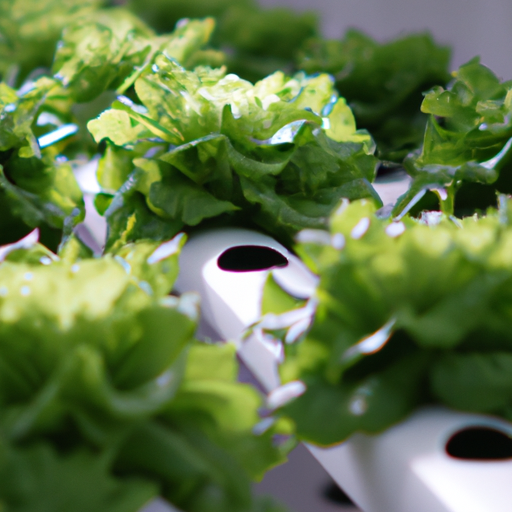
In this article, you will learn all about growing a hydroponic garden. We will discuss the benefits of hydroponic gardening and the basics of setting up your own system. You will also discover the different types of hydroponic systems available and the best plants to grow hydroponically. By the end, you will have the knowledge and confidence to start growing your own hydroponic garden and enjoy fresh, homegrown produce all year round.
Understanding Hydroponics
What is hydroponic gardening?
Hydroponic gardening is a method of growing plants without the use of soil. Instead, plants are grown in a nutrient-rich water solution that provides all the essential elements needed for plant growth. This method allows for precise control over the growing conditions, resulting in faster growth, higher yields, and healthier plants.
Advantages of hydroponic gardening
There are numerous advantages to growing a hydroponic garden. Firstly, it allows for increased control over the growing environment, including temperature, humidity, and nutrient levels. This control leads to healthier plants and reduces the risk of pests and diseases.
Secondly, hydroponic gardening requires significantly less water compared to traditional soil-based gardening. The water in a hydroponic system is recycled, reducing water waste and making it an environmentally friendly option.
Additionally, hydroponic gardening is not limited by climate or geography. It allows you to grow plants all year round, regardless of the weather conditions outside. This is particularly beneficial for those who live in areas with harsh winters or limited outdoor gardening space.
Finally, hydroponics promotes faster growth and higher yields. By providing the plants with an optimal nutrient solution directly to their roots, they can absorb nutrients more efficiently, resulting in accelerated growth and bigger harvests.
Basic principles of hydroponics
There are a few basic principles to understand when it comes to hydroponic gardening. Firstly, the nutrient solution. This solution consists of water and a carefully balanced mix of essential nutrients that plants need for proper growth. These nutrients include macronutrients such as nitrogen, phosphorus, and potassium, as well as micronutrients like iron, manganese, and zinc.
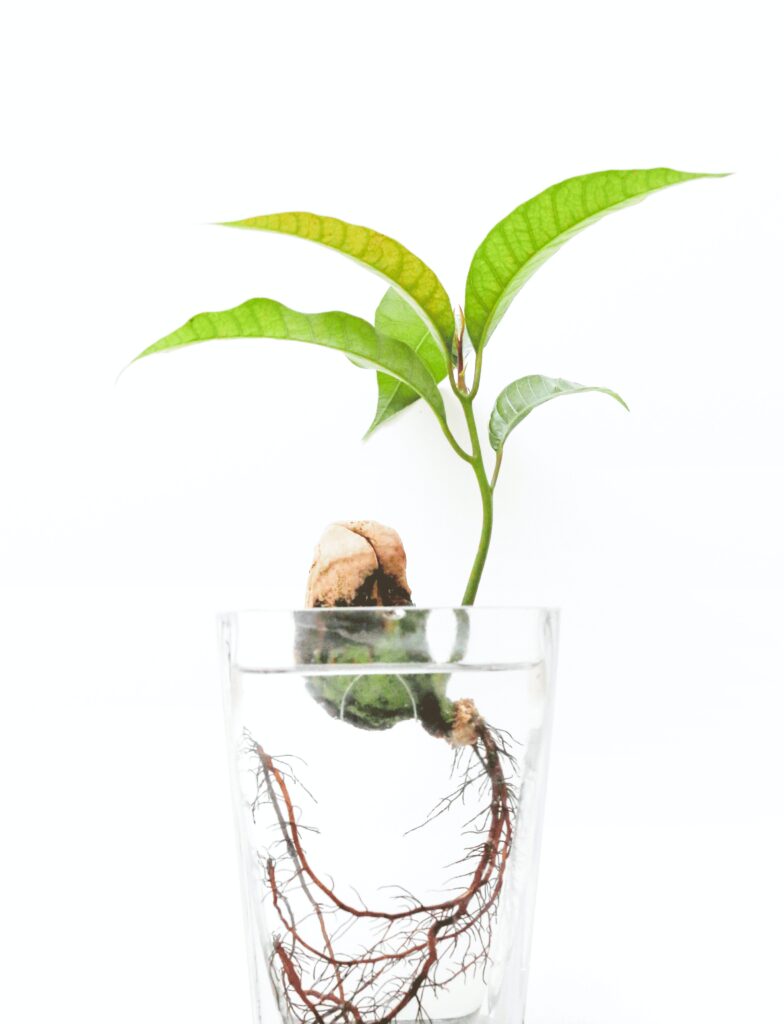
Secondly, the root system is crucial in hydroponics. Unlike traditional gardening, where roots spread out in search of water and nutrients, in hydroponics, the root system is suspended in water or a growing medium. This allows the plants to focus their energy on growing and producing fruits or vegetables, rather than expanding their root system.
Lastly, maintaining proper pH levels is essential in hydroponic gardening. The pH scale measures how acidic or alkaline a solution is. Most plants thrive in a slightly acidic to neutral pH range, typically between 5.5 and 6.5. It is important to regularly monitor and adjust the pH of the nutrient solution to ensure optimal nutrient absorption by the plants.
Setting Up a Hydroponic Garden
Choosing a suitable location
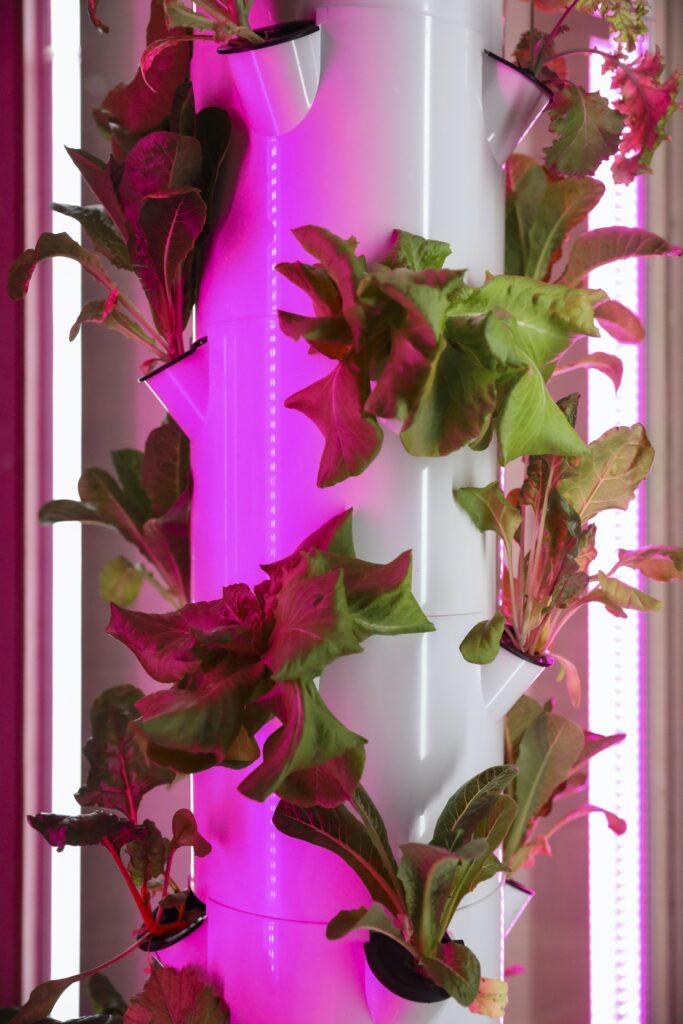
When setting up a hydroponic garden, you’ll need to choose a suitable location for your system. Ideally, your chosen space should have access to natural light or be easily supplemented with artificial grow lights. You’ll also need a stable surface that can support the weight of your hydroponic system and plants.
Types of hydroponic systems
There are various types of hydroponic systems to choose from, depending on your needs and preferences. Some popular options include deep water culture (DWC), nutrient film technique (NFT), and ebb and flow systems. Each system has its own advantages and requirements, so it’s important to research and choose one that suits your specific needs.
Selecting appropriate plants
In hydroponics, you can grow a wide range of plants, including herbs, leafy greens, and even fruiting plants like tomatoes and peppers. When selecting plants for your hydroponic garden, consider their growth requirements, such as light levels, temperature, and pH preferences. Some plants may require additional support structures, such as trellises or stakes, to allow for proper growth.
Preparing the Hydroponic System
Building or purchasing a hydroponic system
Once you have chosen a suitable location and determined which type of hydroponic system you want to use, you can either build your own system or purchase a pre-made one. Building your own system allows for customization and cost savings, while purchasing a pre-made system provides convenience and ensures that all the necessary components are included.
Cleaning and sterilizing equipment
Before setting up your hydroponic system, it’s crucial to clean and sterilize all the equipment you will be using. This helps prevent the growth of harmful bacteria or fungi that could harm your plants. Clean all containers, pumps, and tubing with a diluted bleach solution, rinse thoroughly, and allow them to dry completely before use.
Ensuring proper nutrient solution
Preparing the proper nutrient solution is essential for the success of your hydroponic garden. Follow the instructions provided with your nutrient solution package and measure the appropriate amounts of each nutrient. Mix them well in the water, ensuring that all nutrients are evenly distributed. Test the nutrient solution’s pH and adjust as necessary to maintain the desired range for your chosen plants.
Planting and Transplanting
Starting seeds in rockwool cubes
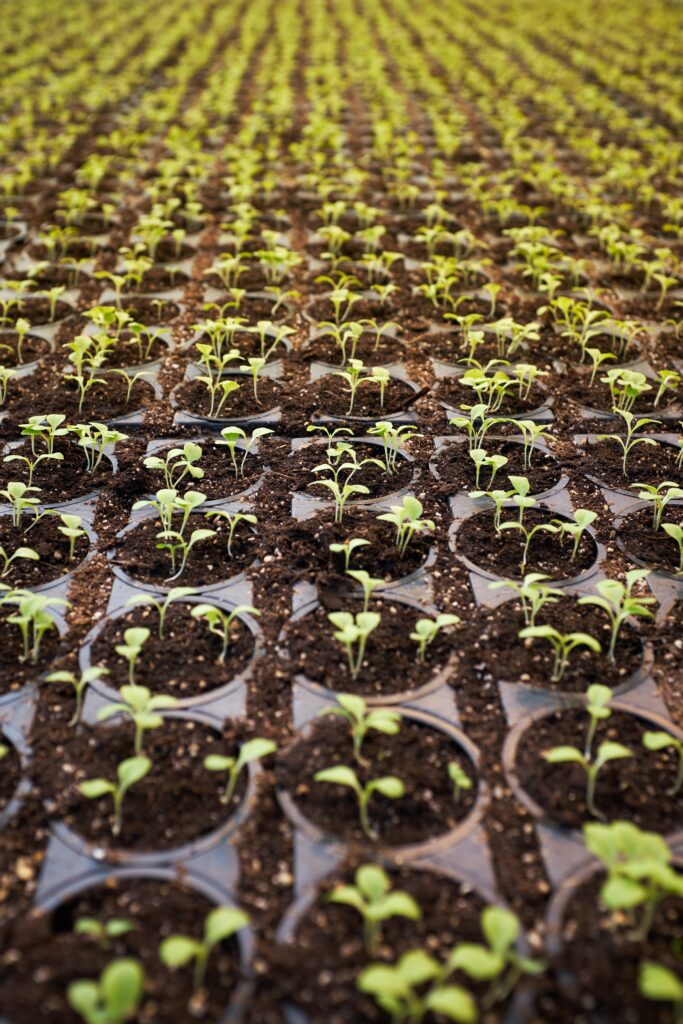
To start seeds in a hydroponic system, it is common to use rockwool cubes as a growing medium. Soak the rockwool cubes in pH-adjusted water to remove any loose fibers and balance the pH. Once soaked, make small holes in the cubes, place a seed in each hole, and lightly cover it with the rockwool. Keep the cubes moist and provide adequate light until the seeds germinate.
Transferring seedlings to net pots
Once your seedlings have developed their first set of leaves, they are ready to be transplanted into the hydroponic system. Fill net pots with a growing medium, such as expanded clay pellets or coco coir, and gently place the seedling’s roots into the pot, making sure that the roots are fully covered by the medium. Secure the seedling in place and place the net pot into the hydroponic system.
Proper spacing and arrangement
When planting in a hydroponic system, it’s important to consider the spacing and arrangement of your plants. Provide enough distance between plants to allow for proper air circulation and prevent the spread of diseases. Depending on the size of your system and the plants you are growing, you may need to adjust the spacing to ensure each plant has enough room to grow and access to light and nutrients.
Providing Adequate Lighting
Types of hydroponic grow lights
In hydroponic gardening, proper lighting is essential for the growth and development of plants. There are several types of grow lights commonly used in hydroponics, including fluorescent lights, metal halide (MH) lights, and high-pressure sodium (HPS) lights. Each type of light has its own spectrum and intensity, so it’s important to choose the appropriate light for the specific growth stage of your plants.
Determining lighting requirements for plants
Different plants have different lighting requirements, so it’s important to understand the specific needs of the plants you are growing. The amount of light needed can vary depending on the plant’s growth stage and the desired outcome. Leafy green plants, for example, require less intense light compared to fruiting plants. Refer to the specific lighting recommendations for each plant and adjust accordingly.
Maintaining optimal light levels
To maintain optimal light levels in your hydroponic garden, it’s important to monitor the intensity and duration of the light. Keep the lights at a proper distance from the plants to ensure they receive adequate light without causing heat stress. You can use a light meter to measure the light intensity or follow the manufacturer’s recommendations for your specific grow lights. Also, remember to provide a consistent light schedule for your plants to mimic natural day and night cycles.
Monitoring and Adjusting pH Levels
Importance of pH in hydroponic gardening
Maintaining the proper pH levels in your hydroponic system is crucial for proper nutrient uptake by the plants. The pH affects nutrient availability and can significantly impact plant growth and overall health. Deviations from the optimal pH range can result in nutrient deficiencies, stunted growth, or even plant death. Regularly monitoring and adjusting the pH of the nutrient solution ensures that your plants have the best possible conditions for healthy growth.
Testing pH of nutrient solution
To test the pH of your nutrient solution, you will need a pH testing kit or a pH meter. Both options are readily available at gardening stores or online. Follow the instructions provided with your testing kit or meter, and take several measurements from different areas of your hydroponic system to ensure accuracy. Record the pH readings and compare them to the desired range for your specific plants.
Methods to adjust pH levels
If the pH of your nutrient solution is outside the desired range, you will need to adjust it to correct any imbalances. To raise the pH, you can add a small amount of pH-up solution or use alternatives such as baking soda or potassium carbonate. To lower the pH, pH-down solutions, citric acid, or vinegar can be added in small increments. It’s important to make gradual adjustments and regularly retest the pH until it falls within the desired range.
Nutrient Management
Essential macro and micronutrients for plants
Plants require a balance of macro and micronutrients to thrive. Macro-nutrients, including nitrogen (N), phosphorus (P), and potassium (K), are needed in larger quantities and play vital roles in plant growth, such as leaf development, root growth, and fruit production. Micronutrients, such as iron (Fe), manganese (Mn), and zinc (Zn), are needed in smaller amounts but are equally important for maintaining plant health and preventing nutrient deficiencies.
Balancing nutrient solutions
To ensure your plants receive the optimal amount of nutrients, it’s important to balance your nutrient solution. Start by following the instructions provided with your nutrient solution to measure and mix the appropriate amounts. As your plants grow, their nutrient requirements may change, so it’s important to monitor their growth and adjust the nutrient solution accordingly. Regularly check the nutrient levels in the solution and make sure they remain within the desired range for your specific plants.
Common nutrient deficiencies and remedies
Despite your best efforts, nutrient deficiencies can still occur in a hydroponic garden. Some common nutrient deficiencies include yellowing leaves (indicating a lack of nitrogen), stunted growth (indicating a lack of phosphorus), or browning leaf edges (indicating a lack of potassium). If you notice any signs of nutrient deficiencies, consult a nutrient deficiency chart or gardening resource to identify the issue and take appropriate measures to remedy it. This may involve adjusting the nutrient solution or using specific nutrient supplements.
Watering and Oxygenation
Maintaining proper water levels
In hydroponic gardening, maintaining proper water levels is essential for the health and growth of your plants. The roots should be consistently submerged in the nutrient solution or have access to the solution through a wicking or film system. Monitor the water levels daily and ensure they remain within the desired range for your specific hydroponic system. Avoid overwatering, as it can lead to root rot or other water-related issues.
Methods of oxygenation in hydroponics
Providing adequate oxygen to the roots is crucial in hydroponic gardening. Oxygenation can be achieved through several methods, including using air stones or diffusers to introduce air bubbles into the nutrient solution or using aeration systems that agitate the solution. This helps prevent root rot, promotes healthy root growth, and improves nutrient absorption. Ensure that your hydroponic system has proper oxygenation measures in place to support optimal plant growth.
Preventing water-related issues
Water-related issues, such as root rot or algae growth, can occur in a hydroponic system if not properly managed. To prevent root rot, ensure there is sufficient oxygenation in the water and avoid overwatering. Regularly inspect the roots for any signs of rot and remedy any issues promptly. To prevent algae growth, keep the system clean and well-maintained. Shield the nutrient solution from direct light, as this can promote algae growth. Regularly clean and sterilize the equipment to maintain a healthy growing environment.
Pest and Disease Control
Identifying common hydroponic pests
Despite the controlled environment of a hydroponic garden, pests can still be a challenge. Some common pests in hydroponics include aphids, whiteflies, and spider mites. These pests can damage plants by feeding on their leaves or transmitting diseases. Regularly check your plants for signs of pests, such as visible insects or damage to the leaves. Promptly identify and address any pest issues to prevent further damage.
Implementing preventive measures
Implementing preventive measures can help minimize pest and disease issues in your hydroponic garden. This includes practicing good sanitation by regularly cleaning the system and removing any decaying plant material. You can also introduce beneficial insects, such as ladybugs or lacewings, which can feed on common pests. Additionally, ensuring that your plants are healthy and properly cared for can make them less susceptible to pests and diseases.
Natural and chemical pest control methods
If pest issues persist, there are natural and chemical pest control methods available. Natural methods include using organic insecticides, such as neem oil or insecticidal soap, which are safe for use in hydroponics. These products can help control pests without harmful effects on the plants or the environment. Chemical options, such as synthetic insecticides, should be used as a last resort and with caution. Always follow the instructions provided by the manufacturer and consider the potential impact on the plants and the surrounding environment.
Conclusion
Summary of the benefits of hydroponic gardening
In conclusion, hydroponic gardening offers numerous benefits for those looking to grow their own fresh produce. It allows for precise control over the growing conditions, reduces water usage, and enables year-round gardening regardless of climate or space limitations. With proper understanding and implementation of the basic principles of hydroponics, you can enjoy faster growth, higher yields, and healthier plants.
Encouragement to explore and enjoy the process
Although hydroponic gardening may seem daunting at first, don’t be discouraged. It’s a rewarding and enjoyable process that allows you to witness the growth of your plants from start to finish. Take the time to research and experiment, and don’t be afraid to make adjustments along the way. Learning from your successes and failures is an integral part of becoming a successful hydroponic gardener.
Final thoughts on growing a successful hydroponic garden
Growing a successful hydroponic garden requires dedication, attention to detail, and a willingness to learn. As you gain experience and become more familiar with the needs of your plants, you’ll be able to fine-tune your hydroponic system for optimal results. Remember to keep an eye on your plants, maintaining proper nutrient levels, pH, and lighting requirements. With patience and perseverance, your hydroponic garden can thrive, providing you with a bountiful harvest of fresh and nutritious produce.