


So you’re interested in growing medicinal herbs, but you don’t have a sprawling garden or a green thumb? Well, fear not! With hydroponics, you can cultivate your own herbal oasis in the comfort of your own home, without the need for soil or extensive gardening skills. This innovative method of growing plants in nutrient-rich water has revolutionized the way we approach gardening. In this article, we will explore the world of hydroponics and how you can use this technique to grow a wide variety of medicinal herbs for your health and wellness needs. Get ready to embark on a fascinating journey into the realm of hydroponic medicinal herb growing.
Benefits of Growing Medicinal Herbs using Hydroponics
Increased Control over Growing Environment
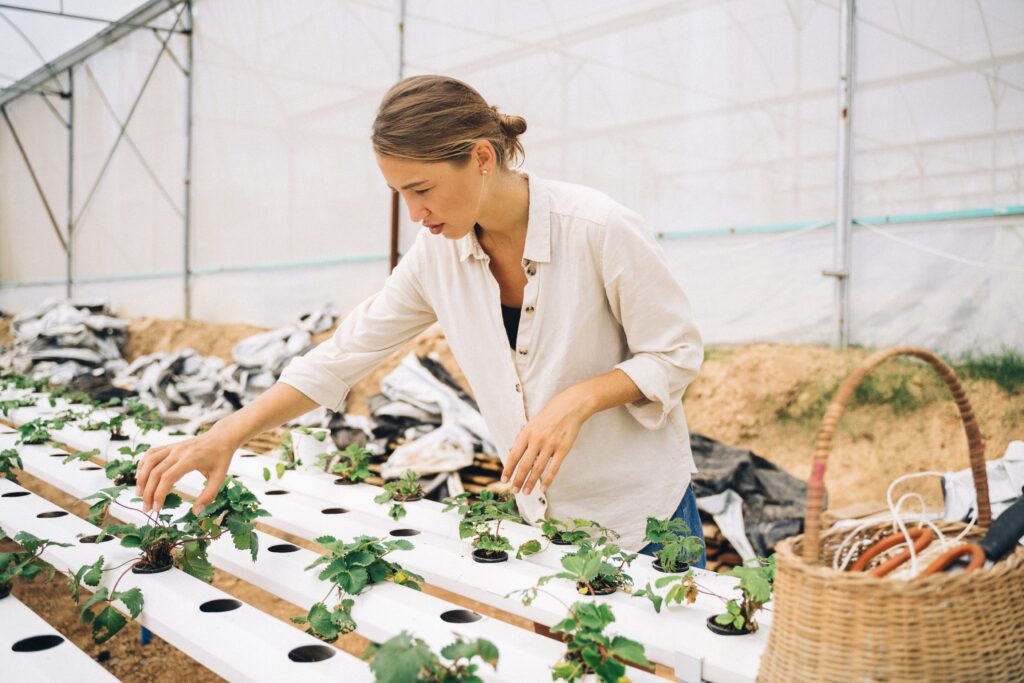
One of the major benefits of growing medicinal herbs using hydroponics is the increased control over the growing environment. With hydroponics, you have the ability to manipulate various factors such as light, temperature, humidity, and nutrient levels to create the ideal growing conditions for your herbs. This level of control allows you to optimize the growth and health of your plants, ensuring that they receive exactly what they need to thrive.
Higher Yield and Faster Growth
Hydroponic systems are known for their ability to produce higher yields and faster growth compared to traditional soil-based cultivation methods. This is because hydroponics provides a more efficient and effective delivery of nutrients directly to the plants’ roots. With the nutrient-rich water constantly circulating around the roots, the plants can absorb nutrients more readily, leading to accelerated growth and a higher yield of medicinal herbs.
Reduced Water Usage and Environmental Impact
Another advantage of growing medicinal herbs using hydroponics is the reduced water usage and environmental impact. Hydroponic systems use significantly less water compared to traditional soil-based cultivation methods. This is because the water in a hydroponic system is recirculated, minimizing water wastage. Additionally, hydroponics eliminates the need for fertilizers and pesticides, reducing the environmental impact associated with conventional agriculture.
Year-Round Production
Hydroponics allows for year-round production of medicinal herbs, regardless of the external climate conditions. By controlling the growing environment, you can recreate the ideal conditions for your herbs to grow and thrive, even during off-seasons or in areas with unfavorable weather conditions. This ensures a constant and consistent supply of medicinal herbs, providing you with the opportunity to meet market demands throughout the year.
Fewer Pest and Disease Problems
One of the greatest advantages of growing medicinal herbs using hydroponics is the reduced risk of pests and diseases. In a soil-based system, pests and diseases can easily contaminate the plants through the soil, leading to detrimental consequences. However, in a hydroponic system, the absence of soil eliminates this risk, significantly reducing the likelihood of pest infestations and disease outbreaks. This not only improves the overall health of your plants but also reduces the need for chemical pesticides or herbicides.
Choosing the Right Medicinal Herbs for Hydroponic Cultivation
Consideration of Popular Medicinal Herbs
When selecting medicinal herbs for hydroponic cultivation, it is important to consider the popularity and demand for these herbs in the market. Conducting market research and identifying high-demand medicinal herbs will ensure that your hydroponic herb cultivation venture is successful and profitable. Popular medicinal herbs such as lavender, basil, mint, chamomile, and rosemary are great options to start with, as they have established markets and are widely used in various applications.
Selecting Herbs with Suitable Growth Characteristics
In addition to considering market demand, it is crucial to select medicinal herbs that have suitable growth characteristics for hydroponic cultivation. Some herbs are better suited for hydroponics due to their ability to thrive in water-based systems and their tolerance for high moisture environments. Examples of herbs that are well-suited for hydroponics include watercress, parsley, cilantro, and lemon balm. By selecting herbs that are naturally adapted to hydroponic growing conditions, you can ensure a higher likelihood of success in your cultivation efforts.
Understanding Medicinal Herb Market Demand
Understanding the market demand for medicinal herbs is essential for a successful hydroponic herb cultivation business. Conducting market research and staying informed about current trends and consumer preferences can help you identify the most in-demand herbs and tailor your cultivation efforts accordingly. Market demand can vary based on factors such as geographical location, cultural preferences, and prevailing health and wellness trends. By staying informed about market demand, you can make informed decisions about which medicinal herbs to grow and ensure a ready market for your products.
Getting Started with Hydroponic Medicinal Herb Cultivation
Setting Up a Hydroponic System
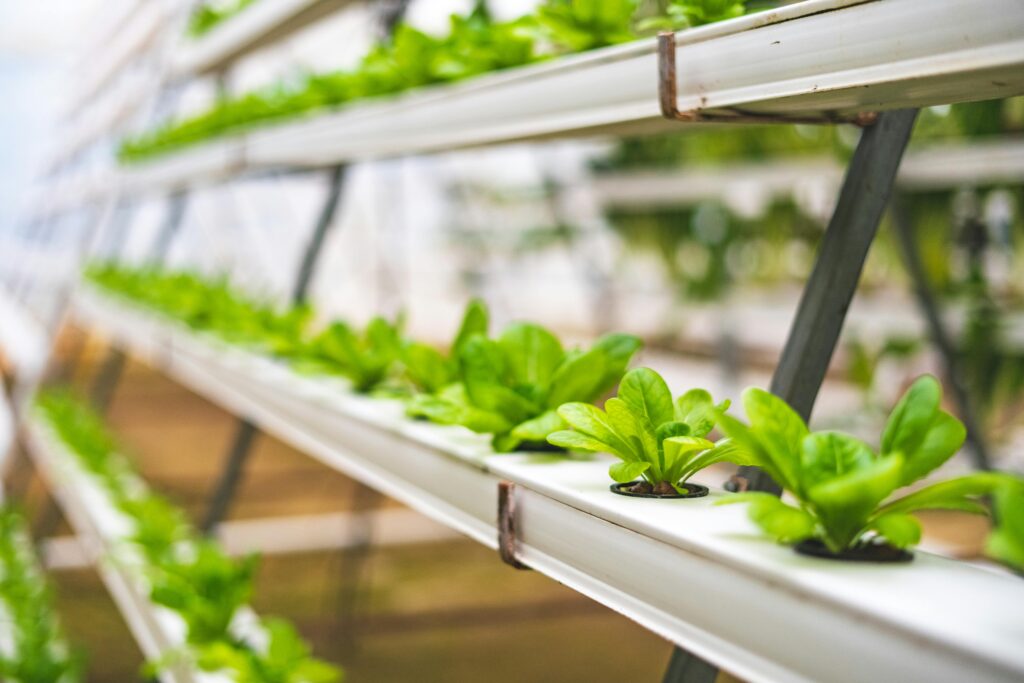
To get started with hydroponic medicinal herb cultivation, you will need to set up a hydroponic system. There are various types of hydroponic systems to choose from, including nutrient film technique (NFT), deep water culture (DWC), and ebb and flow systems. Each system has its own advantages and considerations, so it is important to research and select the one that best suits your needs and resources. Setting up a hydroponic system involves assembling the necessary equipment, such as grow lights, pumps, reservoirs, and nutrient solution tanks, as well as creating a suitable growing area or greenhouse.
Choosing the Right Hydroponic Growing Medium
The choice of hydroponic growing medium is an important consideration in hydroponic medicinal herb cultivation. The growing medium provides support for the plants’ roots and helps to anchor them in the system. It also serves as a water reservoir, facilitating the delivery of nutrients and oxygen to the plants. Common hydroponic growing mediums used for medicinal herb cultivation include rockwool, coco coir, perlite, and vermiculite. Each medium has its own characteristics and considerations, so it is important to understand the requirements of your chosen herbs and select a suitable growing medium accordingly.
Selecting and Preparing Seeds or Seedlings
The selection and preparation of seeds or seedlings are crucial steps in the hydroponic cultivation of medicinal herbs. It is important to choose high-quality seeds or healthy seedlings from reputable sources to ensure optimal plant growth and yield. Some herbs, such as basil and mint, can be easily propagated from cuttings, making seedlings readily available. However, for other herbs, it may be necessary to purchase seeds and start them in a germination tray or seedling tray. It is important to follow proper germination and transplanting techniques to ensure successful establishment and growth of the plants.
Providing Optimal Nutrient Solution
In hydroponic cultivation, providing an optimal nutrient solution is essential for the health and growth of medicinal herbs. The nutrient solution consists of a carefully balanced mixture of essential elements, including nitrogen, phosphorus, potassium, and various micronutrients. These nutrients are dissolved in the water and delivered directly to the plants’ roots. It is crucial to monitor and adjust the nutrient solution regularly to ensure that the plants receive the necessary nutrients at the right concentrations. Conducting regular water and nutrient solution testing can help you maintain the optimal nutrient levels for your medicinal herbs.
Creating the Ideal Growing Environment for Hydroponic Medicinal Herbs
Lighting Requirements for Medicinal Herbs
Lighting is an important factor in creating the ideal growing environment for hydroponic medicinal herbs. Since hydroponic systems are often grown indoors or in controlled environments, supplemental lighting is necessary to mimic natural sunlight. Different medicinal herbs have varying lighting requirements, with some herbs requiring more intense light than others. LED grow lights are commonly used in hydroponic systems due to their energy efficiency and ability to emit the specific wavelengths required for plant growth. It is important to understand the lighting requirements of your chosen herbs and provide the appropriate lighting conditions to ensure optimal growth and development.
Controlling Temperature and Humidity Levels
Maintaining optimal temperature and humidity levels is crucial for the successful cultivation of medicinal herbs in a hydroponic system. Most medicinal herbs thrive in a temperature range of 60°F to 75°F (15°C to 24°C) and prefer moderate humidity levels of around 50% to 70%. It is important to monitor and regulate temperature and humidity using appropriate heating, cooling, and ventilation systems to create a stable and comfortable environment for the plants. High humidity levels can lead to fungal diseases, while low humidity can cause stress and damage to the plants, so maintaining the right balance is essential.
Optimizing Air Circulation and Ventilation
Proper air circulation and ventilation are essential for hydroponic medicinal herb cultivation. Good air circulation helps to prevent the development of mold, mildew, and pests, as well as promotes the exchange of gases and aids in temperature and humidity regulation. This can be achieved by using fans or air circulation systems to ensure a gentle, constant airflow within the growing area. It is important to avoid stagnant air and create an environment that simulates the natural outdoor conditions, as this promotes healthy growth and aids in the prevention of diseases.
Managing pH and Nutrient Solution Levels
Maintaining the right pH and nutrient solution levels is crucial for the optimal growth of hydroponic medicinal herbs. The pH level affects nutrient availability and absorption by the plants’ roots. Most medicinal herbs prefer a slightly acidic pH range of 5.5 to 6.5. Regular monitoring and adjustment of the pH level using pH testing kits or meters is necessary to ensure that the plants can absorb nutrients effectively. Additionally, monitoring nutrient solution levels, conductivity, and electrical conductivity (EC) can help prevent nutrient imbalances and deficiencies, ensuring that the plants receive the necessary elements for growth and development.
Maintaining Proper Nutrient Levels and pH
Understanding Basic Nutrient Requirements
To maintain proper nutrient levels in a hydroponic system, it is important to understand the basic nutrient requirements of your medicinal herbs. The three primary macronutrients required by plants are nitrogen (N), phosphorus (P), and potassium (K). These macronutrients are needed in varying amounts at different stages of the plants’ growth cycle. Additionally, plants also require various micronutrients, such as iron, manganese, and zinc, in smaller quantities. It is important to provide a balanced nutrient solution that meets the specific needs of your chosen medicinal herbs to promote healthy growth and high yields.
Monitoring and Adjusting Nutrient Levels
Regular monitoring and adjustment of nutrient levels are essential for maintaining optimal plant health and growth in a hydroponic system. Monitoring can be done through regular water and nutrient solution testing to measure nutrient concentrations and electrical conductivity (EC) levels. Depending on the test results, adjustments may need to be made to the nutrient solution to maintain the desired nutrient levels. This can involve adding or reducing specific nutrients or adjusting the pH level. By carefully monitoring and adjusting nutrient levels, you can ensure that your medicinal herbs receive the necessary nutrients for optimum growth and health.
Importance of pH in Hydroponic Systems
Maintaining the correct pH level in a hydroponic system is crucial for nutrient uptake and plant growth. pH affects the availability of essential nutrients in the nutrient solution, as well as the uptake and absorption of these nutrients by the plants’ roots. Most medicinal herbs prefer a slightly acidic pH range of 5.5 to 6.5. Regular monitoring of the pH level using pH testing kits or meters is necessary to ensure that the plants can effectively absorb nutrients. If the pH deviates from the optimal range, adjustments can be made by adding pH-adjusting solutions, such as pH up or pH down, to bring the pH back to the desired level.
Maintaining Optimal pH Levels
Consistently maintaining the optimal pH level in a hydroponic system is vital for the health and productivity of medicinal herbs. Fluctuations in pH can have detrimental effects on nutrient availability and absorption, leading to deficiencies or toxicities that can negatively impact plant growth. To maintain optimal pH levels, it is important to regularly test the pH of the nutrient solution and make any necessary adjustments. This can be done by gradually adding pH adjusters until the desired pH range is achieved. Regular monitoring and adjustments will ensure that your medicinal herbs receive the appropriate pH conditions for optimal nutrient absorption and growth.
Developing Pest and Disease Management Strategies
Preventing Common Pests and Diseases
Preventing common pests and diseases is vital in hydroponic medicinal herb cultivation to ensure healthy plant growth and high yields. Implementing preventive measures such as maintaining a clean and hygienic growing environment, practicing proper sanitation, and regularly inspecting plants for signs of pests or diseases can help minimize the risk of infestations. It is also important to prevent the introduction of pests or diseases by using sterilized equipment, treating incoming plants or cuttings, and maintaining strict control over the growing environment. By being proactive and implementing preventive measures, you can significantly reduce the incidence of pests and diseases in your hydroponic system.
Implementing Integrated Pest Management Techniques
Integrated Pest Management (IPM) techniques are an effective approach to managing pests and diseases in hydroponic medicinal herb cultivation. IPM involves combining multiple strategies, such as biological control, physical barriers, cultural practices, and judicious use of pesticides, to minimize pests and diseases while reducing the reliance on chemical interventions. For example, releasing beneficial insects or using biological control agents can help control pest populations, while maintaining proper air circulation and removing infected plants can prevent the spread of diseases. By employing an integrated approach, you can effectively manage pests and diseases in a sustainable and environmentally friendly manner.
Identifying and Treating Pest and Disease Issues
Despite preventive measures, there may be instances where pests or diseases infest your hydroponic medicinal herb crops. Prompt identification and treatment are essential to minimize the impact and prevent further damage. Regular monitoring and inspection of plants, particularly the undersides of leaves and the roots, can help identify early signs of pests or diseases. Treatment options may vary depending on the pest or disease at hand, but can include targeted application of organic or biological pesticides, physical removal of pests or infected plants, and adjustment of environmental conditions. Consultation with experts or experienced growers can be beneficial in effectively treating specific pest or disease issues in your hydroponic system.
Harvesting and Processing Hydroponically Grown Medicinal Herbs
Determining the Right Time to Harvest
Determining the right time to harvest hydroponically grown medicinal herbs is crucial to ensure optimal potency and quality. Each herb has its own specific harvesting window, dictated by factors such as plant maturity, stage of growth, and desired potency of the medicinal compounds. Visual cues, such as flowering or fruiting, as well as sensory indicators like aroma and taste, can help determine the ideal timing for harvest. It is important to research and understand the specific requirements of each herb, as well as consult established guidelines or experts in the field to ensure that you harvest your medicinal herbs at the peak of their medicinal potency.
Harvesting Techniques for Different Herb Types
Different herb types require specific harvesting techniques to preserve their quality and maintain their medicinal properties. For leafy herbs such as basil or mint, harvesting typically involves pruning the stems or individual leaves as needed. For herbs with flowers or inflorescences, such as chamomile or lavender, the entire flower heads or clusters are harvested. Proper techniques, such as using sharp and clean tools, cutting at the correct angle, and handling the harvested herbs carefully, should be followed to minimize damage and maintain freshness. It is important to research and familiarize yourself with the best practices for harvesting each specific medicinal herb to ensure optimal results.
Post-Harvest Processing and Drying Methods
Post-harvest processing and drying methods are crucial steps in preserving the quality and potency of hydroponically grown medicinal herbs. To preserve the optimal medicinal properties, herbs must be processed and dried quickly after harvest to prevent the growth of microorganisms or degradation of the active compounds. Depending on the herb type, processing methods may involve washing, sanitizing, and removing any damaged or discolored plant material. Drying methods can vary but commonly include air drying in a well-ventilated area, using dehydrators or ovens at low temperatures, or employing freeze-drying techniques. Proper post-harvest processing and drying will help maintain the integrity and maximize the medicinal value of your hydroponically grown herbs.
Storing and Packaging Medicinal Herbs
Proper storage and packaging of hydroponically grown medicinal herbs are essential to preserve their quality and prolong their shelf life. Medicinal herbs should be stored in airtight containers, away from direct light and sources of heat, to protect them from moisture and oxygen, which can degrade the medicinal compounds. Packaging should be done in a way that prevents crushing or excessive handling of the herbs and provides the necessary information such as herb name, harvest date, and recommended usage. Labeling the packaging with appropriate branding and product information can also help differentiate your herbs and attract customers. When stored and packaged correctly, hydroponically grown medicinal herbs can have a longer shelf life and can be safely transported and sold to consumers.
Marketing and Selling Hydroponically Grown Medicinal Herbs
Identifying Target Markets and Customers
When marketing and selling hydroponically grown medicinal herbs, it is important to identify your target markets and customers. Different markets may have varying preferences and requirements, so understanding your customers’ needs and preferences will help you tailor your marketing strategies effectively. Consider factors such as geographical location, demographic profiles, health and wellness trends, and the popularity of specific herbal remedies in the target market. Identifying niche markets, such as local health food stores, herbalists, or spas, can also be a strategic approach to differentiate your product and target specific customer segments.
Creating a Brand and Packaging Design
Creating a strong brand and appealing packaging design can help your hydroponically grown medicinal herbs stand out in the market. A well-defined brand identity that reflects the unique selling points of your herbs, such as organic cultivation, sustainable practices, or high-quality standards, can attract customers and build brand loyalty. Designing visually appealing packaging that communicates the quality and benefits of your herbs, such as using clear labels, informative graphics, and eco-friendly materials, can also enhance the perceived value of your product. Investing in professional graphic design services and leveraging branding strategies can help you create a distinct and marketable brand presence for your hydroponically grown medicinal herbs.
Exploring Distribution Channels
Choosing the right distribution channels is vital to ensure that your hydroponically grown medicinal herbs reach your target market effectively. Consider whether you will sell directly to consumers through avenues such as farmers’ markets, online platforms, or your own e-commerce store. Alternatively, you may choose to work with wholesalers or distributors to supply your herbs to retailers, health food stores, or other businesses. Collaborating with local restaurants, spas, or wellness centers can also be an effective way to showcase and sell your herbs. Exploring various distribution channels and establishing strategic partnerships can help you reach a wider customer base and increase sales opportunities for your hydroponically grown medicinal herbs.
Educating Consumers about Hydroponically Grown Medicinal Herbs
Educating consumers about the benefits and advantages of hydroponically grown medicinal herbs can help build trust, increase awareness, and drive demand for your products. Market your herbs by highlighting their superior quality, sustainable cultivation methods, and enhanced nutritional value compared to conventionally grown herbs. Provide educational content through online channels, social media platforms, or newsletters to inform consumers about the specific benefits and uses of each herb and how hydroponics contributes to their potency and quality. Consider hosting workshops, webinars, or demonstrations to engage with your target audience and create a community of informed and loyal customers who value the unique qualities of your hydroponically grown medicinal herbs.
Challenges and Potential Solutions in Hydroponic Herb Cultivation
Managing System Failures and Power Outages
One of the challenges in hydroponic herb cultivation is the potential for system failures or power outages, which can disrupt the steady supply of water, nutrients, and environmental controls. To mitigate the risk, it is important to have backup systems in place, such as generators or alternative power sources, to ensure uninterrupted operation during power outages. Regular maintenance and monitoring of the hydroponic system can also help identify and address any potential issues before they escalate. Developing contingency plans and having spare equipment or components readily available can help minimize downtime and prevent significant crop losses in the event of system failures or power outages.
Dealing with Nutrient Imbalances and Deficiencies
Maintaining proper nutrient levels and avoiding imbalances or deficiencies is a challenge in hydroponic herb cultivation. Imbalances or deficiencies can occur due to incorrect nutrient formulation, inadequate nutrient delivery, or improper monitoring and adjustment of nutrient levels. Regularly monitoring nutrient levels and conducting water and nutrient solution testing can help identify any imbalances or deficiencies and allow for timely adjustments. It is important to understand the specific nutrient requirements of each medicinal herb and make appropriate adjustments to maintain a balanced nutrient solution. Consulting with experts or experienced growers can provide valuable insights and guidance on managing nutrient imbalances and deficiencies effectively.
Preventing or Addressing Root Diseases
Root diseases can pose a significant challenge in hydroponic herb cultivation, as they can rapidly spread and damage the root system, leading to plant stress or even crop failure. Preventing root diseases involves maintaining proper sanitation practices, such as cleaning and disinfecting equipment, using sterilized growing mediums, and preventing the introduction of pathogens. Implementing preventive measures such as regular monitoring, maintaining optimal environmental conditions, and providing proper aeration can help minimize the risk of root diseases. In case of an outbreak, timely intervention with appropriate treatments, such as applying beneficial microbes or using targeted biological control agents, can help address the issue and prevent further damage to the plants.
Overcoming Potential Crop Losses
Crop losses can occur in hydroponic herb cultivation due to various factors such as environmental fluctuations, pest or disease outbreaks, or human error. To overcome potential crop losses, it is important to adopt proactive measures such as implementing preventive pest and disease management strategies, regularly monitoring environmental conditions, and promptly addressing any issues that arise. Diversifying your crop selection and cultivating multiple varieties of medicinal herbs can also help mitigate the risk of total crop loss. By staying informed, continually learning, and implementing best practices, you can minimize the likelihood of crop losses and maximize the overall success of your hydroponic herb cultivation venture.
Future Trends and Possibilities in Hydroponic Medicinal Herb Cultivation
Exploring Advanced Hydroponic Technologies
The future of hydroponic medicinal herb cultivation lies in exploring and adopting advanced technologies to further improve efficiency, sustainability, and productivity. Emerging technologies such as vertical farming, aquaponics, and aeroponics offer exciting possibilities for optimizing space utilization, saving resources, and enhancing crop yields. Integrating automation, artificial intelligence, and data analysis into hydroponic systems can provide valuable insights and enable real-time monitoring and control. Investing in research and development, as well as collaborating with technology providers and innovators, can help drive the adoption of advanced hydroponic technologies and shape the future of medicinal herb cultivation.
Focusing on Rare and Exotic Medicinal Herbs
As consumers increasingly seek unique and rare herbal remedies, there is a growing opportunity to focus on cultivating rare and exotic medicinal herbs using hydroponics. By leveraging the controlled environment and optimized growth conditions provided by hydroponic systems, it becomes possible to cultivate delicate and hard-to-grow herbs that may have limited availability in the wild or conventional cultivation methods. Exploring the market for rare and exotic medicinal herbs, conducting research on their cultivation requirements, and establishing partnerships with herbalists or alternative medicine practitioners can open up new possibilities for niche markets and premium products in the hydroponic herb cultivation industry.
Investigating Medicinal Herb Genetic Engineering
Genetic engineering holds potential for enhancing the medicinal properties and characteristics of herbs in hydroponic cultivation. Through genetic engineering techniques, specific traits like increased yield, enhanced disease resistance, or improved production of medicinal compounds can be introduced or modified in medicinal herb varieties. Genetic engineering can also address specific challenges faced by medicinal herbs, such as low availability of certain compounds or limited resistance to pests or diseases. However, it is important to consider ethical, environmental, and regulatory aspects surrounding genetic engineering and ensure transparency and informed decision-making in introducing genetically modified medicinal herbs into the market.
Understanding the Role of Hydroponics in Sustainable Agriculture
Hydroponic cultivation of medicinal herbs has the potential to play a significant role in promoting sustainable agriculture practices. By conserving water, reducing the use of fertilizers and pesticides, and optimizing resource utilization, hydroponics offers a sustainable and environmentally friendly alternative to conventional soil-based cultivation. Hydroponics can be integrated with other sustainable practices, such as rainwater harvesting, renewable energy utilization, or circular economy principles, to create a holistic and eco-conscious approach to herb cultivation. Understanding the environmental impact and benefits of hydroponics can help guide the development of sustainable practices and policies that maximize the potential of hydroponic medicinal herb cultivation in contributing to a more sustainable future.


