In this article, you will discover what you need for hydroponic gardening. We will discuss the essential tools and materials required to set up your own hydroponic system. You will learn about the different types of hydroponic systems available and the key components of each one. Whether you’re a beginner or an experienced gardener, this article will provide you with valuable information to help you get started or improve your hydroponic gardening skills. Let’s dive in and explore the world of hydroponics together!
Introduction
Hydroponic gardening is a method of growing plants without soil. Instead, plants are grown using a nutrient-rich water-based solution, allowing for faster growth and higher yields. This innovative gardening technique has gained popularity in recent years as more people seek sustainable and efficient ways to grow fresh produce. In this article, we will discuss the essentials you need for hydroponic gardening, including the hydroponic system, nutrient solution, growing medium, lighting, pH and EC control, plant selection and care, pest and disease management, and maintenance and troubleshooting.
1. Hydroponic System
Types of hydroponic systems
There are several types of hydroponic systems available, each with its own advantages and disadvantages. Some of the most common types include:
- Drip system: In this system, nutrient-rich water is dripped onto the plants’ roots using a network of tubes and emitters. The excess water is collected and recycled back into the system.
- Ebb and flow system: Also known as flood and drain system, this method involves periodically flooding the growing tray with nutrient solution and then draining it back into a reservoir. This system allows for good aeration of the roots.
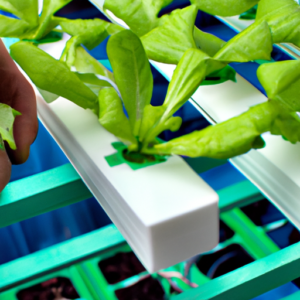
- Nutrient film technique (NFT): In an NFT system, a thin film of nutrient solution continuously flows over the roots, providing them with a constant supply of water and nutrients.
Components of a hydroponic system
Regardless of the type of system you choose, there are a few essential components that every hydroponic system needs:
- Reservoir: This is where the nutrient solution is stored. It should be light-proof to prevent the growth of algae and equipped with a lid to minimize evaporation.
- Flood tray: Also known as a grow tray, this is where the plants are placed. It should be made of a non-toxic material and have drainage holes to prevent waterlogging.
- Pump: A pump is needed to circulate the nutrient solution through the system. It should be reliable and capable of providing sufficient water flow.
- Timer: A timer is necessary to automate the watering cycles, ensuring the plants receive the right amount of nutrients at the right time.
2. Nutrient Solution
Importance of nutrient solution
The nutrient solution is a crucial element in hydroponic gardening. It provides the essential nutrients needed for plant growth, including nitrogen, phosphorus, potassium, and trace elements. Since there is no soil to naturally supply these nutrients, it is important to maintain a well-balanced nutrient solution for optimal plant development.
Types of nutrient solutions
There are two main types of nutrient solutions used in hydroponic gardening:
- Pre-mixed nutrient solutions: These solutions come in concentrated forms and are ready to use. They are convenient for beginners and ensure a balanced nutrient composition. However, they can be more expensive compared to DIY nutrient solutions.
- DIY nutrient solutions: Some experienced hydroponic gardeners prefer to create their own nutrient solutions by mixing individual nutrients in specific ratios. This allows for more control over the nutrient composition and can be more cost-effective in the long run.
3. Growing Medium
Role of growing medium in hydroponics
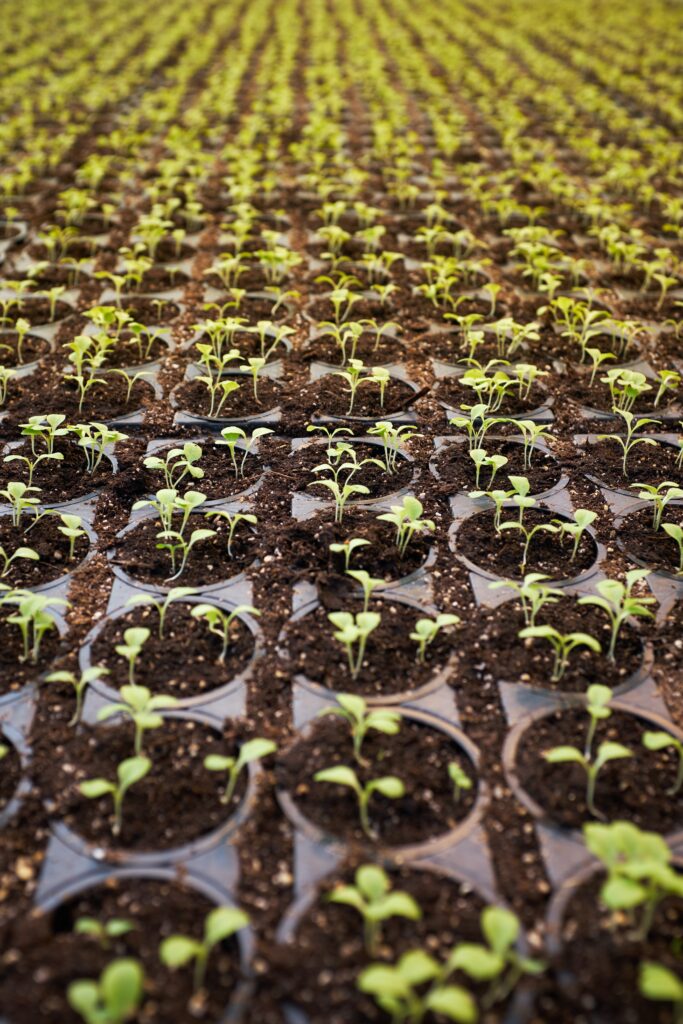
In hydroponic gardening, the growing medium serves as a support for the plants’ roots and absorbs and retains moisture and oxygen. It should have good water-holding capacity while still allowing for proper drainage.
Commonly used growing mediums
There are various types of growing mediums that can be used in hydroponics, including:
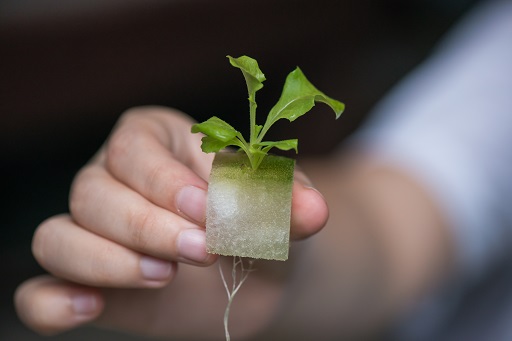
- Rockwool: Made from melted rock fibers, rockwool is a popular choice because of its excellent water retention and aeration properties. It also provides good support for the roots.
- Expanded clay pebbles: These lightweight clay balls have excellent drainage and aeration. They do not retain water, making them suitable for systems with high water flow.
- Coconut coir: Made from coconut husks, this substrate has good water-holding capacity and aeration. It is organic and renewable, making it an environmentally friendly choice.
4. Lighting
The importance of proper lighting in hydroponics
Light is an essential factor in plant growth, and in hydroponic gardening, it is crucial to provide adequate and appropriate lighting. Since plants in hydroponic systems do not receive natural sunlight, artificial grow lights are used to provide the necessary light energy for photosynthesis.
Types of grow lights
There are several types of grow lights commonly used in hydroponics:
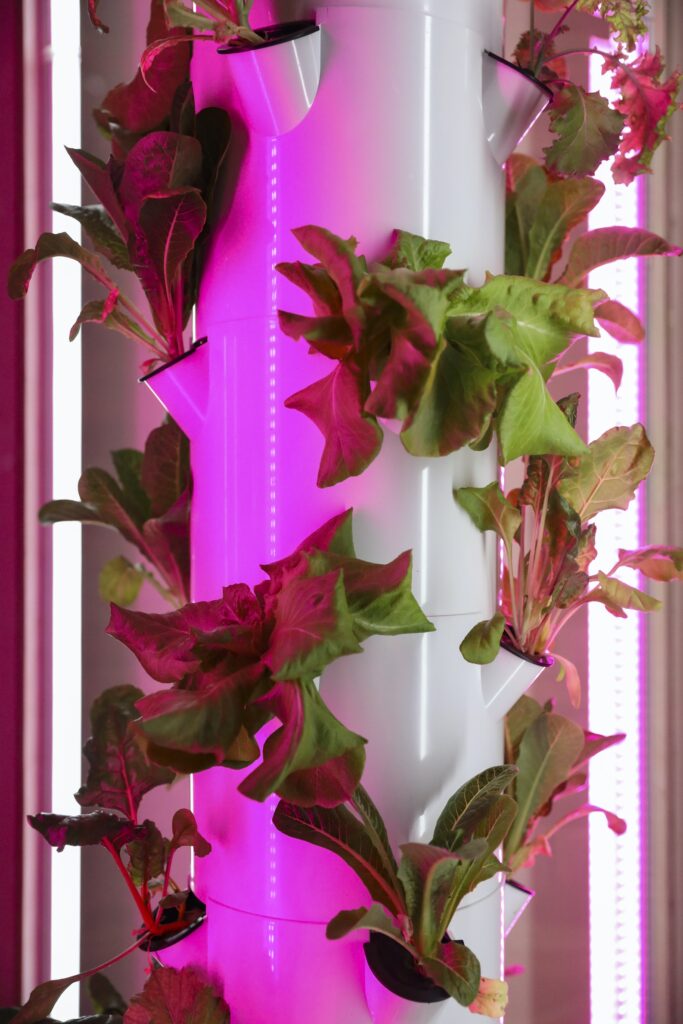
- LED grow lights: LED lights are highly efficient and provide the full spectrum of light needed for plant growth. They are long-lasting and can be adjusted to provide different light intensities for different stages of growth.
- Fluorescent lights: Fluorescent lights are affordable and produce less heat, making them suitable for smaller setups or plants that require less light intensity.
- High-pressure sodium (HPS) lights: HPS lights emit a yellow-orange light that is particularly effective for flowering and fruiting plants. However, they generate a lot of heat and require proper ventilation.
5. pH and EC Control
Maintaining the correct pH level
Maintaining the correct pH level is crucial for hydroponic gardening as it affects nutrient availability and uptake by the plants. The optimal pH range for most hydroponic crops is between 5.5 and 6.5. pH levels outside this range can lead to nutrient deficiencies or toxicities, negatively impacting plant growth.
Monitoring and adjusting EC levels
EC (Electrical Conductivity) measures the concentration of dissolved salts in the nutrient solution and indicates its strength. Monitoring and adjusting the EC levels is important to ensure that plants receive the appropriate amount of nutrients. High EC levels can cause nutrient burn, while low EC levels can result in nutrient deficiencies.
6. Plant Selection and Care
Choosing suitable plants for hydroponics
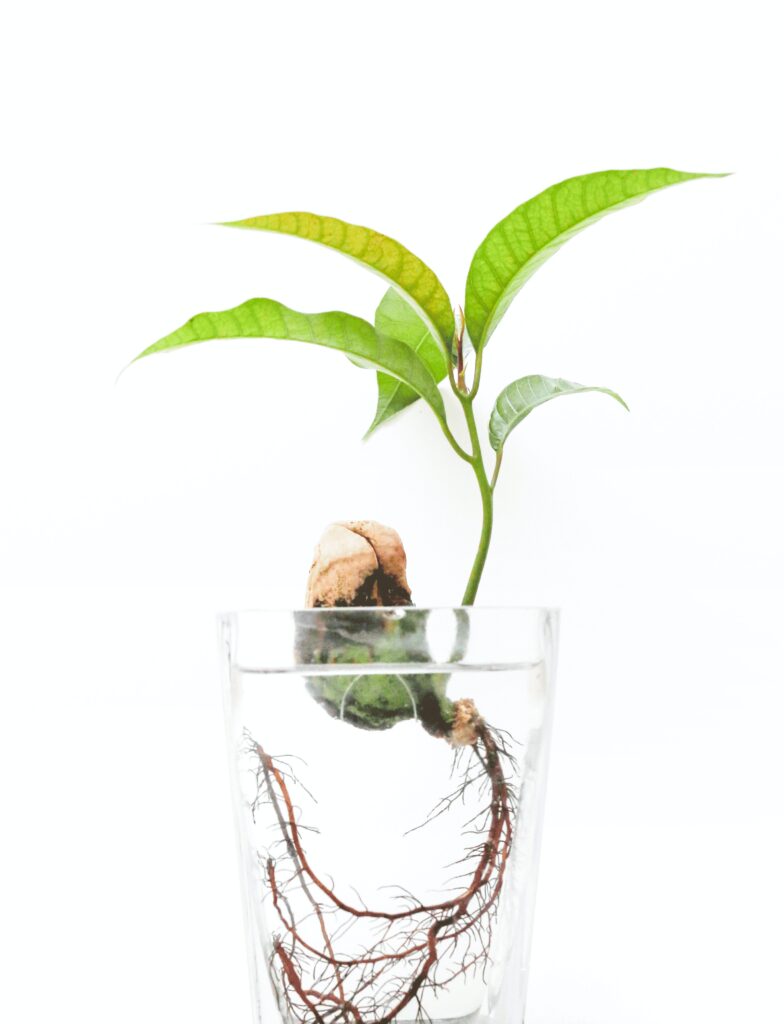
Not all plants are suitable for hydroponic gardening. Some plants, such as leafy greens, herbs, and strawberries, thrive in hydroponic systems, while others, like root vegetables and large fruiting plants, may not be as successful. It is important to choose plants that have a compact root system and are well-suited to the hydroponic growing environment.
Tips for plant care
In hydroponic gardening, regular plant care is essential for healthy growth and optimal yields. Here are some tips to keep in mind:
- Monitor water and nutrient levels: Regularly check the reservoir and ensure that water and nutrient levels are maintained within the recommended range.
- Prune and train plants: Pruning helps control plant size and promotes better airflow, while plant training techniques like trellising can maximize space and yield.
- Manage plant spacing: Proper spacing between plants allows for optimum light exposure and prevents the spread of diseases.
7. Pest and Disease Management
Preventing and controlling pests
While hydroponic systems are less susceptible to pests compared to traditional soil-based gardening, it is still important to implement preventive measures. Some common pests in hydroponics include aphids, whiteflies, and spider mites. Regularly inspect plants for signs of pests and take appropriate action, such as introducing beneficial insects or using organic pest control methods.
Managing common hydroponic diseases
Hydroponic systems can be susceptible to certain diseases, such as root rot, powdery mildew, and fusarium wilt. Maintaining proper hygiene, including regularly cleaning and disinfecting the system, and ensuring good air circulation can help prevent the spread of diseases. If a disease does occur, it is important to isolate the affected plants and treat them promptly.
8. Maintenance and Troubleshooting
Regular maintenance tasks
To ensure the smooth operation of a hydroponic system, regular maintenance tasks should be performed. These include:
- Cleaning and disinfecting: Regularly clean and disinfect all system components to prevent the buildup of algae, bacteria, and fungi.
- Checking and adjusting nutrient levels: Monitor and adjust nutrient levels as needed to ensure plants receive the appropriate amount of nutrients.
- Inspecting irrigation system: Regularly check for clogs, leaks, or any other issues with the irrigation system.
Identifying and resolving common problems
Despite proper maintenance, hydroponic systems can encounter issues. Common problems include nutrient deficiencies or toxicities, pH imbalances, and water or temperature fluctuations. By regularly monitoring the system and promptly addressing any deviations, most problems can be resolved quickly.
Conclusion
In conclusion, hydroponic gardening offers a sustainable and efficient way to grow plants without soil. By understanding and implementing the essentials of hydroponic gardening, such as choosing the right system, maintaining proper nutrient levels, providing adequate lighting, and taking care of plants, you can enjoy the benefits of higher yields and faster growth. As the future of gardening continues to evolve, hydroponics is expected to play an increasingly important role in feeding a growing population in a more sustainable and resource-efficient manner. So why not give hydroponic gardening a try and harvest your own fresh produce right at home?