


Are you tired of traditional farming methods that rely on soil and unpredictable weather conditions? Look no further! Hydroponics is here to revolutionize commercial agriculture. With hydroponics, farmers can grow plants without using soil, instead using a nutrient-rich water solution. This innovative technique allows for precise control of plant nutrition and creates an optimal growing environment. Not only does hydroponics save water, but it also maximizes crop yields, minimizes the use of pesticides, and enables year-round cultivation. Get ready to explore the game-changing world of hydroponics in commercial agriculture.
Advantages of Hydroponics
Hydroponics, the innovative method of growing plants without soil, offers numerous advantages that have revolutionized commercial agriculture.
Higher crop yield
One of the major benefits of hydroponics is the ability to achieve higher crop yields compared to traditional soil-based farming. This is primarily due to the controlled environment in which hydroponic crops are grown. By regulating factors such as nutrient levels, pH, and lighting, hydroponic farmers can optimize plant growth and maximize harvests. The absence of soil-borne diseases and pests further contributes to increased crop yield.
Water conservation
Water scarcity is a pressing issue in many parts of the world, making the conservation of this precious resource crucial. Hydroponics is renowned for its water-efficient nature. Unlike traditional agriculture, where a significant amount of water is lost through runoff and evaporation, hydroponic systems recirculate and reuse water. This results in up to 90% less water consumption compared to soil farming, making hydroponics an environmentally sustainable solution.
Faster growth and maturity
Hydroponic plants grow at an accelerated rate when compared to their soil-grown counterparts. By providing plants with an ideal balance of nutrients and optimized growing conditions, hydroponics promotes accelerated growth. This not only reduces the time required for plants to reach maturity but also allows for multiple growing cycles per year. The faster growth and maturity of hydroponic crops translate into increased productivity and profitability for commercial farmers.
Year-round production
Traditional agriculture is often limited to specific seasons, depending on climatic conditions. Hydroponics, on the other hand, enables year-round production regardless of external factors. By creating a controlled environment, hydroponic farmers can cultivate crops regardless of the weather outside. This not only ensures a consistent supply of fresh produce but also reduces the reliance on importing fruits and vegetables from distant regions. Year-round production is a significant advantage for commercial agriculture, as it allows farmers to meet the demand of consumers consistently.
Different Types of Hydroponic Systems
Hydroponic systems come in various forms, each with its own set of advantages and considerations. Here are some of the most commonly used types of hydroponic systems:
Nutrient Film Technique (NFT)
The Nutrient Film Technique (NFT) is a popular hydroponic system that involves a continuous flow of a shallow nutrient solution over the plant roots. Plants are placed in slightly sloped channels, allowing the nutrient film to continuously flow over the roots while being collected and recirculated. NFT systems are highly efficient in delivering nutrients to the plants while simultaneously oxygenating the roots.
Drip Irrigation
Drip irrigation is a widely used hydroponic system that involves a network of tubes and emitters designed to slowly drip nutrient solution directly onto the plant roots. This method allows for precise control over nutrient delivery and is suitable for both small and large-scale hydroponic setups. Drip irrigation systems can be automated and adjusted to meet the specific needs of different crops.
Deep Water Culture (DWC)
The Deep Water Culture (DWC) system is a simple yet effective hydroponic setup. In this method, plants are suspended above a nutrient-rich water reservoir, with their roots submerged. Oxygen is continuously supplied to the roots using air stones or diffusers. The simplicity and efficiency of DWC systems make them ideal for growing larger plants with extensive root systems.
Ebb and Flow
Also known as flood and drain, the ebb and flow hydroponic system involves periodically flooding the plant roots with nutrient solution and then draining it back into a reservoir. This cycle is typically repeated several times a day, providing plants with the required nutrients and ensuring proper oxygenation. Ebb and flow systems are versatile and can accommodate a wide range of plant sizes and types.
Aeroponics
Aeroponics is a cutting-edge hydroponic system that revolves around suspending the plant roots in an oxygenated mist or fog. This method eliminates the need for a growing medium, allowing for maximum oxygenation and nutrient absorption. Aeroponic systems provide an ideal environment for plant growth, resulting in faster growth rates and superior nutrient uptake.
Hydroponic Nutrients
In hydroponics, plants derive their nutrients from specially formulated solutions since there is no soil present. These nutrient solutions typically consist of two main categories: macronutrients and micronutrients.
Macronutrients
Macronutrients are essential elements required by plants in large quantities for healthy growth. The main macronutrients in hydroponic nutrient solutions include nitrogen (N), phosphorus (P), and potassium (K), often referred to as NPK. These macronutrients play vital roles in various plant functions, such as leaf development, root growth, and flower and fruit production. Hydroponic nutrient solutions ensure an optimal balance of macronutrients to support plant growth.
Micronutrients
While macronutrients are needed in larger quantities, plants also rely on micronutrients for their overall development. Micronutrients, such as iron (Fe), manganese (Mn), and zinc (Zn), among others, are needed in smaller amounts but are equally crucial. These trace elements contribute to essential plant processes, including photosynthesis, enzyme activities, and overall nutrient absorption. Hydroponic nutrient solutions are carefully formulated to include the necessary micronutrients for healthy plant growth.
pH and nutrient solutions
Maintaining the correct pH level is vital in hydroponics since it directly affects nutrient uptake by the plant roots. Most hydroponic crops thrive in slightly acidic conditions, with a pH range of 5.5 to 6.5. To ensure optimal nutrient absorption, the pH of the nutrient solution needs to be regularly monitored and adjusted using pH up or pH down solutions. Maintaining the correct pH level is crucial in maximizing plant growth and preventing nutrient deficiencies or toxicities.
Organic vs. synthetic nutrients
Hydroponic nutrient solutions are available in both organic and synthetic forms, each with its own set of advantages. Organic nutrients are derived from natural sources and typically provide a more holistic approach to plant nutrition. They contain complex compounds that promote soil health and encourage beneficial microbial activity. On the other hand, synthetic nutrients are chemically formulated and offer precise control over nutrient ratios. They are often more concentrated and can be easily customized based on the specific needs of different crops. Whether choosing organic or synthetic nutrients, proper understanding and careful selection of nutrient solutions are essential for successful hydroponic cultivation.
Hydroponic Growing Mediums
In traditional agriculture, soil serves as the root medium for plants, providing stability, nutrients, and water retention. In hydroponics, different types of growing mediums are used to support the root system and provide an anchor for the plants. Here are some commonly used hydroponic growing mediums:
Coconut coir
Coconut coir, derived from the fibrous husk of coconut shells, is a popular and versatile hydroponic growing medium. It has excellent water retention capabilities while still allowing for adequate drainage. Coconut coir provides a stable and sterile environment for plant roots and can be easily customized to suit different crop requirements.
Perlite
Perlite is a lightweight and porous volcanic glass that is often used in hydroponics as a growing medium. It provides excellent drainage and aeration, allowing oxygen to reach the roots. Perlite is highly sterile and does not decompose or compact over time, making it a durable and reliable choice for hydroponic cultivation.
Rockwool
Rockwool, made from melted volcanic rock, is a widely used hydroponic growing medium due to its ability to retain water and provide ample drainage. It comes in various forms, including cubes, slabs, and grow blocks, making it suitable for different types of hydroponic systems. Rockwool offers good air-to-water ratio and root support, promoting healthy plant growth.
Clay pebbles
Clay pebbles, also known as expanded clay pellets or hydroton, are lightweight and inert hydroponic grow media. They provide excellent drainage while retaining moisture, ensuring sufficient oxygenation for the roots. Clay pebbles are reusable and do not decompose, making them a sustainable and reliable option for hydroponic growers.
Vermiculite
Vermiculite is a naturally occurring mineral that is often used as a hydroponic growing medium due to its ability to hold water and nutrients. It offers good moisture retention while still allowing for proper aeration. Vermiculite is lightweight and sterile, making it a safe and effective option for hydroponic cultivation.
Selecting the right growing medium is essential for ensuring healthy plant growth in hydroponics. Factors such as water retention, aeration, pH stability, and nutrient absorption should be considered when choosing a suitable growing medium for specific crops.
Hydroponic Crop Selection
Hydroponics opens up a wide range of possibilities when it comes to crop selection. While almost any plant can be grown hydroponically, certain crops have proven to thrive exceptionally well in this cultivation method. Here are some popular hydroponic crops:
Lettuce and leafy greens
Lettuce and leafy greens, such as spinach, kale, and arugula, are ideal crops for hydroponics. They have a relatively short growing cycle, making them suitable for year-round production. These crops have shallow root systems and can be grown in various hydroponic systems, including NFT, drip irrigation, and deep water culture.
Tomatoes
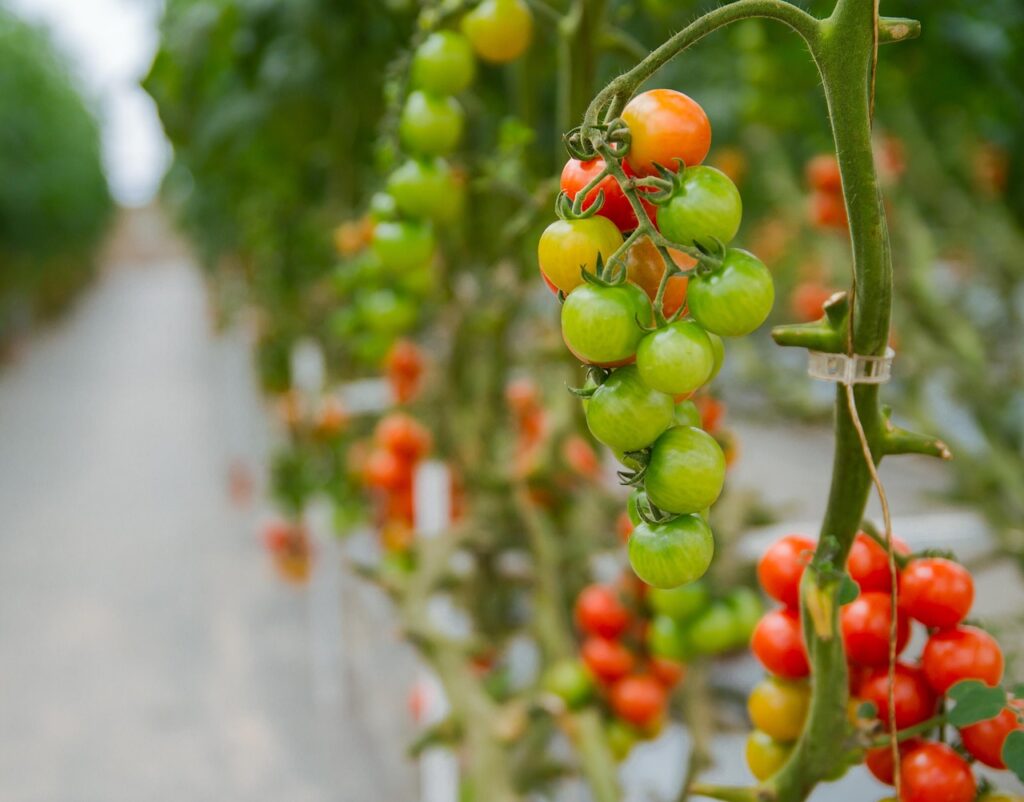
Tomatoes are one of the most commonly grown hydroponic crops due to their high demand and profitability. Hydroponic tomato plants tend to produce higher yields and have superior flavor compared to field-grown tomatoes. They thrive in well-drained growing mediums, such as rockwool or coconut coir, and require strong support structures due to their vining nature.
Cucumbers
Cucumbers are well-suited for hydroponics due to their vertical growth habit and high productivity. They require ample space and trellising for support. Cucumbers can be grown in various hydroponic systems, including NFT and drip irrigation. Hydroponic cucumbers tend to have better fruit quality and disease resistance compared to soil-grown counterparts.
Strawberries
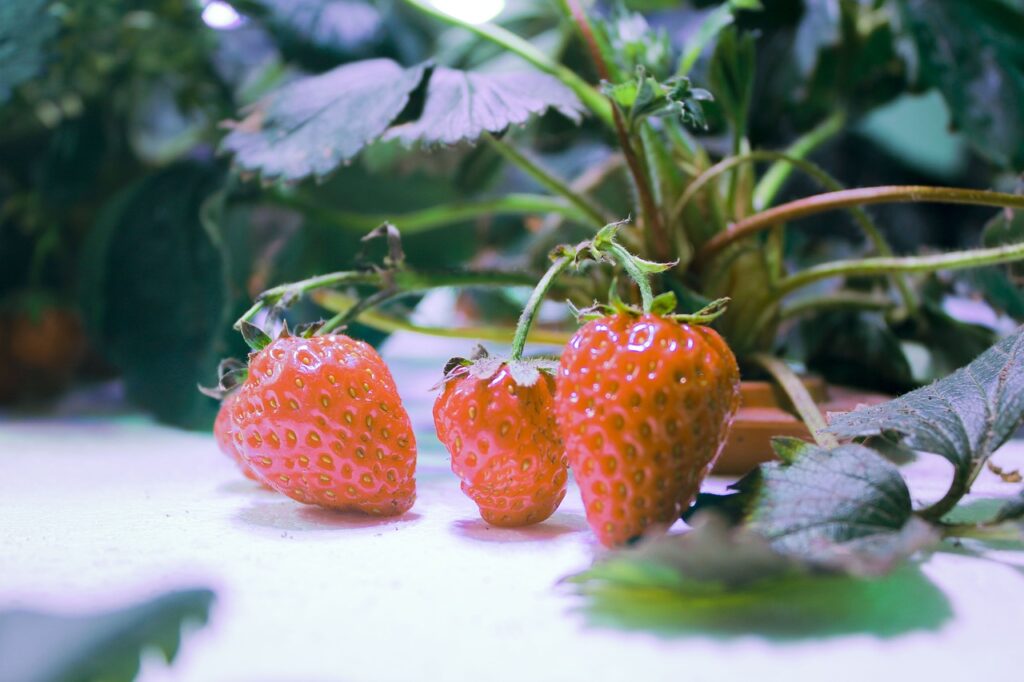
Strawberries are a popular hydroponic crop valued for their sweet flavor and early fruit production. In hydroponics, strawberries can be grown in towers or vertical systems, maximizing space efficiency. The controlled environment ensures optimal growth conditions for the plants, resulting in higher yields and better-quality berries.
Herbs
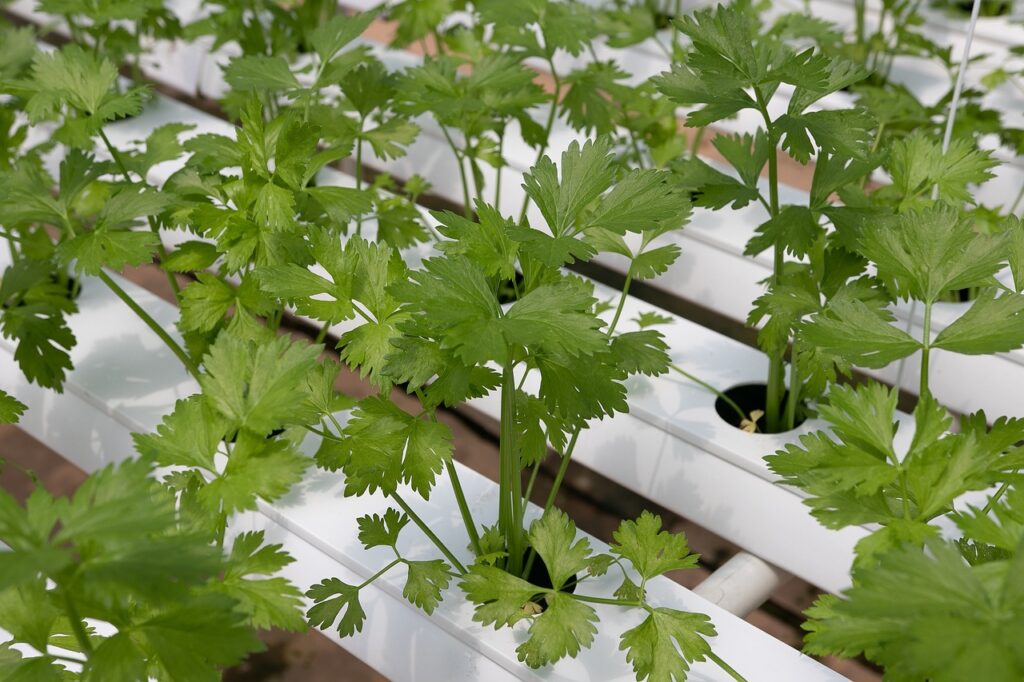
Herbs, including basil, mint, and parsley, are well-suited for hydroponic cultivation. They have short growing cycles and compact root systems, making them suitable for smaller-scale hydroponic setups. Herbs can be grown in a variety of hydroponic systems, such as NFT, drip irrigation, and deep water culture. Hydroponic herbs are known for their strong flavors and extended shelf life.
Hydroponics offers the opportunity to diversify crop selection, providing consumers with fresh and high-quality produce regardless of the season. The ability to grow a wide range of crops hydroponically has greatly expanded commercial agriculture and opened up new markets for farmers.
Hydroponic Pest Control
Just like traditional agriculture, hydroponic systems are susceptible to pests and diseases. However, hydroponics offers unique advantages when it comes to pest control. Here are some effective methods for managing pests in hydroponics:
Biological control
Biological control involves the use of natural predators, parasites, or pathogens to control pest populations. Beneficial insects, such as ladybugs, lacewings, and predatory mites, can be introduced into hydroponic systems to prey on common pests like aphids and spider mites. Additionally, beneficial nematodes can help control soil-borne pests and diseases. Biological control methods ensure that pest populations are kept in check without the use of harmful chemicals.
Integrated pest management
Integrated pest management (IPM) is a holistic approach to pest control that combines various strategies to minimize pest damage. In hydroponics, IPM involves regular scouting for pests, early detection, and intervention. This may include manual removal of pests, the use of insecticidal soaps or oils, and the implementation of physical barriers to prevent pest entry. IPM strategies are tailored to specific crops and pests, ensuring the most effective and environmentally friendly pest control.
Proper sanitation
Maintaining proper sanitation practices is crucial in preventing the spread of pests and diseases within a hydroponic system. Regularly cleaning and disinfecting equipment, grow trays, and nutrient reservoirs helps eliminate any potential sources of contamination. Proper sanitation reduces the risk of pests and diseases establishing themselves in the hydroponic environment, ensuring healthy plant growth.
Quarantine measures
Implementing quarantine measures is essential to prevent the introduction of pests and diseases into hydroponic systems. New plants, growing media, or equipment should be thoroughly inspected and quarantined before being introduced to the main growing area. This allows for early detection and treatment of any potential pests or diseases, protecting the existing hydroponic crops.
Hydroponics provides unique opportunities for effective pest control due to the controlled environment and limited exposure to soil-borne pests. By implementing integrated pest management practices and focusing on prevention, hydroponic farmers can minimize the use of chemical pesticides and ensure the health and productivity of their crops.
Hydroponic Automation and Technology
Automation and technology play a significant role in the success and efficiency of hydroponic cultivation. The following advancements have greatly transformed hydroponics and enhanced the way crops are grown:
Automated nutrient delivery systems
Automated nutrient delivery systems ensure precise control over nutrient levels and pH, resulting in optimal plant growth. These systems monitor and adjust nutrient solutions automatically, eliminating the need for manual measurement and adjustment. They provide accurate dosing and distribution of nutrients to the plants, reducing the risk of nutrient deficiencies or toxicities. Automated nutrient delivery systems are essential for large-scale hydroponic operations, where consistency and efficiency are paramount.
Climate control systems
Maintaining the ideal climate is crucial for the success of hydroponic growing. Climate control systems, including temperature and humidity control, ensure that plants thrive in their optimal growing conditions. These systems can be automated to maintain specific temperature and humidity ranges, providing plants with a stable and comfortable environment. Climate control systems also help prevent the growth of mold or mildew and reduce the risk of pests and diseases.
Remote monitoring and control
Remote monitoring and control systems enable hydroponic farmers to monitor and manage their crops from anywhere, at any time. These systems use sensors and data collecting devices to monitor variables such as temperature, humidity, nutrient levels, and pH. Farm managers can access this data remotely through smartphones or computers, allowing for real-time monitoring and adjustments. Remote monitoring and control systems improve efficiency, minimize labor requirements, and ensure optimal plant growth.
Artificial lighting
Artificial lighting is an essential component of hydroponic systems, especially for indoor and vertical farming operations. LED grow lights have become increasingly popular due to their energy efficiency and the ability to provide specific light spectra tailored to the needs of different crops. By adjusting light intensity and color, hydroponic farmers can mimic natural sunlight and optimize plant growth. Artificial lighting allows for year-round production and enhances crop quality and productivity.
Advancements in automation and technology have transformed hydroponics into a highly efficient and precise cultivation method. By leveraging these innovations, commercial hydroponic farmers can achieve consistent and high-quality crop yields while reducing labor and operational costs.
Hydroponics vs. Traditional Agriculture
Hydroponics and traditional agriculture differ significantly in several aspects. Here are some key points of comparison between these two cultivation methods:
Water usage and conservation
Traditional agriculture often requires large amounts of water, especially in arid regions. However, hydroponics is known to be highly water-efficient, with up to 90% less water usage. Hydroponic systems recirculate and reuse water, minimizing water wastage and promoting conservation. This makes hydroponics a sustainable solution for areas facing water scarcity.
Land space efficiency
Traditional agriculture typically requires vast amounts of land for crop cultivation. In contrast, hydroponics offers space-efficient solutions due to vertical and indoor farming techniques. By utilizing vertical stackings or multi-layered systems, hydroponic farmers can maximize production in limited spaces, making it suitable for urban and commercial settings.
Control over growing conditions
Hydroponics provides extensive control over growing conditions compared to traditional agriculture. By manipulating factors such as nutrient levels, pH, temperature, and lighting, hydroponic farmers can create an optimized environment for plant growth. This level of control ensures consistent crop quality and yield, even in adverse climatic conditions.
Reduced reliance on pesticides
Traditional agriculture often relies on chemical pesticides to control pests and diseases. In hydroponics, the controlled environment and limited exposure to soil-borne pests minimize the need for chemical pesticides. Integrated pest management techniques, such as biological control and proper sanitation, are more commonly used in hydroponics, resulting in reduced pesticide use and environmental impact.
While traditional agriculture will always have its place, hydroponics presents a viable and sustainable alternative. By addressing water scarcity, maximizing land space, providing precise control, and reducing reliance on chemical pesticides, hydroponics offers a promising future for commercial agriculture.
Challenges and Limitations of Hydroponics
While hydroponics offers numerous advantages, it is not without its challenges and limitations. Here are some factors that need to be considered:
Cost of set-up and maintenance
Setting up a hydroponic system can require a significant initial investment. The cost of equipment, infrastructure, and specialized technology can be substantial, especially for large-scale operations. Additionally, ongoing maintenance costs, including the purchase of nutrient solutions, electricity for artificial lighting, and regular system monitoring, need to be factored in. However, advancements in technology and economies of scale have made hydroponics more accessible and cost-effective over time.
Complexity and knowledge requirement
Hydroponics requires a certain level of technical knowledge and expertise. Understanding the principles of plant nutrition, water management, pH regulation, and pest control is crucial for successful hydroponic cultivation. While this knowledge can be acquired through research, training, and experience, the learning curve can be steep and time-consuming for beginners. It is essential to invest in proper education and training to ensure optimal results.
Energy consumption
Hydroponic systems often rely on artificial lighting and climate control systems, resulting in increased energy consumption. The cost and environmental impact of energy usage should be carefully considered, especially in regions where electricity costs are high or carbon footprints are a concern. However, advancements in energy-efficient technology, such as LED grow lights, have significantly reduced energy demands in hydroponics.
Waste management
Proper waste management is a challenge in hydroponics, particularly when it comes to nutrient solutions and growing mediums. Nutrient solutions need to be monitored and adjusted regularly to maintain optimal levels, resulting in excess discarded solution. Disposal of spent nutrient solutions needs to be handled properly to prevent contamination of water sources. Additionally, used growing mediums may require disposal or recycling depending on their composition. Implementing sustainable waste management practices is crucial to minimize environmental impact.
While hydroponics offers numerous advantages, it is essential to consider and address the challenges and limitations associated with this cultivation method. By understanding and mitigating these factors, commercial hydroponic growers can optimize their systems, reduce costs, and minimize their environmental footprint.
Success Stories and Future of Hydroponics
Hydroponics has garnered significant attention and success in recent years, transforming the agricultural landscape. Here are some notable success stories and future trends for hydroponics:
Vertical farming and urban agriculture
Vertical farming has gained traction as a space-efficient solution for urban agricultural practices. By utilizing vertical stackings and indoor cultivation, hydroponic farmers can maximize crop yield in limited urban spaces. Vertical farms have the potential to supply fresh produce to urban populations, reduce transportation costs, and decrease the carbon footprint associated with importing food from distant regions.
Integration with renewable energy sources
The integration of renewable energy sources, such as solar and wind power, in hydroponic systems offers a sustainable and environmentally friendly approach. By utilizing clean energy, hydroponics can reduce reliance on fossil fuels and minimize the environmental impact associated with energy consumption. This integration allows for greener and more sustainable hydroponic operations.
Potential for space exploration
Hydroponics has been extensively studied and tested by space agencies such as NASA for its potential in extraterrestrial agriculture. The controlled environment, water efficiency, and high crop yields make hydroponics an ideal cultivation method for long-duration space missions. Researchers continue to explore the possibilities of hydroponic systems in providing fresh food for astronauts on extended space voyages.
Growth in hydroponic research and development
The field of hydroponics continues to evolve through ongoing research and development. Scientists and agricultural experts are constantly exploring new techniques, optimizing growing conditions, and developing innovative hydroponic systems. This research aims to improve crop yields, enhance nutrient formulations, develop specialized technology, and address challenges associated with hydroponics. The growth in hydroponic research and development contributes to the ongoing success and future potential of this cultivation method.
Hydroponics has come a long way in revolutionizing commercial agriculture. With its numerous advantages, such as higher crop yield, water conservation, faster growth, and year-round production, hydroponics offers a sustainable and effective solution for feeding growing populations. Overcoming challenges and embracing advancements in automation, technology, and renewable energy will pave the way for a bright future for hydroponics in commercial agriculture. As we continue to explore its potential, hydroponics holds the key to feeding the world in a more efficient, sustainable, and environmentally friendly way.


