


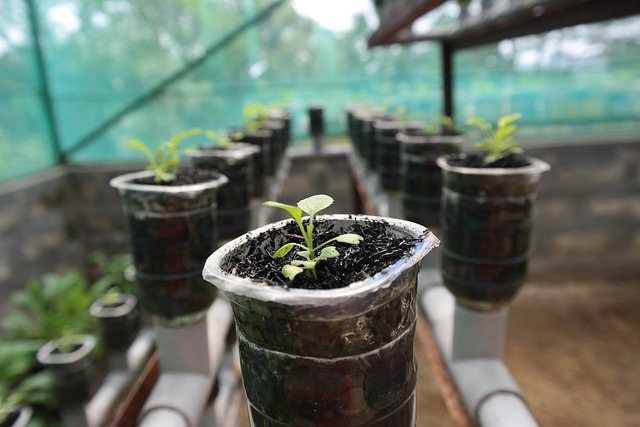
Are you interested in learning how hydroponic gardening works? Well, you’re in luck! In this article, we’re going to delve into the fascinating world of hydroponic gardening and explore the science behind it. Whether you’re an avid gardener looking to try something new or simply curious about this innovative technique, we’ll provide you with all the information you need to understand how hydroponic gardening works and how you can get started yourself.
If you’ve ever wondered how plants can grow without soil, or how they can thrive in water-based systems, then this article is for you. We’ll explain the basic principles of hydroponic gardening, including the different types of systems used and the benefits it offers. From nutrient solutions to lighting, we’ll cover all the essentials you need to know about this soilless gardening method. So, if you’re ready to expand your gardening skills and discover a whole new way of growing plants, keep reading to learn more about how hydroponic gardening works. Hydroponic gardening is a fascinating and innovative method of growing plants without the use of traditional soil. Instead, plants are grown in a water-based nutrient solution that provides all the necessary elements for their growth. This method has gained popularity in recent years due to its numerous benefits, such as higher yield, water efficiency, and year-round growing. In this article, we will explore the ins and outs of hydroponic gardening, including its history, essential components, different types of systems, setting up a garden, maintenance, advantages, disadvantages and challenges, comparison with traditional soil gardening, and various applications.
What is Hydroponic Gardening?
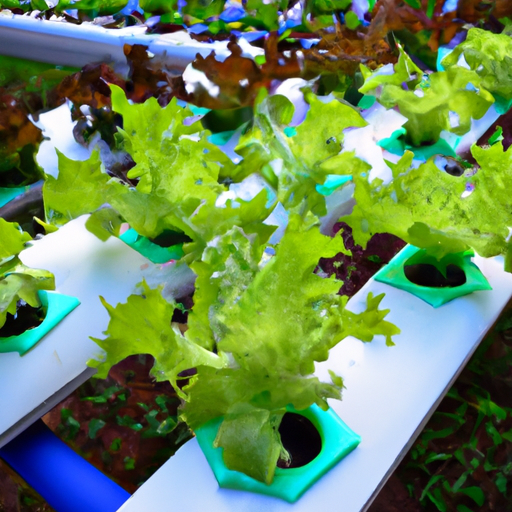
Hydroponic gardening, also known as soilless cultivation, is the practice of growing plants using water as the main medium, instead of conventional soil. In this method, plants receive all the necessary nutrients directly from a nutrient-rich water solution. The absence of soil eliminates the risk of soil-borne pests and diseases, while the controlled environment allows for optimal growth conditions.
History of Hydroponic Gardening
The concept of hydroponics dates back thousands of years, with ancient civilizations such as the Babylonians and the Aztecs developing their own methods of soilless cultivation. One notable example is the Hanging Gardens of Babylon, one of the Seven Wonders of the Ancient World, which are believed to have employed a rudimentary form of hydroponics. However, it wasn’t until the 19th century that modern hydroponics began to take shape, with scientists experimenting with various nutrient solutions and growing systems.
Benefits of Hydroponic Gardening
Hydroponic gardening offers numerous benefits over traditional soil gardening. One of the key advantages is the ability to grow plants year-round, regardless of the outdoor climate. This is particularly advantageous in regions with limited growing seasons or harsh weather conditions. Additionally, hydroponic gardening allows for higher yields and faster growth rates compared to traditional methods. The controlled environment and optimal nutrient supply contribute to this accelerated growth. Furthermore, hydroponic systems are significantly more water-efficient, using up to 90% less water compared to soil-based cultivation.
Essential Components of Hydroponic Gardening
Hydroponic Systems
Hydroponic systems are the backbone of any hydroponic garden. There are several different types of systems, each with its own advantages and limitations. The most common types include deep water culture, drip system, nutrient film technique, and aeroponics. These systems vary in the way they deliver water, nutrients, and oxygen to the plants’ roots, but they all share the same principle of providing an ideal growing environment.
Lighting and Irrigation
In hydroponic gardening, artificial lighting is necessary to provide plants with the necessary amount and quality of light for photosynthesis. High-intensity discharge lamps, such as metal halide and high-pressure sodium lamps, are commonly used for this purpose. Irrigation systems also play a crucial role in hydroponics, ensuring that the plants receive a continuous supply of nutrient-rich water. Automated timers and pumps are often used to regulate the irrigation process.
Nutrient Solutions
Nutrient solutions are the lifeblood of hydroponic gardening. These solutions contain all the essential minerals and elements required for plant growth, such as nitrogen, phosphorus, potassium, and trace elements. The concentration and pH of the nutrient solution must be carefully monitored and adjusted to ensure optimal plant growth. Various commercially available nutrient solutions cater to different plant species and growth stages.
Different Types of Hydroponic Systems
Deep Water Culture
Deep Water Culture (DWC) is one of the simplest and most popular hydroponic systems. In this method, the plant’s roots are suspended in a nutrient-rich water solution, with an air pump providing oxygen to the roots. The large surface area of the water allows for efficient nutrient absorption and rapid plant growth.
Drip System
The drip system, also known as the recovery system, involves periodically dripping nutrient solution onto the plants’ roots. The excess solution is then collected and recycled, reducing water waste. This system is commonly used in commercial hydroponic operations due to its versatility and ease of automation.
Nutrient Film Technique
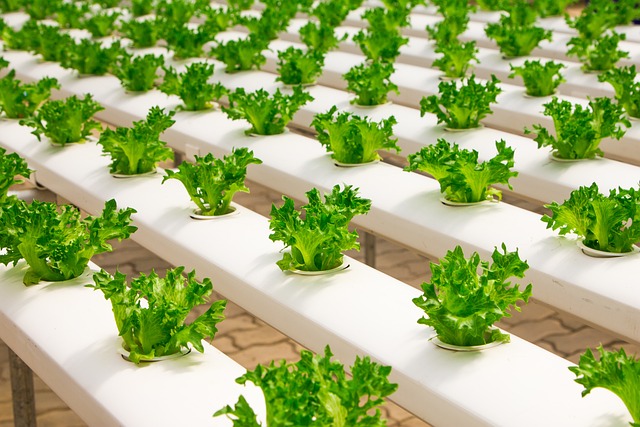
The Nutrient Film Technique (NFT) system involves a continuous flow of nutrient solution flowing over the roots, creating a thin film of nutrient-rich water. The roots absorb the necessary nutrients while also receiving oxygen from the air. The excess solution is collected and recirculated back to the reservoir.
Aeroponics
Aeroponics is a high-tech hydroponic system that suspends plant roots in the air and sprays them with a fine mist of nutrient solution. This method allows for maximized oxygenation, leading to faster growth rates and increased nutrient absorption. Aeroponic systems are commonly used in research and commercial applications.
Setting Up a Hydroponic Garden
Choosing the Right Space
When setting up a hydroponic garden, choosing the right space is crucial. The location should have access to electricity and water, as well as sufficient space for the chosen hydroponic system. Indoor spaces, such as basements or dedicated grow rooms, are particularly popular for hydroponic gardens due to their controlled environment.
Creating a Nutrient Solution
Creating a nutrient solution involves carefully measuring and mixing specific amounts of nutrients according to the requirements of the plants being cultivated. Commercially available nutrient solutions provide a convenient option, as they are formulated for different plant species and growth stages. The pH of the solution should be monitored and adjusted regularly to ensure optimal nutrient uptake.
Selecting Suitable Plants
Not all plants thrive in hydroponic systems, so it is essential to choose plants that are well-suited to this growing method. Leafy greens, such as lettuce and spinach, are ideal for hydroponics, as they have relatively short growth cycles and shallow root systems. Herbs, strawberries, and tomatoes are also commonly grown hydroponically.
Maintaining a Hydroponic Garden
Monitoring pH and EC Levels
Maintaining the proper pH and Electrical Conductivity (EC) levels is crucial in hydroponic gardening. The pH level affects nutrient availability to the plants, with most plants thriving in a slightly acidic range between 5.5 and 6.5. The EC level measures the concentration of dissolved salts in the nutrient solution and should be regularly monitored to prevent nutrient imbalances or toxicities.
Proper Lighting and Ventilation
Proper lighting is essential for photosynthesis in hydroponic systems. High-intensity discharge lamps provide the necessary light spectrum for optimal plant growth. Ventilation is equally important, as it promotes air circulation and helps control temperature and humidity levels within the growing area.
Controlling Pests and Diseases
While hydroponic systems reduce the risk of soil-borne pests and diseases, they are not entirely immune. Regular monitoring and preventive measures, such as implementing good hygiene practices and using biological controls, can help minimize the risk of infestations and diseases.
Advantages of Hydroponic Gardening
Year-round Growing
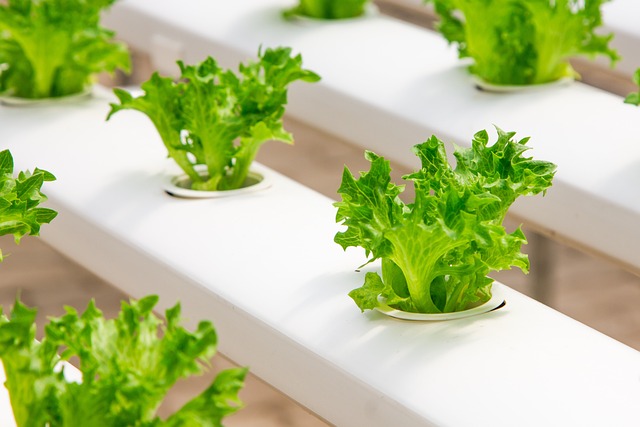
One of the significant advantages of hydroponic gardening is the ability to grow plants year-round, regardless of outdoor conditions. By creating an indoor environment with controlled temperature, lighting, and nutrient supply, hydroponic gardeners can bypass seasonal limitations and cultivate crops all year long.
Higher Yield and Faster Growth
Hydroponic gardening offers significantly higher yields and faster growth rates compared to traditional soil gardening. The precisely controlled environment and optimized nutrient supply allow plants to grow under ideal conditions throughout their life cycle, resulting in accelerated growth and larger harvests.
Water Efficiency
Hydroponic systems are incredibly water-efficient, using up to 90% less water than traditional soil-based cultivation methods. The recirculation and recycling of nutrient solutions minimize water waste, making hydroponics an environmentally friendly gardening solution, particularly in regions facing water scarcity.
Disadvantages and Challenges of Hydroponic Gardening
Initial Setup Cost
One of the challenges associated with hydroponic gardening is the initial setup cost. Hydroponic systems, lighting equipment, and nutrient solutions can be expensive compared to traditional gardening methods. However, the long-term benefits and potential for higher yields often outweigh the initial investment.
Technical Knowledge Required
Hydroponic gardening requires a certain level of technical knowledge and understanding of plant physiology, nutrient balance, and environmental factors. Monitoring and adjusting pH and EC levels, providing adequate lighting, and maintaining proper ventilation can be challenging to novice gardeners. However, with research and practice, these skills can be acquired and refined.
Dependency on Artificial Inputs
Hydroponic gardening relies heavily on artificial inputs, such as nutrient solutions and electricity for lighting and irrigation. While this allows for precise control and customization, it also means that the success of the garden is reliant on these inputs. Power outages or supply disruptions can have a significant impact on the health and growth of the plants.
Comparing Hydroponic Gardening with Traditional Soil Gardening
Water Usage
Hydroponic gardening is far more water-efficient than traditional soil gardening. With hydroponics, water is recirculated and used more efficiently, while soil gardening typically requires more water due to evaporation and inefficient absorption by plants.
Nutrient Availability
In traditional soil gardening, plants rely on the nutrients present in the soil, which may vary in quality and availability. In hydroponic gardening, plants receive a precise and optimized nutrient solution, ensuring that they have access to all the necessary elements for growth.
The Impact on the Environment
Hydroponic gardening has a smaller environmental footprint compared to traditional soil gardening. It uses less water and requires no pesticides or fertilizers commonly used in soil gardening. Additionally, hydroponic systems can be set up indoors, allowing for year-round cultivation without the need for large plots of land.
Applications of Hydroponic Gardening
Commercial Farming
Hydroponic gardening is widely used in commercial farming, particularly for growing high-value crops such as herbs, microgreens, and specialty vegetables. The controlled environment, higher yields, and faster growth rates make hydroponics an attractive option for commercial growers looking to maximize productivity and profitability.
Urban Gardening
Hydroponic gardening is gaining popularity in urban areas, where space is limited and access to fertile soil is scarce. With hydroponics, urban dwellers can grow their own fresh produce indoors or on rooftops, reducing their reliance on store-bought produce and promoting sustainability.
Research and Education
Hydroponic gardening plays a significant role in research and educational institutions, providing a controlled and reproducible environment for studying plant physiology and conducting experiments. It also serves as an educational tool to teach students about plant biology, sustainable agriculture, and the importance of food security.
Conclusion
Hydroponic gardening offers a revolutionary approach to growing plants, providing optimal conditions, higher yields, and water efficiency. From its ancient roots to modern high-tech systems, hydroponics has come a long way and continues to evolve. Whether you are a commercial grower looking to maximize productivity or a home gardener with limited space, hydroponic gardening offers a viable and sustainable solution. By understanding the essential components, system types, setup process, and maintenance requirements, anyone can embark on the journey of hydroponic gardening and enjoy the benefits it brings. So, why not give hydroponics a try and discover the endless possibilities of soilless cultivation?


