


In this article, you’ll learn about hydroponic gardening systems and how they work. We’ll explore the benefits of using this innovative method of gardening and why it’s gaining popularity among home gardeners. You’ll also discover the different types of hydroponic systems available and the steps involved in setting up your own system. By the end, you’ll have a good understanding of what hydroponic gardening is and how it can transform your gardening experience.
Introduction to Hydroponic Gardening Systems
Hydroponic gardening systems have become increasingly popular in recent years, offering an innovative and efficient method for growing plants without the need for soil. This method allows you to cultivate a wide variety of plants, from everyday fruits and vegetables to exotic herbs and flowers. In this article, we will explore the definition of hydroponic gardening systems, discuss their advantages, examine their history and evolution, and dive into the components that make these systems work.
Definition of Hydroponic Gardening Systems
Hydroponic gardening systems, also known as soil-less cultivation, involve growing plants in a nutrient-rich water solution instead of traditional soil. This method allows plants to absorb nutrients directly from the water, ensuring optimal growth and minimizing the risk of nutrient deficiencies. By eliminating the need for soil, hydroponic systems provide a controlled environment for plant growth, allowing for year-round cultivation and increased crop yields.
Advantages of Hydroponic Gardening Systems
Hydroponic gardening systems offer numerous advantages over traditional soil-based farming. Firstly, by providing plants with a precisely balanced nutrient solution, hydroponics promotes faster and healthier growth. The controlled environment also minimizes the risk of pests and diseases, reducing the need for chemical pesticides. Additionally, hydroponics allows for a significant reduction in water usage compared to traditional farming methods, making it a more sustainable option in regions facing water scarcity.
History and Evolution of Hydroponic Gardening Systems
While the concept of hydroponics may seem modern, the practice itself dates back to ancient civilizations. The Hanging Gardens of Babylon, one of the Seven Wonders of the Ancient World, is believed to have utilized a rudimentary form of hydroponics. However, it wasn’t until the 19th century that the science behind hydroponics began to develop. In the 1930s, Dr. William Gericke, a professor at the University of California, coined the term “hydroponics” and conducted extensive research on soil-less cultivation. Since then, hydroponic gardening systems have continued to evolve, incorporating new technologies and techniques.
Components of Hydroponic Gardening Systems
To understand how hydroponic gardening systems work, it is essential to explore their key components.
Nutrient Solutions
The nutrient solution is a crucial element in hydroponic gardening systems. It consists of a carefully balanced mixture of essential elements, including nitrogen, phosphorus, potassium, and various micronutrients. These solutions are typically mixed with water and then circulated throughout the system, providing plants with everything they need to thrive.
Growth Mediums
In soil-based gardening, the soil acts as a medium for plant growth. In hydroponic systems, alternative growth mediums are used, providing support to the plants’ root systems while allowing for efficient nutrient uptake. Common growth mediums include coconut coir, perlite, vermiculite, and rockwool. The choice of growth medium depends on factors such as water retention, aeration, and pH stability.
Water Supply and Irrigation Systems
Maintaining a consistent water supply is essential in hydroponic gardening systems. Systems typically include a water reservoir that is connected to the plant containers via a network of tubes or pipes. Submersible pumps are used to circulate the nutrient solution through the system, ensuring that plants receive a constant supply of water and nutrients.
Air Circulation and Ventilation
Just like plants grown in soil, hydroponically cultivated plants require proper air circulation and ventilation. Adequate air circulation ensures the supply of carbon dioxide, necessary for photosynthesis, and prevents the development of mold and mildew. Ventilation systems, including fans and vents, help maintain optimum temperature and humidity levels, creating a healthy environment for plant growth.
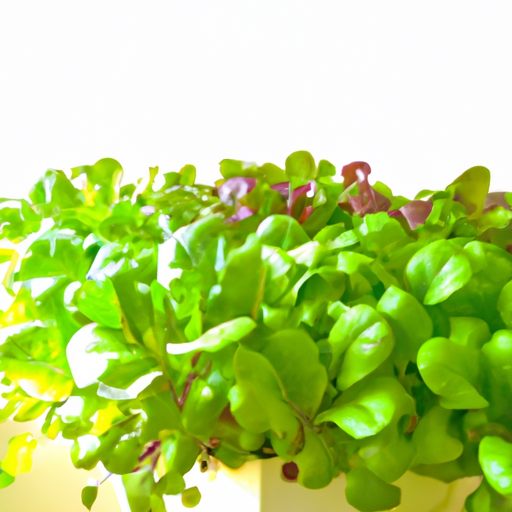
Types of Hydroponic Gardening Systems
There are several different types of hydroponic gardening systems, each with its own unique characteristics and advantages. Let’s explore some of the most common systems:
Wick System
The wick system is one of the simplest and least expensive hydroponic systems. It operates by using a wicking material, such as cotton or nylon, to transport the nutrient solution from the reservoir to the plant’s root system. This passive system is ideal for growing smaller plants or herbs.
Water Culture System
In water culture systems, plants are grown directly in a nutrient solution, with their roots submerged in the water. The plant roots receive oxygen through the use of an air pump and airstone, ensuring they remain healthy and vibrant. This method works well for plants with small root systems, such as lettuce and herbs.
Ebb and Flow System
Also known as a flood and drain system, the ebb and flow system involves periodic flooding and draining of the plant containers. The nutrient solution is pumped into the containers, allowing the plants to absorb the necessary nutrients before the excess solution drains back into the reservoir. This system is versatile and suitable for a wide variety of plant sizes.
Drip System
Drip systems are widely used in hydroponic gardening systems. They involve the use of drippers to deliver a precise amount of nutrient solution to each plant container. The excess solution is then collected and returned to the reservoir for reuse, making it a highly efficient system. This system is suitable for both small-scale and large-scale hydroponic setups.
Nutrient Film Technique (NFT) System
The Nutrient Film Technique (NFT) system utilizes a shallow stream of nutrient solution that continually flows over the roots of the plants. The roots are exposed to the nutrient-rich film, absorbing the necessary elements for growth. This method is ideal for growing leafy greens and herbs.
Aeroponics System
Aeroponics is a highly efficient and advanced hydroponic system. In this method, plant roots are suspended in air and misted with a nutrient solution, allowing for maximum oxygen uptake. The suspended roots receive ample nutrients and oxygen, promoting rapid and healthy growth.
Setting Up a Hydroponic Garden
Now that you have a basic understanding of the components and types of hydroponic gardening systems, let’s explore the process of setting up your own hydroponic garden.
Choosing an Appropriate Location
When selecting a location for your hydroponic garden, consider factors such as available space, access to light sources, and proximity to water and electricity. Ideally, the area should receive ample natural light or have access to artificial lighting systems to facilitate plant growth.
Acquiring Necessary Equipment
To set up a hydroponic garden, you will need several key pieces of equipment. This includes a reservoir, pumps, tubing, growing containers, a pH meter, and a nutrient solution. It’s important to invest in quality equipment to ensure the success of your hydroponic garden.
Preparing Growth Medium and Nutrient Solution
Before installing the hydroponic system, you will need to prepare the growth medium and nutrient solution. Follow the manufacturer’s instructions to ensure the correct dosage and balance of nutrients. Also, ensure that the growth medium is properly soaked and sanitized before use.
Installing the Hydroponic System
With the location prepared, equipment acquired, and nutrient solution and growth medium ready, it’s time to install the hydroponic system. Follow the manufacturer’s instructions to assemble and connect the various components. Ensure that the system is properly sealed and secure to avoid leaks or malfunctions.
Plant Selection and Care
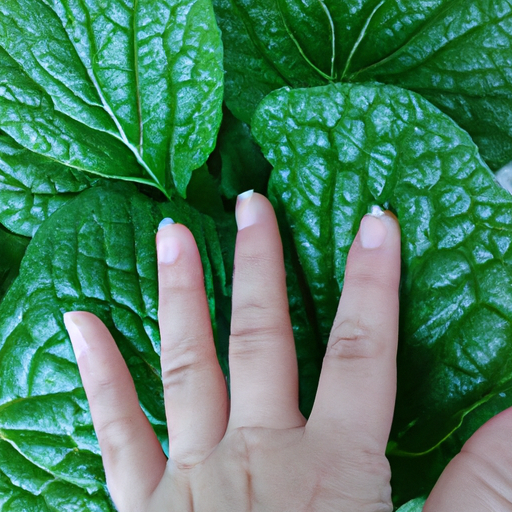
Once your hydroponic garden is set up, it’s time to select suitable plants and provide them with the care and attention they need for optimal growth.
Selecting Suitable Plants for Hydroponic Gardening
Hydroponic gardening allows for the cultivation of a wide range of plants. Leafy greens, herbs, tomatoes, strawberries, and cucumbers are among the popular choices for hydroponics. When selecting plants, consider their nutrient requirements, temperature preferences, and growth habits to ensure compatibility with your hydroponic system.
Monitoring and Maintaining Optimal Nutrient Levels
Regular monitoring of nutrient levels in the reservoir is essential for the health and growth of your plants. Use a pH meter and electrical conductivity meter to measure the pH and nutrient concentration in the solution. Adjust the nutrient solution as needed to maintain the optimal nutrient levels for your plants.
Controlling pH and Electrical Conductivity
Maintaining the correct pH level is vital in hydroponic gardening systems. Different plants require different pH ranges for optimal nutrient absorption. The electrical conductivity (EC) of the nutrient solution also needs to be monitored and adjusted to ensure that the plants receive the correct amount of nutrients.
Pruning, Trimming, and Supporting Plants
Just like plants grown in soil, hydroponically cultivated plants require regular care and maintenance. Pruning, trimming, and supporting plants will help them maintain their shape, promote better airflow, and prevent overcrowding. Regularly inspect your plants for any signs of pests or diseases and take appropriate action to prevent their spread.
Common Challenges and Troubleshooting
While hydroponic gardening systems offer many advantages, they are not without their challenges. Let’s explore some common issues and their potential solutions:
Common Pests and Diseases in Hydroponics
Although hydroponic systems are less susceptible to pests and diseases compared to traditional soil-based methods, they are not immune. Common pests in hydroponics include aphids, whiteflies, and spider mites. Integrated pest management techniques, such as introducing beneficial insects or using organic insecticides, can help control these pests. Regularly inspecting and cleaning your hydroponic system can also prevent the spread of diseases.
Root Rot Prevention and Treatment
Root rot can occur in hydroponic systems if the roots are constantly submerged in water or if the oxygen supply is insufficient. Regularly inspect the roots for any signs of rot, such as discoloration or a foul smell. Adjust the water level or increase aeration if needed. Treating root rot often involves removing affected plants and disinfecting the system to prevent further spread.
Dealing with Nutrient Deficiencies or Excesses
Maintaining a balanced nutrient solution is crucial in hydroponic gardening systems. Nutrient deficiencies can occur due to incorrect dosages or imbalances. Excess nutrients can also lead to plant stunting or nutrient burn. Regularly monitor and adjust the nutrient solution to ensure plants are receiving the correct amount of essential elements.
Maintaining Proper Temperature and Humidity
Temperature and humidity control is important for the successful growth of plants in hydroponic systems. Extreme temperatures or high humidity levels can promote the growth of pathogens or stress the plants. Use proper ventilation systems and monitor temperature and humidity levels regularly to create an optimal growing environment.
Environmental Impact and Sustainability
Hydroponic gardening systems offer numerous environmental and sustainability benefits compared to traditional soil-based farming methods.
Reduced Water Usage in Hydroponic Gardening
Hydroponic systems use significantly less water compared to traditional soil-based farming. The closed-loop design allows for water recycling, minimizing water wastage. Additionally, the controlled environment of hydroponics reduces evaporation, further conserving water.
Lower Energy and Fertilizer Consumption
Compared to traditional farming, hydroponic systems require less energy and fertilizer. The controlled environment allows for efficient nutrient absorption, reducing the need for excessive fertilization. Additionally, hydroponic systems can be integrated with energy-saving technologies such as LED lighting, further reducing energy consumption.
Potential for Year-Round Crop Production
Hydroponic gardening systems provide the opportunity for year-round crop production, regardless of seasonal variations or climate conditions. This ability to grow crops continuously helps meet the demands of consumers and reduces dependence on imports from distant regions.
Minimizing Soil Erosion and Contamination
Traditional farming practices often lead to soil erosion and contamination through the use of chemical pesticides and fertilizers. Hydroponic systems eliminate these risks, as there is no soil involved. This promotes soil conservation and reduces the environmental impact on surrounding ecosystems.
Commercial Applications of Hydroponic Gardening
Hydroponic gardening has found commercial applications in a variety of sectors, further highlighting its potential and benefits.
Hydroponics in Urban Farming
Hydroponics has gained popularity in urban farming due to its space-saving nature and ability to grow crops vertically. In urban areas with limited land availability, hydroponic systems allow for the cultivation of fresh produce in small, indoor spaces.
Hydroponic Greenhouses and Vertical Farms
In regions with extreme climates or limited arable land, hydroponic greenhouses and vertical farms have revolutionized agriculture. By optimizing resources such as light, water, and nutrients, these systems maximize crop yields while minimizing environmental impact.
Hydroponics in Space Exploration
Hydroponic systems have been extensively studied and utilized by space agencies such as NASA. The controlled environment and efficient use of resources make hydroponics an ideal method for growing fresh food in space and sustaining future long-duration missions.
Hydroponic Produce in the Market
Hydroponically grown produce is increasingly available in supermarkets and farmer’s markets. The demand for fresh, locally sourced, and sustainable produce has driven the market for hydroponic fruits, vegetables, and herbs.
Exploring New Innovations and Technologies
The future of hydroponic gardening systems holds numerous possibilities, with ongoing research and development focusing on innovative technologies and practices.
Automation and Control Systems
Automation and control systems enable precise monitoring and adjustment of environmental conditions in hydroponic setups. Automated systems can regulate lighting, nutrient delivery, and environmental sensors, ensuring optimal plant growth and reducing the need for manual intervention.
Artificial Intelligence in Hydroponics
Artificial intelligence (AI) is being harnessed to optimize hydroponic gardening systems. AI algorithms can analyze data collected from sensors and make real-time adjustments to environmental conditions, improving overall system efficiency and crop yields.
LED Lighting Systems for Indoor Cultivation
Light-emitting diodes (LEDs) have emerged as a popular choice for indoor cultivation in hydroponic systems. LED lighting systems provide specific wavelengths of light that can be customized to meet the specific needs of different plant species. Additionally, LEDs are energy-efficient and generate less heat, minimizing the risk of damage to plants.
Integration with Sustainable Energy Sources
As the demand for sustainable agriculture practices grows, there is an increasing focus on integrating hydroponic systems with renewable energy sources. Solar panels, wind turbines, and other sustainable energy technologies can power hydroponic systems, reducing reliance on traditional energy sources and decreasing the carbon footprint.
Conclusion
In conclusion, hydroponic gardening systems offer a sustainable and efficient method of growing plants without the need for soil. With a wide range of systems available, each offering unique advantages, hydroponics is suitable for both small-scale and large-scale cultivation. The ability to control environmental factors and minimize resource consumption makes hydroponics an attractive option for urban farming, commercial agriculture, and even space exploration. By embracing hydroponics, you can enjoy fresh, healthy produce while reducing your environmental impact. So why not give hydroponics a try and watch your garden thrive?


