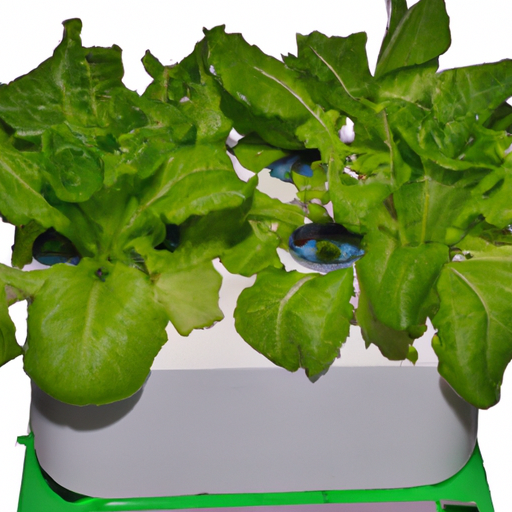
In this article, you will learn how to build a hydroponic garden. We will discuss the basics of hydroponic gardening and why it can be a great alternative to traditional soil gardening. You will also discover the materials and tools needed to set up your own hydroponic garden, as well as step-by-step instructions on how to construct it. By the end of this article, you will have the knowledge and confidence to start growing your own plants hydroponically.
Choosing the Right Location
When embarking on the journey of building a hydroponic garden, the first step is to carefully consider the location where you will set up your system. One of the key factors to take into account is whether you want to grow your plants indoors or outdoors.
Considering Indoor or Outdoor
Indoor hydroponic gardens offer the advantage of being able to grow plants year-round, regardless of the weather conditions outside. They also provide greater control over factors such as temperature, humidity, and lighting. When choosing an indoor location, look for spaces with ample natural light or invest in high-quality artificial lighting systems.
If you prefer to grow your hydroponic garden outdoors, you’ll need to find a spot that receives at least 6-8 hours of direct sunlight per day. It’s important to note that outdoor gardens are more susceptible to changes in weather and pests, so take that into consideration when selecting your location.
Assessing Available Space
Regardless of whether you choose an indoor or outdoor setup, you’ll need to evaluate the available space. Determine how many plants you want to grow and calculate the necessary square footage for your hydroponic system. Make sure to leave enough room for the plants to grow and for you to move around and tend to them.
Consider any height restrictions as well. Some plants may require vertical space for trellising or support structures. Take precise measurements of the area to ensure it will accommodate your desired setup.
Evaluating Lighting Conditions
Proper lighting is crucial for the success of your hydroponic garden. If you’re growing indoors, assess the natural light available in the selected space. South-facing windows are ideal, as they receive the most sunlight throughout the day. If natural light is limited, invest in high-quality LED grow lights that provide the necessary spectrum for plant growth.
For outdoor gardens, evaluate the sunlight patterns throughout the day. Observe any potential sources of shade, such as trees or nearby buildings, that may affect the amount of sunlight your plants receive. It’s best to choose a location that offers consistent and adequate lighting conditions for optimal plant growth.
Selecting the Hydroponic System
Once you’ve chosen the perfect location, it’s time to select the hydroponic system that suits your needs and preferences. There are several different types of hydroponic systems available, each with its own advantages and considerations.
Understanding Different Types of Systems
- Drip System: In a drip system, nutrient-rich water is delivered to the plants through a network of tubes and emitters. This system allows for precise control over the nutrients and water levels, making it suitable for both beginners and experienced growers.
- Ebb and Flow System: Also known as flood and drain, an ebb and flow system periodically floods the plant containers with nutrient solution and then allows it to drain back into a reservoir. This system provides good aeration to the roots and is well-suited for larger plants.
- Nutrient Film Technique (NFT): NFT systems constantly flow a thin film of nutrient solution over the roots of the plants, providing a constant supply of water and nutrients. This system is efficient and ideal for growing leafy greens and herbs.
- Deep Water Culture (DWC): In a DWC system, the plant roots are submerged in a nutrient solution that is continuously aerated. This system is easy to set up and maintain, making it suitable for beginners.
Comparing Ebb and Flow vs. Drip Systems
Two popular hydroponic systems are the ebb and flow and drip systems. Both have their own unique characteristics, so it’s important to consider which one aligns best with your goals and resources.
The ebb and flow system is highly versatile, allowing you to grow a wide variety of plants. It provides excellent aeration to the roots and is relatively low-maintenance. However, it requires a larger initial investment and can be more complex to set up compared to other systems.
On the other hand, the drip system is relatively simple and cost-effective to set up and operate. It provides precise control over nutrient delivery and is suitable for plants of various sizes. However, it may require some troubleshooting to ensure even water distribution to all the plants.
Exploring Nutrient Film Technique (NFT)
The Nutrient Film Technique (NFT) is a popular choice for growing leafy greens and herbs. This system involves continuously flowing a thin film of nutrient-rich water over the roots of the plants. The roots absorb the necessary nutrients, while excess water is collected and recirculated.
NFT systems are known for their efficiency and water-saving capabilities. They require minimal growing media, making them lightweight and easy to set up. However, it’s important to ensure the film of water is properly balanced to prevent dry spots or oversaturation.
Investigating Deep Water Culture (DWC)
Deep Water Culture (DWC) is an excellent option for beginners due to its simplicity and low maintenance requirements. In this system, plants are placed in net pots with their roots submerged in a nutrient solution that is continuously aerated.
DWC systems offer high levels of oxygen to the roots, promoting rapid growth and healthy plants. They are also quite cost-effective, as they require fewer materials compared to other hydroponic systems. It’s crucial to monitor and adjust the nutrient levels and pH regularly to ensure optimal plant health in a DWC system.
Gathering Necessary Materials and Tools
Before you start assembling your hydroponic garden, it’s essential to gather all the necessary materials and tools. Here’s a list of items you’ll need to procure:
Procuring Plant Containers
Choose containers that are appropriate for the size and type of plants you wish to grow. Plastic containers, such as buckets or pots, are commonly used in hydroponics. Make sure they have proper drainage holes or consider using net pots for systems like DWC or NFT.
Obtaining a Grow Tray
A grow tray is essential for holding and supporting the plant containers. It should be watertight and made of durable material, such as plastic or fiberglass. Ensure it’s large enough to accommodate your desired system size and has adequate drainage capabilities.
Acquiring Pumps and Aeration Systems
Depending on the type of hydroponic system you choose, you may require one or more pumps to circulate the nutrient solution. Consider the flow rate and capacity of the pumps, ensuring they are suitable for the size of your garden. Additionally, invest in aeration systems, such as air pumps and air stones, to provide oxygen to the plant roots.
Collecting Nutrient Solutions
Hydroponic plants require a balanced nutrient solution to thrive. Purchase commercially available hydroponic nutrient solutions, formulated specifically for different growth stages and plant types. Familiarize yourself with the recommended nutrient ratios, and always check the pH levels before adding the solution to your system.
Securing Growing Mediums
Depending on the hydroponic system you choose, you’ll need a suitable growing medium to support the plants’ root systems. Some common options include perlite, vermiculite, coconut coir, and rockwool. Each medium has its own benefits and considerations, so choose one that aligns with your cultivation goals.
Choosing Appropriate Lighting
If you’re growing indoors, invest in high-quality LED grow lights that provide the necessary spectrum for optimal plant growth. Consider factors such as light intensity, coverage area, and energy efficiency when choosing your lighting system. Consult the specific light requirements for the plants you intend to grow.
Getting pH and EC Meters
Maintaining the proper pH and nutrient levels in your hydroponic system is essential for plant health. Invest in a pH meter and an electrical conductivity (EC) meter to regularly monitor and adjust these parameters. These tools will enable you to provide the optimal growing conditions for your plants.
Setting Up the Hydroponic Garden
Now that you have all the necessary materials and tools, it’s time to set up your hydroponic garden. Follow these steps to ensure a successful installation.
Preparing the Growing Space
Before assembling your hydroponic system, thoroughly clean and disinfect the chosen location. Remove any debris, dust, or potential contaminants that may harm the plants. Ensure the area is well-ventilated and temperature-controlled, if possible.
Assembling the Hydroponic System
Carefully follow the manufacturer’s instructions to assemble your chosen hydroponic system. Start by setting up the grow tray, ensuring it’s properly leveled. Then, install the pumps, tubing, and emitters according to the system requirements. Finally, arrange the plant containers in a spaced-out manner on the grow tray.
Creating a Nutrient Solution
Refer to the instructions provided with your chosen hydroponic nutrient solution. Measure the appropriate amount of nutrients and mix them with water, following the recommended ratios. Stir the solution well to ensure even distribution of the nutrients. Test and adjust the pH levels as necessary before adding the solution to the system.
Placing Plants into the System
Carefully transplant your seedlings or young plants into the chosen plant containers or net pots. Gently wash off any soil from the roots before inserting them into the containers. Ensure the roots are properly submerged, but not overly compressed or tangled. Once all the plants are in place, carefully pour the prepared nutrient solution into the grow tray, allowing it to circulate through the system.
Monitoring and Maintaining the Garden
Successfully growing plants hydroponically requires vigilant monitoring and proactive maintenance. Keep these key aspects in mind to ensure the health and productivity of your garden.
Managing Water Levels and pH
Regularly monitor the water levels in your hydroponic system to ensure there’s enough solution to properly nourish the plants. Avoid overfilling or letting the reservoir run dry. Additionally, regularly test and adjust the pH levels to maintain the optimal range for nutrient absorption. Most plants prefer a slightly acidic pH level between 5.5 and 6.5.
Monitoring Nutrition and Nutrient Concentrations
Regularly check the nutrient solution for any changes in color, clarity, or odor. These could be indications of nutrient deficiencies, imbalances, or contamination. Use your pH and EC meters to measure the nutrient concentrations in the solution. Adjust the nutrient levels as necessary to provide a balanced diet for your plants.
Preventing and Addressing Pests and Diseases
Hydroponic gardens are not immune to pests and diseases. Monitor your plants regularly for any signs of infestation or disease. Maintain a clean growing environment, regularly removing dead leaves or debris that may attract pests. Consider using organic pest control methods, such as neem oil or beneficial insects, to prevent and address issues effectively.
Maintaining Proper Lighting and Ventilation
For indoor gardens, ensure your plants receive adequate lighting and proper ventilation. Position your grow lights at the appropriate distance from the plants to avoid light burn or heat stress. If using natural light, periodically check for any obstructions that may affect light penetration. Install fans or an exhaust system to maintain adequate airflow and prevent excessive heat or humidity buildup.
Performing Routine Systems Checks
Regularly inspect the various components of your hydroponic system for any clogs, leaks, or malfunctions. Check the pumps, tubing, and emitters for proper functioning and ensure proper water flow. Address any issues promptly to prevent larger problems that can harm your plants.
Watering and Feeding the Plants
Proper watering and nutrient supplementation are crucial for the healthy growth of your hydroponic plants. Follow these guidelines to ensure your plants receive the right amount of water and nutrients.
Understanding Proper Watering Techniques
In hydroponics, the goal is to provide the optimal amount of water to the roots without oversaturating them. Continuously monitor the water levels in your reservoir and adjust accordingly. Most plants prefer a slight drying period between waterings to allow for proper oxygenation of the roots.
Adjusting Nutrient Levels and Frequencies
Plants have varying nutrient requirements at different stages of growth. Adjust the nutrient levels in your solution according to the specific needs of your plants. For young seedlings, start with a diluted nutrient solution and gradually increase the concentration as the plants mature. Refer to the instructions provided with your nutrient solution for accurate dosing and feeding frequencies.
Implementing a Feeding Schedule
Establish a consistent feeding schedule for your hydroponic garden. Regularly check the nutrient solution levels and top up as necessary. Avoid letting the nutrient concentrate become too diluted or too concentrated. Consistency is key to providing your plants with the necessary nourishment for healthy growth.
Identifying and Resolving Nutrient Deficiencies
Monitor your plants closely for any signs of nutrient deficiencies, such as yellowing leaves or stunted growth. Common deficiencies include nitrogen, phosphorus, and potassium. Refer to nutrient deficiency charts for specific symptoms and appropriate remedies. Adjust the nutrient solution accordingly and ensure proper nutrient uptake by maintaining pH levels within the appropriate range.

Pruning and Training Plants
Pruning and training your hydroponic plants are essential practices for promoting optimal growth and maximizing yields. Here’s what you need to know about these techniques.
Understanding the Importance of Pruning
Pruning involves removing specific plant parts, such as branches or leaves, to enhance airflow, increase light penetration, and direct energy towards productive growth. Pruning helps to shape the plants, control their size, and reduce the risk of diseases or pests. It’s essential to learn how each plant species responds to pruning to avoid causing harm.
Identifying Common Pruning Techniques
Different plants require different pruning techniques. Some common methods include pinching back, topping, and thinning out. Pinching back involves removing the terminal growth to encourage branching and lateral growth. Topping is the removal of the main stem to promote bushier growth. Thinning out is the selective removal of crowded or weak branches to create more space for healthy growth.
Training Plants for Optimal Growth
Training plants involves manipulating their growth patterns to optimize yields and space utilization. Common training techniques include trellising, staking, and tying. These methods allow for better light distribution, improved air circulation, and increased support for heavy fruits or flowers. Research the specific training methods suitable for the plants you’re growing and implement them accordingly.
Harvesting and Enjoying the Yield
The moment you’ve been waiting for has arrived – it’s time to harvest the fruits of your labor and savor the flavors of your hydroponic produce. Here’s what you need to know about harvesting and enjoying your yield.
Determining the Right Time to Harvest
Each plant species has its own indicators of readiness for harvest. Pay attention to factors such as color, texture, aroma, and size to determine peak ripeness. Use your senses and consult plant-specific guides to ensure you harvest your crops at their prime.
Harvesting and Handling Techniques
When it comes to harvesting, use clean and sharp tools to minimize damage to the plants. Handle the produce with care to prevent bruising, as even the slightest damage can reduce shelf life. Make clean cuts or gently twist fruits from their stems, and place them in clean, breathable containers to maintain freshness.
Propagating New Plants from Cuttings
Hydroponics offers a unique advantage when it comes to propagating plants. Many plants can be easily propagated from cuttings, allowing you to multiply your favorites without the need for seeds. Before taking cuttings, sanitize your tools and containers to minimize the risk of introducing pathogens. Follow the appropriate propagation techniques for each specific plant to ensure successful rooting and growth.
Preparing and Enjoying Hydroponic Produce
One of the joys of hydroponic gardening is savoring the delicious and nutritious produce you’ve grown. Whether it’s vibrant salad greens, juicy tomatoes, or aromatic herbs, the possibilities are endless. Wash your hydroponic produce thoroughly before enjoying it in salads, smoothies, or cooked dishes. Taste the freshness and let the flavors speak for themselves.
Troubleshooting Common Issues
Even the most well-maintained hydroponic gardens can encounter unexpected challenges. Here are some common issues that may arise and strategies for resolving them.
Addressing pH Fluctuations
pH fluctuations can occur due to a variety of factors, including nutrient imbalances, evaporation, or the breakdown of growing media. Regularly test the pH levels of your nutrient solution and adjust as necessary using pH-up or pH-down solutions. Keep in mind that different plants prefer slightly different pH ranges, so research the specific requirements of your plants.
Dealing with Algae or Mold
Algae and mold can thrive in hydroponic systems, especially if light and moisture conditions are not properly managed. To prevent their growth, ensure your grow tray and reservoir are clean and free from debris. Reduce light exposure to the nutrient solution by using dark-colored containers or covering the reservoir. If algae or mold do appear, sanitize the affected areas with hydrogen peroxide or a commercial sanitizer.
Resolving Nutrient Imbalance
Nutrient imbalances can manifest as nutrient deficiencies or toxicities. Regularly test the nutrient concentrations in your solution using an EC meter. Adjust the nutrient levels according to the growth stage and specific requirements of your plants. If you suspect a nutrient imbalance, flush the system with pH-balanced water and gradually reintroduce the appropriate nutrient solution.
Fixing Pump or Aerator Malfunctions
Pump or aerator malfunctions can disrupt the proper functioning of your hydroponic system. Regularly inspect and clean the pumps and aeration systems to remove any clogs or debris. If a component is not functioning, troubleshoot to identify the issue. In some cases, you may need to invest in a replacement part or consult a professional for repairs.
Conclusion
Congratulations on completing your hydroponic garden! Building a hydroponic garden requires careful planning, attention to detail, and dedication, but the rewards are well worth the effort. Hydroponics offers a sustainable and efficient way to grow plants, maximizing yields in limited space and using minimal resources.
By choosing the right location, selecting the appropriate hydroponic system, and gathering the necessary materials and tools, you’ve set yourself up for success. Remember to monitor and maintain your garden diligently, adjusting water and nutrient levels as needed.
With proper care and knowledge of pruning, training, and harvesting techniques, your hydroponic garden will flourish, providing you with an abundance of fresh, flavorful produce. Enjoy the journey of discovery and experimentation as you continue to explore the endless possibilities of hydroponic gardening.