Hey there! Are you wondering if it’s okay to use tap water for your hydroponic systems? Well, you’ve come to the right place! In this article, we’ll dive into the topic and help you understand whether tap water can be a suitable option for your hydroponic setup.
Curious to know more? We’ve got you covered! In the next paragraphs, we’ll explore the pros and cons of using tap water in hydroponics, discuss the factors you should consider, and even provide some helpful tips to ensure your hydroponic system thrives. By the end of this article, you’ll have a clear understanding of whether tap water is a viable choice for your hydroponic endeavors. So, let’s get started and discover the best water source for your thriving hydroponic garden!
What is hydroponics?
Definition of hydroponics
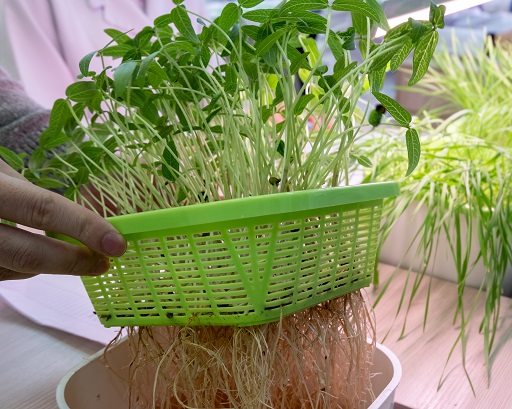
Hydroponics is a method of growing plants without soil, where the roots are instead immersed in a nutrient-rich water solution. This technique allows for precise control over the growing environment and promotes optimal plant growth.
Advantages of hydroponic systems
There are several advantages to using hydroponic systems. Firstly, they require significantly less water compared to traditional soil-based gardening. This is because the water in the system is recirculated and can be reused, minimizing water waste. Additionally, since hydroponics eliminates the need for soil, it eliminates the risk of soil-borne diseases and pests. Hydroponics also allows for year-round cultivation, regardless of the external weather conditions, making it suitable for indoor gardening or regions with unfavorable climates.
Types of hydroponic systems
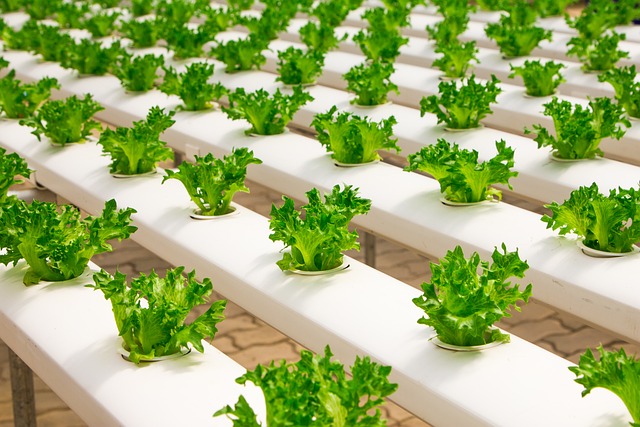
There are various types of hydroponic systems available, each with its own unique advantages and requirements. Some popular types include the nutrient film technique (NFT), deep water culture (DWC), aeroponics, and ebb and flow systems.
The importance of water in hydroponics
Water as a key component
Water is a vital component in hydroponics as it serves as the medium for delivering essential nutrients to the plants. It acts as a carrier for dissolved minerals and provides hydration to the roots. Without water, plants would not be able to grow and thrive in hydroponic systems.
Function of water in hydroponic systems
In hydroponic systems, water not only transports nutrients to the plants, but it also acts as a solvent that allows for easy absorption of these nutrients by the plant roots. It plays a crucial role in the metabolic processes of the plants, facilitating the absorption and assimilation of nutrients necessary for growth.
Quality of water for successful hydroponics
For successful hydroponic cultivation, the quality of water used is of utmost importance. The water should be free from any contaminants or pollutants that can hinder plant growth or negatively impact the system. It is essential to understand the source of water and assess its suitability for hydroponic systems.
Understanding tap water
Definition of tap water
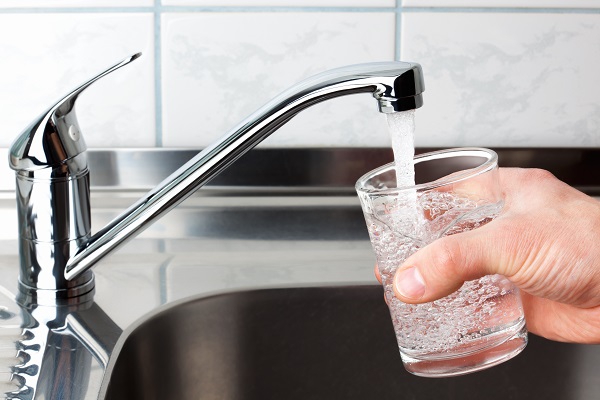
Tap water refers to the water that is supplied to households and businesses through a public water supply system. It is sourced from different natural sources like rivers, lakes, or underground wells, and undergoes various treatment processes to meet the drinking water standards.
Composition of tap water
Tap water typically contains a variety of minerals, such as calcium, magnesium, potassium, and trace elements like iron and zinc. It is also treated with chemicals like chlorine or chloramine to disinfect it and protect against microbial contamination.
Potential contaminants in tap water
While tap water usually meets safety standards for consumption, it may still contain certain contaminants that can affect the growth and health of plants in hydroponic systems. These contaminants can include heavy metals, pesticides, organic matter, and high levels of dissolved solids.
Considerations when using tap water for hydroponics
Effects of tap water on plant growth
Tap water can have both positive and negative effects on plant growth in hydroponic systems. The presence of minerals in tap water can provide essential nutrients to the plants. However, certain minerals, such as excessive calcium or magnesium, can lead to nutrient imbalances, affecting plant health.
Adjusting pH levels in tap water
Tap water can have varying pH levels, and it is crucial to adjust it to the appropriate range for optimal plant growth. Most hydroponic plants thrive in a pH range of 5.5 to 6.5. If the tap water’s pH is outside this range, pH adjustment solutions or substances like pH buffers can be used to bring it within the desired range.
Filtering tap water for hydroponics
To remove potential contaminants and provide clean water for hydroponic systems, it is recommended to filter tap water. There are various filtration methods available, including activated carbon filters, reverse osmosis systems, and sediment filters. These filters can help remove impurities and ensure the water used is of better quality.
Tap water suitability for hydroponic systems
Factors affecting tap water usability
Several factors influence the suitability of tap water for hydroponic systems. These factors include the source of tap water, its mineral composition, the presence of contaminants, and the pH levels.
Types of tap water suitable for hydroponics
In general, tap water that has low levels of dissolved minerals and contaminants is more suitable for hydroponic systems. Soft water, which has low mineral content, is preferred over hard water, which contains high levels of minerals like calcium and magnesium.
Tap water limitations in hydroponic setups
While tap water can be used for hydroponic systems, it is essential to be aware of its limitations. Depending on the region, tap water may contain high levels of dissolved solids, excessive minerals, or contaminants that can negatively impact the plants. In such cases, alternative water sources or appropriate treatments may be necessary.
Alternative water sources for hydroponics
Rainwater harvesting for hydroponics
Rainwater can be a good alternative water source for hydroponic systems. It is usually low in dissolved minerals and contaminants, making it ideal for sustaining healthy plant growth. However, it is important to consider the quality of rainwater in specific areas, as it can be affected by environmental pollution.
Filtered or distilled water for hydroponic systems
Filtered or distilled water can be used in hydroponic systems as well. These water sources have undergone filtration processes that remove most impurities and provide clean water for the plants. However, it is essential to assess the mineral content of filtered or distilled water, as some plants may require certain minerals for optimal growth.
Reverse osmosis water in hydroponics
Reverse osmosis (RO) water is commonly used in hydroponic systems because it effectively removes contaminants and minerals, providing a clean and pure water source. RO water can be beneficial for minimizing the risk of nutrient imbalances and ensuring optimal nutrient uptake by the plants.
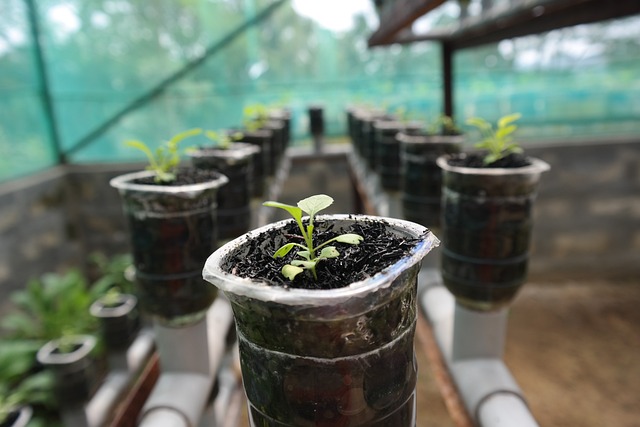
Benefits of using tap water for hydroponics
Convenience and accessibility
One of the main advantages of using tap water for hydroponic systems is its convenience and accessibility. Tap water is readily available in households and requires minimal effort to access, making it a practical choice for many hydroponic growers.
Cost-effectiveness of tap water
Tap water is often more cost-effective compared to alternative water sources for hydroponics. While rainwater harvesting or purchasing filtered/distilled water can incur additional costs, tap water is usually included in the monthly utility bill.
Availability of essential minerals in tap water
Tap water can provide essential minerals necessary for plant growth. While nutrient solutions are still required in hydroponic systems, tap water can contribute to the overall nutrient supply, reducing the need for additional mineral supplements.
Disadvantages of using tap water for hydroponics
Unwanted chemicals in tap water
Tap water may contain unwanted chemicals like chlorine or chloramine, which are added during the water treatment process. These chemicals can have detrimental effects on plant health. However, there are methods available to remove or minimize the effect of these chemicals.
Hard water issues in hydroponics
If tap water is high in mineral content, it is considered hard water. Excessive minerals like calcium and magnesium can lead to clogged irrigation systems, nutrient imbalances, and poor plant growth. Softening hard water may be necessary to prevent these issues.
Chlorine and its impact on hydroponic plants
Chlorine, commonly found in tap water due to its disinfection properties, can negatively affect hydroponic plants. It can damage the delicate root system and inhibit nutrient uptake. Dechlorination methods, such as using activated carbon filters or letting water sit exposed to air, can help mitigate this issue.
Best practices for using tap water in hydroponics
Test tap water before use
Before using tap water in a hydroponic system, it is advisable to test its quality. Simple pH and EC (electrical conductivity) tests can provide valuable information about the water’s characteristics and enable appropriate adjustments to be made.
Water treatment methods for tap water
Water treatment methods can be employed to improve tap water quality for hydroponic use. Filtration systems, pH adjustments, and dechlorination techniques can help remove impurities and create a more suitable growing environment.
Monitoring and adjusting water parameters
Regular monitoring of water parameters like pH and EC is essential to ensure the hydroponic system maintains optimal conditions for plant growth. Adjustments may need to be made periodically to maintain the appropriate nutrient balance and pH levels.
Conclusion
Balancing tap water suitability and challenges in hydroponics
While tap water can be used for hydroponic systems, there are certain considerations and potential challenges to be aware of. Understanding the water source, its mineral composition, and the presence of contaminants can help determine its suitability for hydroponics.
Importance of water quality for optimal hydroponic system performance
Water quality plays a significant role in the success of hydroponic systems. It affects nutrient availability, plant health, and overall system performance. By ensuring the water used meets the necessary standards, hydroponic growers can maximize plant growth and yield.
Consideration of alternative water sources for hydroponics
Depending on the region and water quality, alternative water sources like rainwater or filtered water may be more suitable for hydroponics. Evaluating the available options and implementing appropriate treatments can help overcome any limitations of tap water and ensure successful hydroponic cultivation.
In conclusion, tap water can be used for hydroponic systems, but it is crucial to assess its quality and take necessary measures to meet the specific requirements of the plants. By understanding the role of water in hydroponics and considering alternative water sources when needed, you can create an optimal growing environment for your hydroponic plants.