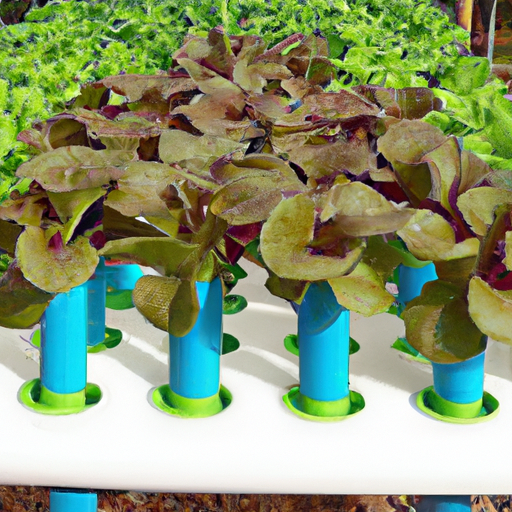
In this article, we’ll be exploring the fascinating world of hydroponic gardening using the Kratky method. You’ll discover how this method works and why it has gained popularity among both beginner and experienced gardeners. We’ll also discuss the benefits of using this method, including its simplicity and low maintenance requirements. By the end of this article, you’ll have a clear understanding of how to start your own hydroponic garden using the Kratky method and enjoy the many rewards it offers.
What is Hydroponic Gardening?
Definition of hydroponic gardening
Hydroponic gardening is a soilless method of growing plants in nutrient-rich water. This innovative gardening technique eliminates the need for traditional soil-based agriculture by providing plants with all the necessary nutrients through a water-based solution. The plants are typically grown in containers or hydroponic systems, which ensure optimal water and nutrient distribution. This method of gardening offers a sustainable and efficient way to grow a wide range of crops, making it ideal for both commercial and home gardeners.
Advantages of hydroponic gardening
Hydroponic gardening offers several advantages over conventional soil-based gardening methods. Firstly, it allows plants to have direct access to the nutrients they need for optimal growth. In traditional gardening, plants often have to compete with surrounding vegetation for nutrients, resulting in slower growth and lower yields. With hydroponics, plants receive all the necessary nutrients in a controlled environment, leading to faster growth and higher yields.
Secondly, hydroponic gardening conserves water. Unlike traditional gardening, which relies on soil to retain water, hydroponics uses a closed-loop system that recirculates water and nutrients. This significantly reduces water consumption, making it a more sustainable option for gardening.
Additionally, hydroponic gardening enables year-round cultivation, regardless of weather conditions. By providing plants with a controlled environment, hydroponics eliminates the dependence on seasonal changes and enables gardeners to grow crops throughout the year.
The Kratky Method
Introduction to the Kratky Method
The Kratky Method, developed by Dr. Bernard Kratky, is a simplified form of passive hydroponics. It is a low-cost and beginner-friendly approach to hydroponic gardening that does not require the use of pumps or electricity. The method relies on a reservoir of nutrient solution, which is gradually consumed by the plants as they grow. The plants are placed in containers with their roots submerged in the solution, allowing them to take up water and nutrients as needed. This unique method is particularly suitable for growing leafy greens and herbs.
How the Kratky Method works
The Kratky Method operates on the principle of passive water uptake. As the plants grow, their roots naturally seek out the nutrient-rich solution in the reservoir. The air gap between the solution and the container’s bottom provides the necessary oxygen to the roots, promoting healthy growth. As the plants consume the solution, the water level gradually decreases, creating an air space that prevents root drowning. This method allows for a simplified and hands-off approach to hydroponics, making it accessible to individuals with little to no gardening experience.

Setting up a Hydroponic Garden using the Kratky Method
Choosing the right plants for the Kratky Method
The Kratky Method is best suited for growing small, leafy greens, herbs, and some fruiting plants. Lettuce, spinach, basil, and green onions are popular choices. It is important to select plants that have a relatively short growth cycle and do not require excessive amounts of water. This ensures that the plants can thrive in the limited water supply offered by the Kratky Method.
Preparing the nutrient solution
To prepare the nutrient solution for the Kratky Method, you will need a balanced hydroponic nutrient mix that contains essential minerals and macronutrients. Follow the instructions provided by the manufacturer to dissolve the correct amount of nutrients in water. It is crucial to maintain the correct nutrient concentration in the solution to avoid nutrient deficiencies or toxicity.
Selecting and prepping containers for the Kratky Method
When selecting containers for the Kratky Method, choose ones with a built-in reservoir or use regular containers and create a separate reservoir. The containers should be opaque to prevent algae growth and should be deep enough to accommodate the plant’s roots. Ensure that the containers have drainage holes at the bottom to allow excess solution to drain out, preventing waterlogging.
Before planting, thoroughly clean the containers with a mild disinfectant to eliminate any potential pathogens. Rinse well to remove any residue, ensuring a clean growing environment for your plants.
Step-by-Step Guide to Implementing the Kratky Method
Planting the seeds or seedlings
Start by planting the seeds or seedlings in a sterile growing medium such as rockwool cubes or oasis cubes. Once the seeds have germinated or the seedlings have established roots, transfer them to the selected containers. Gently position the plant’s root system into the container, making sure the roots are fully submerged in the nutrient solution.
Adding the nutrient solution
After planting, fill the container with the prepared nutrient solution until the roots are submerged. Initially, the water level should reach the bottom of the net pot or growing medium. Ensure that the solution does not overflow from the drainage holes. The water level will gradually decrease as the plants consume the solution.
Maintaining water levels and pH
As the water level decreases, monitor and refill the nutrient solution accordingly. It is important to maintain an appropriate water level that ensures the roots remain in contact with the solution. Insufficient water may lead to stunted growth, while excess water can drown the roots.
In addition to water levels, regularly monitor and adjust the pH of the nutrient solution. Most plants thrive in a slightly acidic pH range of 5.5 to 6.5. Use a pH testing kit or meter to check the solution’s pH and adjust it as necessary using pH-up or pH-down solutions.
Monitoring plant growth
Observe your plants regularly for signs of nutrient deficiencies, pests, or diseases. Adjust the nutrient solution and pH levels if necessary. As the plants grow, you may need to provide support, such as trellises or stakes, to ensure they can grow upright.

Benefits of the Kratky Method
Saves water compared to traditional gardening
One of the significant benefits of the Kratky Method is its water-saving capabilities. By using a closed-loop system, water consumption is significantly reduced compared to traditional gardening methods that require consistent watering. This makes the Kratky Method particularly appealing for regions with limited water resources or individuals looking to reduce their water usage.
Requires minimal maintenance
The Kratky Method is designed to be a low-maintenance gardening technique. Unlike other hydroponic systems that require intricate setups and regular monitoring, the Kratky Method only requires occasional refilling of the nutrient solution and pH adjustments. This makes it an excellent option for busy individuals or those with limited gardening experience.
Suitable for small spaces
The Kratky Method can be implemented in various types of containers, making it ideal for individuals with limited gardening space. It can be set up on balconies, patios, or even indoors, allowing individuals living in apartments or urban areas to grow their own fresh produce. This versatility makes the Kratky Method an accessible option for urban gardening enthusiasts.
Common Challenges in Hydroponic Gardening with the Kratky Method
Algae growth
One common challenge in hydroponic gardening, including the Kratky Method, is algae growth. Algae can thrive in the presence of light and nutrients, resulting in green or brown slimy substances in the nutrient solution. To prevent algae growth, ensure that the containers are opaque and block the light from reaching the nutrient solution. Additionally, maintaining proper pH levels and sterilizing the containers regularly can help discourage algae growth.
Controlling nutrient levels
Another challenge in hydroponic gardening is maintaining the correct nutrient levels for optimal plant growth. It is crucial to monitor the nutrient solution’s composition regularly and adjust it based on the plant’s requirements. Nutrient deficiencies or excesses can lead to stunted growth or nutrient toxicity, respectively. Use a reliable nutrient testing kit to monitor the nutrient levels and follow the guidelines provided by the manufacturer to ensure the correct nutrient balance.
Preventing root rot
Root rot is a common issue in hydroponic gardening caused by oxygen deprivation and excess moisture. In the Kratky Method, the water level gradually decreases as the plants consume the solution, creating an air space that prevents root rot. However, it is important to monitor the water levels to avoid the roots drying out or becoming waterlogged. Proper ventilation and maintaining a clean growing environment also help prevent root rot.
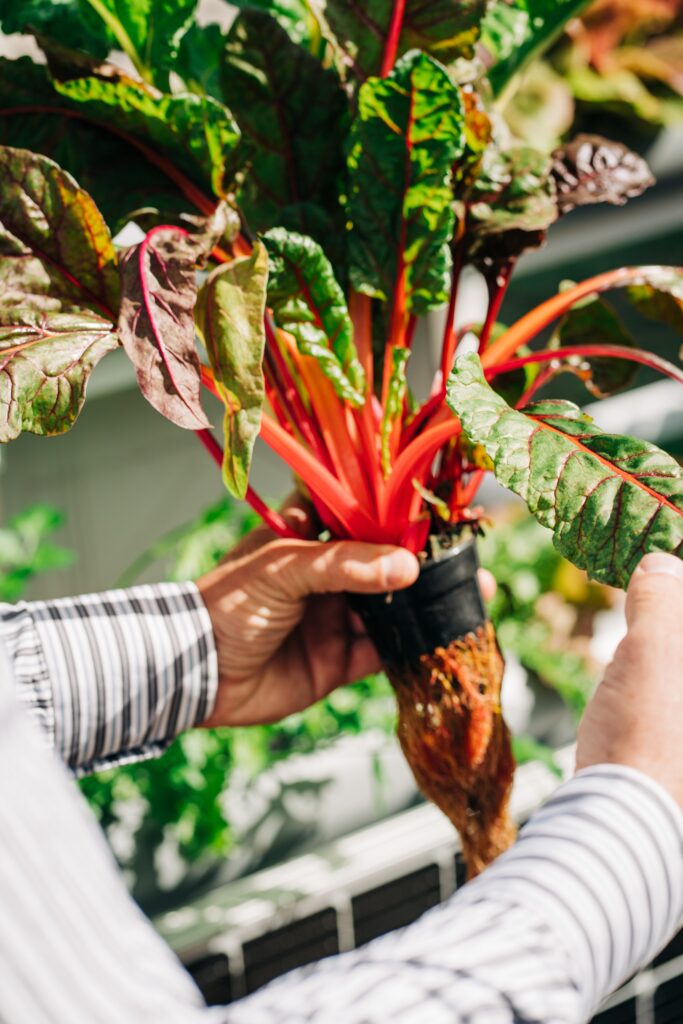
Tips for Success with Hydroponic Gardening using the Kratky Method
Choose the right plant varieties
To maximize your success with the Kratky Method, choose plant varieties that are well-suited for hydroponic gardening. Leafy greens like lettuce, spinach, and kale, as well as herbs like basil and cilantro, are excellent choices. These plants typically have shorter growth cycles and relatively lower water requirements, making them more compatible with the Kratky Method.
Monitor and adjust pH levels regularly
Regular monitoring of the nutrient solution’s pH is essential for maintaining optimal plant health. Hydroponic plants prefer slightly acidic conditions, so monitor the pH and adjust it as necessary using pH-up or pH-down solutions. This ensures that the plants can efficiently absorb the available nutrients and prevents pH-related nutrient deficiencies or toxicities.
Maintain proper air circulation
Proper air circulation is crucial to prevent stagnant air and provide oxygen to the plant’s root system. Place your hydroponic setup in an area with good air movement or use fans to ensure adequate oxygen exchange. This promotes healthy root growth and prevents the occurrence of diseases caused by lack of oxygen.
Comparing the Kratky Method with other Hydroponic Techniques
Differences between the Kratky Method and Deep Water Culture
The Kratky Method and Deep Water Culture (DWC) are both passive hydroponic methods but differ in the way they provide oxygen to the plant roots. In the DWC system, the roots are fully submerged in the nutrient solution, and an air pump is used to supply oxygen. In contrast, the Kratky Method relies on an air gap between the water level and the container’s bottom to provide oxygen. This makes the Kratky Method more suitable for smaller-scale gardening and for plants with shorter growth cycles.
Advantages and disadvantages of different hydroponic techniques
Each hydroponic technique has its own set of advantages and disadvantages. Deep Water Culture (DWC) provides increased oxygenation to the roots but requires a more complex setup with an air pump. Aeroponics allows for maximum oxygen exposure but demands a higher level of maintenance and can be more prone to equipment failure. Nutrient Film Technique (NFT) offers efficient water and nutrient distribution but requires constant monitoring to prevent clogs or leaks. Ebb and Flow systems offer versatility but can be water-intensive. The Kratky Method, on the other hand, offers simplicity and low maintenance but may have limitations in terms of the types of plants that can be grown.
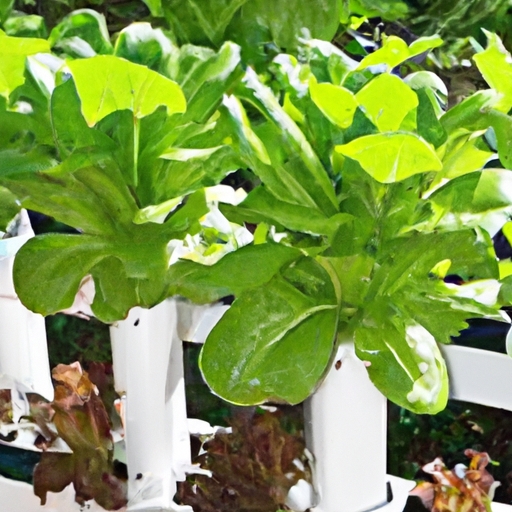
Innovations in Hydroponic Gardening using the Kratky Method
Use of smart technology for monitoring and control
Recent advancements in technology have facilitated the integration of smart monitoring systems into hydroponic setups, including the Kratky Method. These systems utilize sensors and automated controls to monitor water levels, pH levels, and nutrient concentrations. This allows gardeners to remotely monitor and adjust their hydroponic systems, optimizing plant growth and minimizing maintenance requirements.
Integration with aquaponics systems
Aquaponics combines hydroponics with aquaculture, creating a mutually beneficial system where plants and fish coexist. The Kratky Method can be integrated into aquaponics systems, providing a simple and cost-effective way to grow plants while utilizing the nutrient-rich waste produced by the fish. This integration offers a sustainable and organic approach to gardening by minimizing waste and maximizing resource utilization.
Conclusion
Hydroponic gardening using the Kratky Method is a user-friendly and efficient way to grow plants without soil. By providing plants with a balanced nutrient solution and a controlled growing environment, this method allows for faster growth, higher yields, and year-round cultivation. With its simplicity, low maintenance requirements, and water-saving capabilities, the Kratky Method offers a viable solution for individuals looking to engage in sustainable and space-efficient gardening. By following the tips and guidelines provided, you can successfully implement the Kratky Method and enjoy the benefits of hydroponic gardening in your own home.