Hey there! Have you ever wondered if hydroponic gardening can be done on a commercial scale? Well, guess what? In this article, we’re going to dive into this fascinating topic and explore whether it’s possible to grow crops hydroponically in a large-scale, commercial setting. Get ready to discover all the ins and outs of this innovative and sustainable farming method!
If you’re curious to know more about hydroponic gardening on a commercial scale, you’re in the right place. We will explore the advantages and challenges of implementing hydroponics in a commercial setup, discuss the potential for increased crop yields and reduced resource consumption, and highlight some successful examples of large-scale hydroponic farms. So, whether you’re a passionate gardener, a sustainable farming enthusiast, or simply interested in exploring modern agricultural practices, keep reading to learn more about the possibilities and potential of hydroponic gardening on a commercial scale.
Introduction
What is hydroponic gardening?
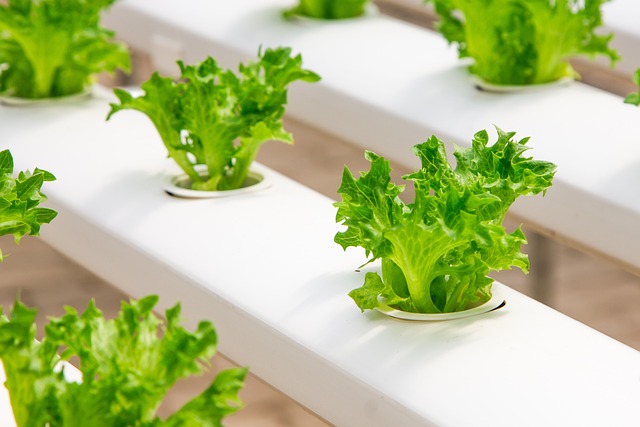
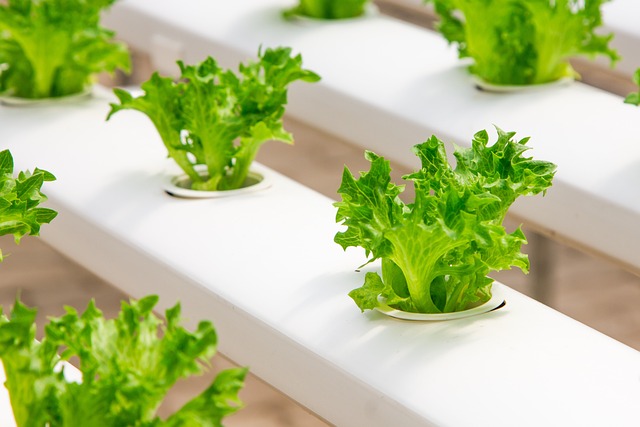
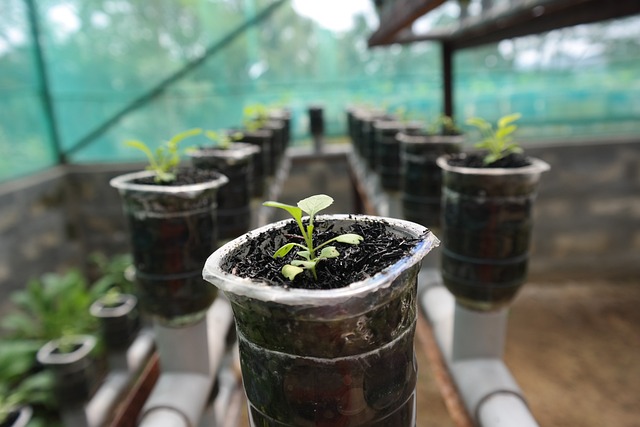
Hydroponic gardening is a method of cultivating plants without using soil. In this system, plants are grown in a nutrient-rich water solution that provides all the necessary elements for their growth. Instead of soil, plants are supported using various mediums such as coconut coir, perlite, or vermiculite. Hydroponics allows for precise control over the growing conditions, resulting in faster growth rates and higher yields compared to traditional soil-based gardening.
Benefits of hydroponic gardening
There are several benefits to hydroponic gardening, which make it an attractive option for commercial-scale cultivation. Firstly, hydroponics requires less space compared to traditional soil-based methods. Since plants are grown in a water-based medium, they can be grown in vertically stacked systems, maximizing the use of available space.
Secondly, hydroponic gardening eliminates the need for soil, reducing the risk of soil-borne diseases and pests. This significantly reduces the need for chemical pesticides, resulting in a healthier and more sustainable system.
Furthermore, hydroponics allows for precise control over the nutrient composition, pH levels, and water supply. This enables growers to optimize plant growth and tailor the nutrient solution to meet the specific requirements of different plant varieties.
Lastly, hydroponic systems are highly efficient in their use of water and nutrients. The recirculating water systems used in hydroponics require up to 90% less water compared to traditional soil-based farming. Additionally, the nutrient solution can be continuously recycled, further reducing inputs and environmental impact.
Commercial scale hydroponic gardening
Definition of commercial scale
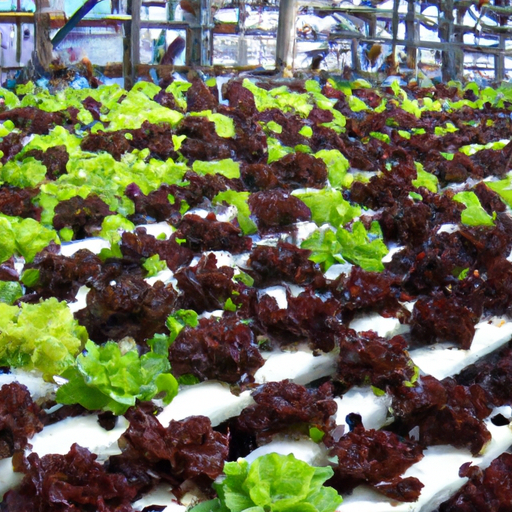
Commercial scale hydroponic gardening refers to the large-scale cultivation of plants using hydroponic systems for commercial purposes. This includes the production of crops for market sale, as well as supplying restaurants, grocery stores, and other businesses with fresh, locally-grown produce.
Advantages of commercial scale hydroponic gardening
There are several advantages of commercial scale hydroponic gardening that make it an increasingly popular choice for entrepreneurs and farmers looking to enter the agricultural industry.
Firstly, hydroponics allows for year-round cultivation, regardless of seasonal variations or geographical location. The controlled indoor environment provides optimal growing conditions, ensuring a consistent supply of fresh produce throughout the year. This is especially advantageous in areas with harsh climates or limited arable land.
Secondly, hydroponic systems are designed to maximize space utilization, making them ideal for urban farming and vertical agriculture. By utilizing vertical grow systems, hydroponic gardens can produce a higher yield per square foot compared to traditional soil-based farming, making them highly cost-effective.
Lastly, the absence of soil in hydroponic systems eliminates the risk of soil-borne diseases and pests, reducing the need for chemical pesticides and herbicides. This not only enhances the quality and flavor of the produce but also makes it more appealing to health-conscious consumers.
Requirements for commercial scale hydroponic gardening
Space and infrastructure
One of the key requirements for commercial scale hydroponic gardening is sufficient space and suitable infrastructure. Depending on the scale of the operation, the space needed can vary greatly. Indoor hydroponic farms generally require large buildings or warehouses equipped with climate control systems, lighting fixtures, and irrigation setups.
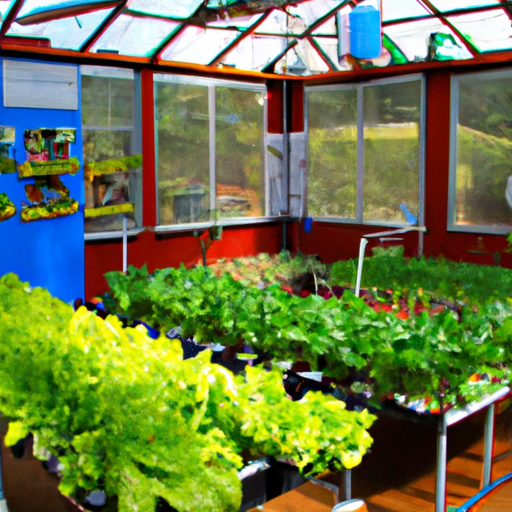
Outdoor commercial hydroponic farms may require greenhouse structures to protect the crops from adverse weather conditions and to provide controlled environments. Additionally, proper ventilation systems and humidity control measures are necessary to maintain optimal growing conditions.
Investment and funding
Commercial scale hydroponic gardening can require significant upfront investment. The costs associated with setting up a hydroponic farm include acquiring the necessary infrastructure, purchasing high-quality equipment, and sourcing the required technology.
Securing funding for commercial hydroponic ventures can be challenging, as not all financial institutions may be familiar with this specialized industry. However, there are funding options available, including government grants, agricultural loan programs, and private investors interested in sustainable agriculture.
Equipment and technology
Commercial scale hydroponic gardening relies heavily on advanced equipment and technology to optimize plant growth and maximize yields. The key equipment required includes grow lights, irrigation systems, nutrient dosing systems, pH monitoring and adjustment systems, and climate control systems.
Additionally, monitoring and automation technology play a crucial role in managing a commercial hydroponic farm. These technologies allow growers to remotely monitor and regulate the environmental conditions, nutrient levels, and overall health of the plants, ensuring optimal growth and productivity.
Crop selection for commercial scale hydroponics
Factors to consider when selecting crops
When selecting crops for commercial hydroponic cultivation, several factors need to be considered. Firstly, the demand and marketability of the crop should be analyzed. It is important to choose crops that have a high demand and are profitable in the market.
Secondly, the suitability of the crop for hydroponic cultivation should be assessed. Certain crops, such as leafy greens, herbs, and tomatoes, are well-suited for hydroponics due to their fast growth rates, high yields, and adaptability to controlled environments.
Lastly, the logistics and feasibility of growing the crop on a large scale should be taken into consideration. Factors such as crop spacing, growth habits, and the availability of suitable cultivars can impact the success and efficiency of the hydroponic system.
High-value crops for commercial hydroponics
Certain crops tend to yield higher returns in hydroponic cultivation due to their market value and demand. High-value crops such as microgreens, gourmet herbs, exotic salad greens, and specialty tomatoes are popular choices for commercial hydroponic farmers.
Microgreens, for example, are considered a delicacy and command premium prices in the market. These young, tender greens are harvested at an early stage and are rich in flavor and nutrients. Gourmet herbs, such as basil, cilantro, and mint, are also in high demand and are commonly used in the culinary industry.
Exotic salad greens, such as arugula, mizuna, and mustard greens, are sought after by health-conscious consumers looking for unique and flavorful salad options. Specialty tomatoes, such as heirlooms and cherry tomatoes, are also popular choices for hydroponic cultivation due to their superior taste, texture, and appearance.
Design and layout of commercial hydroponic gardens
Optimal design for efficient production
The design and layout of a commercial hydroponic garden play a critical role in maximizing production efficiency. It is important to optimize the use of available space, ensure proper air circulation, and facilitate easy access for maintenance and harvesting.
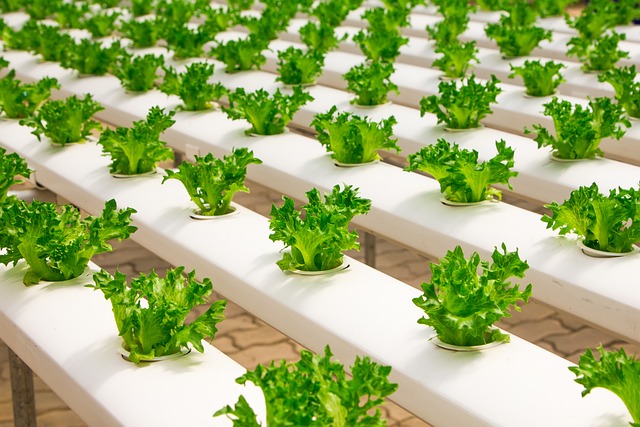
Vertical grow systems, such as vertical towers or stacked trays, are commonly used in commercial hydroponics to maximize space utilization. These systems allow for a high density of plant growth while minimizing the footprint.
Additionally, the use of automation and vertical racking systems can streamline the workflow and reduce labor costs. This allows for efficient management of multiple crop cycles and ensures the continuous supply of fresh produce.
Considerations for crop rotation and spacing
Crop rotation and proper spacing between plants are essential for maintaining the health and productivity of the hydroponic garden. Crop rotation helps prevent the buildup of pests and diseases and allows for the replenishment of nutrients in the growing medium.
Proper spacing ensures adequate airflow and light penetration, reducing the risk of fungal diseases and promoting uniform growth. Each crop has specific spacing requirements, and growers must adhere to these guidelines to achieve optimal results.
Controlling environmental factors in commercial hydroponic gardens
Temperature and humidity control
Controlling temperature and humidity levels is crucial for the success of commercial hydroponic gardens. Most plants thrive within certain temperature and humidity ranges, and maintaining these conditions ensures optimal growth and productivity.
Temperature control can be achieved through the use of climate control systems, such as heating and cooling systems, ventilation fans, and insulation materials. Additionally, the use of shading and cooling techniques, such as misting systems or evaporative cooling, can help regulate temperature in greenhouse environments.
Humidity control is equally important, especially in closed indoor environments. High humidity levels can lead to condensation and the growth of mold and fungal diseases. Dehumidifiers and ventilation systems can help maintain optimal humidity levels and prevent moisture-related issues.
Lighting requirements
Light is a critical factor in hydroponic cultivation, as plants rely on it for photosynthesis and growth. Commercial hydroponic gardens often use artificial lighting systems to provide the necessary light for plant growth, especially in indoor settings.
LED grow lights are the most commonly used artificial lighting source for hydroponics, as they are energy-efficient and can be customized to emit the specific light spectrum required by different crops at each growth stage. Lighting systems can be automated to provide the appropriate duration and intensity of light, mimicking natural sunlight and promoting optimal plant growth.
Nutrient and pH management
Hydroponic plants rely on a carefully balanced nutrient solution for their growth and development. Managing the nutrient composition and pH levels of the solution is crucial to ensure that plants receive all the necessary elements in the correct proportions.
Commercial hydroponic gardens use automated nutrient dosing systems to maintain the ideal nutrient solution. These systems precisely measure and adjust the nutrient levels based on the specific requirements of each crop. Regular monitoring of nutrient levels and pH is essential to prevent nutrient deficiencies or toxicities that can negatively impact plant health and productivity.
Pest and disease management in commercial hydroponics
Prevention measures
Prevention is key to pest and disease management in commercial hydroponic gardens. Implementing strict hygiene practices, such as regular cleaning and disinfection of equipment and growing surfaces, can help reduce the risk of introducing pests or diseases.
In addition, implementing strict protocols for employee hygiene, such as handwashing and the use of protective clothing, can help prevent the introduction and spread of pests and diseases.
Furthermore, the use of physical barriers, such as insect screens or netting, can prevent pests from entering the growing area and damaging the crops.
Natural pest control methods
In commercial hydroponic gardens, the use of chemical pesticides is minimized or eliminated altogether due to the absence of soil and the potential impact on the nutrient solution. Instead, natural pest control methods are preferred, such as the introduction of beneficial insects or the use of biological control agents.
Beneficial insects, such as ladybugs and predatory mites, can be introduced into the hydroponic system to control common pests like aphids or spider mites. Biological control agents, such as beneficial nematodes or fungi, can also be used to target specific pests or diseases.
Regular monitoring and scouting for pests or disease symptoms are essential to detect and address any issues promptly. Early intervention can prevent the spread of pests or diseases and minimize the impact on crop health and productivity.
Harvesting and post-harvest processes
Proper harvesting techniques
Proper harvesting techniques are crucial to maintain the quality and shelf life of hydroponically grown produce. Each crop has specific harvesting requirements, such as the stage of maturity or the method of harvest.
For leafy greens and herbs, harvesting is often done by cutting the outer leaves or stems, allowing the inner portion of the plant to continue growing. This method ensures a continuous harvest and promotes the regrowth of the plant.
For fruiting crops, such as tomatoes or cucumbers, the fruit is typically harvested when it reaches the desired size and color. Care must be taken to avoid damaging the plant or the fruit during the harvesting process.
Packaging and storage for commercial distribution
After harvesting, proper packaging and storage methods are essential to maintain the quality and freshness of the produce. Packaging should be designed to protect the produce from physical damage and ensure proper ventilation and moisture control.
For hydroponic produce, it is important to remove any excess moisture from the packaging to prevent the growth of mold or microbial spoilage. Additionally, proper labeling and traceability measures should be implemented to comply with food safety regulations and facilitate efficient distribution.
It is crucial to store the harvested produce in a temperature-controlled environment to prolong shelf life and maintain freshness. Cold storage facilities or refrigeration systems should be used to optimize storage conditions and prevent post-harvest losses.
Market considerations for commercial hydroponics
Identifying target markets
Identifying target markets is an important aspect of commercial hydroponic gardening. Understanding the demand and preferences of consumers can help growers tailor their production to meet the specific needs of the market.
Target markets for hydroponically grown produce can include local restaurants, grocery stores, farmers’ markets, and direct-to-consumer sales. Establishing relationships with potential buyers, such as chefs or produce managers, can help growers secure consistent sales and build a loyal customer base.
Additionally, targeting niche markets, such as organic or specialty produce, can provide growers with a competitive advantage and higher profit margins.
Market demand and pricing strategies
Understanding market demand and pricing strategies is crucial for the success of commercial hydroponic gardening. Market research and analysis should be conducted to identify current trends, competition, and pricing dynamics in the industry.
High-quality, locally grown produce with a consistent supply can command premium prices in the market. However, it is important to strike a balance between profitability and affordability to ensure a competitive edge.
Establishing a strong brand and marketing strategy can also contribute to the success of commercial hydroponic gardening. Highlighting the unique selling points of hydroponically grown produce, such as superior taste, freshness, and sustainability, can attract health-conscious consumers and differentiate the product in the market.
Conclusion
Viability of hydroponic gardening on a commercial scale
The viability of hydroponic gardening on a commercial scale is increasingly evident as more growers and entrepreneurs embrace this innovative method of cultivation. The benefits of hydroponics, such as higher yields, year-round production, and resource efficiency, make it an attractive option for commercial farming.
While there are initial investment costs and specific requirements to consider, commercial hydroponic gardening offers numerous advantages over traditional soil-based farming. With proper planning, implementation of advanced technology, and careful crop selection, hydroponic gardens can be highly productive and profitable.
Future prospects for commercial hydroponics
The future prospects for commercial hydroponics are promising, as the demand for fresh, locally-grown produce continues to rise. As consumers become more conscious of the environmental impact of traditional agriculture and the importance of food security, commercial hydroponic gardens offer a sustainable solution with a reduced carbon footprint.
The advancement of technology, equipment, and automation in the hydroponic industry will further enhance productivity and efficiency, making it easier for growers to adopt and scale up their operations.
In conclusion, hydroponic gardening can be successfully done on a commercial scale, providing an environmentally-friendly and economically-sound alternative to traditional farming. With proper planning, investment, and a focus on market demand, hydroponic gardens have the potential to revolutionize the agricultural industry and contribute to a more sustainable future.