



Have you ever wondered if you can use organic nutrients in a hydroponic setup? Well, you’re in luck because we’re going to dive into that very topic in this article. Whether you’re a seasoned hydroponic gardener or just starting out, understanding the benefits and limitations of using organic nutrients in hydroponics can help you make informed decisions about what to feed your plants. So, if you’re curious about the world of organic nutrients and how they can be incorporated into your hydroponic system, keep reading!
In this article, we will explore the advantages and challenges of using organic nutrients in a hydroponic setup. We’ll discuss what organic nutrients are, why they are popular among organic growers, and how they can affect plant growth and nutrient uptake. Additionally, we’ll address some common misconceptions and concerns about using organic nutrients in a hydroponic system and provide tips for successfully incorporating them into your setup. By the end of this article, you’ll have a better understanding of whether using organic nutrients in your hydroponic garden is the right choice for you. So, let’s get started and unlock the secrets of organic hydroponics together!
What is a hydroponic setup?
Definition of hydroponics
Hydroponics is a method of growing plants without soil. Instead, plants are grown in water that contains a mixture of essential nutrients needed for their growth. This method allows plants to receive nutrients directly, without the need for soil to provide them.
Benefits of hydroponics
Hydroponics offers a range of benefits for plant growth. Firstly, it allows for greater control over the nutrient balance, pH levels, and water supply, ensuring optimal conditions for plant growth. Additionally, hydroponics eliminates the need for soil, reducing the risk of soil-borne diseases and pests. Furthermore, hydroponics can result in faster growth, higher yields, and more efficient water usage compared to traditional soil-based growing methods.
What are organic nutrients?
Definition of organic nutrients
Organic nutrients, as the name suggests, are derived from organic sources. They are often derived from plant or animal waste, providing a natural source of essential nutrients for plant growth. Organic nutrients include elements such as nitrogen, phosphorus, potassium, and a range of micro-nutrients required for healthy plant development.
Types of organic nutrients
Organic nutrients can be classified into two main types: liquid and solid. Liquid organic nutrients are often in the form of a concentrated solution that can be easily mixed with water for application to hydroponic plants. Solid organic nutrients, on the other hand, are typically in the form of compost, worm castings, or other organic matter that can be added to the growing medium to provide a slow-release source of nutrients.

Compatibility of organic nutrients with hydroponic setup
Difference between organic and synthetic nutrients
One of the main differences between organic and synthetic nutrients is their source. Organic nutrients are derived from natural sources, while synthetic nutrients are chemically synthesized in a laboratory. This difference in source can result in variations in nutrient availability, nutrient ratios, and the overall composition of the nutrient solution.
Challenges of using organic nutrients in hydroponics
Using organic nutrients in a hydroponic setup can present some challenges. Organic nutrients are often less soluble and may require additional steps, such as filtering or straining, to remove any solid particles. Additionally, the slower release of nutrients from organic sources may require more frequent monitoring and adjustment of the nutrient solution to maintain optimal nutrient levels for plant growth.
Benefits of using organic nutrients in hydroponics
Despite the challenges, many hydroponic growers choose to use organic nutrients for their numerous benefits. Organic nutrients can contribute to improved taste and flavor in harvested crops, making them popular among enthusiasts of organic and high-quality produce. Furthermore, organic nutrients promote microbial activity in the root zone, which can enhance nutrient uptake and overall plant health.
Methods to use organic nutrients in hydroponic setup
Choosing the right organic nutrients
When using organic nutrients in a hydroponic setup, it is essential to select products specifically formulated for hydroponics. Look for organic nutrient solutions that are free from harmful chemicals and have a balanced nutrient profile suitable for hydroponic plants.
Preparing organic nutrient solution
To prepare an organic nutrient solution, follow the instructions provided by the manufacturer. Generally, liquid organic nutrients can be mixed with water according to the recommended dilution rate. It is crucial to check the pH levels of the solution to ensure it falls within the optimal range for plant absorption.
Feeding organic nutrients to hydroponic plants
Feed hydroponic plants with the organic nutrient solution at regular intervals, ensuring that the root zone receives an adequate supply of nutrients. Monitor the nutrient solution’s strength and adjust as necessary to maintain optimal nutrient levels throughout the growing cycle.
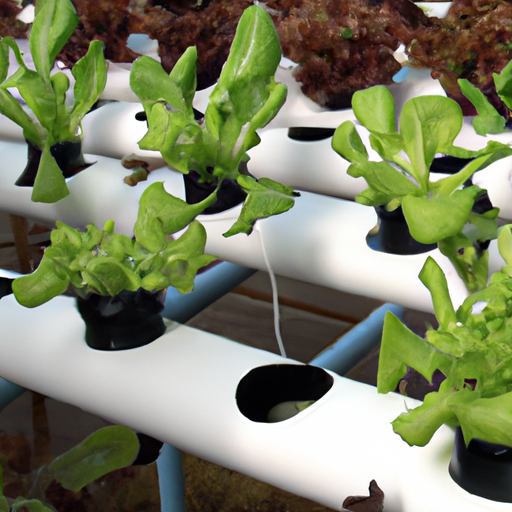
Best organic nutrients for hydroponic setup
Top organic nutrient brands for hydroponics
There are several reputable organic nutrient brands available for hydroponic growers. Some popular brands include General Hydroponics, Advanced Nutrients, and FoxFarm. These brands offer a range of organic nutrient solutions tailored to different stages of plant growth and specific crop types.
Specific organic nutrients for different plant types
Certain organic nutrient formulations are designed to meet the specific nutrient requirements of different plant types. For example, leafy greens may benefit from a nutrient solution high in nitrogen, while flowering plants may require higher levels of phosphorus and potassium.
Dos and don’ts of using organic nutrients in hydroponics
Dos of using organic nutrients
- Do research and choose organic nutrients specifically formulated for hydroponics.
- Do follow the instructions provided by the manufacturer regarding the recommended nutrient ratios and application rates.
- Do monitor the pH levels and adjust as necessary to maintain optimal nutrient uptake.
- Do regularly check the strength of the nutrient solution and adjust accordingly.
- Do strive for a balanced nutrient profile to ensure healthy and vigorous plant growth.
Don’ts of using organic nutrients
- Don’t mix organic nutrients with synthetic nutrients, as this may result in imbalanced nutrient ratios or nutrient precipitation.
- Don’t overfeed plants with organic nutrients, as this can lead to nutrient toxicity or nutrient imbalances.
- Don’t neglect monitoring and adjusting the nutrient solution to maintain optimal nutrient levels for plant growth.
- Don’t overlook the importance of maintaining proper pH levels for efficient nutrient uptake.
Impact of organic nutrients on hydroponic plants
Effects of organic nutrients on plant growth
Organic nutrients can have a positive impact on hydroponic plants. They provide a source of slow-release nutrients, promoting healthy root development and overall plant growth. The presence of organic matter in the nutrient solution also fosters beneficial microbial activity, enhancing nutrient availability and uptake by the plants.
Environmental benefits of using organic nutrients
Using organic nutrients in hydroponics can also have environmental benefits. Organic nutrient sources are often derived from renewable and sustainable sources, reducing the reliance on synthetic fertilizers. Additionally, the use of organic nutrients can help reduce nutrient runoff and minimize the environmental impact associated with traditional agriculture.
Comparing organic and synthetic nutrients in hydroponics
Advantages and disadvantages of organic nutrients
Advantages:
- Organic nutrients can enhance the taste, flavor, and overall quality of harvested crops.
- The slow-release nature of organic nutrients provides a steady supply of nutrients over time.
- Organic nutrients promote beneficial microbial activity in the root zone.
Disadvantages:
- Organic nutrients may require more frequent monitoring and adjustment of the nutrient solution.
- They can be less soluble, requiring additional steps such as filtering or straining to remove solid particles.
Advantages and disadvantages of synthetic nutrients
Advantages:
- Synthetic nutrients are often readily available and more easily soluble in water.
- They allow for precise control over nutrient ratios and concentrations.
- Synthetic nutrients can provide a rapid and targeted nutrient supply to plants.
Disadvantages:
- Synthetic nutrients may lack the additional benefits associated with organic nutrients, such as improved taste and microbial activity.
- Overuse of synthetic nutrients can lead to nutrient imbalances or toxicities.
Case studies of using organic nutrients in hydroponics
Successful examples of using organic nutrients
Many hydroponic growers have achieved excellent results using organic nutrients. The use of organic nutrients in hydroponic systems has resulted in increased yields, improved plant health, and high-quality produce.
Challenges faced and lessons learned
While organic nutrients offer numerous benefits, hydroponic growers may face challenges when incorporating them into their systems. These challenges can include nutrient precipitation, clogging of irrigation equipment, and the need for more frequent monitoring and adjustment of the nutrient solution. However, with proper planning and attention to detail, these challenges can be overcome.
Conclusion
Summary of the key findings
In summary, it is possible to use organic nutrients in a hydroponic setup. While organic nutrients may present some challenges, they offer unique benefits such as improved taste, microbial activity, and environmental sustainability. By choosing the right organic nutrients, preparing the nutrient solution correctly, and monitoring nutrient levels, hydroponic growers can successfully utilize organic nutrients to achieve healthy plant growth and high-quality yields.
Final thoughts on using organic nutrients in hydroponics
Using organic nutrients in a hydroponic setup can be a rewarding experience. Not only do organic nutrients contribute to sustainable agriculture practices, but they also provide an opportunity to grow high-quality, flavorful produce. By understanding the compatibility, methods, and dos and don’ts of using organic nutrients, you can confidently incorporate them into your hydroponic system and enjoy the benefits they bring to your plants and the environment.


