


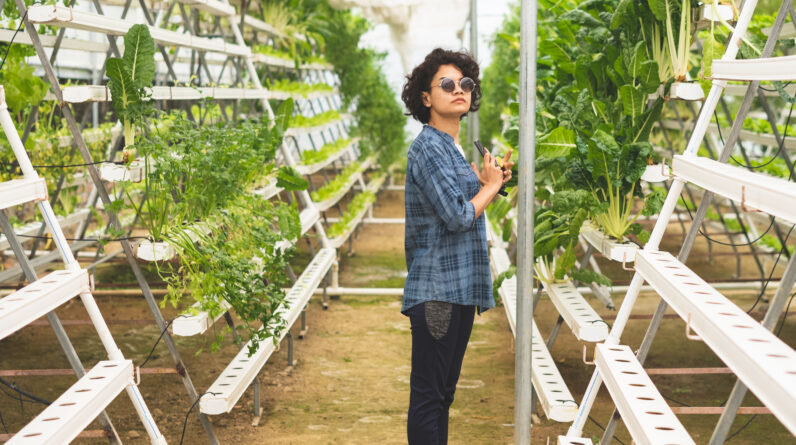
Are you interested in starting your own hydroponic garden but unsure of where to begin? Look no further! This article will provide you with a brief introduction to the world of hydroponic gardening and explain how it works. Whether you have a green thumb or are a complete novice, this innovative gardening method offers a convenient and space-saving way to grow plants regardless of your gardening experience or the limitations of your outdoor space. So, let’s dive into the fascinating world of hydroponic gardening and discover all the benefits it has to offer!
Gathering Materials and Equipment
Choosing a Growing System
To start your hydroponic garden, you first need to choose a growing system. There are various options available, such as nutrient film technique (NFT), deep water culture (DWC), and drip systems. Consider factors like space limitations, budget, and personal preference when selecting the best system for your needs.
Selecting a Growing Medium
Next, you’ll need to select a growing medium. Common options include rockwool, perlite, vermiculite, and coconut coir. Each has its advantages and disadvantages, so evaluate factors such as water retention, aeration, and pH neutrality when making your decision.
Procuring Nutrient Solution
A crucial element of hydroponic gardening is the nutrient solution, which provides essential minerals and nutrients to your plants. You can opt for pre-made nutrient solutions or make your own using a combination of mineral salts and water. Ensure the solution is well-balanced in terms of macronutrients and micronutrients for optimal plant growth.
Arranging Lighting and Ventilation
Lighting and ventilation are critical for the success of your hydroponic garden. Select appropriate grow lights based on the type of plants you’re cultivating and ensure they provide sufficient intensity and spectrum. Install proper ventilation to maintain adequate air circulation, preventing the buildup of heat and humidity that can lead to mold or disease.
Setting Up the Hydroponic System
Preparing the Growing Area
Before assembling the growing system, ensure that your chosen area is suitable for hydroponic gardening. It should have ample space, optimal temperature and humidity levels, and access to electricity and water sources. Clear the area of any debris, clean the surfaces, and make necessary adjustments to create an ideal growing environment.
Assembling the Growing System
Follow the instructions provided with your chosen growing system to properly assemble it. This may involve attaching trays, pipes, pumps, and other components depending on the system you’ve selected. Ensure the system is stable and secure, ready to accommodate your plants and the nutrient solution.
Installing Lighting and Ventilation
Place the grow lights in the appropriate positions to provide uniform coverage over your plants. Adjust the height and intensity of the lights as needed, keeping in mind the specific light requirements of the plants you’re growing. Install the ventilation system to ensure proper air exchange, preventing the buildup of excessive heat and humidity.
Mixing Nutrient Solution
Prepare your nutrient solution according to the instructions or recipe for the chosen growing medium. Ensure accurate measurements of the mineral salts or pre-made nutrient solution to maintain the necessary nutrient balance. Mix the solution well, and test its pH and electrical conductivity (EC) levels to ensure they are within the optimal range for your plants.

Selecting and Starting Seeds
Choosing Appropriate Seeds
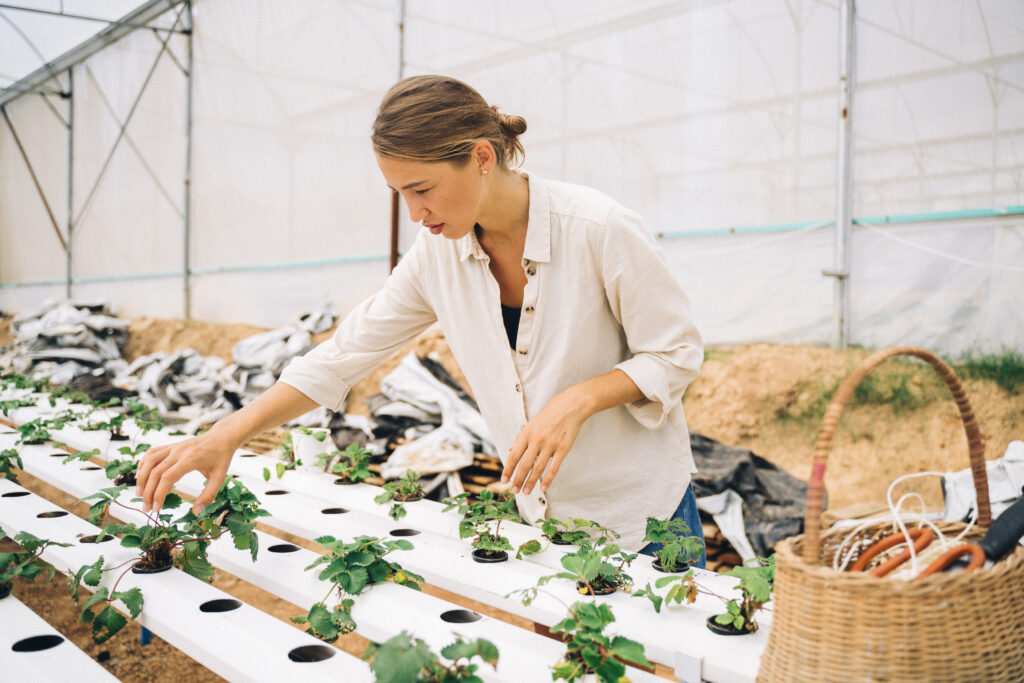
Select seeds that are suitable for hydroponic gardening. Certain crops, such as lettuce, herbs, tomatoes, and strawberries, tend to thrive in hydroponic systems. Consider factors like growth rate, space requirements, and specific nutrient needs when choosing the seeds for your garden.
Starting Seeds in Rockwool
Rockwool is a popular growing medium for starting seeds in hydroponics. Soak the rockwool cubes in pH-balanced water before inserting the seeds. Place one or two seeds in each cube and lightly cover them. Maintain proper moisture levels and provide sufficient lighting to facilitate germination and seedling development.
Germinating Seeds
To ensure successful germination, provide appropriate environmental conditions. Maintain the temperature, humidity, and lighting levels that promote optimal seed germination for the chosen plants. Regularly check the seeds for signs of sprouting, and adjust the growing environment as necessary to support healthy growth.
Transplanting Seedlings
Once the seedlings have developed strong roots and a few sets of true leaves, they can be transplanted into the hydroponic system. Gently remove the seedlings from the rockwool cubes and place them in the growing medium of your chosen system. Ensure a proper spacing arrangement to allow enough room for each plant’s growth.
Caring for Hydroponic Plants
Providing Optimal Lighting
Lighting plays a crucial role in the growth and development of hydroponic plants. Ensure that your plants receive the correct light spectrum and duration based on their specific needs. Adjust the height and intensity of the grow lights as the plants grow to maintain the optimal light levels.
Maintaining Proper Nutrient Levels
Regularly monitor and maintain the nutrient levels in your hydroponic system. Check the nutrient solution’s strength and adjust it as needed to meet the plants’ requirements at different growth stages. Keep in mind that nutrient uptake may vary depending on factors like temperature, humidity, and plant health.
Monitoring pH and EC Levels
Maintaining the proper pH and electrical conductivity (EC) levels is crucial for optimal plant growth in hydroponics. Regularly test the pH and EC of the nutrient solution and adjust them accordingly. Most plants prefer a slightly acidic pH around 5.5 to 6.5, and the EC should be maintained within the recommended range for each crop.
Pruning and Training Plants
Pruning and training techniques help optimize plant growth and yield in hydroponic systems. Regularly remove any dead or decaying leaves, as well as shoots that could shade other parts of the plant. Depending on the type of plant, consider techniques like topping, trellising, or training to encourage proper growth and maximize productivity.
Troubleshooting Common Issues
Identifying Nutrient Deficiencies
Nutrient deficiencies can occur in hydroponic systems, affecting plant growth and health. Learn to recognize the symptoms of common nutrient deficiencies, such as yellowing leaves or stunted growth. Regularly monitor nutrient levels and adjust the solution accordingly to address any deficiencies that arise.
Addressing Pest Problems
Pests can pose significant challenges in hydroponic gardening. Regularly inspect your plants for signs of pests, such as aphids or spider mites, and take appropriate measures to control them. Introduce beneficial insects or use organic pest control methods to minimize the use of chemicals in your garden.
Dealing with pH Imbalances
pH imbalances can disrupt nutrient uptake and affect plant health. Monitor the pH of your nutrient solution regularly and adjust it as needed to maintain the optimal range for your plants. Use pH adjusters, such as pH-up or pH-down solutions, to bring the pH level back to the desired range.
Preventing Mold and Disease
Maintaining proper air circulation and humidity levels can help prevent the growth of mold and the spread of diseases in your hydroponic garden. Regularly inspect your plants for any signs of mold or disease, and promptly remove and dispose of affected plant material to prevent further spread. Implementing good sanitation practices, such as cleaning and sterilizing equipment, can also help prevent disease outbreaks.
Harvesting and Enjoying Your Yield
Determining Harvest Time
Each crop has its own optimal time for harvesting. Pay attention to the specific variety and growth stage of your plants to determine when to harvest. Factors like color, size, and taste can serve as indicators of readiness. Trial and error will also help you find the perfect harvest time for your preferred taste and texture.
Harvesting Leafy Greens and Herbs
When harvesting leafy greens or herbs, use clean scissors or shears to cut the outer leaves or sprigs. Be careful not to damage the remaining portions of the plant that will continue to grow and produce. Immediately place the harvested produce in cool water to maintain freshness until it’s time to consume or store them.
Harvesting Fruiting Plants
Fruiting plants, such as tomatoes or peppers, require a slightly different approach for harvesting. Gently twist or cut the ripe fruits from the plant, leaving a small portion of the stem attached. Avoid excessive handling or squeezing, which can bruise or damage the fruits. Handle them carefully to prevent any post-harvest damage.
Storing and Using Harvested Produce
Properly store the harvested produce to ensure its freshness and longevity. Rinse the harvested plants with clean water to remove any dirt or debris, and gently pat them dry. Store leafy greens and herbs in airtight containers or plastic bags in the refrigerator. Fruiting crops can be stored at room temperature or in the refrigerator, depending on their specific requirements.
Expanding Your Hydroponic Garden
Scaling up the System
If you’re ready to expand your hydroponic garden, consider scaling up the system. Add more growing trays, increase the number of plants, or implement a larger water reservoir. Ensure that you have enough space, adequate lighting, and proper ventilation to support the expansion.
Venturing into New Crops
Once you have gained experience and confidence in hydroponic gardening, consider venturing into new crops. Experiment with different varieties of vegetables, herbs, and even flowers that are suitable for hydroponics. This allows you to diversify your garden and explore new flavors, colors, and textures.
Exploring Different Techniques
Hydroponic gardening offers a wide array of techniques beyond the basic systems. Explore and experiment with different methods, such as aeroponics or aquaponics, to enhance your knowledge and skills. Each technique has its unique advantages and challenges, allowing you to broaden your understanding of hydroponics.
Experimenting with Advanced Setups
For those seeking advanced hydroponic setups, there are numerous options to explore. Consider incorporating advanced techniques like vertical gardening, automated systems, or integrating smart technologies for efficient resource management. Experimentation allows you to push the boundaries and discover new possibilities in hydroponic gardening.
Hydroponic Gardening Tips and Tricks
Maintaining Cleanliness and Hygiene
Keep your hydroponic system clean and free from contaminants. Regularly sanitize and disinfect your growing equipment, trays, and reservoirs to prevent the growth of harmful bacteria or algae. Practice good hygiene by washing your hands thoroughly before handling plants or working on the system.
Managing Air Circulation
Proper air circulation is essential for the health of your plants and prevention of mold or disease. Ensure the ventilation system is functioning optimally, effectively exchanging stale air for fresh air. Consider using fans strategically to improve air movement within the growing area.
Rotating Crops and Succession Planting
To maximize the use of your hydroponic system, practice crop rotation and succession planting. Rotate crops to prevent the buildup of pests or diseases and to optimize nutrient uptake from the growing medium. Succession planting ensures a continuous harvest by planting new crops as others are harvested, allowing for a steady supply of fresh produce.
Recording and Analyzing Data
Maintain records of your hydroponic system’s performance and the specific cultivation techniques you use for each crop. This data will help you track and analyze the success and challenges of your garden, allowing you to make informed decisions for future improvements. Maintain records of nutrient solution changes, pH and EC levels, plant growth, and harvest yields.
Benefits and Risks of Hydroponic Gardening
Advantages of Hydroponics
Hydroponic gardening offers several advantages over traditional soil-based gardening. It allows for precise control of nutrients and water, resulting in faster growth and increased crop yields. Hydroponics also requires less space and water compared to soil gardening and eliminates the risk of soil-borne pests and diseases.
Potential Challenges and Risks
While hydroponic gardening has many benefits, some challenges and risks need consideration. Maintaining proper nutrient balance and pH levels can be a learning process, and system malfunction or power outages can disrupt plant health. Additionally, the upfront costs of setting up a hydroponic system may be higher than traditional gardening methods.
Environmental Impact
Hydroponic gardening has a lower environmental impact compared to traditional gardening practices. It conserves water by recycling the nutrient solution, reduces the need for pesticides and herbicides, and minimizes soil erosion. Hydroponics also allows for year-round gardening, reducing the distance between farm and table and optimizing resource utilization.
Comparison with Traditional Gardening
While hydroponics offers many benefits, traditional gardening methods have their own advantages. Soil-based gardening allows for a more natural and holistic approach, utilizing the complex interactions between plants and beneficial soil microorganisms. Traditional gardening is also often more accessible in terms of cost and knowledge requirements.
Inspiring Examples of Hydroponic Gardens
Vertical Gardens in Urban Spaces
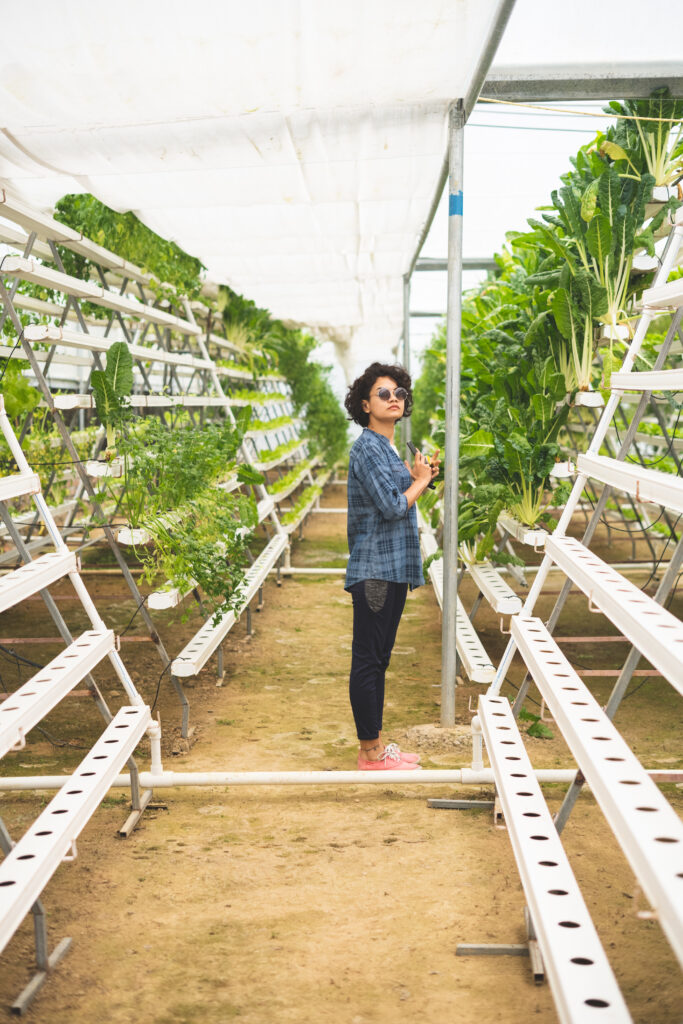
Hydroponic vertical gardens are revolutionizing urban farming. These gardens use vertical space to maximize growing area, making it possible to cultivate a variety of crops in limited spaces like balconies or rooftops. They provide a solution for urban dwellers who lack traditional gardening space but still want to enjoy fresh, homegrown produce.
Commercial Hydroponic Farms
Commercial hydroponic farms are on the rise, offering a sustainable alternative to traditional agriculture. These farms utilize advanced hydroponic systems to provide consistent, high-quality produce year-round. By combining technology and innovative methods, commercial hydroponic farms contribute to local food production and reduce the carbon footprint associated with long-distance transportation.
Educational and Community-Based Projects
Hydroponic gardening has found its place in education and community-based projects. Schools, universities, and community centers are embracing hydroponics as a means to teach students and community members about sustainable agriculture. These projects not only provide hands-on learning experiences but also promote healthy eating habits and food security in local communities.
Home Hydroponic Gardeners
Hydroponic gardening has gained popularity among home gardeners as well. Many enthusiasts are setting up small-scale systems in their homes, allowing them to grow fresh produce year-round. Home hydroponic gardens provide a sense of accomplishment and satisfaction, bringing nature indoors and promoting self-sufficiency in sustainable food production.
By understanding the principles and techniques of hydroponic gardening, you can embark on a rewarding journey of cultivating your own plants without soil. Whether you’re a beginner or an experienced gardener, hydroponics offers a world of possibilities for growing a wide range of crops, nurturing a sustainable lifestyle, and enjoying the benefits of fresh, flavorful produce right at your fingertips.


