Hey there! Have you ever wondered if it’s possible to grow hydroponic plants outdoors? Well, I’ve got some exciting news for you. In this article, we’re going to explore the fascinating world of outdoor hydroponics and find out if it’s a viable option for your gardening adventures.
If you’ve been intrigued by the idea of growing plants without soil and want to try it out in your own backyard, you’re in the right place. We’ll delve into the benefits and challenges of outdoor hydroponics, discuss the different systems and setups you can use, and offer some tips for getting started. So, if you’re curious about this innovative gardening method and want to learn how to grow healthy and thriving plants in a soil-less environment, keep on reading. This article will provide you with all the information you need to get started with outdoor hydroponics.
The Benefits of Hydroponic Gardening
Hydroponic gardening is a method of growing plants without the use of soil. Instead, plants are grown in nutrient-rich water solutions, supported by various mediums such as perlite, coconut coir, or expanded clay pellets. This innovative method offers numerous advantages over traditional soil-based gardening, making it an attractive option for many gardeners.
Elimination of Soil-related Issues
One of the primary benefits of hydroponic gardening is the complete elimination of soil-related issues. Soil-borne diseases, such as root rot and fungal infections, can be a major problem in traditional gardening. By removing the soil from the equation, hydroponic plants are less susceptible to these diseases, resulting in healthier and stronger plants.
Additionally, hydroponic gardening eliminates the need for weeding, as there is no soil for weeds to grow in. This saves you time and effort, allowing you to focus on the growth and care of your plants.
Optimal Use of Water and Nutrients
Another significant advantage of hydroponic gardening is the optimal use of water and nutrients. In traditional gardening, the soil acts as a sponge, absorbing and retaining water, often leading to overwatering or uneven distribution of water in the root zone. With hydroponics, plants receive a constant supply of water and nutrients, ensuring they receive exactly what they need to thrive.
By directly delivering water and nutrients to the plant roots, hydroponic systems can significantly reduce water wastage. In fact, studies have shown that hydroponic gardening uses up to 90% less water compared to traditional soil-based gardening. This makes it an environmentally friendly choice and is particularly beneficial in areas experiencing water scarcity or drought conditions.
Prevention of Pest and Disease Problems
Hydroponic gardening also offers better pest and disease control compared to traditional gardening. Since hydroponic plants are not grown in soil, they are less susceptible to soil-borne pests and pathogens. This reduces the risk of infestations and allows for a healthier growing environment.
Furthermore, hydroponic systems can be easily monitored and controlled, providing an ideal environment for plant growth. This includes regulating factors such as temperature, humidity, and light intensity. By maintaining optimal growing conditions, hydroponic gardens are less likely to experience pest and disease problems, resulting in higher success rates and healthier plants.
Faster Growth and Higher Yields
One of the most exciting benefits of hydroponic gardening is the potential for faster growth and higher yields. Since plants in hydroponic systems receive a constant supply of water, nutrients, and oxygen, they can focus their energy on growth and development rather than searching for resources in the soil.
Studies have shown that hydroponic plants can grow up to 30% faster compared to traditional soil-based plants. This means you can enjoy a bountiful harvest in a shorter amount of time. Additionally, the controlled environment of hydroponics allows for optimal plant development, resulting in higher crop yields. This is particularly advantageous for gardeners with limited space who want to maximize their harvests.
Understanding Hydroponics
Now that you understand the benefits of hydroponic gardening, let’s delve deeper into the world of hydroponics. Understanding the basics will help you make informed decisions and set up a successful hydroponic garden.
Definition of Hydroponics
Hydroponics is a method of growing plants without soil, where the plants’ roots are submerged in a nutrient-rich water solution. The word “hydroponics” comes from the Greek words “hydro,” meaning water, and “ponos,” meaning labor. In hydroponic systems, plants receive their nutrients directly from the water, eliminating the need for soil.
Different Types of Hydroponic Systems
There are various types of hydroponic systems, each with its own advantages and considerations. The most common types include:
- Deep Water Culture (DWC): In this system, plants are suspended over a nutrient-rich water solution, with their roots submerged in the water. It is a simple and low-cost system, suitable for beginners.
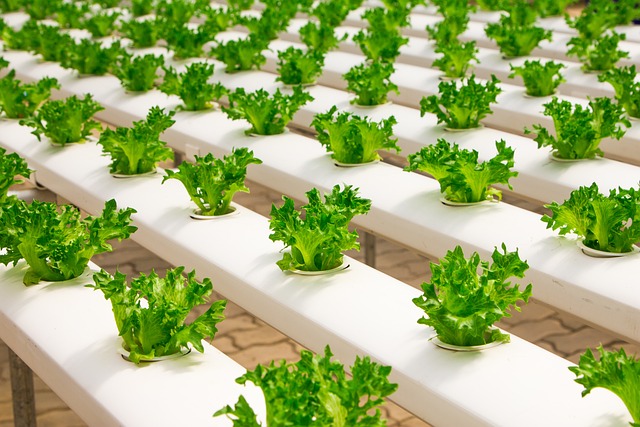
- Nutrient Film Technique (NFT): NFT systems involve a thin film of nutrient-rich water flowing over the plant roots, allowing for constant nutrient uptake. This system requires careful monitoring and maintenance to ensure proper flow and prevent clogs.
- Drip System: This system uses a slow drip to deliver nutrient-rich water to the plant roots. It is one of the most commonly used systems and can be easily customized to accommodate various plant types.
- Aeroponics: In aeroponic systems, plant roots are suspended in the air, and nutrient-rich water is misted directly onto the roots. This system provides excellent oxygenation and can produce rapid plant growth.
Essential Components for Hydroponic Gardening
Regardless of the system you choose, there are a few essential components you will need for successful hydroponic gardening:
- Grow Tray: A grow tray acts as the base for your plants and holds the water and medium that supports the plant roots.
- Reservoir: The reservoir holds the nutrient-rich water solution and provides a continuous supply to the plants.
- Pump and Air Stone: These components ensure proper water circulation and oxygenation, crucial for healthy plant growth.
- pH and EC Tester: Monitoring the pH level (acidity or alkalinity) and electrical conductivity (EC) of your nutrient solution is vital in maintaining a balanced growing environment.
- Grow Lights: If you are growing hydroponic plants indoors or in an area with insufficient natural light, you will need to provide artificial grow lights to support photosynthesis.
By understanding these components, you can choose the right system for your needs and set up your hydroponic garden with confidence.
Challenges of Growing Hydroponic Plants Outdoors
While hydroponic gardening offers numerous benefits, growing hydroponic plants outdoors presents its own set of challenges. It is important to be aware of these challenges and take the necessary steps to overcome them.
Exposure to Weather Conditions
Outdoor hydroponic plants are directly exposed to weather conditions, such as extreme temperatures, heavy rainfall, and strong winds. These environmental factors can have a significant impact on the health and growth of your plants. It is essential to choose plant varieties that are suitable for your climate and take precautions to protect your plants from extreme weather events.
Temperature and Sunlight Regulation
Temperature regulation is crucial for successful outdoor hydroponic gardening. Extreme heat or cold can harm your plants, affecting their growth and overall health. Using shading structures or movable covers can help regulate temperature and protect your plants from direct sunlight during the hottest hours of the day.
On the other hand, providing sufficient sunlight is essential for photosynthesis and healthy plant growth. Ensure your outdoor hydroponic garden receives a minimum of 6-8 hours of direct sunlight per day. If your location does not receive enough sunlight, consider supplementing with artificial grow lights.
Protection Against Pests and Diseases
Outdoor hydroponic gardens are more vulnerable to pest and disease infestations compared to indoor gardens. Common garden pests, such as aphids, snails, and slugs, can quickly damage your plants if not controlled.
Implementing preventive measures, such as installing physical barriers, using organic pest control methods, and regularly monitoring for pest activity, can help minimize the risk of infestations. Additionally, ensuring good airflow and proper hygiene in your garden can prevent the spread of diseases.
Considerations for Outdoor Hydroponic Gardening
To maximize the success of your outdoor hydroponic garden, there are several key considerations to keep in mind. These factors will help determine the suitability of your location and ensure optimal conditions for your plants.
Selection of Appropriate Hydroponic Systems
Not all hydroponic systems are suitable for outdoor gardening. Consider the specific requirements of your chosen system and ensure it is designed to withstand outdoor conditions. Look for systems that are made from weather-resistant materials and can be easily protected from the elements. Additionally, consider factors such as water consumption, ease of maintenance, and compatibility with your plant choices.
Choosing the Right Plants for Outdoor Hydroponics
When selecting plants for outdoor hydroponic gardening, it is important to choose varieties that are well-suited to your specific climate and growing conditions. Look for plants that thrive in your region and are resistant to common pests and diseases. Additionally, consider the available space in your garden and choose plants that will not overcrowd or shade each other.
Providing Proper Nutrient Balance
Maintaining a proper nutrient balance is essential for the health and growth of your hydroponic plants. Outdoor conditions, such as rain and temperature fluctuations, can affect the nutrient levels in your water solution. Regularly monitor and adjust the nutrient levels as needed to ensure optimal plant nutrition. A pH and EC tester will help you measure and maintain the nutrient solution’s balance.
Ensuring Sufficient Water and Oxygen Supply
Water and oxygen are critical for healthy plant growth. Outdoor hydroponic systems may require more frequent monitoring and adjustments compared to indoor systems due to changing weather conditions. Ensure your plants receive a continuous supply of water and that the oxygen levels in the water remain at optimum levels. Consider adding an air stone or increasing aeration during hot weather to prevent oxygen deficiencies.
Requirements for Successful Outdoor Hydroponics
To ensure the success of your outdoor hydroponic garden, certain requirements must be met. These factors influence the overall health and productivity of your plants.
Ample Sunlight
As mentioned earlier, outdoor hydroponic plants require a minimum of 6-8 hours of direct sunlight per day. Before setting up your garden, assess the available sunlight in your chosen location. Avoid areas with excessive shade or obstructions that may hinder sunlight penetration. If your garden receives insufficient sunlight, consider using artificial grow lights to supplement the light requirements of your plants.
Climate Suitability
Different plants have different temperature and climate requirements. Ensure the plants you choose for your outdoor hydroponic garden are well-suited to your local climate. Pay attention to the temperature ranges recommended for each plant variety and consider the average growing season in your area. If your climate is challenging for certain plants, consider using shade structures, fans, or heaters to modify the temperature and create a more favorable growing environment.
Good Ventilation
Proper airflow is vital for outdoor hydroponic gardens. Good ventilation helps prevent the buildup of moisture, which can lead to fungal infections and other plant diseases. Adequate airflow also helps plants exchange gases, ensuring the proper uptake of carbon dioxide for photosynthesis. Position your plants to allow for sufficient spacing and airflow between them. Consider using fans or natural air movement to improve ventilation in your garden.
Setting Up an Outdoor Hydroponic System
Now that you have considered the requirements and challenges of outdoor hydroponic gardening, it’s time to set up your hydroponic system.
Site Selection
Choose a suitable location for your outdoor hydroponic garden. Consider factors such as ample sunlight, protection from extreme weather conditions, and accessibility for maintenance. Avoid low-lying areas that are prone to flooding or areas with excessive shade. Additionally, ensure your chosen site is level and provides sufficient drainage.
Building or Purchasing the Hydroponic System
Once you have selected your site, you can either build your own hydroponic system or purchase a pre-made one. Building your system allows for customization and cost savings, but it requires more effort and knowledge. Pre-made systems, on the other hand, offer convenience and are designed specifically for hydroponic gardening. Choose a system that aligns with your gardening goals and budget.
Preparing the Growing Area
Prepare the growing area by clearing any vegetation, rocks, or debris. Level the ground if necessary and install a weed barrier to prevent weed growth. Consider using raised beds or containers to ensure proper drainage and containment of your hydroponic system.
Installing Necessary Equipment
Follow the instructions provided with your hydroponic system to properly install all the necessary equipment. This may include assembling the grow tray, reservoir, pump, air stone, and any additional components specific to your chosen system. Take the time to ensure everything is securely in place and functioning correctly.
Planting and Caring for Hydroponic Plants Outdoors
Once your hydroponic system is set up, it’s time to start planting and caring for your hydroponic plants outdoors.
Germinating Seeds or Using Seedlings
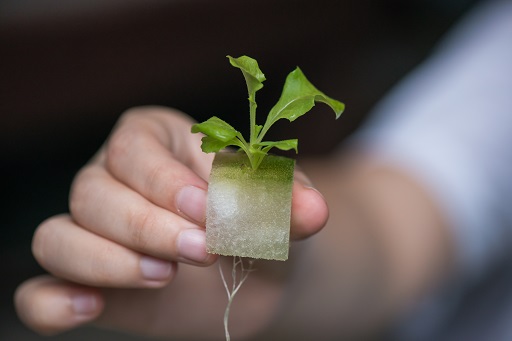
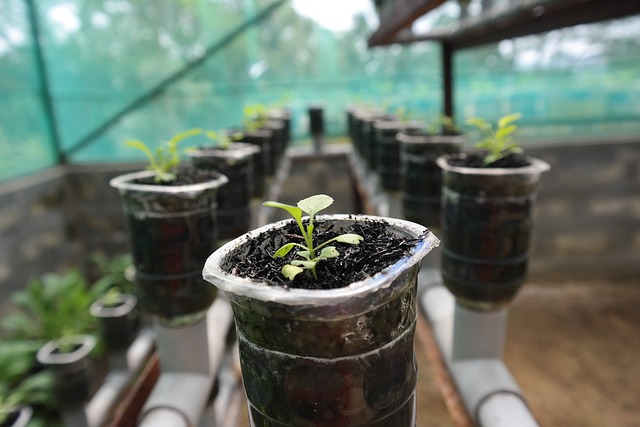
Begin by germinating your chosen seeds or using seedlings. Follow the instructions provided by the seed manufacturer or nursery for the best germination results. Ensure your seeds or seedlings are of good quality and free from pests and diseases. Place the germinated seeds or seedlings in the growing medium of your hydroponic system, ensuring they are properly supported and their roots are in contact with the nutrient-rich water solution.
Transplanting Plants into the Hydroponic System
If you are using seedlings, carefully transplant them into the hydroponic system. Gently remove the seedlings from their containers, taking care not to damage the roots. Place the seedlings in the growing medium, ensuring the roots are fully submerged in the water solution. Secure the seedlings in place to prevent them from floating or shifting within the system.
Monitoring and Adjusting Nutrient Levels
Regularly monitor the nutrient levels in your hydroponic system. Follow the instructions provided by the nutrient manufacturer for proper dosage and frequency of nutrient supplementation. Use your pH and EC tester to measure the pH and electrical conductivity of your water solution. Adjust the nutrient levels as needed to maintain a balanced growing environment.
Regular Maintenance and Troubleshooting
Maintain a regular maintenance routine for your outdoor hydroponic garden. This includes checking and cleaning the system components, removing any debris or dead plant matter, and monitoring for pest and disease activity. If any issues arise, such as nutrient deficiencies or plant stress, troubleshoot the problem promptly to prevent further damage or loss.
Harvesting Hydroponic Crops
After weeks of care and nurturing, it’s time to reap the rewards of your outdoor hydroponic garden with a bountiful harvest.
Determining the Right Time for Harvesting
Each plant variety has its own specific harvest time. Pay attention to the recommended harvesting guidelines for your chosen plants. Factors such as appearance, texture, and taste can help determine the right time for harvesting. Avoid harvesting too early or too late, as this can impact the flavor and quality of your crops.
Harvesting Techniques
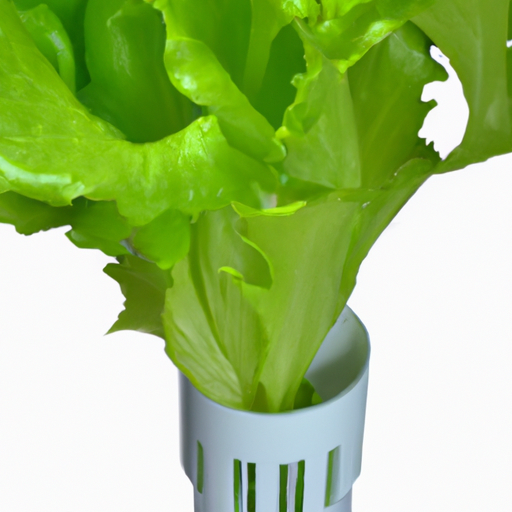
When harvesting your hydroponic crops, use clean and sharp tools to minimize damage to the plants. Follow appropriate harvesting techniques for each type of plant. For leafy greens, such as lettuce or spinach, cut the outer leaves close to the base. For fruiting plants, such as tomatoes or cucumbers, use pruning shears to carefully remove the ripe fruits from the vines.
Post-harvest Handling and Storage
After harvesting, handle your crops with care to ensure their longevity. Immediately rinse the crops with clean water to remove any debris or residue. Store them in appropriate containers or refrigerate them if necessary. Proper post-harvest handling and storage will help maintain the freshness, flavor, and quality of your hydroponic crops.
Success Tips for Outdoor Hydroponic Gardens
To make the most of your outdoor hydroponic garden, consider implementing these success tips:
Regular Monitoring and Maintenance
Regularly monitor your outdoor hydroponic garden for any signs of pest activity, nutrient deficiencies, or other issues. Perform routine maintenance tasks such as cleaning, adjusting nutrient levels, and inspecting system components. Staying proactive and addressing any problems promptly will help ensure the continued success of your garden.
Crop Rotation and Succession Planting
Implement crop rotation and succession planting to maximize your garden’s productivity. Rotate crops to different areas of your hydroponic system to prevent nutrient depletion and reduce the risk of pest and disease buildup. Plan your planting schedule to have a continuous harvest by planting new crops as soon as previous ones are harvested.
Proper Cleaning and Sanitation
Maintain proper cleaning and sanitation practices in your outdoor hydroponic garden. Regularly clean the system components, removing any debris or algae that may accumulate. Use a diluted hydrogen peroxide solution to disinfect the system periodically. Good hygiene practices will help prevent the spread of plant diseases and ensure a healthy growing environment.
Continuous Learning and Experimentation
Stay curious and embrace continuous learning and experimentation in your outdoor hydroponic garden. Attend workshops, read books, and engage with other hydroponic gardeners to expand your knowledge and skills. Experiment with different plant varieties, nutrient formulas, and growing techniques to discover what works best for your unique garden.
Conclusion
Can you grow hydroponic plants outdoors? With proper planning and execution, hydroponic plants can indeed be grown successfully outdoors. The numerous benefits of hydroponic gardening, such as the elimination of soil-related issues, optimal use of water and nutrients, prevention of pest and disease problems, and faster growth with higher yields, make it an attractive option for gardeners.
By understanding the basics of hydroponics, considering the challenges and requirements of outdoor hydroponic gardening, and following the proper steps to set up and care for your garden, you can enjoy the excitement and rewards of growing hydroponic plants outdoors. So go ahead, give it a try and embark on your own hydroponic gardening journey.