Hey there! Have you ever wondered about the different types of hydroponic systems? Well, wonder no more! In this article, we’ll dive into the world of hydroponics and explore the various systems that exist. Whether you’re a beginner looking to start your own hydroponic garden or a seasoned pro wanting to learn something new, this article has got you covered! So sit back, relax, and get ready to discover the fascinating world of hydroponics.
Curious to know more? Well, you’re in luck! In the following paragraphs, we’ll discuss the different types of hydroponic systems in detail. From the traditional Nutrient Film Technique (NFT) to the innovative Aeroponics, you’ll learn about the advantages and disadvantages of each system, as well as their specific requirements and best applications. So, whether you’re interested in growing leafy greens, herbs, or even flowers, this article will provide you with all the information you need to choose the perfect hydroponic system for your needs. Exciting, huh? So, let’s get started and explore the wonderful world of hydroponic systems together!
Hydroponics Overview
What is hydroponics?
Hydroponics is a method of growing plants without soil. Instead, plants are grown in a nutrient-rich water solution that provides all the necessary elements for their growth. This system allows plants to absorb nutrients more efficiently and grow faster, resulting in higher yields compared to traditional soil-based gardening.
Advantages of hydroponics
There are several advantages to using hydroponics for plant cultivation. Firstly, it allows for precise control over the growing conditions, such as temperature, pH level, and nutrient concentration, ensuring optimal growth and productivity. This method also saves water as it requires less than traditional farming methods, making it more environmentally friendly. Additionally, hydroponics eliminates the need for weeding and pest control, reducing the use of harmful chemicals.
Disadvantages of hydroponics
While hydroponics offers many benefits, it also has some drawbacks. One major disadvantage is the initial cost of setting up a hydroponic system, which can be quite expensive compared to traditional gardening methods. The ongoing maintenance and monitoring of the system also require some technical knowledge and expertise. Furthermore, power outages or equipment failures can disrupt the system and potentially damage the plants.
Aeroponics
Definition of aeroponics
Aeroponics is a type of hydroponic system where plants are suspended in the air and the roots are misted with a nutrient-rich solution. This allows the roots to receive a high amount of oxygen, promoting rapid growth and nutrient absorption.
How does aeroponics work?
In an aeroponics system, the plant roots are exposed to the air, which is constantly sprayed with a nutrient solution. This mist provides vital nutrients directly to the roots while also providing oxygen. The roots of the plants are usually suspended in a chamber or a vertical tower, allowing them to receive continuous misting. This method provides excellent aeration and nutrient absorption, resulting in faster growth and healthier plants.
Advantages of aeroponics
Aeroponics offers several advantages over other hydroponic systems. Firstly, it allows for optimal oxygenation of the roots, leading to faster growth and higher yields. This system also minimizes water usage as the misting technique uses significantly less water compared to other hydroponic systems. Additionally, aeroponics eliminates the need for a growing medium like soil or coco peat, making it more lightweight and versatile.
Disadvantages of aeroponics
Despite its benefits, aeroponics has some disadvantages. One of the main challenges is maintaining a consistent misting system. If the misting nozzles become clogged or the pump fails, the plants can quickly suffer from nutrient deficiency. This system also requires regular monitoring and adjustment of the nutrient levels and pH to ensure optimal plant growth. Additionally, the initial setup cost for an aeroponics system can be higher compared to other hydroponic methods.
Drip system
Definition of drip system
A drip system, also known as a drip irrigation system, is a hydroponic method where a slow and controlled amount of nutrient solution is delivered directly to the plant roots. This system uses a network of tubes or pipes with small emitters that drip the nutrient solution onto the root zone.
How does a drip system work?
In a drip system, the nutrient solution is stored in a reservoir and delivered to the plants through a series of tubes or pipes. The tubes have small emitters or drippers that release a controlled amount of the solution near the roots of the plants. The excess solution is collected and recycled back into the reservoir, reducing water waste. This method ensures that the plants receive a consistent supply of nutrients and water.
Advantages of drip system
Drip systems have several advantages over other hydroponic systems. Firstly, they are highly efficient in delivering nutrients directly to the plant roots, minimizing wastage. This method also allows for better control over the nutrient concentration and pH levels, resulting in healthier plants. Drip systems are relatively easy to set up and maintain, making them a popular choice for both beginners and experienced growers.
Disadvantages of drip system
One major disadvantage of drip systems is the potential for clogged emitters or tubes. If debris or sediment enters the system, it can block the flow of the nutrient solution and hinder plant growth. Regular maintenance and cleaning of the emitters are necessary to prevent clogging. Additionally, drip systems can be more labor-intensive compared to other hydroponic methods as they require frequent monitoring and adjustment of the nutrient levels and flow rates.
Ebb and flow system
Definition of ebb and flow system
The ebb and flow system, also known as flood and drain system, is a hydroponic method where the nutrient solution periodically floods the plant roots and then drains away. This mimics natural watering cycles and allows the roots to absorb nutrients and oxygen while preventing waterlogging.
How does an ebb and flow system work?
In an ebb and flow system, the plants are placed in trays or beds that are periodically flooded with the nutrient solution from a reservoir. This flood is controlled by a timer or a pump, ensuring that the plants receive enough nutrient solution without drowning the roots. After a certain duration, the excess solution is drained back into the reservoir, allowing the roots to access oxygen. This cycle repeats at regular intervals, providing the plants with the necessary nutrients and promoting healthy growth.
Advantages of ebb and flow system
The ebb and flow system offers several advantages for hydroponic gardening. Firstly, it provides a good balance between nutrient supply and oxygenation of the roots. This method allows for efficient nutrient absorption and prevents waterlogging, which can lead to root rot. Ebb and flow systems are relatively easy to set up and maintain, making them suitable for beginners. Additionally, this system can be used with a variety of growing mediums, allowing for versatility in plant choices.
Disadvantages of ebb and flow system
One of the challenges of the ebb and flow system is the potential for uneven nutrient distribution. If the trays or beds are not adequately designed or leveled, some plants may receive more or less nutrient solution than others, leading to uneven growth. Additionally, the periodic flooding and draining can create an environment conducive to the growth of algae and pathogens. Regular cleaning and maintenance are necessary to prevent these issues and ensure plant health.
Nutrient film technique (NFT)
Definition of NFT
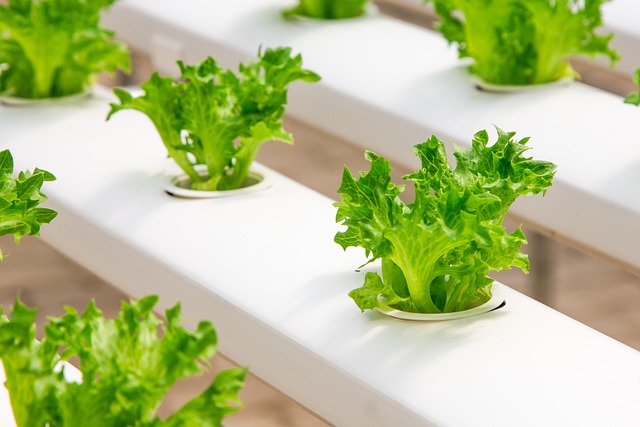
The Nutrient Film Technique (NFT) is a hydroponic method where a thin film of nutrient solution flows continuously over the plant roots, providing a constant supply of nutrients while promoting oxygenation.
How does NFT work?
In an NFT system, plants are placed in a trough or a tube that is slightly tilted to allow a thin film of nutrient solution to flow continuously over the roots. The nutrient solution is pumped from a reservoir to the highest end of the trough and then allowed to flow back to the reservoir through gravity. This constant flow of the solution provides nutrients to the roots while also ensuring that they receive ample oxygen. The excess solution is collected and recirculated back to the reservoir, minimizing wastage.
Advantages of NFT
NFT offers several advantages for hydroponic gardening. Firstly, it provides a highly oxygenated environment for the roots, promoting rapid growth and healthier plants. The continuous flow of the nutrient solution ensures that the plants receive a constant supply of nutrients, eliminating the need for timers or pumps. NFT systems are also relatively easy to set up and maintain, making them suitable for both beginners and experienced growers.
Disadvantages of NFT
Despite its benefits, NFT has some disadvantages. One major concern is the potential for root drying if the flow of the nutrient solution is interrupted. Power outages or equipment failures can disrupt the system and damage the plants. Additionally, NFT systems require precise monitoring and adjustment of the flow rate and nutrient concentration to prevent nutrient deficiencies or imbalances. The narrow channels used in NFT systems can also be prone to clogging if debris or sediment enters the system, requiring regular cleaning and maintenance.
Wick system
Definition of wick system
A wick system is a simple and low-cost hydroponic method where a wick acts as a medium to transport the nutrient solution from a reservoir to the plant roots.
How does a wick system work?
In a wick system, a wick made of a highly absorbent material such as cotton or nylon is used to draw the nutrient solution from the reservoir to the plant roots. One end of the wick is placed in the reservoir, while the other end is placed in contact with the growing medium or the root zone of the plants. The wick absorbs the solution through capillary action and delivers it to the roots, ensuring a constant supply of nutrients. This passive system requires no pumps or timers.
Advantages of wick system
The wick system offers several advantages for hydroponic gardening. Firstly, it is a low-cost and low-maintenance method, making it an accessible option for beginners or those with limited space or resources. The simplicity of the system also makes it reliable and less prone to failures. The wick system is highly versatile and can be used with a variety of growing mediums, allowing for flexibility in plant choices.
Disadvantages of wick system
One of the main disadvantages of the wick system is its limited ability to deliver nutrients efficiently to the plants. The wick can only transport a small amount of solution at a time, which may result in slower growth rates compared to other hydroponic methods. The wick may also become clogged over time, especially with organic nutrients, requiring regular replacement or cleaning. Additionally, the wick system may not be suitable for larger plants with higher nutrient requirements.
Water culture system
Definition of water culture system
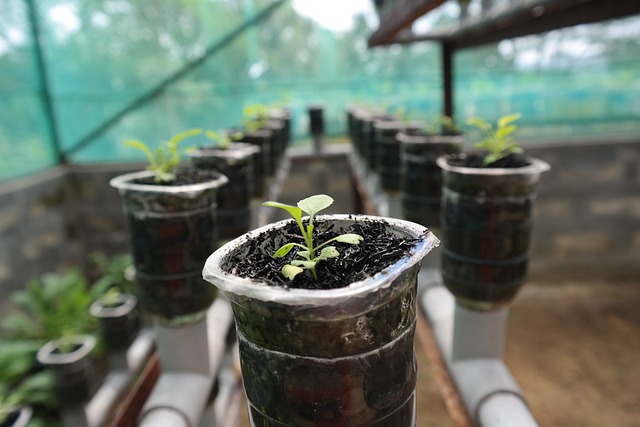
The water culture system, also known as the deep water culture system, is a hydroponic method where the roots of the plants are submerged in a nutrient solution. This allows for direct access to nutrients and oxygen, promoting rapid growth.
How does a water culture system work?
In a water culture system, plants are placed in containers or floating rafts that allow their roots to be submerged in the nutrient solution. An air stone or diffuser is used to provide oxygen to the solution, ensuring that the roots receive ample oxygen. This constant supply of nutrients and oxygen promotes vigorous growth and development. The nutrient solution needs to be regularly monitored and adjusted to maintain optimal levels.
Advantages of water culture system
The water culture system offers several advantages for hydroponic gardening. Firstly, it provides excellent oxygenation of the roots, resulting in faster growth rates and healthier plants. This method is relatively simple and low-cost, making it suitable for beginners or those with limited resources. The water culture system also eliminates the need for a growing medium, reducing the overall weight and maintenance requirements.
Disadvantages of water culture system
One potential disadvantage of the water culture system is the risk of root rot if the roots are constantly submerged without proper aeration. Regular monitoring and adjustment of the oxygen levels are necessary to prevent this issue. Additionally, the water culture system may require a larger initial investment compared to other hydroponic methods, particularly for the setup of aeration equipment. This system may also be less suitable for plants with higher nutrient requirements or those that prefer drier conditions.
Aquaponics
What is aquaponics?
Aquaponics is a combination of aquaculture and hydroponics, where fish and plants are cultivated together in a symbiotic system. The waste produced by the fish provides nutrients for the plants, while the plants filter the water, creating a sustainable and efficient ecosystem.
How does aquaponics work?
In an aquaponics system, fish are raised in tanks or ponds, and their waste, which contains ammonia, is broken down into nitrates by beneficial bacteria. The nutrient-rich water is then circulated to the plant beds, where the plants absorb the nutrients. The plants act as a natural filter, cleaning the water, which is then returned to the fish tanks, completing the cycle. This symbiotic relationship between fish and plants creates a sustainable and eco-friendly system.
Advantages of aquaponics
Aquaponics offers several advantages over traditional farming methods. Firstly, it is a highly resource-efficient system as it requires less water compared to soil-based agriculture. The nutrient cycling in aquaponics eliminates the need for chemical fertilizers, making it environmentally friendly. This system also allows for year-round cultivation and can be scaled up to meet commercial needs. Additionally, aquaponics provides dual outputs of fish and plants, increasing the productivity and diversity of the system.
Disadvantages of aquaponics
Despite its many benefits, aquaponics has some limitations. The initial setup cost for an aquaponics system can be quite high, requiring investment in tanks or ponds, pumps, filters, and monitoring equipment. This system also requires some technical knowledge and expertise to maintain the proper balance between fish and plant health. Additionally, the choice of suitable fish and plants is critical as not all species thrive in an aquaponic environment. Regular monitoring and adjustment of the system are necessary to prevent nutrient imbalances or disease outbreaks.
Comparison of Hydroponic Systems
Cost
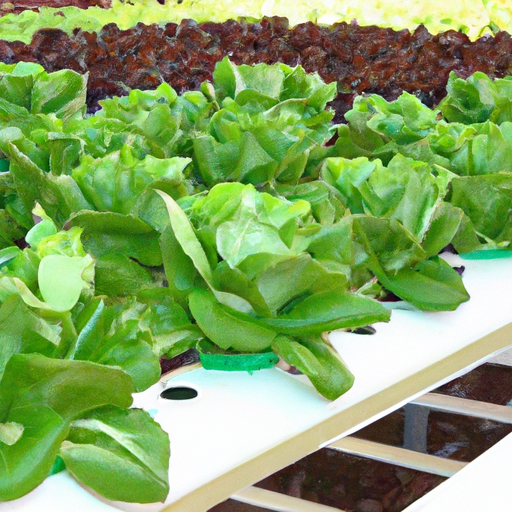
When comparing the cost of different hydroponic systems, factors such as initial setup, maintenance, and operational costs need to be considered. Wick systems and water culture systems are usually the most affordable options, as they require minimal equipment and resources. Drip systems and ebb and flow systems may involve a higher upfront cost due to the need for pumps and timers. Aeroponics and NFT systems can be more expensive to set up, requiring specialized equipment. Aquaponics systems can vary in cost depending on the size and complexity of the setup.
Complexity
The complexity of hydroponic systems can vary, with some being more suitable for beginners and others requiring more technical knowledge and expertise. Wick systems and water culture systems are the simplest and easiest to set up and maintain, making them ideal for beginners. Drip systems and ebb and flow systems are relatively straightforward, although they may require more monitoring and adjustments. Aeroponics, NFT, and aquaponics systems are more complex and may require specialized knowledge and equipment.
Suitability for different plants
Different hydroponic systems have varying suitability for different plant species, as some plants have specific nutrient requirements or may prefer certain growing conditions. Wick systems and water culture systems can be used for a wide range of plants, including leafy greens and herbs. Drip systems and ebb and flow systems are versatile and can accommodate a variety of crops. Aeroponics, NFT, and aquaponics systems are suitable for a wide range of plants but may require more careful monitoring and adjustment of nutrient levels.
Water and nutrient consumption
Hydroponic systems are known for their efficient use of water and nutrients compared to traditional soil-based gardening. Wick systems and water culture systems tend to use less water, as the plants only absorb what they need from a small reservoir. Drip systems, ebb and flow systems, and NFT systems deliver nutrients directly to the root zone, minimizing wastage. Aeroponics and aquaponics systems also excel in water efficiency as they use misting or recirculating water. Overall, hydroponic systems can save up to 90% more water compared to soil-based farming methods.
Maintenance requirements
The maintenance requirements of hydroponic systems can vary, with some systems requiring more frequent monitoring and adjustment. Wick systems and water culture systems are relatively low-maintenance, requiring occasional refilling of nutrient solutions and monitoring of the pH level. Drip systems and ebb and flow systems may require more regular monitoring and cleaning of the emitters or trays. Aeroponics and NFT systems require regular maintenance of misting nozzles and the nutrient solution. Aquaponics systems may require more monitoring and adjustment of fish health and nutrient levels.
Conclusion
In conclusion, hydroponic systems offer a wide range of options for growing plants without soil. Each system has its advantages and disadvantages, and choosing the right system depends on various factors such as cost, complexity, plant suitability, water and nutrient consumption, and maintenance requirements. Wick systems and water culture systems are simple and low-cost, making them accessible for beginners. Drip systems and ebb and flow systems offer a good balance between ease of use and versatility. Aeroponics, NFT, and aquaponics systems are more advanced and efficient but require more technical knowledge and investment. By considering these factors, you can choose the right hydroponic system that best suits your needs and allows you to enjoy the benefits of this innovative gardening method.