


Have you ever wondered what lighting is best for your hydroponic gardens? Well, in this article, we will explore different types of lighting options and help you find the best one for your plants. Whether you are a beginner or an experienced hydroponic gardener, choosing the right lighting is crucial for the growth and development of your plants. So, let’s dive in and learn more about the different lighting options available for your hydroponic gardens.
Curious to know which lighting option will provide the optimal conditions for your plants to thrive? Look no further! In this article, we will discuss the pros and cons of various types of lighting, such as LED, fluorescent, and high-intensity discharge (HID) lights. Understanding the specific lighting needs of your plants is essential to ensure they receive the right amount and quality of light. We will also provide tips on how to properly set up and use each type of lighting, as well as considerations for energy efficiency and cost-effectiveness. By the end of this article, you will have all the knowledge you need to make an informed decision about the best lighting option for your hydroponic gardens.
Introduction
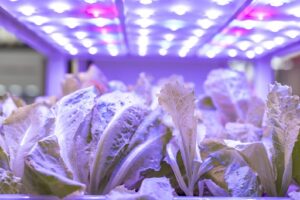
Since hydroponic gardening does not rely on natural sunlight, choosing the right lighting is essential for the success of your indoor garden. The right type of lighting can ensure optimal growth and yield for your plants. In this article, we will explore the different types of lighting options available for hydroponic gardens and discuss the advantages and disadvantages of each.
What is a hydroponic garden?
Before delving into the specifics of lighting, it is important to understand what a hydroponic garden is. Hydroponics is a method of growing plants without soil, using mineral nutrient solutions in water. This method allows for precise control over the plant’s environment, including lighting, temperature, and nutrient supply.
Types of lighting for hydroponic gardens
When it comes to lighting for hydroponic gardens, there are three main options to consider: LED grow lights, fluorescent lights, and high-intensity discharge (HID) lights. Each lighting option has its unique characteristics and advantages.
LED grow lights
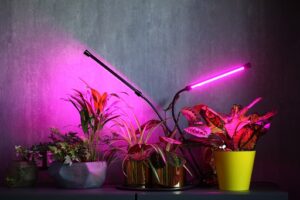
LED grow lights have gained popularity in recent years due to their energy efficiency and versatility. These lights emit light in specific wavelengths, allowing for optimal photosynthesis. LED grow lights come in a variety of spectrums, including full-spectrum and adjustable spectrum options, providing flexibility for different growth stages.
One of the biggest advantages of LED grow lights is their long lifespan. These lights can last up to 50,000 hours, significantly longer than other lighting options. Additionally, LED lights consume less energy, making them more cost-effective in the long run. They also produce less heat, reducing the risk of heat damage to your plants.
Fluorescent lights
Fluorescent lights have been a popular choice for hydroponic gardens for many years. These lights are affordable and easy to install, making them an accessible option for beginners. Fluorescent lights emit a wide spectrum of light, providing the necessary wavelengths for plant growth.
One advantage of fluorescent lights is their low heat output. This makes them ideal for smaller spaces or areas with limited ventilation. They also have a relatively long lifespan, although not as long as LED grow lights. However, one drawback of fluorescent lights is their more narrow light spectrum, which may not be suitable for all stages of plant growth.
High-intensity discharge lights
High-intensity discharge (HID) lights are known for their high light intensity, making them ideal for larger hydroponic gardens. HID lights include metal halide (MH) and high-pressure sodium (HPS) lights. MH lights emit a bluish spectrum, which is suitable for the vegetative stage of plant growth. HPS lights, on the other hand, emit a reddish spectrum, which is ideal for the flowering stage.
One of the advantages of HID lights is their ability to cover a larger area with intense illumination. They are also known for their effectiveness during the flowering stage, producing higher yields. However, HID lights do have their drawbacks. They tend to produce more heat, requiring additional cooling measures. Additionally, they can be more expensive upfront compared to other lighting options.
Factors to consider when choosing lighting
When choosing lighting for your hydroponic garden, there are several factors you should consider to ensure optimal growth and yield for your plants.
Light intensity
Plants require a certain level of light intensity for photosynthesis. Different plants have varying light intensity requirements, so it is essential to choose a lighting option that can provide the necessary intensity for your specific plants.
Light spectrum
The light spectrum refers to the range of wavelengths emitted by a light source. Different stages of plant growth require different light spectra. While some lighting options provide a full spectrum, others may offer adjustable spectrums, allowing you to tailor the light to your plant’s needs.
Energy efficiency
Considering the energy consumption of your lighting system is crucial, especially if you plan on running your hydroponic garden for an extended period. LED grow lights are known for their energy efficiency, consuming less electricity compared to other lighting options.
Heat output
Excessive heat can damage your plants and affect their growth. When choosing lighting for your hydroponic garden, consider the heat output of the system. LED grow lights emit minimal heat, making them a safer option for your plants, especially in smaller or enclosed spaces.
Advantages of LED grow lights
LED grow lights offer several advantages that make them a popular choice among hydroponic gardeners.
Long lifespan
LED grow lights have an impressive lifespan of up to 50,000 hours. This means they can last for many years without needing frequent replacements, making them a cost-effective option in the long run.
Low energy consumption
Compared to other lighting options, LED grow lights consume significantly less energy. This can lead to substantial energy savings over time and lower electricity bills.
Adjustable spectrum
Many LED grow lights offer adjustable spectrums, allowing you to customize the light to meet the specific needs of your plants at different growth stages. This flexibility is beneficial for gardeners who grow a variety of plants with different light requirements.
Low heat production
LED grow lights produce minimal heat, reducing the risk of heat damage to your plants. This is particularly advantageous in smaller or enclosed spaces where heat dissipation can be a challenge.
Advantages of fluorescent lights
Fluorescent lights have their own set of advantages that make them a popular choice for hydroponic gardens.
Affordable
Fluorescent lights are one of the most affordable lighting options available for hydroponic gardens. They provide a cost-effective solution, especially for beginners or gardeners on a tight budget.
Wide light spectrum
Fluorescent lights emit a wide spectrum of light, encompassing the necessary wavelengths for plant growth. This makes them suitable for various stages of plant development, from seedlings to flowering.
Low heat output
Fluorescent lights produce minimal heat compared to other lighting options. This makes them ideal for smaller spaces or areas with limited ventilation, where excessive heat can be detrimental to plant growth.
Advantages of high-intensity discharge lights
High-intensity discharge (HID) lights have distinct advantages, making them suitable for larger hydroponic gardens and specific growth stages.
High light intensity
HID lights are known for their high light intensity, making them ideal for larger hydroponic gardens or areas with multiple plants. They provide ample illumination for optimal plant growth and yield.
Suitable for larger gardens
Due to their high light intensity, HID lights can cover a larger area, making them an excellent choice for larger hydroponic gardens. They ensure that all plants receive sufficient light for healthy growth.
Good for flowering stage
HID lights, particularly high-pressure sodium (HPS) lights, emit a reddish spectrum that is ideal for the flowering stage of plant growth. They promote bud development and can lead to higher yields during this critical stage.
Disadvantages of LED grow lights
While LED grow lights have many advantages, they do have a few disadvantages to consider.
Higher initial cost
LED grow lights tend to have a higher upfront cost compared to other lighting options. However, considering their long lifespan and energy efficiency, the initial investment can be offset in the long run.
Limited coverage area
LED grow lights provide focused illumination, which may result in limited coverage area compared to HID lights. If you have a larger hydroponic garden, you may need multiple LED lights to adequately cover all your plants.
Disadvantages of fluorescent lights
Fluorescent lights, despite their affordability and versatility, also have a few drawbacks to consider.
Shorter lifespan
While fluorescent lights have a relatively long lifespan, they typically need to be replaced more frequently compared to LED grow lights. This can result in additional costs over time, although the affordability of fluorescent lights helps offset this to some extent.
Narrow light spectrum
Fluorescent lights emit a relatively narrow light spectrum compared to other lighting options. While they cover the basic requirements for plant growth, some gardeners may prefer a wider spectrum for optimal results with specific plant varieties.
Conclusion
When it comes to hydroponic gardening, choosing the right lighting is crucial for the success of your indoor garden. LED grow lights, fluorescent lights, and high-intensity discharge lights all have their unique advantages and disadvantages. Consider factors such as light intensity, spectrum, energy efficiency, and heat output when selecting the lighting option that best suits your needs. Whether you opt for LED grow lights for their energy efficiency and long lifespan, fluorescent lights for their affordability and versatility, or high-intensity discharge lights for their high light intensity, make sure to provide your plants with the optimal lighting conditions they require for healthy growth and abundant yields.


