


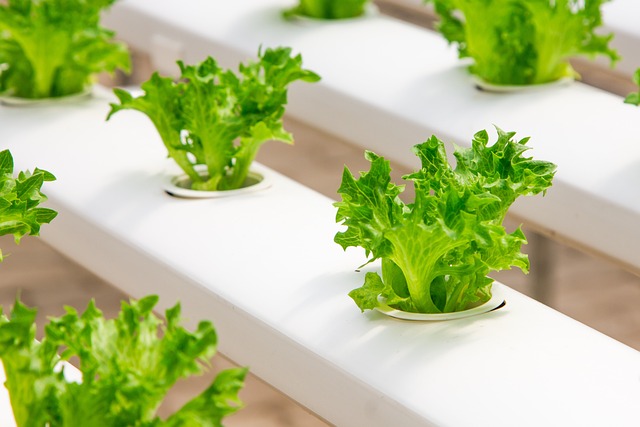
Hey there! Have you ever wondered if hydroponic gardening is more efficient than traditional gardening? Well, you’re in for a treat because we’re about to dive into all the details in this article!
In this article, we will explore the benefits and drawbacks of hydroponic gardening compared to traditional gardening. From water and nutrient usage to space requirements and crop yields, we’ll cover it all. Whether you’re a seasoned gardener looking to try something new or a beginner seeking the most efficient way to grow your own food, this article will provide you with the information you need to make an informed decision. So, stay tuned and get ready to discover whether hydroponic gardening is the right choice for you! Many gardening enthusiasts often find themselves debating between hydroponic gardening and traditional gardening methods. Both approaches have their unique advantages and challenges, making it difficult to determine which one is more efficient. This article aims to explore the various factors that contribute to the efficiency of each method and assist you in making an informed decision based on your specific needs and goals.
Advantages of Hydroponic Gardening
Optimal Nutrient Delivery
One of the key advantages of hydroponic gardening is its ability to provide optimal nutrient delivery to plants. In traditional gardening, plants rely on the nutrients naturally present in the soil. However, hydroponic gardening eliminates the reliance on soil by directly delivering a balanced nutrient solution to the plants’ root systems. This precise delivery ensures that plants receive the necessary nutrients in the right proportions, promoting healthier growth and higher yields.
Water Conservation
Another significant advantage of hydroponic gardening is its superior water conservation capabilities. Traditional gardening often requires larger amounts of water due to evaporation, runoff, and inefficient soil absorption. In contrast, hydroponic systems allow for precise water usage, with some systems using up to 90% less water than traditional methods. The recirculation of water in hydroponic systems minimizes waste, making it an environmentally sustainable choice.
No Weeds or Pests
Hydroponic gardening eliminates the need for intensive weed and pest management. Without soil, there are no nutrients or moisture available for weed growth. Additionally, hydroponic systems are typically grown in controlled environments, minimizing the risk of pest infestations. This reduces the need for herbicides and pesticides, making hydroponic gardening a more environmentally friendly option.
Faster Growth Rates
One of the most notable advantages of hydroponic gardening is its ability to accelerate plant growth. With optimal nutrient delivery, controlled environmental factors, and direct root access to water, plants in hydroponic systems generally grow faster than those in traditional gardening methods. This increased growth rate can be beneficial for commercial purposes, allowing for quicker harvests and a more profitable yield.
Advantages of Traditional Gardening
Natural Soil Composition
Traditional gardening relies on natural soil compositions, which can provide plants with a wide range of nutrients. While hydroponic systems offer precise nutrient delivery, they may not be able to replicate the complexity and diversity of soil composition. Depending on the soil quality and nutrients present, traditional gardening can yield plants with unique flavors and nutritional profiles.
Lower Initial Costs
Compared to hydroponic systems, traditional gardening generally has lower initial costs. Traditional gardeners can utilize existing outdoor spaces, reducing the need for expensive infrastructure and equipment. Seeds and plants can also be obtained at a lower cost compared to the specialized equipment and supplies required for hydroponic gardening. This lower barrier to entry makes traditional gardening accessible to a wider range of individuals.
Suitable for Outdoor Spaces
Traditional gardening is well-suited for outdoor spaces, allowing you to connect with nature and enjoy the therapeutic benefits of gardening. The open-air environment provides plants with ample sunlight, essential for natural growth and photosynthesis. Traditional gardening can also create a visually pleasing landscape, enhancing the aesthetic appeal of your outdoor space.
Higher Plant Variety
While hydroponic systems can grow a wide variety of plants, traditional gardening offers even greater diversity. The natural soil composition and outdoor environment create favorable conditions for a broader range of plant species. Traditional gardeners can grow not only vegetables and herbs but also flowers, shrubs, and trees, allowing for more extensive landscaping possibilities.
Challenges of Hydroponic Gardening
Higher Start-up Costs
One of the primary challenges of hydroponic gardening is the higher start-up costs associated with setting up the infrastructure and purchasing the necessary equipment. Hydroponic systems require specialized equipment such as pumps, grow lights, and nutrient solutions, which can be expensive. Additionally, ongoing expenses such as electricity consumption and maintenance costs contribute to the overall investment required.
Requires Specialized Knowledge
Successfully maintaining a hydroponic system requires a certain level of specialized knowledge. Understanding the principles of hydroponics, managing nutrient solutions, and maintaining optimal conditions can be a steep learning curve for beginners. Without adequate knowledge and experience, the risk of plant failures and suboptimal yields increases.
Dependency on Technology
Hydroponic gardening heavily relies on technology to create and maintain the ideal growing environment. This dependency on technology introduces a potential risk of system failures. Power outages, equipment malfunctions, or mechanical failures can disrupt the delicate balance within a hydroponic system, potentially resulting in crop losses.
Potential System Failures
Hydroponic systems are susceptible to certain risks such as root diseases, nutrient imbalances, and waterborne pathogens. Without proper monitoring and maintenance, these issues can lead to plant failures and reduced yields. Regular monitoring, maintaining water quality, and implementing appropriate pest control measures are essential in ensuring the long-term success of hydroponic gardens.
Challenges of Traditional Gardening
Weed and Pest Management
Traditional gardening methods often require significant efforts in weed and pest management. Weeds can compete with plants for nutrients and space, leading to decreased yields. Additionally, pests such as insects and rodents can damage plants, requiring regular monitoring and the application of appropriate pest control measures.
Water Usage
Traditional gardening can be water-intensive, especially in arid regions or during periods of drought. The use of sprinkler systems or manual watering can result in water wastage through evaporation and runoff. Proper water management strategies, such as mulching and drip irrigation, can help minimize water usage, but it remains a challenge in comparison to the precise water usage of hydroponic systems.
Slow Growth Rates
Plants grown in traditional gardening methods generally have slower growth rates compared to hydroponic systems. The reliance on natural soil conditions and uncontrollable environmental factors can result in variations in growth rates among different plant species. This slower growth may limit the frequency of harvests, impacting overall productivity.
Nutrient Imbalance
Traditional gardening relies on the natural nutrient composition of the soil. However, variations in soil quality and nutrient availability can lead to imbalances, affecting plant growth and overall health. Regular soil testing and the application of fertilizers or amendments may be necessary to address nutrient deficiencies or imbalances.
Comparing Resource Efficiency
Water Usage
When comparing the water usage of hydroponic gardening and traditional gardening, hydroponic systems generally have the advantage of significantly lower water consumption. Hydroponic systems recirculate water, minimizing waste, while traditional gardening methods may result in water loss due to evaporation and runoff.
Fertilizer Usage
Hydroponic systems require a precise balance of nutrients delivered directly to the plants, resulting in reduced fertilizer usage compared to traditional gardening methods. Traditional gardeners often need to apply fertilizers to the soil periodically to ensure plants receive adequate nutrients.
Land Utilization
Hydroponic gardening allows for higher plant densities and vertical growing systems, enabling more efficient land utilization. Traditional gardening methods typically require more expansive plots of land due to various factors, including plant root spread and the need for adequate sunlight.
Energy Consumption
Hydroponic systems, particularly those utilizing artificial lighting, can consume significant amounts of energy compared to traditional gardening methods that rely on natural sunlight. The energy consumption of hydroponic systems should be considered when evaluating overall resource efficiency.
Environmental Impact
Pesticide Usage
Hydroponic gardening has the advantage of minimizing or eliminating the need for chemical pesticides. However, traditional gardening may require the use of pesticides to control pests and diseases, potentially leading to environmental contamination. Organic gardening practices can reduce pesticide usage in traditional gardening but may not completely eliminate the need for pest control.
Soil Erosion
Traditional gardening can cause soil erosion, particularly in regions with steep slopes or poor soil management practices. Erosion can lead to loss of topsoil, reducing soil fertility and overall productivity. Hydroponic gardening eliminates the risk of soil erosion, making it a more sustainable option in terms of soil conservation.
Biodiversity Preservation
While hydroponic gardening can support plant growth, it may lack the ability to contribute to biodiversity preservation compared to traditional gardening methods. Traditional gardens provide habitats for various organisms, including beneficial insects, birds, and small mammals. Traditional gardening can serve as a vital component in preserving local biodiversity.
Carbon Footprint
Assessing the overall carbon footprint of hydroponic gardening and traditional gardening methods can be challenging due to various factors such as energy consumption, transportation of produce, and disposal of waste. Adopting sustainable practices, such as utilizing renewable energy sources and minimizing transportation distances, can help reduce the carbon footprint in both methods.
Considerations for Commercial Applications
Market Demand
When considering hydroponic or traditional gardening for commercial purposes, it is essential to assess market demand. Understanding consumer preferences and market trends can help determine which method is more viable and profitable in your target market.
Scalability
Both hydroponic and traditional gardening methods can be scaled up to meet commercial demands. However, the scalability of hydroponic systems may be more straightforward due to their modular nature, allowing for easy replication and expansion. Traditional gardening methods may require more extensive land acquisitions and infrastructure development for commercial-scale operations.
Cost-Benefit Analysis
Conducting a cost-benefit analysis is crucial when evaluating commercial applications. Consider factors such as initial investment, ongoing operational expenses, labor requirements, and expected yields to determine which method offers a more favorable return on investment.
Space Efficiency
Hydroponic systems, particularly those utilizing vertical farming techniques, offer superior space efficiency compared to traditional gardening methods. Vertical farming allows for the cultivation of crops in stacked layers, maximizing the use of available space and potentially increasing the overall yield per square foot.
Health and Safety Factors
Chemical Exposure
In hydroponic systems, the control exerted on nutrient solutions minimizes the risk of chemical exposure. However, traditional gardening may involve the use of pesticides, herbicides, and fertilizers, requiring proper safety precautions to avoid exposure to potentially harmful chemicals. Organic gardening practices can mitigate the risk of chemical exposure in traditional gardening.
Food Safety Standards
Adhering to food safety standards is crucial for both hydroponic and traditional gardening, especially when cultivating produce for sale or consumption. Proper sanitation and hygiene practices, regular monitoring for contaminants, and maintaining proper temperature control are essential to ensure the safety of the harvested crops.
Crop Contamination
Hydroponic gardening eliminates the risk of soil-borne contaminants, such as heavy metals or pathogens, that may affect traditional gardening methods. However, hydroponic systems can still be susceptible to contamination from water sources, nutrient solutions, or improper handling practices. Regular testing and maintaining strict hygiene protocols are necessary to prevent crop contamination.
Physical Strain
Both hydroponic and traditional gardening methods involve physical labor. However, traditional gardening can be more physically demanding due to tasks such as tilling, weeding, and heavy lifting. Hydroponic systems, particularly those utilizing automated processes, can help minimize physical strain, making it a more suitable option for individuals with limited physical capabilities.
Suitability for Home Gardening
Space Requirements
Hydroponic systems, particularly those utilizing compact designs or vertical farming methods, require less space compared to traditional gardening methods. This makes hydroponic gardening more adaptable to limited space environments, such as urban apartments or small balconies. Traditional gardening methods are more suitable for individuals with access to outdoor spaces and larger garden plots.
Ease of Maintenance
Hydroponic gardening generally requires less maintenance compared to traditional gardening methods. With precise nutrient delivery, reduced weed growth, and fewer pest infestations, hydroponic systems require less time and effort for maintenance tasks. Traditional gardening methods, on the other hand, may involve more manual labor, such as weeding, soil cultivation, and pest management.
Availability of Resources
The availability of resources, such as sunlight, water, and plant supplies, can determine the suitability of a gardening method. Hydroponic gardening requires a reliable supply of electricity for lighting and nutrient pumps. Traditional gardening relies on natural sunlight and access to water sources. Evaluating the availability and accessibility of these resources will help determine the most suitable method.
Aesthetics and Personal Preference
Aesthetics and personal preference play a significant role in determining the most suitable gardening method. Traditional gardening provides a natural and visually appealing landscape, with an authentic connection to the earth. Hydroponic gardening, on the other hand, offers modern and innovative designs, often with a sleek and organized appearance. Personal preference and desired aesthetics should be considered when choosing between the two methods.
Conclusion
In conclusion, determining whether hydroponic gardening is more efficient than traditional gardening depends on various factors. Hydroponic gardening offers advantages such as optimal nutrient delivery, water conservation, and faster growth rates. However, it also comes with challenges such as higher start-up costs, a need for specialized knowledge, and potential system failures.
Traditional gardening offers benefits such as natural soil compositions, lower initial costs, and higher plant variety. However, it has its own challenges such as weed and pest management, water usage, slower growth rates, and nutrient imbalances.
When comparing resource efficiency, hydroponic systems generally excel in water usage, fertilizer usage, land utilization, and energy consumption. Environmental impact considerations include pesticide usage, soil erosion, biodiversity preservation, and carbon footprint.
Specific considerations for commercial applications include market demand, scalability, cost-benefit analysis, and space efficiency. Health and safety factors encompass chemical exposure, food safety standards, crop contamination, and physical strain.
For home gardening, space requirements, ease of maintenance, availability of resources, aesthetics, and personal preference must be considered.
In conclusion, the efficiency of hydroponic gardening versus traditional gardening depends on your specific needs, goals, and the factors outlined above. By carefully evaluating these aspects and considering your own requirements, you can make an informed decision about which method is best suited for you.


