Are you curious about the benefits of hydroponic gardening? Well, you’re in the right place! In this article, we will explore the advantages of hydroponic gardening and how it can transform the way you grow plants. Whether you’re an experienced gardener or just starting out, understanding the benefits of this innovative gardening method can help you achieve healthier plants and higher yields.
If you’re looking to save space, conserve water, and maximize your plant growth, hydroponic gardening might be the solution for you. In the next section, we will dive into the details and explore how hydroponic gardening works, the different systems you can use, and the specific benefits it offers. So, get ready to embark on a journey of discovery and learn all about the exciting world of hydroponic gardening! Hydroponic gardening is an innovative and efficient method of growing plants without the use of soil. Instead, plants are grown in a nutrient-rich water solution, allowing for enhanced growth and a wide range of benefits. In this article, we will explore the numerous advantages that hydroponic gardening offers, including improved plant growth, water conservation, space efficiency, absence of soil limitations, elimination of weeds and pests, year-round harvesting, better nutritional value, reduced environmental impact, and increased yield.

Improved Plant Growth
One of the primary benefits of hydroponic gardening is the ability to achieve improved plant growth. In traditional soil-based agriculture, plants often struggle to absorb nutrients effectively from the soil. However, in hydroponics, the nutrient-rich water solution allows for enhanced nutrient absorption. As a result, plants can grow faster and develop healthier roots, stems, and leaves.
Enhanced Nutrient Absorption
In hydroponic gardening, nutrients are delivered directly to the plant’s roots in a highly soluble form. This enables the plants to absorb essential nutrients more efficiently compared to traditional soil-based methods. With an optimal balance of nutrients readily available, plants can grow at an accelerated rate and produce more abundant harvests.
Optimal Oxygen Levels
Another contributing factor to improved plant growth in hydroponics is the ability to maintain optimal oxygen levels for the roots. In traditional soil-based agriculture, roots are often deprived of oxygen due to poor aeration. However, in hydroponic systems, oxygen is continuously circulated in the nutrient solution, ensuring that the roots receive sufficient oxygen to thrive. This leads to healthier root systems and overall improved plant growth.
Accelerated Growth Rate
Hydroponic gardening allows for a faster growth rate compared to traditional farming methods. With the precise control of nutrient delivery, water, and light, plants can attain their maximum growth potential in a shorter period. This accelerated growth rate is particularly advantageous for commercial growers looking to maximize their harvests and increase profitability.
Water Conservation
Water scarcity is a global concern, and hydroponic gardening provides an efficient solution to address this issue. Traditional soil-based farming often involves wasteful irrigation practices, with a significant amount of water lost due to evaporation and runoff. However, hydroponics allows for precise control over water usage, reducing consumption while ensuring plants receive the optimal amount of water they need.
Efficient use of Water
In hydroponics, water is recirculated within the system, minimizing wastage. Nutrient-rich water is delivered directly to the roots, and any excess is collected and reused, reducing water consumption significantly. This efficient use of water is not only environmentally friendly but also cost-effective for growers, as it eliminates the need for excessive irrigation.
Reduced Water Consumption
Compared to traditional soil-based agriculture, hydroponic systems typically require less water overall. The water consumption in hydroponics can be up to 90% less compared to conventional farming methods. This reduction in water usage is vital in regions with limited water resources, where efficient water management is crucial for sustainable agriculture.
Space Efficiency
With the growing population and increasing urbanization, space for traditional farming is becoming limited. Hydroponic gardening offers a space-efficient solution, allowing plants to be grown vertically and indoors.
Vertical Farming
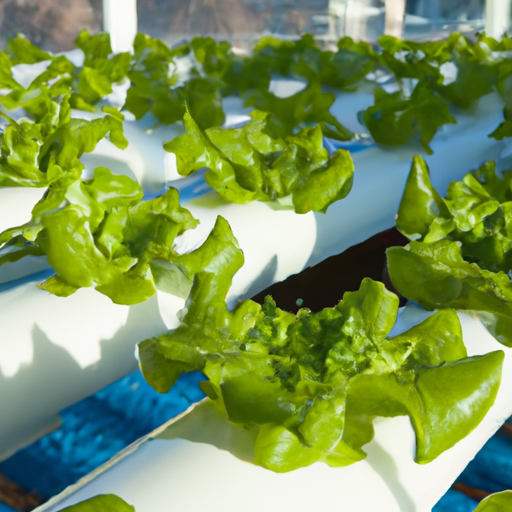
Vertical farming is a key aspect of hydroponic gardening, where plants are grown in stacked layers. This vertical arrangement maximizes limited space by utilizing height rather than spreading out horizontally. By utilizing vertical space effectively, hydroponic systems can produce a higher yield per square foot compared to traditional farming methods.
Ability to Garden Indoors
Hydroponic gardening provides the flexibility to garden indoors, making it suitable for urban environments. With the use of artificial lighting and climate control systems, plants can be grown year-round, regardless of external weather conditions. This indoor gardening capability opens up opportunities for urban dwellers to engage in gardening and enjoy the benefits of fresh produce, even in limited living spaces.
No Soil Limitations
Traditional soil-based agriculture is often limited by the quality and composition of the soil. However, hydroponic gardening eliminates these limitations, allowing plants to thrive without relying on soil.
Versatility in Plant Selection
Hydroponics provides versatility in plant selection, as plants can be grown in a controlled environment where soil conditions are irrelevant. This enables growers to cultivate a wide variety of plants, including those that may not thrive in their native soil. By optimizing the nutrient solution and environmental conditions, hydroponic gardens can yield a diverse range of crops, from leafy greens and herbs to fruits and flowers.
Avoidance of Soil-Borne Diseases
Soil-borne diseases can significantly impact plant health and overall crop productivity. By eliminating soil from the equation, hydroponic gardening minimizes the risk of soil-borne diseases. This reduces the need for chemical pesticides and fungicides, promoting healthier and more sustainable farming practices.
Eliminating Weeds and Pests
Weeds and pests can cause substantial damage to crops, resulting in reduced yield and increased costs for farmers. Hydroponic gardening offers a solution by eliminating weeds and reducing the need for pesticides.
Absence of Weeds
In hydroponic systems, plants are grown in a sterile environment without soil, eliminating the presence of weeds. This eradicates the need for manual weeding or herbicides, saving growers valuable time, effort, and resources. Consequently, the plants can thrive without competition for nutrients or space, leading to healthier and more productive crops.
Reduced Need for Pesticides
By providing a controlled environment, hydroponic gardening minimizes the risk of pest infestations. Without the need for soil, pests such as soil-borne insects and fungi are significantly reduced. This reduces the reliance on chemical pesticides, making hydroponic produce a healthier and more environmentally friendly choice.
Year-Round Harvesting
Traditional agriculture often relies on seasonal cycles, limiting the availability of fresh produce. Hydroponic gardening allows for year-round harvesting, ensuring a continuous supply of fresh and nutritious produce.
Continuous Crop Rotation
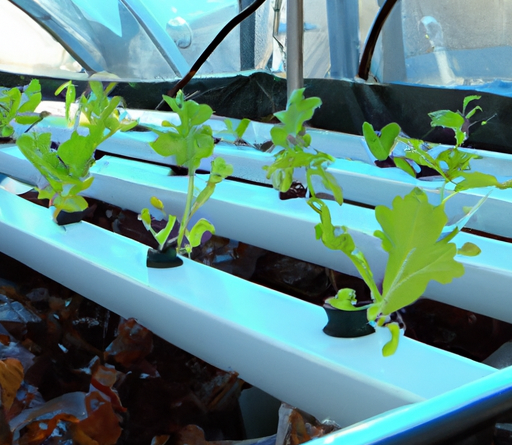
In hydroponic systems, plants can be grown continuously in a controlled environment, allowing for continuous crop rotation. This means that as one crop reaches maturity, another can be planted immediately, resulting in a constant harvest cycle. With proper planning and management, growers can optimize their yield and ensure a consistent supply of fresh produce throughout the year.
Controlled Growing Conditions
In hydroponics, growing conditions such as light, temperature, and humidity can be precisely controlled. This enables growers to simulate optimal growing conditions for each specific crop, regardless of external weather patterns. By providing consistent and favorable conditions, hydroponic gardening ensures that plants can grow and produce at their maximum potential all year long.

Better Nutritional Value
The controlled environment of hydroponic gardening plays a significant role in enriching the nutritional value of the produce. With precise nutrient delivery and optimal growing conditions, hydroponic plants can produce nutrient-rich produce with enhanced flavor and aroma.
Nutrient-Rich Produce
In hydroponics, the nutrient solution can be customized to meet the specific needs of each plant, ensuring they receive the right balance of essential nutrients. This targeted nutrient delivery results in plants absorbing higher levels of minerals and vitamins, leading to more nutritious produce. Hydroponic vegetables, for example, have been found to contain higher concentrations of antioxidants and essential minerals compared to conventionally grown counterparts.
Enhanced Flavor and Aroma
Hydroponic gardening promotes the development of intense flavors and aromas in plants. The controlled environment allows plants to reach their full potential, resulting in superior taste and quality. The absence of soil also eliminates any undesirable flavors or contaminants that may be present in traditional farming methods.
Reduced Environmental Impact
Sustainable farming practices are crucial for preserving the environment and natural resources. Hydroponic gardening offers several advantages in terms of reducing the environmental impact of agriculture.
Lower Carbon Footprint
Hydroponic systems minimize the need for transportation of produce over long distances, reducing carbon emissions associated with food transportation. Additionally, the efficient use of water and nutrients in hydroponics reduces waste, resulting in a lower overall carbon footprint compared to traditional farming methods. These environmentally friendly practices contribute to mitigating climate change and promoting sustainable food production.
Preservation of Land and Ecosystems
Traditional agriculture often requires large amounts of land, leading to deforestation and habitat destruction. Hydroponic gardening, with its space-efficient vertical farming techniques, minimizes the amount of land needed for cultivation. By utilizing indoor or controlled-environment systems, growers can preserve natural habitats, protect biodiversity, and ensure the long-term sustainability of farming practices.
Increased Yield
With its ability to maximize space utilization, provide optimal growing conditions, and eliminate various constraints, hydroponic gardening offers increased yield potential compared to traditional farming methods.
Multiple Crop Cycles Annually
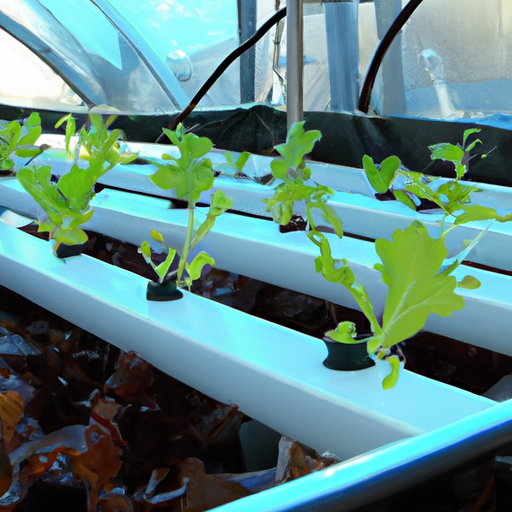
Hydroponic systems allow for multiple crop cycles in a single year, greatly increasing the yield potential. While traditional farming may be limited to one or two harvests per year, hydroponic gardens can produce multiple harvests, depending on the crop’s growth cycle. This increased productivity makes hydroponics particularly attractive for commercial growers looking to maximize their yield and profits.
Maximized Harvesting Potential
Due to the controlled nature of hydroponics, plants can grow significantly faster than in traditional agriculture. This accelerated growth rate allows for shorter crop cycles and quicker turnover, maximizing the overall harvesting potential. With efficient use of space, resources, and technology, hydroponic gardening enables growers to achieve higher yields and optimize their production capacity.
Conclusion
Hydroponic gardening offers numerous benefits, ranging from improved plant growth and water conservation to space efficiency, absence of soil limitations, elimination of weeds and pests, year-round harvesting, better nutritional value, reduced environmental impact, increased yield, and promotion of sustainable farming practices. By harnessing innovative growing techniques, hydroponic gardening provides a viable solution for addressing various challenges in traditional soil-based agriculture. Whether you are a commercial grower or a gardening enthusiast, hydroponics offers a sustainable and efficient approach to supporting our growing need for fresh and nutritious produce.