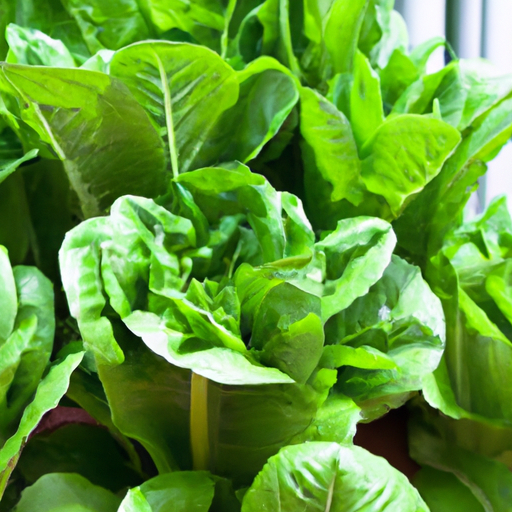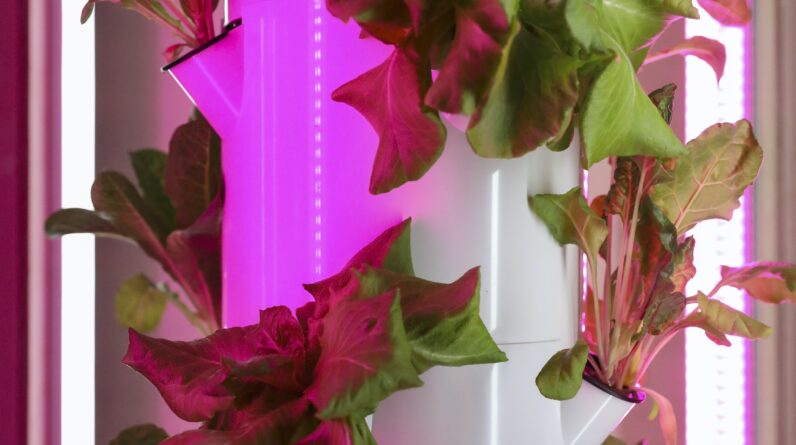
In this article, we’ll explore the topic of hydroponic gardening and discuss its health benefits. You’ll learn how hydroponic gardening works and why it can be a great option for growing your own fresh produce. We’ll also delve into the potential nutritional advantages of hydroponically grown fruits and vegetables, as well as any potential concerns you should be aware of. By the end of this article, you’ll have a better understanding of whether hydroponic gardening is a healthy choice for you.
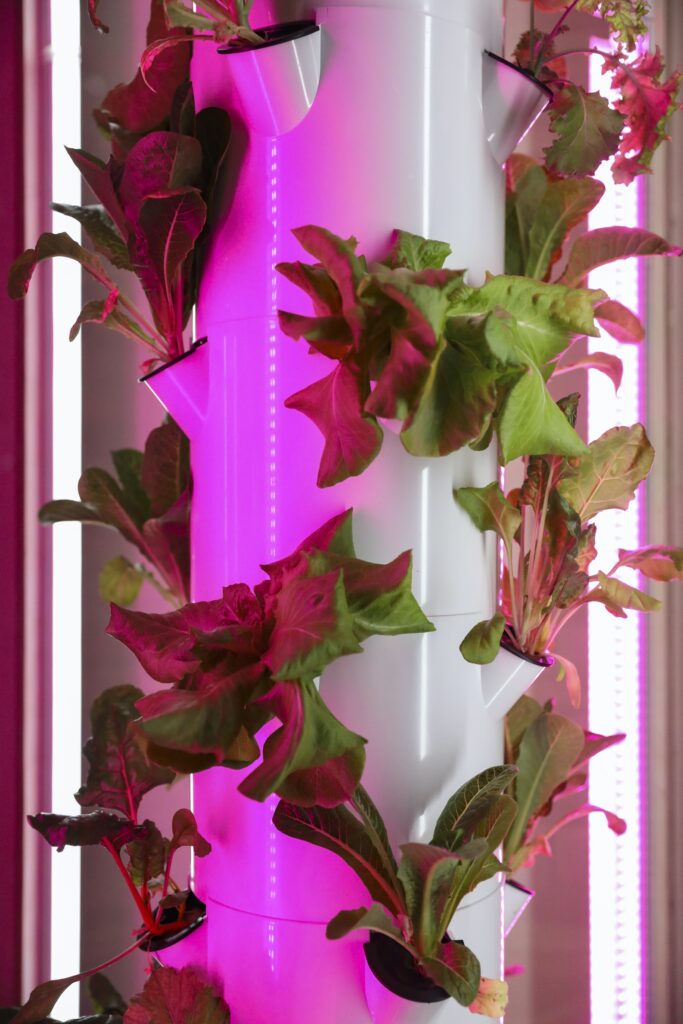
What is Hydroponic Gardening?
Definition of Hydroponic Gardening
Hydroponic gardening is a soilless method of growing plants in a nutrient-rich water solution. Instead of using traditional soil, plants are grown in an inert medium such as coir, perlite, or vermiculite, which provides support for the roots. The primary source of nutrients for the plants comes from a specially formulated nutrient solution that is delivered directly to the roots. This innovative gardening technique allows for precise control of environmental factors such as pH, temperature, and nutrient levels, resulting in optimal plant growth.
Key Benefits of Hydroponic Gardening
Hydroponic gardening offers several key benefits that make it an attractive option for both commercial growers and home gardeners. Firstly, since hydroponic plants do not rely on soil, they can be grown virtually anywhere, making it possible to cultivate plants in urban areas, rooftops, or even in small indoor spaces. Secondly, hydroponic gardening results in faster growth rates and higher yields compared to traditional soil-based gardening. This is because the plants are able to absorb nutrients more efficiently in a hydroponic system, which promotes healthy and vigorous growth. Additionally, hydroponic gardening uses significantly less water compared to conventional gardening methods, making it a more sustainable choice.
How Hydroponic Gardening Works
In hydroponic gardening, plants receive all the necessary nutrients through a nutrient solution that is pumped directly to the roots. The roots are submerged or periodically exposed to the nutrient solution, allowing them to absorb the nutrients they need for growth. This delivery system ensures that plants receive a balanced and consistent supply of nutrients, resulting in healthier and more productive plants. The nutrient solution is typically made up of a combination of essential macro and micronutrients, which can be adjusted based on the specific nutrient requirements of different plant varieties. The pH level of the solution is also carefully monitored and adjusted to optimize nutrient absorption.
Nutritional Value of Hydroponic Plants
Enhanced Nutrient Absorption in Hydroponics
One of the major advantages of hydroponic gardening is that plants are able to absorb nutrients more efficiently compared to traditional soil-based gardening. In a hydroponic system, the nutrients are readily available to the plants in an easily absorbable form. This allows the plants to allocate more energy towards growth and development rather than nutrient absorption. As a result, hydroponically grown plants often have higher nutrient concentrations, making them a healthier option for consumption.
Comparison with Traditional Soil-based Gardening
In traditional soil-based gardening, plants rely on the soil to extract and absorb nutrients. However, the nutrient availability in soil can vary greatly depending on factors such as soil composition, pH levels, and moisture content. This can lead to inconsistent nutrient uptake by the plants, resulting in nutrient deficiencies or imbalances. In contrast, hydroponic gardening provides a controlled environment where nutrient availability is precisely regulated, ensuring optimal nutrient absorption and plant health.
The Role of Nutrient Solutions in Hydroponics
Nutrient solutions in hydroponic gardening are custom-made to provide plants with the necessary macro and micronutrients they require for proper growth and development. These solutions often contain a combination of nitrogen, phosphorus, potassium, calcium, magnesium, and trace elements such as iron, zinc, and copper. The concentrations of these nutrients can be adjusted based on the specific requirements of different plant varieties. By carefully managing the nutrient solution, hydroponic gardeners can ensure that their plants have access to all the essential nutrients needed for healthy growth.
Pest and Disease Control in Hydroponic Gardening
Reduced Pest Infestations in Hydroponics
One of the benefits of hydroponic gardening is the reduced risk of pest infestations compared to traditional soil-based gardening. Since hydroponic systems are typically grown indoors or in protected environments, they are less vulnerable to pests and insects that thrive in soil. This eliminates the need for chemical pesticides, making hydroponic gardening a more eco-friendly option. Additionally, the controlled environment of hydroponics allows for the implementation of preventive measures such as screening and sterilization, further minimizing the risk of pest infestations.
Preventive Measures in Hydroponic Systems
To ensure the health and well-being of plants in a hydroponic system, preventive measures are implemented to minimize the risk of diseases and pests. Strict sanitation practices, such as cleaning and sterilizing equipment and growing surfaces, help prevent the spread of pathogens. Furthermore, the use of disease-resistant plant varieties can also contribute to maintaining a healthy hydroponic garden. By taking these preventive measures, hydroponic gardeners can significantly reduce the occurrence of diseases and pests, allowing for the production of high-quality and healthy crops.
Common Diseases and Solutions in Hydroponic Gardening
Despite the reduced vulnerability to diseases in hydroponic systems, there are still some common diseases that can affect plants. Root rot, caused by fungal pathogens, is one of the most prevalent diseases in hydroponic gardening. This can be prevented by ensuring proper oxygenation of the root zone and maintaining balanced nutrient levels. Another common disease is powdery mildew, which can be controlled through the use of organic fungicides or by adjusting environmental conditions such as humidity and airflow. By identifying and addressing diseases promptly, hydroponic gardeners can maintain the health and vigor of their plants.
Water Efficiency in Hydroponic Gardening
Reduced Water Consumption in Hydroponics
Water efficiency is a major advantage of hydroponic gardening. Compared to traditional soil-based methods, hydroponics requires significantly less water. This is because water in a hydroponic system is recirculated and reused, reducing overall water consumption. The water that is not absorbed by the plants is collected, filtered, and replenished with nutrients before being reintroduced to the plants. This closed-loop system minimizes water wastage and makes hydroponic gardening a sustainable and efficient method of cultivation.
Optimizing Water Usage in Different Systems
Different hydroponic systems have varying water usage requirements. For example, recirculating systems such as Nutrient Film Technique (NFT) and Deep Water Culture (DWC) use less water compared to systems like Drip and Ebb and Flow. This is because recirculating systems continuously recycle the nutrient solution, while other systems require periodic water replenishment. By selecting an appropriate hydroponic system and implementing water-saving techniques such as optimizing irrigation schedules and using water-efficient growing mediums, gardeners can further enhance water efficiency and minimize water wastage.
Minimizing Environmental Impact with Hydroponics
Hydroponic gardening offers environmental benefits beyond water efficiency. By growing plants in a controlled environment, hydroponics reduces the need for excessive pesticide and fertilizer usage, which can harm the environment. Additionally, hydroponic systems have a smaller footprint compared to traditional agricultural practices, making them a viable solution for urban areas with limited land availability. Furthermore, hydroponic gardens can be designed to minimize soil erosion and pollution, contributing to sustainable and eco-friendly agricultural practices.
Hydroponic Gardening Techniques
NFT (Nutrient Film Technique)
NFT is a popular hydroponic technique that involves growing plants in a sloping trough or channel. A thin film of nutrient solution continuously flows over the roots, providing a constant supply of nutrients. The excess solution is then collected and recirculated, reducing water consumption. NFT is ideal for growing leafy greens and herbs.
DWC (Deep Water Culture)
DWC is a simple hydroponic technique where plants are suspended in a nutrient-rich solution. The roots are submerged in the solution, allowing for direct nutrient uptake. Oxygen is supplied to the roots through air stones or diffusers. DWC is suitable for growing a variety of plants, including lettuce, herbs, and even tomatoes.
Aeroponics
Aeroponics is a high-tech hydroponic technique where plants are grown in a mist or fog environment. The roots hang in the air and are periodically sprayed with a nutrient solution. This method provides excellent oxygenation to the roots, promoting rapid growth and increased nutrient absorption. Aeroponics is particularly effective for growing plants with delicate roots, such as strawberries.
Ebb and Flow
Ebb and Flow, also known as flood and drain, involves periodically flooding the growing tray with a nutrient solution and then allowing it to drain back into a reservoir. This cyclic flooding and draining provide plants with a balance of moisture and oxygen, promoting healthy root growth. Ebb and Flow is suitable for various plants, including tomatoes, peppers, and cucumbers.
Drip System
A drip system delivers a nutrient solution directly to the roots through a network of drip emitters or micro-sprayers. The solution is delivered in drips or small sprays, targeting each plant individually. This method allows for precise control of nutrient delivery, making it suitable for a wide range of plants, from leafy greens to larger fruiting crops.
Hydroponic Gardening Equipment
Grow Lights
Since hydroponic gardening often takes place indoors or in controlled environments, the use of artificial grow lights is crucial for plant growth. LED lights are commonly used due to their energy efficiency and ability to provide the necessary light spectrum for optimal photosynthesis. Grow lights can be customized to match the specific light requirements of different plants, ensuring healthy and vigorous growth.
Containers and Growing Medium
Hydroponic systems require containers or trays to hold the plants and growing medium. Containers can be made from various materials such as plastic, fabric, or even recycled materials like PVC pipes. The choice of growing medium depends on the specific hydroponic technique and the plant being grown. Some common growing mediums include expanded clay pebbles, coco coir, and rockwool.
Water and Nutrient Monitoring Systems
To maintain optimal nutrient levels and pH in a hydroponic system, water and nutrient monitoring systems are essential. These systems measure factors such as pH, electrical conductivity (EC), and nutrient concentrations in the water. By regularly monitoring these parameters, gardeners can ensure that the nutrient solution is balanced and appropriate for the plants’ needs.
Pumps and Timers
Hydroponic systems often require pumps to circulate the nutrient solution or to deliver water to the plants. Timers are used to automate irrigation schedules and control the duration and frequency of nutrient delivery. These components play a crucial role in maintaining the proper functioning of the hydroponic system.
pH and EC Meters
Measuring and adjusting pH and electrical conductivity (EC) levels in a hydroponic system is essential for plant health. pH meters are used to monitor and adjust the acidity or alkalinity of the nutrient solution, while EC meters measure the concentration of dissolved salts in the solution. By regularly monitoring these parameters, gardeners can ensure optimal nutrient absorption and prevent nutrient imbalances.
Common Hydroponic Plants
Leafy Greens (Lettuce, Spinach, Kale)
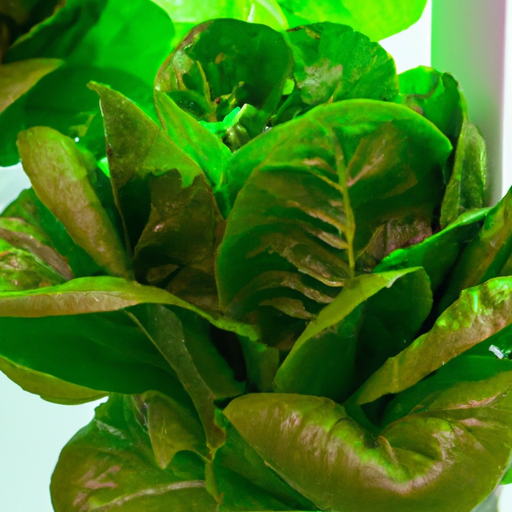
Leafy greens are some of the most commonly grown crops in hydroponic systems. Their short growth cycles and shallow root systems make them ideal for various hydroponic techniques. Hydroponically grown lettuce, spinach, and kale are known for their vibrant colors, crisp texture, and high nutritional value.
Herbs (Basil, Mint, Oregano)
Herbs are well-suited for hydroponic gardening due to their fast growth and compact size. Basil, mint, and oregano thrive in hydroponic systems, producing aromatic leaves that are packed with flavor. Hydroponic herbs are often fresher and have a longer shelf life compared to their soil-grown counterparts.
Tomatoes and Peppers
Tomatoes and peppers are popular crops in hydroponic gardening. The controlled environment of hydroponics allows for optimal temperature and nutrient management, resulting in high yields and superior fruit quality. Hydroponic tomatoes and peppers are known for their intense flavors, vibrant colors, and extended shelf life.
Strawberries
Strawberries are well-suited for hydroponic gardening due to their shallow root system and compact growth habit. The controlled environment of hydroponics allows for precise control of temperature, humidity, and lighting, resulting in sweeter and more flavorful strawberries. Hydroponic strawberries are also less susceptible to soil-borne diseases and pests.
Cucumbers
Cucumbers thrive in hydroponic systems, particularly in greenhouse settings. With the proper support structures, cucumbers can grow vertically, maximizing space utilization and increasing yields. Hydroponically grown cucumbers are often sweeter, crisper, and have a longer shelf life compared to conventionally grown cucumbers.
Environmental Considerations
Reduced Land Usage in Hydroponics
Hydroponic gardening offers a significant advantage in terms of land usage. Compared to traditional soil-based agriculture, hydroponic systems require less space to cultivate crops. This makes hydroponics a viable option for urban areas and regions with limited arable land. By utilizing vertical growing techniques and optimizing space usage, hydroponic systems can grow a higher volume of crops in a smaller footprint.
Mitigating Soil Erosion and Pollution
Soil erosion is a major concern in traditional agriculture, leading to the loss of valuable topsoil and the pollution of water bodies. Since hydroponic gardening does not involve soil, it eliminates the risk of soil erosion and the contamination of surrounding ecosystems. This makes hydroponics a more sustainable and environmentally friendly option for food production.
Limiting the Use of Pesticides and Fertilizers
Hydroponic systems are inherently less reliant on chemical pesticides and fertilizers compared to traditional agriculture. The controlled environment of hydroponics reduces the risk of pest infestations, making the use of pesticides unnecessary in many cases. Additionally, since the nutrient solution is carefully calibrated, the risk of nutrient runoff into water bodies is significantly reduced. This means that hydroponic gardening has the potential to contribute to cleaner and healthier ecosystems.
Challenges and Limitations
Initial Setup Costs
One of the challenges of hydroponic gardening is the initial setup costs. Hydroponic systems require specialized equipment such as grow lights, pumps, timers, and monitoring systems, which can be expensive. However, these costs can be offset by the increased yields and savings on water and fertilizer expenses in the long run.
Technology and System Maintenance
Hydroponic systems rely on technology for monitoring and maintaining optimal growing conditions. This includes monitoring nutrient levels, pH levels, and adjusting the system accordingly. The technology used in hydroponic systems requires regular maintenance and calibration to ensure accurate and reliable readings. This maintenance can be time-consuming and may require some technical expertise.
Risk of System Failure
As with any agricultural system, there is always a risk of system failure in hydroponics. Power outages, pump malfunctions, or nutrient imbalances can disrupt the delicate balance of the hydroponic system, potentially leading to plant stress or crop loss. It is important for hydroponic gardeners to closely monitor their systems, perform regular maintenance, and have contingency plans in place to minimize the impact of system failures.
Limited Crop Variety
While hydroponic gardening can be used to grow a wide variety of crops, there are limitations to the types of plants that thrive in hydroponic systems. Certain crops, such as root vegetables like carrots or large fruiting plants like watermelons, may not be well-suited for hydroponics due to their deep root systems or substantial space requirements. However, advancements in hydroponic technology are continually expanding the range of crops that can be successfully grown in these systems.
Conclusion
Summary of Hydroponic Gardening Benefits
Hydroponic gardening offers several key benefits that make it a compelling choice for growers. Its efficient nutrient delivery system allows for faster growth rates and higher yields compared to traditional soil-based gardening. Hydroponics also promotes water efficiency, reducing overall water consumption through closed-loop systems. Additionally, hydroponic gardening minimizes the need for pesticides and fertilizers, making it an eco-friendly option for food production.
Future Potential and Expansion of Hydroponics
The future potential of hydroponic gardening is promising. As urbanization and population growth continue, the demand for sustainable and land-efficient food production methods will increase. Hydroponic systems offer a solution to these challenges by providing a controlled and efficient method of cultivation. With advancements in technology and ongoing research, hydroponics has the potential to revolutionize the way we grow food and increase access to fresh produce throughout the world.
Considerations for Implementing Hydroponic Systems
While hydroponic gardening offers numerous benefits, there are important considerations to keep in mind when implementing these systems. The initial setup costs can be substantial, but long-term savings and increased yields can offset these expenses. Regular maintenance and monitoring are essential for optimal system performance, and there is always a risk of system failure that needs to be managed. Furthermore, the limited crop variety in hydroponics should be considered when planning for specific crops or diversifying product offerings.
In conclusion, hydroponic gardening is a healthy and sustainable method of growing plants. Through precise control of nutrient delivery, efficient water usage, and reduced reliance on chemicals, hydroponic systems produce high-quality crops with enhanced nutritional value. As hydroponics continues to evolve and expand, it has the potential to revolutionize the future of agriculture and contribute to a healthier and more sustainable food system.