


In this article, we’ll guide you through the steps on how to start a hydroponic garden, perfect for beginners. You’ll learn about the basic principles of hydroponics, the necessary equipment and materials, and the different types of hydroponic systems to choose from. We’ll also discuss the importance of water and nutrient management, as well as tips for maintaining a healthy and thriving hydroponic garden. By the end, you’ll have all the knowledge you need to embark on your hydroponic gardening journey with confidence.
Benefits of Hydroponic Gardening
Hydroponic gardening is a method of growing plants without the use of soil, instead using a nutrient-rich water solution. This innovative gardening technique offers numerous benefits for beginners looking to start their own garden. Here are some of the key advantages:
Increased plant growth and yield
One of the main benefits of hydroponic gardening is the significant increase in plant growth and yield compared to traditional soil-based gardening. In a hydroponic system, plants have direct access to all the necessary nutrients, allowing them to grow at a much faster rate. As a result, you can expect to harvest more crops in a shorter amount of time, making hydroponic gardening a highly efficient and productive method.
Reduced water usage
Another advantage of hydroponic gardening is its water efficiency. Traditional soil-based gardening often requires large amounts of water to irrigate the plants properly. In contrast, hydroponic systems use water more efficiently by re-circulating it through the system. This not only reduces water consumption but also minimizes the risk of overwatering and eliminates the need for constant watering.
Minimal space requirements
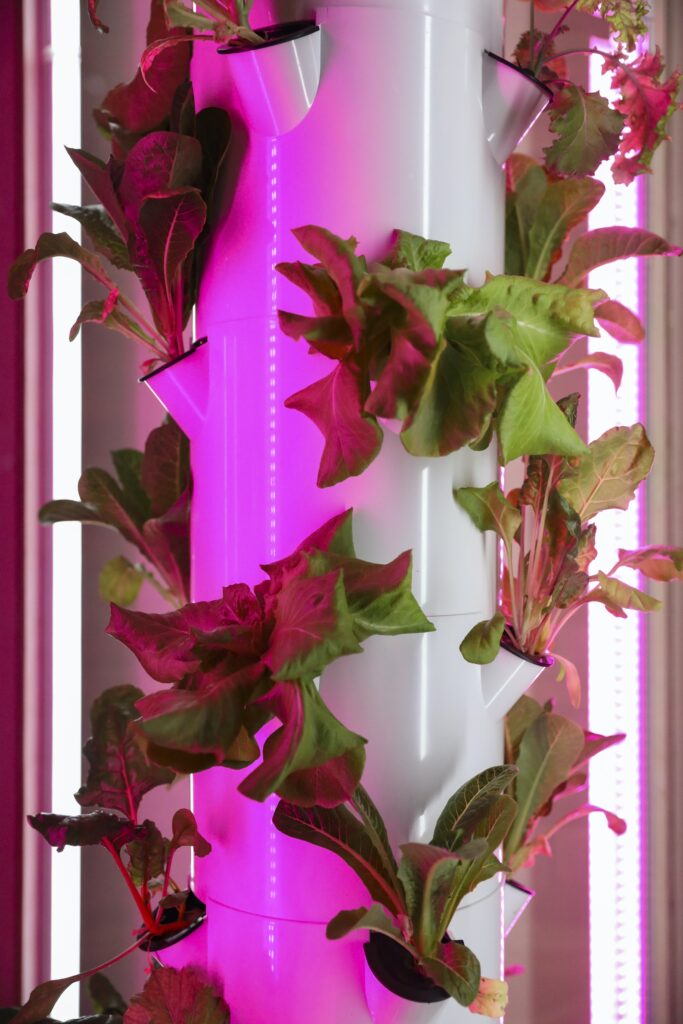
Hydroponic gardening is a great option for beginners with limited space. Unlike traditional gardens that require large plots of land, hydroponic systems can be set up in small areas such as balconies, patios, or even indoors. Vertical hydroponic systems, in particular, allow you to maximize space utilization by growing plants upwards. This means you can enjoy the benefits of gardening regardless of your living situation.
No need for soil or weeding
Perhaps one of the most enticing benefits of hydroponic gardening is the elimination of soil and the tedious task of weeding. Soil-borne pests and diseases, such as nematodes or fungal infections, are common problems in traditional gardening. In a hydroponic system, plants are grown in a soilless environment, reducing the risk of these issues. Additionally, without soil, you can say goodbye to back-breaking weeding, making hydroponic gardening a low-maintenance and hassle-free option for beginners.
Choosing the Right Hydroponic System
Before diving into hydroponic gardening, it’s essential to choose the right system that suits your needs and preferences. Here are some steps to help you make an informed decision:
Determine your available space
Assess the available space you have for your hydroponic garden. Consider whether you will be setting up your system indoors or outdoors. This will help you determine the size and type of system that will fit comfortably within your designated area.
Consider your budget
Hydroponic systems come in a variety of designs and price ranges. Consider your budget and how much you are willing to invest in your hydroponic garden. Keep in mind that while some systems may require a higher upfront cost, they may offer greater efficiency and functionality in the long run.
Research different hydroponic systems
There are several types of hydroponic systems available, each with its own advantages and disadvantages. Some popular options include nutrient film technique (NFT), deep water culture (DWC), and aeroponics. Do thorough research on the different systems to understand their requirements, complexities, and suitability for the plants you wish to grow.
Decide on the type of plants you want to grow
Different plants have different requirements when it comes to hydroponic gardening. Some plants, such as lettuce or herbs, are well-suited for beginners as they are relatively easier to grow. Consider the specific needs of the plants you want to cultivate, such as light, temperature, and nutrient demands, while selecting your hydroponic system.
Preparing Your Hydroponic Garden Setup
Once you’ve chosen the appropriate hydroponic system, it’s time to prepare your garden setup. Follow these steps to ensure a successful and thriving hydroponic garden:
Gather necessary equipment and materials
Depending on the type of hydroponic system you’ve chosen, gather all the required equipment and materials. This may include grow trays, pumps, air stones, grow lights, timers, pH and nutrient meters, and nutrient solutions. Make a checklist to ensure you have everything you need before setting up your hydroponic garden.
Set up a suitable grow area or room
Choose a suitable space for your hydroponic garden. Ensure that it has adequate ventilation and access to electrical outlets. If you are setting up an indoor garden, make sure the area receives ample natural light or install appropriate grow lights for artificial lighting. Clean the area to remove any dirt or debris that may hinder the effectiveness of your system.
Ensure proper ventilation and lighting
Proper airflow and lighting are crucial for the success of your hydroponic garden. Make sure your grow area has good ventilation to prevent the build-up of excessive humidity, which can lead to mold or fungal problems. Install exhaust fans or use oscillating fans to maintain proper air circulation. Additionally, ensure that your plants receive adequate lighting, whether it’s from natural sunlight or artificial sources such as grow lights. Aim for a balance between light intensity and duration based on the specific requirements of your plants.
Install the chosen hydroponic system
Follow the manufacturer’s instructions to assemble and install your chosen hydroponic system. Take into consideration the specific requirements of the system, such as water pumps, air stones, and tubing. Set up the system according to the size of your available space, ensuring that all components are properly connected and functioning optimally.
Selecting the Right Nutrient Solution
Nutrient solutions are the lifeblood of hydroponic systems, providing plants with essential minerals and nutrients. Here are some considerations when choosing the right nutrient solution for your hydroponic garden:
Understand the nutrient requirements of your plants
Different plants have varying nutrient requirements. Be familiar with the specific needs of the plants you are growing, including their preferred pH range and the primary macronutrients (nitrogen, phosphorus, and potassium) they require. This knowledge will help you select or formulate an appropriate nutrient solution.
Choose a balanced hydroponic nutrient solution
Balanced nutrient solutions contain all the necessary nutrients in the right proportions for optimal plant growth. It’s recommended to use commercially available hydroponic nutrient solutions specifically formulated for different growth stages of plants. These solutions ensure that your plants receive a balanced supply of essential nutrients needed for robust growth and productivity.
Consider organic or synthetic options
When selecting a nutrient solution, you have the option of choosing between organic or synthetic formulations. Organic nutrient solutions are derived from natural sources and offer a more sustainable and environmentally-friendly approach. Synthetic nutrient solutions, on the other hand, often provide faster and more precise results. Choose the option that aligns with your preferences and gardening philosophy.
Follow recommended mixing ratios
Proper mixing ratios are essential to ensure the correct nutrient concentration in your hydroponic system. Carefully follow the instructions provided on nutrient solution packaging or consult reputable sources for recommended mixing ratios. Avoid diluting or overdosing the solution, as this can lead to nutrient imbalances, stunted growth, or even plant death.
Planting Seeds or Seedlings
With your hydroponic garden setup and nutrient solution ready, it’s time to plant your seeds or seedlings. Follow these steps for successful planting:
Choose high-quality seeds or healthy seedlings
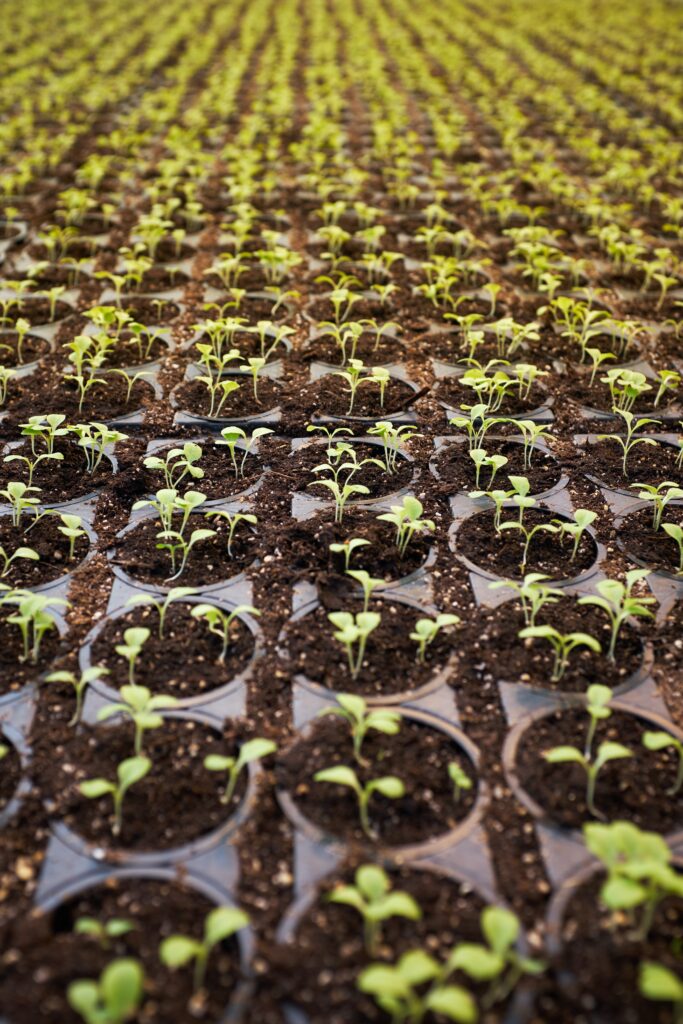
Select high-quality seeds or healthy seedlings from a reputable source. Ensure that they are free from diseases or pests. Consider choosing disease-resistant varieties to minimize the risk of infections in your hydroponic garden.
Prepare suitable growing media or trays
In hydroponic gardening, plants are not grown in soil but rather in a suitable growing medium that supports root growth. Some common growing media include rockwool, perlite, coconut coir, or vermiculite. Choose a medium that suits your plants’ needs and provides adequate support and proper drainage.
Follow proper planting techniques
Handle the seeds or seedlings with care during the planting process. Follow the instructions provided on the seed packet or consult reliable gardening resources for proper planting depths and spacing. Ensure that the roots are properly spread within the growing medium and make sure to avoid damaging them.
Provide adequate moisture and warmth
Maintain optimal moisture levels in your hydroponic system to promote healthy plant growth. Keep the growing medium moist but not waterlogged, as this can lead to root rot. Additionally, provide adequate warmth for your plants by ensuring the ambient temperature is within the range suitable for their growth. Use a thermometer to monitor the temperature regularly.
Maintaining Your Hydroponic Garden
To ensure the success of your hydroponic garden, regular maintenance is vital. Here are some essential maintenance tasks:
Monitor pH levels regularly
pH levels in your hydroponic system play a crucial role in nutrient absorption by plants. Regularly monitor the pH levels using a pH meter and make adjustments if necessary. The pH range for most plants in hydroponic systems is between 5.5 and 6.5. Ensure that your nutrient solution maintains the appropriate pH range, as deviations can result in nutrient deficiencies or toxicities.
Check nutrient levels and adjust as needed
Regularly monitor the nutrient levels in your hydroponic system using a nutrient meter or a conductivity meter. Ensure that the nutrient concentration remains within the desired range suitable for your plants’ stage of growth. Adjust the nutrient solution as needed to maintain optimal nutrient levels.
Prune and support growing plants
As your plants grow, prune any dead or yellowing leaves to redirect energy towards healthy growth. Train your plants by using stakes or trellises to provide support and prevent them from toppling over. Regularly inspect your plants for any signs of stress, pests, or diseases, and take appropriate measures to address these issues promptly.
Prevent and control pests and diseases
Maintaining a hygienic and pest-free environment is crucial in hydroponic gardening. Regularly inspect your plants and system for any signs of pests or diseases. Introduce beneficial insects or organic pest control methods to manage pests effectively. Also, practice good hygiene by cleaning and disinfecting your hydroponic system periodically to prevent the buildup of harmful bacteria or fungi.
Providing Adequate Lighting
Proper lighting is essential in hydroponic gardening, especially for indoor setups or areas with limited natural light. Here’s how you can ensure your plants receive adequate light:
Understanding the light requirements of your plants
Different plants have varying light requirements based on their growth stage. Research and understand the specific light needs of the plants you are growing. Determine the light intensity, spectrum, and duration necessary for optimal growth and productivity.
Choosing the right type of artificial lighting
If natural sunlight is insufficient or not available, you need to invest in artificial lighting for your hydroponic garden. There are several options to choose from, including fluorescent lights, high-intensity discharge (HID) lights, or light-emitting diodes (LEDs). Each type of lighting has its benefits and considerations. Consult gardening experts or lighting specialists to determine which type is best suited for your plants and setup.
Setting up proper lighting timers and schedules
Maintaining a consistent lighting schedule is crucial for the health and growth of your plants. Install timers to automate the lighting cycle and ensure your plants receive the required amount of light each day. Follow the recommended lighting durations for the specific plants you are growing, including both light and dark periods.
Maintaining and replacing light bulbs
Regularly inspect and clean your light bulbs to ensure they are functioning optimally. Replace old or damaged bulbs as soon as possible to maintain the appropriate light intensity. High-quality light bulbs are essential for promoting healthy plant growth and flowering.
Watering and Nutrient Feeding
Proper watering and nutrient feeding are crucial for the success of your hydroponic garden. Follow these guidelines to ensure your plants receive the right amount of water and nutrients:
Establishing a watering and feeding schedule
Consistency is key when it comes to watering and feeding your plants in a hydroponic system. Establish a schedule based on the specific needs of your plants. Monitor the moisture levels in the growing medium and adjust the watering frequency accordingly. Strike a balance between watering enough to keep your plants well-hydrated and avoiding overwatering, which can lead to root problems.
Using appropriate irrigation methods
Choose an appropriate irrigation method that suits your hydroponic system and the type of plants you are growing. Common irrigation methods include drip systems, flood and drain systems, or misting systems. Research the pros and cons of each method and select the one that provides optimal moisture distribution and efficiency for your garden.
Avoiding over- or under-watering
Finding the right balance between over-watering and under-watering is crucial in hydroponic gardening. Over-watering can lead to oxygen deprivation in the root zone, root rot, or the spread of pathogens. Under-watering, on the other hand, can result in nutrient deficiencies and stunted growth. Monitor the moisture levels closely and adjust your watering schedule accordingly.
Avoiding nutrient deficiencies or excesses
Proper nutrient feeding is essential for the health and productivity of your plants. Understand the nutrient requirements of the plants you are growing and adjust the nutrient solution concentration accordingly. Regularly monitor the nutrient levels in your hydroponic system to avoid deficiencies or toxicities. Adjust the nutrient solution if necessary to maintain the appropriate balance for optimal growth.
Harvesting and Enjoying Your Hydroponic Produce
After putting in the effort to grow your hydroponic garden, it’s time to reap the rewards. Here’s what you need to know about harvesting and enjoying your hydroponic produce:
Determine when to harvest your crops
Different crops have different maturity times and harvest windows. Research and familiarize yourself with the specific harvest times for the plants you have grown. Harvesting at the right time ensures that your crops are at their peak flavor, texture, and nutritional value.
Properly harvest and handle the produce
When harvesting your hydroponic produce, use clean, sharp scissors or pruning shears to minimize damage to the plants. Handle the crops gently to prevent bruising or crushing. If you plan to store the harvested produce, remove any excessive moisture and store them in containers or bags suitable for each crop.
Store or consume the harvested fruits and vegetables
Hydroponically grown produce tends to have a longer shelf life compared to conventionally grown produce. If you choose to store your harvest, ensure that they are kept in optimal conditions such as refrigeration or cool, dark storage areas. Consume the produce within a reasonable time frame to enjoy the freshness and maximum nutritional value.
Experiment with new recipes and enjoy the flavors
One of the joys of growing your own hydroponic garden is experimenting with fresh, flavorful produce in your culinary creations. Explore new recipes and techniques to make the most of your harvest. The vibrant colors, crisp textures, and intense flavors of your hydroponically grown crops will elevate your dishes and provide a satisfying sense of accomplishment.
Conclusion
Starting a hydroponic garden as a beginner may seem daunting, but with proper planning and care, anyone can embark on this rewarding gardening journey. The benefits of increased plant growth and yield, reduced water usage, minimal space requirements, and the elimination of soil and weeding make hydroponic gardening an attractive option for beginners.
By choosing the right hydroponic system, preparing your garden setup, selecting the appropriate nutrient solution, planting seeds or seedlings, and maintaining your garden properly, you can enjoy the satisfaction of growing your own fresh produce. With some experimentation, learning, and the enjoyment of the process, your hydroponic garden will flourish, providing you with a constant supply of flavorful and nutritious crops. So, get started on your hydroponic gardening adventure and enjoy the many rewards it brings!


