


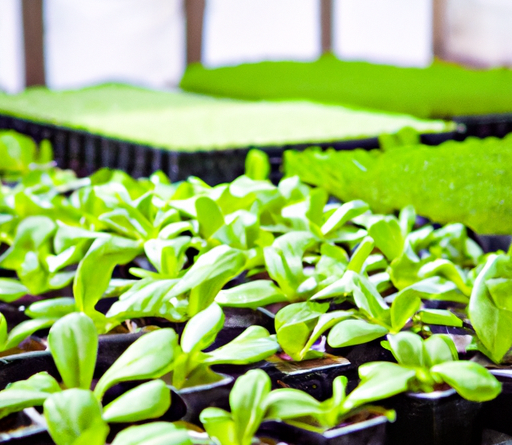
In this article, you will learn some useful tips for hydroponic gardening. We will explore different methods of hydroponic gardening and how to choose the right one for your space and needs. You will also discover the importance of proper nutrient management and how to maintain a healthy pH level. Additionally, we will discuss common pests and diseases in hydroponic gardens and provide tips on prevention and treatment. Finally, we will share some expert advice on maximizing plant growth and achieving successful yields in your hydroponic garden.
Benefits of Hydroponic Gardening
Hydroponic gardening is becoming increasingly popular among individuals who have limited space or live in urban areas. This innovative method of growing plants without soil offers numerous benefits over traditional gardening techniques. In this article, we will explore the advantages of hydroponic gardening and provide tips on how to set up and maintain your own hydroponic garden.
Elimination of Soil-Borne Diseases
One of the key benefits of hydroponic gardening is the elimination of soil-borne diseases. In traditional soil-based gardening, plants are susceptible to a variety of diseases that can be transmitted through the soil. These diseases can drastically reduce crop yields and even result in the death of the plants.
In a hydroponic system, plants are grown in a soil-less environment, which eliminates the risk of soil-borne diseases. Instead of relying on soil, plants are nourished by a nutrient-rich solution that is directly delivered to their roots. This not only reduces the risk of disease, but also allows plants to absorb nutrients more efficiently.
Optimal Use of Space
Another advantage of hydroponic gardening is the optimal use of space. Traditional gardening requires a significant amount of space to accommodate plants and their root systems. This can be a barrier for individuals who have limited outdoor space or live in apartments or urban areas where land is scarce.
Hydroponic systems, on the other hand, can be set up in a small space and can even be vertically stacked to maximize growing capacity. By removing the need for soil, plants can be densely packed together without competing for nutrients. This allows for a higher yield of crops in a smaller area, making hydroponic gardening an ideal solution for urban dwellers.
Higher Crop Yields
One of the most appealing benefits of hydroponic gardening is the potential for higher crop yields. In a traditional soil-based garden, plants often struggle to obtain the necessary nutrients and water from the soil. This can result in stunted growth and lower yields.
In a hydroponic system, plants have access to a constant supply of nutrient-rich solution, which allows them to grow more quickly and produce larger, healthier crops. Additionally, the controlled environment of a hydroponic system allows for optimal growing conditions, such as temperature, humidity, and lighting, which can further enhance crop yields.
Choosing the Right System
Now that you understand the benefits of hydroponic gardening, let’s explore some of the most popular systems available and how to choose the right one for your needs.
Nutrient Film Technique (NFT)
The Nutrient Film Technique (NFT) is one of the most widely used and beginner-friendly hydroponic systems. In this system, a thin film of nutrient-rich solution continuously flows over the roots of the plants, providing them with the necessary nutrients. The excess solution then drains back into the reservoir for reuse.
NFT systems are ideal for growing leafy greens and herbs, as they provide a constant supply of water and nutrients without drowning the plants’ roots. However, they may not be suitable for larger plants like tomatoes, which have deeper root systems.
Deep Water Culture (DWC)
Deep Water Culture (DWC) is another popular hydroponic system that is simple to set up and maintain. In this system, plants are suspended in a nutrient-rich solution with their roots submerged in water. Air pumps are used to supply oxygen to the roots, preventing them from rotting.
DWC systems are well-suited for larger plants like tomatoes, as they provide ample space for their root systems to spread out and access nutrients. However, they require careful monitoring of water levels and oxygenation to avoid suffocating the plants’ roots.
Ebb and Flow (Flood and Drain)
Ebb and Flow, also known as Flood and Drain, is a versatile hydroponic system that can accommodate a wide variety of plants. In this system, plants are placed in trays or pots filled with a growing medium, such as perlite or coconut coir.
Periodically, the nutrient solution floods the tray, submerging the roots of the plants. After a preset time, the solution is drained back into the reservoir, allowing the roots to access oxygen. This cycle is repeated several times a day, providing plants with optimal moisture and nutrient uptake.
Ebb and Flow systems are popular among hydroponic gardeners due to their simplicity and flexibility. They can be easily customized to accommodate different plant sizes and are suitable for a wide range of crops, including leafy greens, herbs, and tomatoes.

Selecting Suitable Plants for Hydroponic Gardening
Now that you have chosen the right hydroponic system for your needs, it’s time to select suitable plants for your garden. While almost any plant can be grown hydroponically, some varieties are better suited for this method of gardening.
Leafy Greens
Leafy greens, such as lettuce, spinach, and kale, are excellent choices for hydroponic gardening. They have shallow root systems that are well-suited for nutrient-rich environments and can be harvested multiple times throughout the growing season. Leafy greens thrive in low-light conditions, making them ideal for indoor hydroponic gardens.
Herbs
Herbs, such as basil, mint, and parsley, are also well-suited for hydroponic gardening. They require little space and can be grown in small pots or vertical gardens. Herbs are known for their strong flavors and can be harvested as needed, making them a convenient addition to any kitchen garden.
Tomatoes
Tomatoes are a popular crop for hydroponic gardening due to their high demand and potential for high yields. While they require more space and a larger hydroponic system to accommodate their root systems, tomatoes can be grown year-round in controlled environments. They require ample sunlight or grow lights and optimal temperatures to thrive.
Setting up a Hydroponic Garden
Now that you have selected suitable plants for your hydroponic garden, it’s time to set it up. Follow these steps to ensure a successful setup:
Determining the Location
First, determine the location for your hydroponic garden. Choose a spot that receives adequate sunlight or invest in grow lights if you plan on growing plants indoors. The location should also have access to water and be easily accessible for maintenance.
Building or Purchasing a Grow System
Next, decide whether you want to build your own DIY hydroponic system or purchase a pre-made system. There are numerous resources available online that provide step-by-step instructions for building your own system using readily available materials. Alternatively, you can purchase a complete hydroponic system that includes all the necessary components, such as trays, pumps, and timers.
Installing Grow Lights and Ventilation
If you are setting up an indoor hydroponic garden or don’t have access to adequate sunlight, install grow lights to ensure that your plants receive the necessary light for photosynthesis. LED grow lights are a popular choice among hydroponic gardeners due to their energy efficiency and the ability to provide specific light spectrums for different stages of plant growth.
Additionally, ensure proper ventilation in your growing area to prevent the buildup of heat and humidity, which can be detrimental to plant health. Use fans or an exhaust system to maintain optimal airflow and control temperature and humidity levels.

Managing Nutrient Solution
One of the key aspects of hydroponic gardening is managing the nutrient solution that nourishes your plants. Here are some tips on selecting the right nutrient solution and maintaining it for optimal plant growth.
Choosing the Right Nutrient Solution
There are numerous nutrient solutions available on the market that are specifically formulated for hydroponic gardening. Look for a solution that is suited for the types of plants you are growing and provides a balanced mix of macronutrients (nitrogen, phosphorus, and potassium) and micronutrients.
It’s important to follow the manufacturer’s instructions for dilution rates and application frequency. Avoid using excessive amounts of nutrients, as this can lead to nutrient burn and damage to your plants’ roots.
Monitoring pH Levels
pH is a measure of the acidity or alkalinity of a solution and is a critical factor in hydroponic gardening. The nutrient solution should have a pH level that is suitable for the plants you are growing. Most plants prefer a slightly acidic pH, around 5.5 to 6.5.
Use a pH testing kit or a digital pH meter to regularly monitor the pH level of your nutrient solution. If the pH is too high or too low, adjust it using pH-up or pH-down solutions. This will ensure that your plants can effectively absorb the nutrients they need for optimal growth.
Adjusting Nutrient Concentrations
As your plants grow, their nutrient requirements may change. It’s important to regularly monitor the nutrient concentration in your solution and adjust it accordingly. Nutrient deficiencies or excesses can manifest as leaf discoloration, stunted growth, or other visible signs of stress.
Follow the manufacturer’s instructions for the appropriate nutrient concentrations for different stages of plant growth, such as vegetative growth and flowering. Be mindful of the specific needs of the plants you are growing and make adjustments as necessary.
Maintaining Ideal Growing Conditions
To ensure the success of your hydroponic garden, it’s important to maintain ideal growing conditions for your plants.
Controlling Temperature and Humidity
Temperature and humidity play a crucial role in plant growth and can significantly impact the success of your hydroponic garden. Most plants thrive in temperatures between 65 and 80 degrees Fahrenheit (18 to 27 degrees Celsius). However, different plants may have specific temperature preferences, so it’s important to research the optimal temperature range for your crops.
Maintain humidity levels between 40% to 60% to prevent the development of mold and other fungal diseases. Use a humidity monitor and a dehumidifier or humidifier to regulate humidity levels in your growing area.
Providing Adequate Airflow
Proper airflow is essential for plant health in a hydroponic system. It helps prevent the buildup of heat and humidity, ensures the adequate exchange of gases for photosynthesis, and strengthens plant stems. Install exhaust fans or use oscillating fans to maintain optimal airflow in your growing area.
Preventing Pests and Diseases
While hydroponic gardening significantly reduces the risk of soil-borne diseases, pests and diseases can still pose a threat to your plants. Regularly inspect your plants for any signs of pests or diseases, such as yellowing leaves, holes in leaves, or the presence of insects.
To prevent pests, use organic pest control methods, such as neem oil or insecticidal soap. Practice good hygiene by cleaning your hydroponic system regularly and removing any dead or decaying plant matter. This will help prevent the spread of diseases and pests.
Watering and Feeding Schedule
Establishing a regular watering and feeding schedule is crucial for the success of your hydroponic garden. Here are some tips to help you maintain a proper routine:
Establishing a Watering and Feeding Routine
Plants in a hydroponic system rely on the nutrient solution for their water and nutrient intake. Establish a regular schedule for watering and feeding your plants that is suitable for the crops you are growing. This schedule may vary depending on the plants’ growth stage and environmental conditions.
Pay attention to the moisture levels of the growing medium and the appearance of your plants. Over time, you will develop a sense of when your plants require water and nutrients.
Avoiding Overwatering
Overwatering is a common mistake in hydroponic gardening that can lead to root rot and other plant health problems. Ensure that your hydroponic system has proper drainage to allow excess water to escape. Monitor the moisture levels of the growing medium and water only when necessary.
Avoid leaving your plants sitting in standing water, as this can suffocate the roots and result in root rot. Regularly check the water levels in your reservoir and adjust accordingly.
Maintaining Nutrient Balance
Maintaining a proper nutrient balance is crucial for the health and productivity of your plants. Over time, the nutrient concentration in your solution may become depleted. Monitor the nutrient levels in your reservoir and top up as necessary to maintain the desired nutrient concentrations.
Regularly check your plants for any signs of nutrient deficiencies or excesses, such as yellowing leaves or stunted growth. Adjust the nutrient concentrations in your solution accordingly to ensure that your plants are receiving the optimal balance of nutrients.
Harvesting and Pruning Techniques
Once your plants reach maturity, it’s time to harvest and prune them to ensure ongoing growth and productivity.
Harvesting at the Right Time
The timing of harvest will vary depending on the crops you are growing. Research the specific harvesting guidelines for your plants to ensure that they are harvested at the peak of ripeness.
When harvesting leafy greens, such as lettuce or kale, simply cut the outer leaves, leaving the center intact to allow for continuous growth. For herbs, pinch off the top leaves, leaving the lower leaves to encourage new growth.
When harvesting tomatoes, wait until the fruits reach their full color and easily detach from the vine. Avoid pulling or twisting the tomatoes, as this can damage the plant.
Pruning for Growth and Productivity
Pruning is an essential technique in hydroponic gardening that helps promote growth and increase productivity. Regularly prune off any dead or yellowing leaves to prevent the spread of diseases and pests. This also allows more energy to be directed towards new growth.
For plants that tend to grow tall and leggy, such as tomatoes, regularly pinch off the top growth to encourage lateral branching and a more bushy shape. This will result in more flowers and eventually, more fruits.
Preventing Overcrowding
In a hydroponic system, plants can grow quickly and may become overcrowded if not properly managed. Allow adequate space between plants to ensure proper airflow and prevent the spread of diseases.
If plants become too crowded, consider transplanting them to a larger hydroponic system or removing excess plants to maintain optimal growing conditions.
Troubleshooting Common Issues
Despite your best efforts, you may encounter some common issues in your hydroponic garden. Here are some tips to help you troubleshoot and resolve these problems.
Identifying Nutrient Deficiencies
Nutrient deficiencies can manifest as specific symptoms in your plants. For example, a nitrogen deficiency may result in stunted growth and yellowing leaves, while a potassium deficiency may cause burnt leaf edges.
Regularly inspect your plants for any signs of nutrient deficiencies and adjust your nutrient solution accordingly. Consult a nutrient deficiency chart or consult with an experienced hydroponic gardener for guidance.
Dealing with Plant Stress
Plants in a hydroponic system can be subject to various forms of stress, such as temperature fluctuations, nutrient imbalances, or extreme light conditions. This can result in stunted growth, reduced crop yields, or even the death of your plants.
Monitor your plants for any signs of stress, such as wilting or discoloration. Identify the source of the stress and take corrective action. This may involve adjusting environmental conditions, nutrient concentrations, or other factors affecting plant health.
Managing Root Rot
Root rot is a common problem in hydroponic gardening that can result from overwatering or poor drainage. If you notice a foul smell or mushy roots, it’s likely that your plants are suffering from root rot.
To manage root rot, remove any affected plants immediately to prevent the spread of the disease. Adjust your watering schedule to avoid overwatering and ensure that your hydroponic system has proper drainage. Consider using beneficial bacteria or fungus treatments to help combat root rot.
Conclusion
Hydroponic gardening offers numerous benefits over traditional soil-based gardening, including the elimination of soil-borne diseases, optimal use of space, and higher crop yields. By choosing the right hydroponic system, selecting suitable plants, and maintaining ideal growing conditions, you can enjoy a bountiful and successful garden right in your own home.
Follow the tips provided in this article to set up and maintain your own hydroponic garden. With some patience, dedication, and a little bit of green-thumb magic, you’ll have a thriving hydroponic garden that produces delicious and nutritious crops year-round. Happy gardening!


