


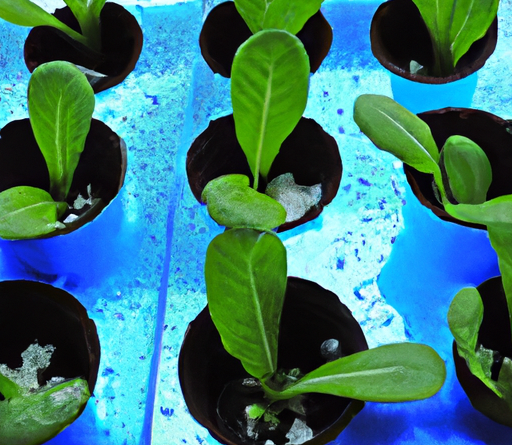
Are you interested in learning how to propagate and transplant hydroponic plants? Well, you’ve come to the right place! In this article, we will explore the process of propagating and transplanting hydroponic plants, step by step. Whether you’re a beginner or an experienced hydroponic gardener, this article will provide you with the knowledge you need to successfully propagate and transplant your plants. So, let’s get started and delve into the wonderful world of hydroponics!
Curious to know more about the fascinating world of propagating and transplanting hydroponic plants? In this article, you will discover the benefits of propagating and transplanting your hydroponic plants, as well as the different methods you can use to propagate them. From stem cuttings to seed propagation, we will discuss each technique in detail and provide tips and tricks for success. Additionally, we will guide you through the process of transplanting your hydroponic plants, ensuring they thrive in their new environment. So, whether you’re looking to expand your hydroponic garden or simply trying your hand at propagating plants, this article will provide you with all the information you need. Stay tuned!
Understanding Hydroponic Plant Propagation
Hydroponic plant propagation is the process of growing new plants from seeds, cuttings, or tissues in a controlled and nutrient-rich water-based solution. It is an essential step in the hydroponic gardening process, allowing gardeners to reproduce and expand their plant collection.
What is hydroponic plant propagation?
Hydroponic plant propagation involves growing plants without the use of soil. Instead, plants are grown in water-based solutions that contain all the necessary nutrients required for their growth. This method allows for more precise control over the growing conditions, resulting in faster growth rates and healthier plants.
Why is hydroponic plant propagation important?
Hydroponic plant propagation is important for several reasons. Firstly, it allows gardeners to maximize their plant yield by producing multiple clones or seedlings from a single plant. This is particularly useful for commercial growers who want to increase their crop production. Additionally, hydroponic plant propagation ensures that each plant is genetically identical to the parent plant, guaranteeing uniformity in terms of quality, yield, and growth characteristics.
Benefits of hydroponic plant propagation
There are numerous benefits associated with hydroponic plant propagation. Firstly, it allows for year-round growing, as plants can be propagated and transplanted regardless of the outdoor climate. This is especially advantageous in regions with shorter growing seasons or extreme weather conditions. Additionally, hydroponic propagation enables faster growth rates, resulting in quicker harvests and increased productivity. The controlled environment of hydroponics also minimizes the risk of pests and diseases, further enhancing plant health and yield.
Methods of Hydroponic Plant Propagation
Seed propagation in hydroponics
Seed propagation is a common method for starting plants in hydroponics. This process involves germinating seeds in a controlled environment, usually in a growing medium such as rockwool cubes or peat pellets. Once the seeds have sprouted, they can be transplanted into a hydroponic system. Seed propagation allows for genetic diversity and is particularly useful for growing plants from heirloom or specialty seeds.
Cloning or vegetative propagation in hydroponics
Cloning or vegetative propagation involves taking cuttings from a mature plant and allowing them to root and grow into new plants. This method ensures that the new plants are genetically identical to the parent plant and preserves desirable traits. In hydroponics, cuttings are typically placed in a rooting medium such as rockwool cubes or foam plugs until they develop roots. Once rooted, the clones can be transplanted into a hydroponic system.
Tissue culture for hydroponic plant propagation
Tissue culture is a more advanced method of hydroponic plant propagation. It involves taking small tissue samples from the parent plant and growing them under sterile conditions in a laboratory. This technique allows for large-scale propagation and rapid multiplication of plants. Tissue culture is often used for propagating rare or endangered plant species and allows for the production of disease-free plants.
Choosing the Right Medium for Propagation
Importance of choosing the right medium
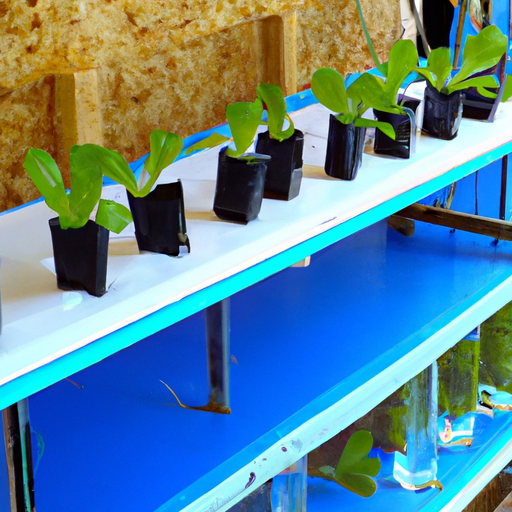
Choosing the right propagation medium is crucial for the success of hydroponic plant propagation. The medium provides support to the plants’ roots, helps maintain moisture levels, and facilitates nutrient absorption. It is essential to select a medium that promotes root growth and provides optimal conditions for healthy plant development.
Different types of propagation mediums for hydroponics
There are several types of propagation mediums commonly used in hydroponics. Rockwool cubes, peat pellets, and foam plugs are popular choices for seed germination and cloning. These mediums provide a stable and sterile environment for root development. Coco coir, perlite, and vermiculite are also used as propagation mediums, offering good water retention and drainage properties.
Considerations for selecting the ideal medium
When selecting a propagation medium, consider factors such as water retention, drainage, pH stability, and air porosity. Different plants have varying requirements, so it is essential to choose a medium that best suits the specific needs of the plant species being propagated. Additionally, consider the sustainability and reusability of the medium, as well as the ease of handling and availability.
Creating the Ideal Environment for Propagation
Temperature and humidity requirements for hydroponic plant propagation
Maintaining the correct temperature and humidity levels is crucial for successful hydroponic plant propagation. Most plants thrive in temperatures between 70-80°F (21-27°C) and require a relative humidity of around 50-70%. It is important to monitor and control these environmental factors to ensure optimal root development and plant growth.
Lighting needs during propagation
Lighting is another critical factor in hydroponic plant propagation. Plants require adequate light for photosynthesis and healthy growth. During the propagation stage, providing 16-18 hours of light per day is typically sufficient. High-quality LED grow lights are commonly used in hydroponic systems as they provide the right spectrum and intensity for optimal plant growth.
Air circulation and ventilation considerations
Proper air circulation and ventilation are essential for preventing excessive humidity, diseases, and mold growth in the propagation area. The use of fans and ventilation systems helps to maintain fresh air supply and promotes better transpiration. Adequate air movement also strengthens the plants’ stems and reduces the risk of fungal diseases.
Nutrient Requirements for Successful Propagation
Essential nutrients for hydroponic plant propagation
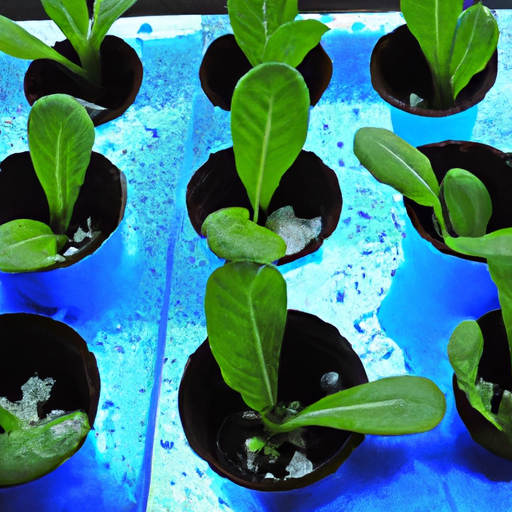
During the propagation stage, plants require the same essential nutrients as in the vegetative and flowering stages. These include macronutrients such as nitrogen (N), phosphorus (P), and potassium (K), as well as micronutrients like iron (Fe), manganese (Mn), and zinc (Zn). Using a balanced nutrient solution specifically formulated for propagation ensures that plants receive all the necessary elements for healthy growth.
Balancing nutrient ratios during propagation
Maintaining proper nutrient ratios is important for hydroponic plant propagation. Too much nitrogen, for example, can lead to excessive leaf growth and weak stems, while a deficiency in phosphorus can hinder root development. It is crucial to follow the recommended nutrient ratios for each stage of growth and adjust accordingly based on the plants’ specific needs.
Importance of monitoring nutrient levels
Regular monitoring of nutrient levels is essential to ensure that plants are receiving a balanced and adequate supply of nutrients. This can be done through regular pH and electrical conductivity (EC) measurements of the nutrient solution. Adjustments can be made as needed to maintain optimal nutrient levels and prevent deficiencies or toxicities.
Transplantation Techniques for Hydroponic Plants
When to transplant hydroponic plants
Knowing when to transplant hydroponic plants is crucial for their successful growth. Seedlings should be transplanted once they have developed strong root systems and at least two sets of true leaves. Clones should be transplanted once they have established roots and are showing new growth. It is important not to transplant too early or too late, as this can stress the plants and hinder their overall development.
Transplanting seedlings into a hydroponic system
When transplanting seedlings into a hydroponic system, carefully remove the seedlings from the propagation medium, being cautious not to damage the roots. Place the seedlings into their new hydroponic net pots or growing channels, ensuring that the roots are well-positioned and covered with a suitable growing medium. Gently firm the medium around the roots to provide stability.
Transplanting clones or propagated plants
Transplanting clones or propagated plants is similar to transplanting seedlings. Remove the rooted clones from the propagation medium, taking care not to damage the delicate roots. Place the clones into their new hydroponic system, making sure to position the roots securely and provide adequate support. It is important to handle the plants with care during this process to prevent any damage or stress.
Adapting Transplanted Hydroponic Plants
Hardening off transplanted plants
After transplanting hydroponic plants, it is crucial to allow them to acclimate or harden off to their new environment gradually. Start by reducing the light intensity and duration for a few days to prevent transplant shock. Once the plants have adjusted, gradually increase the light and nutrient levels to match the optimal growing conditions.
Adjusting nutrient solution strength for transplants
Transplanted plants may require adjustments to the nutrient solution strength. Start with a diluted nutrient solution and gradually increase its strength as the plants establish themselves in the new system. Monitoring the plants’ nutrient uptake and adjusting the solution accordingly helps prevent over or underfeeding, ensuring optimal growth.
Gradually acclimating plants to grow system conditions
Hydroponic plants should be gradually acclimated to the specific conditions of the grow system, such as temperature, humidity, and air circulation. This gradual transition allows the plants to adapt and thrive in their new environment. Making sudden changes to the growing conditions can cause stress and hinder the plants’ growth and development.
Maintaining Transplanted Hydroponic Plants
Proper watering and nutrient delivery
Maintaining proper watering and nutrient delivery is essential for the health and growth of transplanted hydroponic plants. Ensure that the plants receive an adequate amount of nutrient-rich water, avoiding over or under-watering. Regularly check the pH and EC levels of the nutrient solution and adjust as necessary to provide optimal conditions for plant growth.
Supporting plant growth with trellising or staking
Some hydroponic plants, such as tomatoes or cucumbers, require additional support as they grow to prevent them from collapsing under their weight. Trellising or staking systems can be used to provide the necessary support and ensure proper plant growth. Regularly monitor the plants and provide the necessary support structures to promote healthy and upright growth.
Monitoring plant health and addressing issues
Regular monitoring of plant health is crucial to address any issues promptly. Keep an eye out for signs of nutrient deficiencies, pests, diseases, or environmental stress. Adjust the nutrient solution, address any pest or disease problems, and make necessary changes to the growing environment. Taking proactive measures ensures that the transplanted hydroponic plants remain healthy and productive.
Tips for Successful Hydroponic Plant Propagation and Transplantation
Maintaining cleanliness and hygiene in the propagation area
Maintaining a clean and hygienic propagation area is essential to prevent the spread of diseases and pests. Regularly clean and sanitize equipment, growing trays, and propagation mediums. Tools should be sterilized before use, and hands should be washed thoroughly to prevent the introduction of pathogens that can harm plant health.
Using rooting hormones or additives for enhanced propagation
Rooting hormones or additives can be used to enhance the success of hydroponic plant propagation. These products contain growth-stimulating compounds that encourage root development and faster growth. Follow the instructions provided by the manufacturer to ensure the proper dosage and application of rooting hormones or additives.
Keeping detailed records for future reference
Keeping detailed records of the hydroponic plant propagation and transplantation process is valuable for future reference and improvement. Record information such as the date of propagation, the medium used, environmental conditions, nutrient solution strength, and any observations or issues encountered. This information can assist in troubleshooting and refining the propagation process for better results in the future.
Conclusion
Hydroponic plant propagation and transplantation are crucial steps in the successful growth of plants in a hydroponic system. By understanding the various methods of propagation, choosing the right medium, creating an ideal environment, providing the necessary nutrients, and properly transplanting and adapting the plants, you can ensure healthy and productive growth. Remember to maintain proper watering and nutrient delivery, support plant growth when necessary, and monitor plant health. By following these tips and techniques, you can successfully propagate and transplant hydroponic plants and enjoy a bountiful harvest. Happy growing!


