


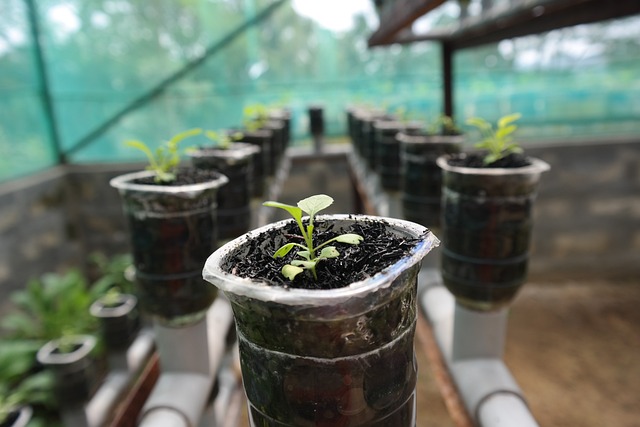
Are you curious about what kinds of plants can be grown hydroponically? Well, in this article, we will explore the various types of plants that thrive in a hydroponic environment. Hydroponics is a method of growing plants without soil, using water and nutrient-rich solutions instead. It offers several advantages over traditional soil-based growing, such as faster growth rates and higher yields. So, if you’re interested in learning more about the wide range of plants that can be successfully grown hydroponically, keep reading!
In this article, you’ll discover that the options for hydroponic plants are virtually endless. From leafy greens like lettuce and spinach to fruits like strawberries and tomatoes, many plants adapt well to hydroponic systems. You’ll also learn about the specific requirements and considerations for each type of plant, including the ideal nutrient solutions, temperature, and lighting conditions. So, whether you’re a beginner looking to start your hydroponic garden or an experienced grower searching for new additions, this article will provide you with valuable insights and inspiration for your hydroponic plant selection. Stay tuned to find out more! Hydroponic gardening has become increasingly popular in recent years, as it allows you to grow plants without soil. This method of gardening has numerous benefits, including increased growth rates, higher yields, and the ability to grow plants in limited space. But what types of plants can be grown hydroponically? In this article, we will explore the various categories of plants that thrive in a hydroponic system.
Herbs and Leafy Greens
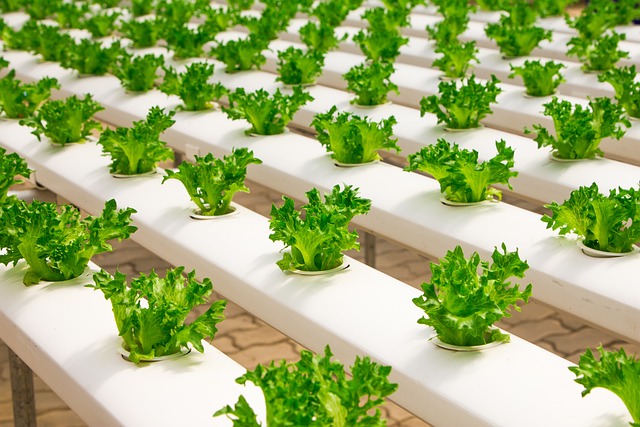
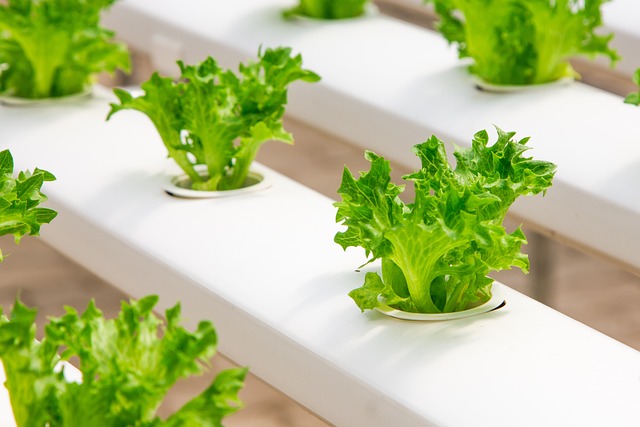
If you have a craving for fresh herbs and leafy greens, hydroponics is a perfect solution. Basil is an excellent herb to grow hydroponically, as it requires plenty of water and sunlight. Lettuce varieties such as romaine, butterhead, and bibb also thrive in hydroponic systems. Cilantro, with its vibrant green leaves, and nutrient-dense spinach are two other options that are well-suited for hydroponic cultivation.
Fruiting Plants
One might assume that fruiting plants would be a challenge to grow in a hydroponic system, but that is not the case. Tomatoes are a popular choice, as they grow well in a nutrient-rich environment. Cucumbers, both slicing and pickling varieties, can also be grown hydroponically and yield great results. Peppers, such as bell peppers and chili peppers, are another fruitful option for your hydroponic garden. And if you have a sweet tooth, why not try growing strawberries hydroponically? With careful attention to temperature and lighting, you can enjoy juicy, homegrown strawberries throughout the year.
Root Vegetables
Root vegetables may not be the first thing that comes to mind when considering hydroponic gardening, but they can thrive in this controlled environment. Carrots, with their vibrant colors and crisp textures, can be successfully grown in a hydroponic system. Radishes, known for their peppery taste, are another delicious option. Beets, with their earthy flavors, and onions, with their culinary versatility, can also be cultivated hydroponically.
Edible Flowers
Edible flowers not only add visual appeal to dishes but also bring unique flavors to the table. Marigolds, with their vibrant orange and yellow petals, can be grown hydroponically and used as a garnish or infused into oils for added flavor. Nasturtiums, aside from their beauty, have a peppery taste that adds a delightful kick to salads and other dishes. Calendula, commonly known as pot marigold, and hibiscus, with its tropical appeal, are two other edible flowers that flourish in hydroponic gardens.
Microgreens
Microgreens are a trendy addition to salads, sandwiches, and other culinary creations. These miniature versions of leafy greens are packed with flavor and nutrients. Broccoli microgreens, with their mild, nutty taste, are a popular choice in hydroponic gardening. Pea shoots, known for their delicate flavor and crunchy texture, can also be grown hydroponically. Sunflower microgreens, with their nutty and slightly sweet flavor, and radish microgreens, which have a spicy kick, are two other options that thrive in hydroponic systems.
Perennial Herbs and Vegetables
Perennial herbs and vegetables are great choices for hydroponic gardening, as they can provide a continuous supply of fresh ingredients. Rosemary, with its distinct aroma and flavor, is a favorite among chefs and home cooks alike. Thyme, known for its versatility in cooking, can also be grown hydroponically. If you have the space, artichokes and asparagus can be grown hydroponically and provide a bountiful harvest year after year.
Medicinal Plants
Apart from culinary plants, hydroponic gardening can also support the growth of medicinal plants. Aloe vera, known for its soothing and healing properties, is one such plant that thrives in a hydroponic system. Lavender, with its aromatic blooms and calming effects, can also be cultivated hydroponically. Chamomile, known for its relaxing properties, and echinacea, with its immune-boosting benefits, are two other medicinal plants that can be grown hydroponically.
Succulents
Succulents, with their unique shapes and ability to store water, are excellent candidates for hydroponic gardening. Aloe vera, in addition to its medicinal uses, can be grown hydroponically as an attractive and low-maintenance houseplant. Jade plants, with their thick, round leaves, are another aesthetically pleasing succulent option. The snake plant, known for its resilience and air-purifying qualities, and sedum, with its diverse range of foliage, can also thrive in a hydroponic system.

Aquatic Plants
If you’re looking to venture beyond traditional hydroponic plants, aquatic plants offer a fascinating alternative. Watercress, with its crisp and peppery taste, can be grown hydroponically in a controlled aquatic environment. Water lettuce, known for its floating leaves and unique appearance, and water spinach, with its tender shoots and vibrant green color, can also be cultivated hydroponically. Water hyacinth, a beautiful flowering plant, is another aquatic option to consider for your hydroponic garden.
In conclusion, there is a wide variety of plants that can be grown hydroponically. From herbs and leafy greens to fruiting plants, root vegetables, edible flowers, microgreens, perennial herbs and vegetables, medicinal plants, succulents, and even aquatic plants, the possibilities are virtually endless. With careful attention to lighting, temperature, and nutrient levels, you can create a thriving hydroponic garden and enjoy a bountiful harvest all year round. So, why not give hydroponic gardening a try and discover the joy of growing your own plants in a soil-less environment? Happy hydroponic gardening!


