


So you’ve always loved flowers, but perhaps you’re looking for a more efficient and sustainable way to grow them. Look no further than hydroponic systems. These innovative cultivation methods offer a range of benefits for flower enthusiasts, from faster growth and higher yields to reduced water usage and fewer pests to contend with. Whether you’re a seasoned gardener or just beginning to dabble in cultivation, this article will explore the advantages of growing flowers in hydroponic systems and why it might just be the perfect solution for your blooming ambitions.
Improved Plant Health
Disease and pest control
In traditional soil-based cultivation, plants are more susceptible to diseases and pests that can harm their health and reduce their overall productivity. However, by utilizing hydroponic systems for flower cultivation, you can exercise improved control over these issues. Hydroponic systems prevent the spread of soil-borne diseases and discourage pests such as slugs, snails, and nematodes. With the ability to closely monitor and regulate the growing environment, you can implement effective pest control measures without the need for harmful chemical pesticides.
Optimal nutrient uptake
Plants grown in hydroponic systems experience enhanced nutrient uptake compared to those grown in soil. This is because hydroponics provides a direct and precise delivery of nutrients to the plant roots. By carefully manipulating the nutrient solution, you can ensure that the plants receive all the essential elements they need for healthy growth. This optimal nutrient uptake results in vigorous plant growth and improved overall plant health.
Reduced risk of root rot
In traditional soil-based cultivation, overwatering or poor drainage can lead to root rot, eventually causing plant death. However, in hydroponic systems, this risk is significantly reduced. By utilizing techniques such as ebb and flow or drip irrigation, excess water is easily drained away, preventing the roots from becoming waterlogged and susceptible to rot. This reduces the chances of plant diseases caused by water stagnation, promoting healthier and more vibrant flowers.
Increased Control and Precision
Environmental control
One of the major advantages of hydroponic systems is the ability to have precise control over the growing environment. Parameters such as temperature, humidity, and lighting can be easily adjusted and optimized to create the ideal conditions for flower cultivation. This level of control minimizes stress on the plants and allows them to thrive, resulting in healthier and more productive flower yields.
Nutrient control
Hydroponics provides the opportunity to monitor and regulate the nutrient levels in the growing medium with great precision. You have the freedom to tailor the nutrient solution to meet the specific requirements of the flower species being cultivated. By fine-tuning the nutrient concentration and composition, you can promote optimal growth, stronger root development, and vibrant flower colors.
Water control
Traditional soil-based cultivation often leads to water wastage due to inefficient absorption and evaporation. However, in hydroponic systems, water usage is significantly reduced. The water in the system is carefully circulated and recycled, minimizing waste. Additionally, you have better control over the water availability to the plants, preventing over or under-watering. This not only conserves water but also promotes healthier plants with improved flower quality.
Year-Round Flower Production
Elimination of seasonal limitations
One of the biggest advantages of hydroponic flower cultivation is the elimination of seasonal limitations. In traditional agriculture, flower production is often limited to specific seasons due to climatic restrictions. However, with hydroponics, you can create the ideal growing conditions indoors or in controlled environments, allowing for year-round flower production. This continuous production ensures a steady supply of flowers regardless of the external weather conditions.
Extended flowering periods
Hydroponic systems provide favorable conditions for flower plants, extending their flowering periods. With precise control over factors such as light exposure and nutrient availability, you can stimulate and prolong the flowering phase. This means that your flowers can continue to bloom for extended durations, providing an extended period of beauty and enjoyment.
Continuous availability
Hydroponic flower cultivation offers the advantage of continuous availability. By implementing staggered or rotational planting schedules, you can ensure a consistent and uninterrupted supply of flowers throughout the year. This is especially beneficial for flower businesses or individuals who rely on a steady stream of blooms for various occasions and events.
Higher Flower Quality
Enhanced coloration
Flower enthusiasts and buyers appreciate vibrant and striking colors in their blooms. Hydroponic flower cultivation enables you to achieve enhanced coloration in your flowers. By carefully manipulating factors such as nutrient concentration, light spectrum, and photoperiod, you can optimize the pigmentation and intensify the hues of the flowers. This results in a visually captivating bouquet or arrangement that stands out from conventionally grown flowers.
Uniform shape and size
In hydroponic systems, plants grow with minimal competition for resources, resulting in uniform growth patterns. This means that the flowers produced have consistent shape and size, making them more aesthetically appealing and marketable. Consistency in appearance is highly sought after in the floral industry, as it allows for greater control in designing and arranging flower compositions.
Improved fragrance
The controlled environment of hydroponic flower cultivation can also enhance the fragrance of the flowers. By managing factors such as temperature, humidity, and nutrient availability, you can optimize the production of volatile compounds responsible for the characteristic scents of the flowers. This results in a more pronounced and appealing fragrance, enhancing the sensory experience and enjoyment of the flowers.
Maximized Flower Yield
Optimized plant spacing
In hydroponic systems, the absence of soil allows for more efficient use of space. With properly designed setups, you can maximize flower yield by optimizing plant spacing. By strategically placing plants in proximity to each other, you create an environment that maximizes sunlight penetration, air circulation, and efficient use of resources. This results in higher flower density and increased productivity per unit area.
Increased plant density
Hydroponic systems enable higher plant density compared to soil-based cultivation. With the precise control over nutrients and the elimination of competition for resources, you can accommodate more plants within a given area. This increased plant density allows for higher flower yield, making hydroponics an attractive option for commercial flower production.
Faster growth rates
By providing plants with all the required nutrients and optimal environmental conditions, hydroponic systems facilitate accelerated growth rates. Compared to traditional soil-based cultivation, plants in hydroponics can grow faster and reach maturity earlier. This means you can enjoy a quicker turnover and more frequent harvests, leading to increased flower yield over time.
Water Conservation
Limited water usage
Hydroponic systems are known for their efficient use of water compared to traditional cultivation methods. By directly delivering water to the plant roots in a controlled manner, hydroponics eliminates water wastage due to runoff or inefficient absorption. This efficient water management not only conserves a valuable resource but also reduces the associated costs of water consumption.
Reduced evaporation
In traditional agriculture, water evaporates from the soil surface, resulting in significant water loss. However, in hydroponics, the water is contained within a closed system, minimizing evaporation. By reducing water loss through evaporation, hydroponics further contributes to water conservation efforts and ensures that the plants receive the maximum benefits from the available water.
Recirculation systems
Hydroponic setups often incorporate recirculation systems, where the water used in the system is continuously recycled. This means that any water that is not directly taken up by the plants is collected, treated, and reused. By reusing the water, hydroponics reduces the overall water consumption significantly, making it an environmentally sustainable choice for flower cultivation.
Reduced Environmental Impact
Minimized pesticide and fertilizer runoff
Traditional agriculture often results in the runoff of pesticides and fertilizers, leading to environmental contamination. In hydroponic systems, there is minimal to no runoff, as the nutrient solution is contained within the system. This reduces the risk of harmful chemicals entering water bodies and ecosystems, minimizing the environmental impact of flower cultivation.
Lower energy consumption
Hydroponic systems require careful control of environmental factors such as lighting, temperature, and humidity. However, advancements in technology have made it possible to utilize energy-efficient equipment and lighting options, minimizing the overall energy consumption of hydroponics. By incorporating energy-saving measures, hydroponics contributes to sustainable flower cultivation while reducing the carbon footprint.
Controlled waste management
Hydroponic systems offer better control over waste management compared to traditional soil-based cultivation. Any excess water, nutrient solution, or plant waste can be easily collected and properly managed. This reduces the risk of contamination or pollution, ensuring environmentally responsible flower cultivation practices. Proper waste management also contributes to the overall cleanliness and aesthetics of the hydroponic setup.
Space Efficiency
Vertical cultivation possibilities
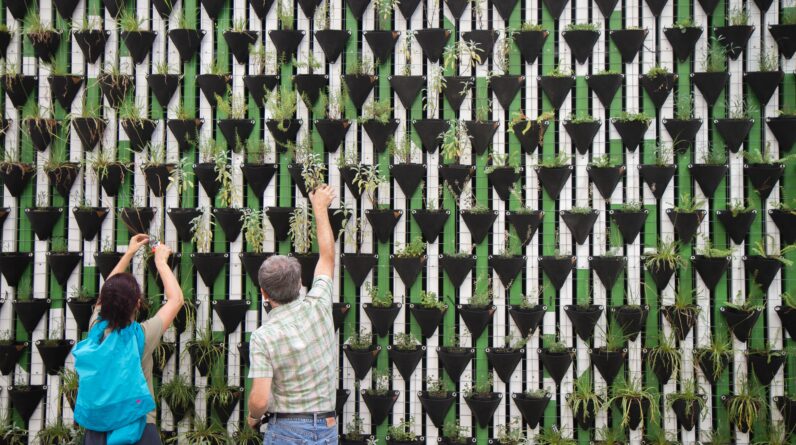
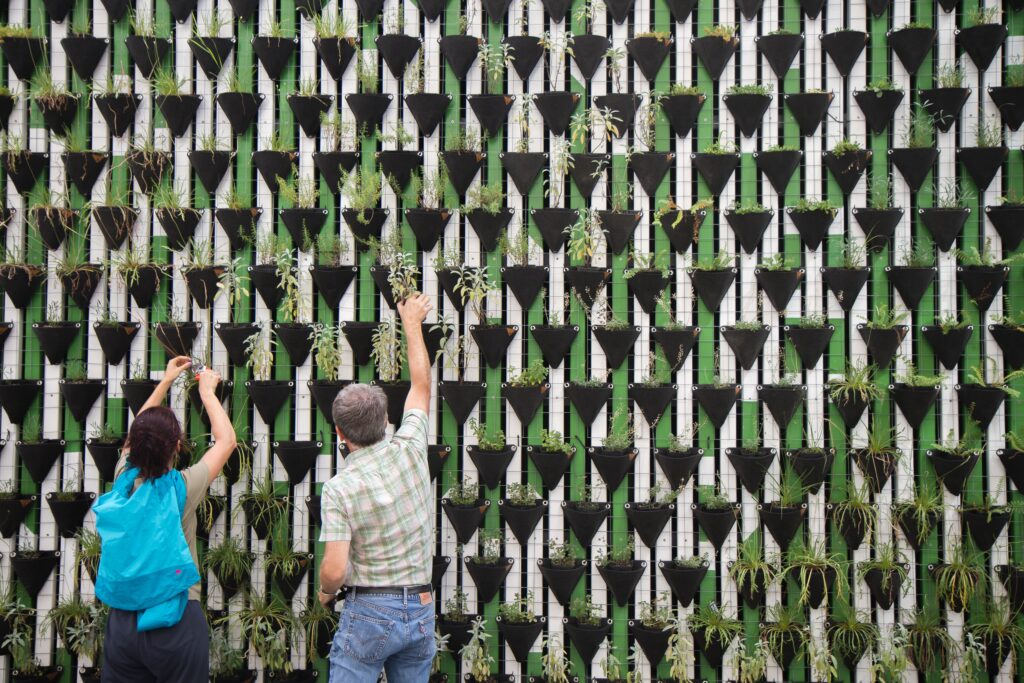
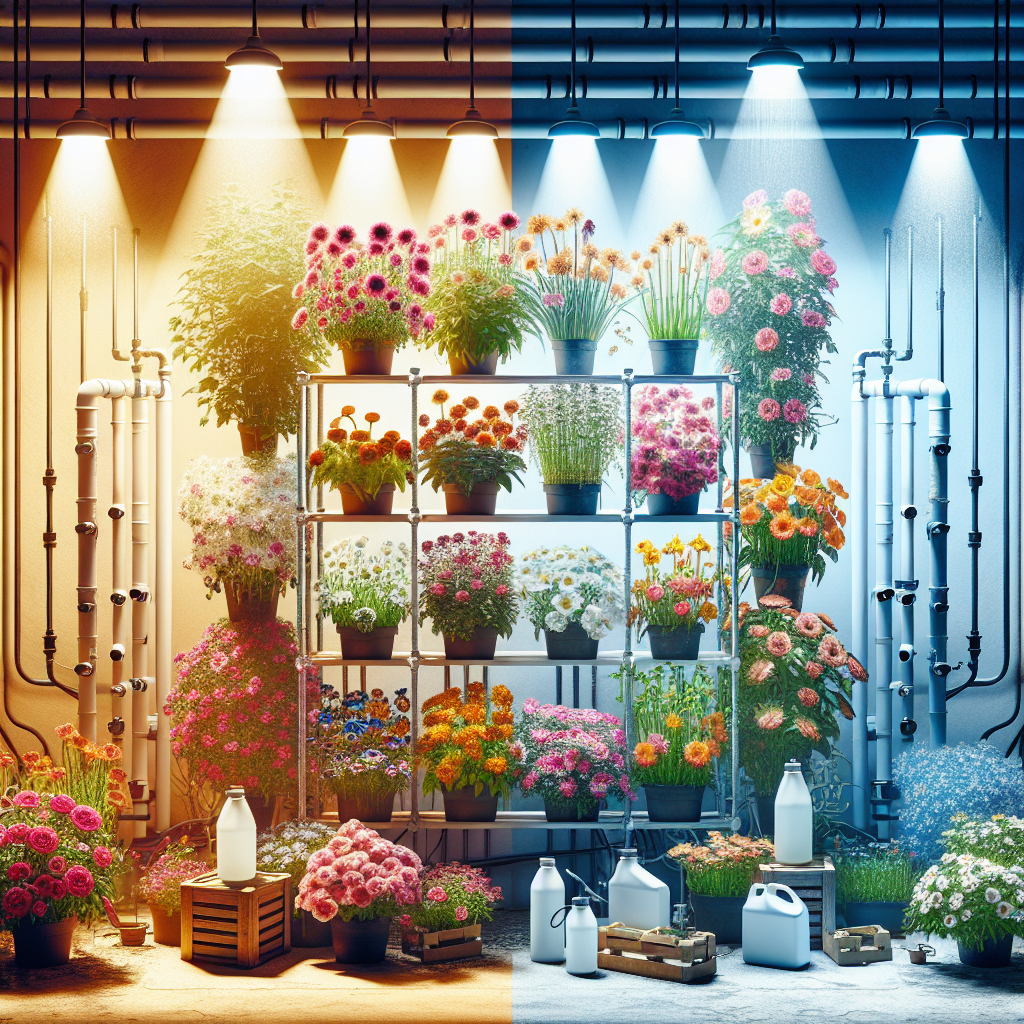
Hydroponic systems allow for vertical cultivation, making efficient use of limited space. Vertical structures, such as vertical gardens or racks, provide additional growing areas for flowers. By utilizing the height of the growing space, you can significantly increase the total plant capacity, enabling more flower production within the same footprint. This makes hydroponics an ideal choice for urban environments or areas with limited land availability.
Utilization of vertical space
Traditional soil-based cultivation often limits plant growth to the horizontal surface area. However, hydroponic systems utilize both vertical and horizontal space, enabling more plants to be cultivated within the same area. Plants can be grown in stacked trays, shelves, or hanging systems, efficiently utilizing the available space and maximizing flower production.
Increased crop density
The controlled nature of hydroponic systems allows for higher crop density compared to traditional farming methods. With efficient nutrient delivery, plants can be placed in closer proximity to each other, increasing the number of plants per unit area. This increased crop density maximizes the utilization of space and ensures optimal resource utilization, resulting in higher flower yields.
Flexibility in Location
Suitable for urban environments
Hydroponic flower cultivation is particularly well-suited for urban environments. With limited access to arable land, hydroponic systems provide a viable solution for city dwellers interested in flower cultivation. Whether you have a small balcony, rooftop, or even a dedicated indoor space, hydroponics can be adapted to fit various urban settings, offering the opportunity to grow beautiful flowers regardless of location.
Adaptable to various climates
Hydroponic systems offer the advantage of climate control, making them adaptable to a wide range of climates. Whether you live in a region with extreme temperatures, high humidity, or limited sunlight, hydroponics can create an ideal growing environment for flower cultivation. By adjusting parameters such as temperature, humidity, and lighting, you can overcome climatic limitations and enjoy successful flower production throughout the year.
Set up in unused or unconventional spaces
Hydroponics offers the flexibility to set up cultivation systems in unused or unconventional spaces. Whether it’s a basement, garage, or even a shipping container, hydroponic flower cultivation can be established in a wide variety of locations. By repurposing underutilized spaces, you can maximize resource utilization and transform unconventional areas into productive flower-growing environments.
Sustainable and Organic Cultivation
Reduced need for pesticides and herbicides
Hydroponic flower cultivation reduces the dependency on chemical pesticides and herbicides. With the ability to closely monitor and control the growing environment, hydroponics minimizes the risk of pest infestations and plant diseases. This reduces the need for harmful chemicals, making hydroponics a more environmentally friendly choice for flower cultivation.
No soil contamination
Traditional agriculture often faces challenges associated with soil contamination, including chemical residues and heavy metal accumulation. However, in hydroponic systems, plants are grown in a soil-less medium, eliminating the risk of soil contamination. This ensures that the flowers produced are free from any soil-related pollutants, making them safer for consumption or use in floral arrangements.
Organic nutrient options
Hydroponic systems allow for the use of organic nutrient options, promoting sustainable and organic flower cultivation. Organic fertilizers and supplements can be incorporated into the nutrient solution, providing an alternative to synthetic chemicals. This allows for the production of flowers that meet organic certifications and cater to the growing demand for environmentally conscious and sustainable products.
In conclusion, hydroponic flower cultivation offers a range of benefits that enhance plant health, increase control and precision, enable year-round flower production, and improve flower quality and yield. Additionally, hydroponics promotes water conservation, reduces environmental impact, maximizes space efficiency, provides flexibility in location, and supports sustainable and organic cultivation practices. Whether you are a flower enthusiast, commercial grower, or someone interested in sustainable gardening, hydroponics provides a viable and rewarding solution for cultivating beautiful flowers with improved overall performance.


