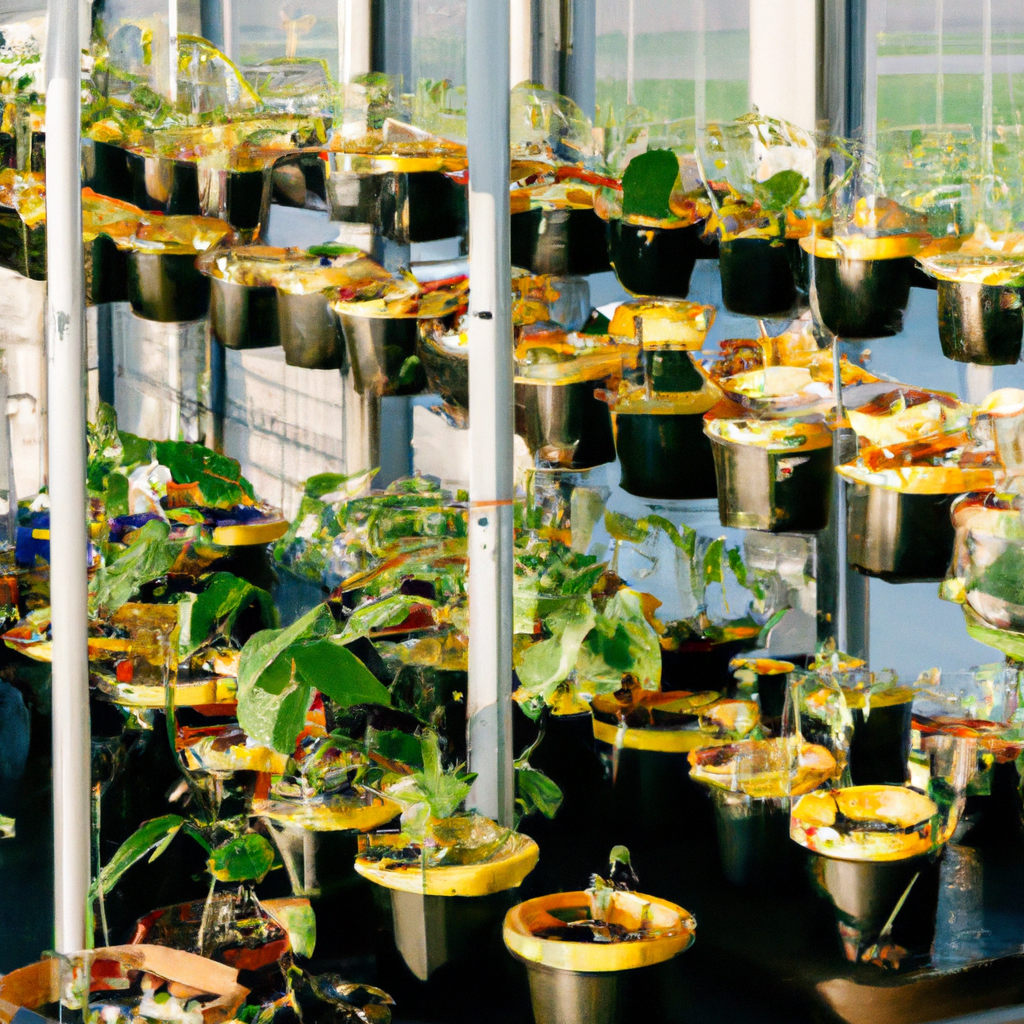
Are you tired of the limitations that traditional soil gardening presents? If so, then hydroponic gardening may be the solution for you. Hydroponics is a method of growing plants without the use of soil, where nutrients are instead dissolved in water and delivered directly to the plant’s roots. This innovative gardening system offers numerous benefits, such as faster growth rates, higher crop yields, and the ability to grow plants year-round in any environment. Whether you’re a seasoned gardener or just starting out, hydroponic gardening opens up a world of possibilities for cultivating healthy and abundant plants.

Reduce Water Usage
No Soil Water Waste
One of the key benefits of hydroponic gardening is its ability to significantly reduce water usage compared to traditional soil-based gardening methods. In a hydroponic system, water circulates and is continually reused, minimizing water waste. Unlike traditional gardening, where water can evaporate or drain away, hydroponic systems retain water and ensure that plants receive the exact amount of water they need, eliminating any unnecessary water loss. With water scarcity becoming an increasingly pressing issue, hydroponic gardening offers a sustainable solution by conserving one of our most valuable resources.
Recirculating Systems
To further promote water conservation, hydroponic systems often utilize recirculating systems. These systems allow water to be continuously circulated, ensuring that no water goes to waste. As the water circulates, it is enriched with essential nutrients, providing plants with everything they need to grow and thrive. Recirculating systems not only reduce water consumption but also make it easier to maintain optimal nutrient levels, leading to healthier and more vigorous plant growth.
Optimal Nutrient Delivery
Direct Absorption
In hydroponic gardening, plants have direct access to nutrients through their root systems. Unlike in soil-based gardening, where plants must rely on the soil to absorb nutrients, hydroponic systems deliver nutrients directly to the roots, allowing for more efficient absorption. By bypassing the soil, plants can uptake nutrients more effectively, resulting in faster, healthier growth and higher crop yields. Furthermore, this direct absorption eliminates the risk of nutrient imbalances or deficiencies that can occur in traditional gardening, ensuring that plants receive a precise and balanced nutrient solution.
Customizable Nutrient Solutions
Another advantage of hydroponic gardening is the ability to customize nutrient solutions based on the specific needs of different plant species. Different plants require varying levels of nutrients at different stages of growth, and hydroponic systems allow for precise control over nutrient delivery. By tailoring the nutrient solutions, hydroponic gardeners can optimize plant growth and maximize crop yields. This level of customization is particularly beneficial for commercial growers, as it enables the cultivation of a wide variety of crops with varying nutrient requirements.
Year-round Growing
Indoor Cultivation
One of the most significant advantages of hydroponic gardening is its adaptability to indoor cultivation. By growing plants indoors, hydroponic gardeners can overcome the limitations imposed by climate and seasonality, allowing for year-round growing and continuous crop production. With the use of artificial lighting and carefully controlled environments, hydroponic systems provide plants with optimal conditions regardless of the weather outside. This means that growers can enjoy fresh produce throughout the year, even in regions with harsh winters or limited growing seasons.
Controlled Environment
Indoor hydroponic systems offer precise control over environmental factors such as temperature, humidity, and light intensity. These controlled environments allow growers to create the ideal conditions for plant growth, ensuring that plants thrive with optimal temperatures, humidity levels, and light quality. By eliminating the unpredictability of outdoor conditions, hydroponic gardeners can minimize the risk of crop failure and maximize yields. Additionally, the controlled environment also helps regulate plant diseases and pests, reducing the need for harmful pesticides and promoting healthier, more sustainable growing practices.
Maximized Space
Vertical Farming
Hydroponic gardening is well-suited for maximizing space utilization, especially in small urban areas where land may be limited. One approach to space optimization is vertical farming, where plants are grown in vertically stacked layers. Vertical farming systems take advantage of vertical space, allowing for significantly greater plant density compared to traditional agricultural methods. By utilizing vertical structures, hydroponic gardeners can grow more plants in the same footprint, enabling efficient land use and increasing overall crop production.
Small Urban Areas
Hydroponic gardening offers a viable solution for small urban areas that lack large tracts of land suitable for traditional farming. With hydroponics, plants can be grown in compact systems that require minimal space. These systems can be set up indoors or even on rooftops, transforming urban environments into productive agricultural spaces. By utilizing hydroponics, urban gardeners have the opportunity to grow their own fresh produce, reducing reliance on imported foods and promoting local, sustainable food production.

Faster Growth and Higher Yields
Optimized Growing Conditions
Hydroponic systems provide plants with optimal growing conditions, resulting in accelerated growth rates and higher yields. By controlling environmental factors such as temperature, humidity, and light intensity, hydroponic gardeners can create ideal conditions that promote rapid plant growth. Additionally, the precise delivery of nutrients directly to the roots ensures that plants receive all the necessary elements for vigorous growth. With these optimized growing conditions, plants can reach maturity faster and produce larger yields within a shorter timeframe.
Increased Oxygen Availability
In traditional soil-based gardening, plant roots often compete for oxygen, leading to restricted growth and reduced yields. In hydroponic systems, however, oxygen availability is greatly increased due to the absence of soil. As the plant roots are suspended in nutrient-rich water, they have direct access to oxygen, promoting faster and more extensive root development. This ample oxygen supply allows plants to absorb nutrients more efficiently, leading to faster growth, healthier plants, and ultimately higher crop yields.
Pest and Disease Control
Limited Exposure to Soil-Borne Pathogens
One of the significant advantages of hydroponic gardening is that plants are not exposed to soil-borne pathogens commonly found in traditional gardening. Soil can harbor various pests, diseases, and fungi that can negatively impact plant health and productivity. In a hydroponic system, plants are grown without soil, mitigating the risk of soil-borne pathogens. By eliminating this exposure, hydroponic gardeners can significantly reduce the likelihood of pests and diseases, ensuring healthier plants and minimizing the need for chemical interventions.
Easier Monitoring and Intervention
Hydroponic systems allow for easier monitoring and intervention when it comes to pest and disease control. By closely monitoring the nutrient solution, water quality, and plant health, growers can quickly detect any signs of pests or diseases. Since hydroponic systems are typically enclosed environments, it is easier to identify and address issues promptly, preventing the spread of pests or diseases throughout the garden. This proactive approach minimizes the need for harmful pesticides and fosters a more sustainable and environmentally friendly gardening practice.

No Weeds
Eliminating Weed Competition
Weed competition is a never-ending battle in traditional gardening, requiring significant time and effort to control. In hydroponic gardening, however, the absence of soil eliminates the growth of weeds altogether. By growing plants in a controlled, soil-less medium, hydroponic gardeners can create an environment where unwanted weeds cannot take root and compete with cultivated plants for nutrients, water, and sunlight. This elimination of weed competition not only reduces labor and maintenance but also allows plants to thrive without unnecessary competition and resources being diverted.
Reduced Labor
The removal of weeds significantly reduces the amount of labor required in hydroponic gardening. Weeding can be a time-consuming task, requiring constant vigilance and regular maintenance to keep unwanted plants at bay. With hydroponics, the need for weed management is eliminated altogether, freeing up valuable time for gardeners to focus on other essential tasks. This reduced labor requirement contributes to the overall efficiency and ease of maintaining a hydroponic garden.
Less Environmental Impact
Reduced Pesticide and Fertilizer Use
Hydroponic gardening offers a more environmentally sustainable approach to plant cultivation by reducing the reliance on pesticides and fertilizers. Traditional farming often requires the use of chemical pesticides and fertilizers to combat pests and enrich the soil. In hydroponics, the controlled environment and absence of soil-borne pests often eliminate the need for pesticides. Additionally, since nutrients are directly delivered to the roots, hydroponic systems can operate with lower fertilizer usage, minimizing the environmental impacts associated with excessive fertilizer application.
Lower Carbon Footprint
Compared to traditional farming practices, hydroponic gardening can significantly reduce carbon emissions and overall environmental impact. By eliminating the need for large areas of land, hydroponic systems require less energy-intensive machinery for plowing, tilling, and planting. Additionally, indoor hydroponic systems utilize energy-efficient LED lights, reducing energy consumption and relying on renewable energy sources wherever possible. Moreover, the reduced need for transportation and long-distance shipping of produce in urban areas further lowers the carbon footprint associated with food production.
No Seasonal Limitations
No Dependence on Climate
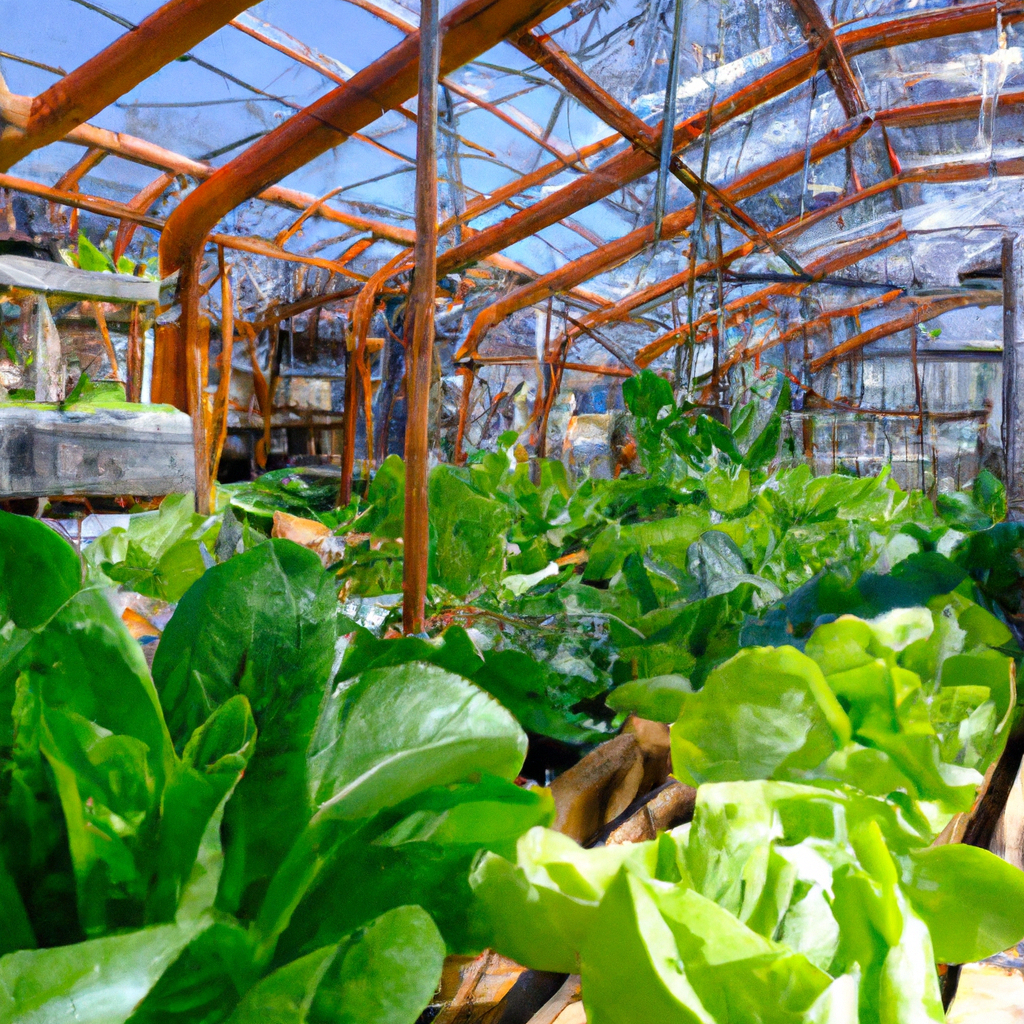
One of the greatest advantages of hydroponic gardening is the elimination of seasonal limitations imposed by traditional agricultural methods. With hydroponics, growers are not reliant on specific climates or growing seasons to cultivate their plants. By utilizing artificial lighting, controlled temperature, and humidity, hydroponic systems provide the perfect conditions for plant growth year-round. This means that regardless of the external climate, hydroponic gardeners can enjoy continuous crop availability, ensuring a steady supply of fresh produce throughout the year.
Year-round Crop Availability
The ability to grow crops throughout the year is a significant benefit of hydroponic gardening. Without the limitations of climate and seasonality, hydroponic gardeners can continuously cultivate a wide variety of crops. This year-round crop availability ensures a consistent and diverse food supply while reducing dependence on imported produce. Whether it’s leafy greens, herbs, or even fruiting plants, hydroponic systems enable gardeners to enjoy a rich harvest year-round, regardless of traditionally challenging weather conditions.
Ease of Maintenance
Reduced Labor
Hydroponic gardening offers a reduced labor requirement compared to traditional farming methods. The controlled environment and absence of soil-related tasks, such as weeding and soil amendments, eliminate a significant portion of the maintenance workload. Hydroponic systems generally require less physical labor, allowing gardeners to focus on monitoring plant health, adjusting nutrient solutions, and optimizing growing conditions. This reduced maintenance requirement makes hydroponic gardening an attractive option for both experienced growers looking to streamline their operations and beginners seeking a less labor-intensive approach.
Less Soil Management
A distinct advantage of hydroponic gardening is the minimization of soil-related tasks and the associated maintenance. Traditional gardening often requires soil preparation, testing, and amendments to ensure optimal soil health and fertility. In hydroponics, since plants are grown without soil, these soil-related tasks are eliminated. Instead, hydroponic gardeners can focus on monitoring and adjusting nutrient solutions, maintaining water quality, and ensuring the overall health of their plants. The simplified maintenance of soil-less cultivation adds to the ease and efficiency of hydroponic gardening systems.