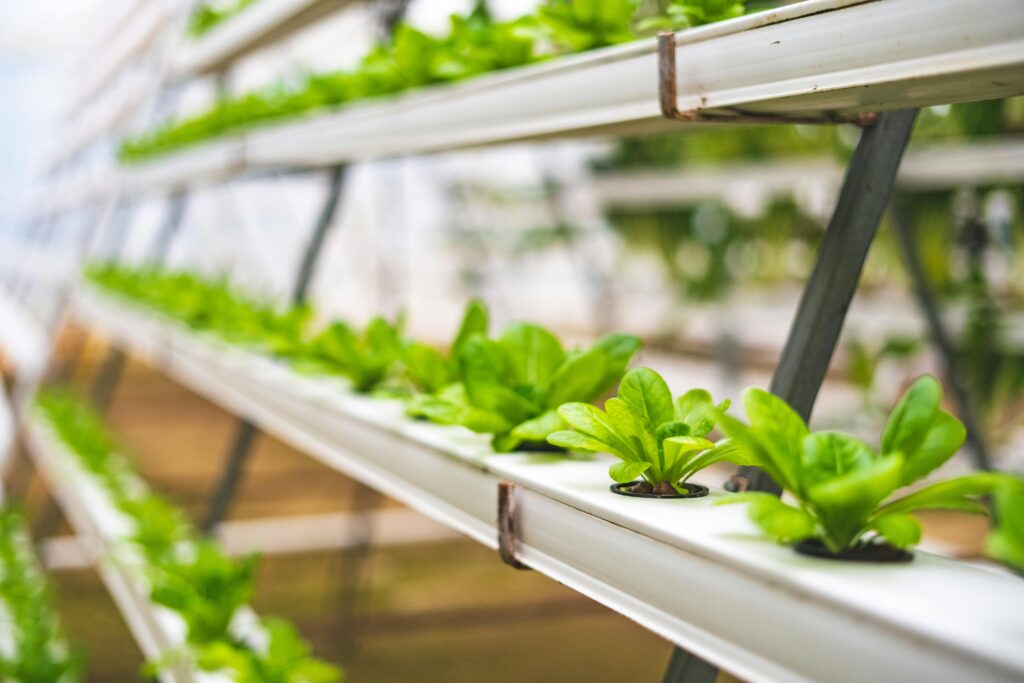
If you’re someone who’s fascinated by the idea of growing plants without soil, then buckle up because we’re about to take you on a wild ride through the world of hydroponics! In this article, we’ll be exploring sustainable hydroponic practices and how they can help maximize efficiency while minimizing waste. Get ready to discover the innovative solutions that are revolutionizing the way we grow crops and making a positive impact on our environment. So grab your gardening gloves and let’s dive into the exciting world of sustainable hydroponic practices!
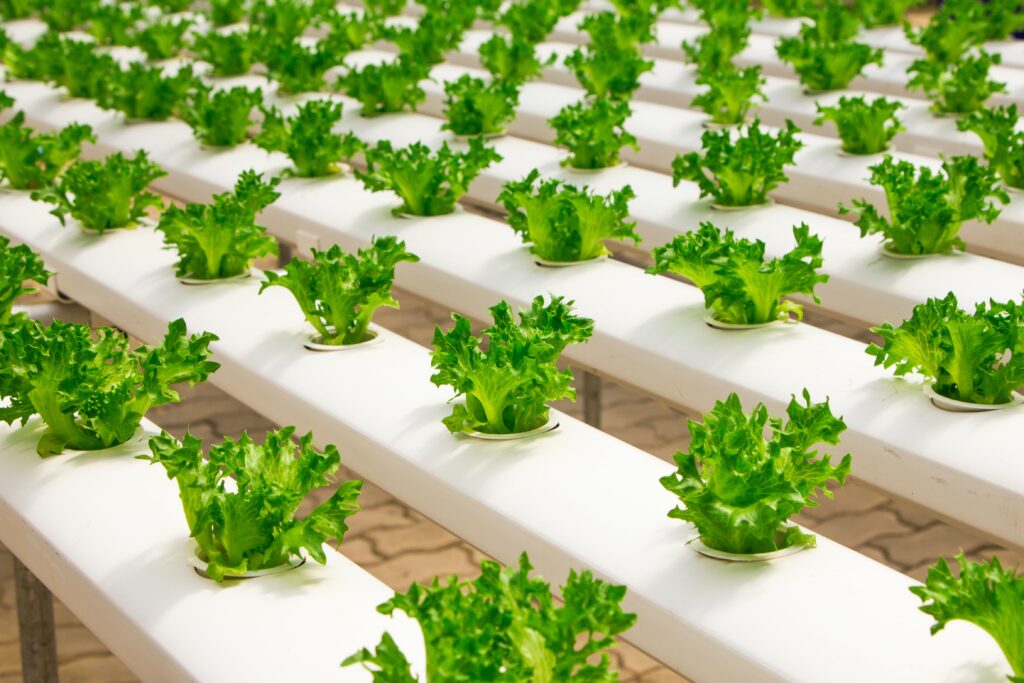
Maximizing Efficiency
Optimizing Light Exposure
To maximize efficiency in hydroponic systems, it is crucial to optimize light exposure for the plants. Understanding the light requirements of different crops is essential in providing the right amount and quality of light. Energy-efficient LED lighting has become a popular choice in hydroponics due to its long lifespan and low energy consumption. By using LED lights, you can provide the necessary light intensity while reducing energy costs.
Additionally, implementing light spectrum control allows you to tailor the light spectrum to the specific needs of your plants during different growth stages. This means you can adjust the color and intensity of the light to enhance growth and maximize efficiency. Light reflectors can also be employed to redirect and spread the light evenly across the plants, minimizing the chances of light deficiency or excess.
Managing Nutrient Solutions
Efficiently managing nutrient solutions is vital for the success of hydroponic systems. Monitoring and adjusting pH levels regularly is crucial as it directly affects nutrient availability to plants. Maintaining the proper nutrient levels ensures that the plants receive the essential elements they need for optimal growth. It is often necessary to use controlled-release fertilizers, which release nutrients slowly over time, to minimize nutrient waste and enhance plant uptake.
Recirculating nutrient solutions is another way to maximize efficiency. Instead of discarding unused solutions, they can be collected and recirculated back to the plants. This not only minimizes waste but also saves water and reduces the need for fresh nutrient solutions. By carefully monitoring and adjusting nutrient levels in the recirculation system, you can ensure that the plants receive an adequate supply of nutrients without excessive waste.
Controlling Temperature and Humidity
Maintaining an optimal temperature range is crucial for the health and productivity of hydroponic crops. Different plants have different temperature requirements, so it is essential to understand the optimal temperature range for each crop. By providing the ideal temperature, you can maximize photosynthesis and overall plant growth.
Managing relative humidity is equally important. High humidity levels can create a favorable environment for the growth of pathogens and increase the risk of diseases. Adequate ventilation is essential to control humidity levels and ensure proper air circulation within the growing area. Implementing evaporative cooling systems can also help in maintaining the desired temperature and humidity levels.
Implementing Automation and Sensor Technology
Automation and sensor technology play a vital role in maximizing efficiency in hydroponic systems. Automating irrigation and nutrient delivery systems ensures that plants receive water and nutrients at the right time and in the right amounts. This eliminates the risk of human error and provides precise control over the growing environment.
Monitoring systems can track parameters such as pH levels, nutrient concentrations, temperature, and humidity, allowing for real-time data analysis and adjustments. By utilizing climate control technology, you can automatically regulate environmental conditions based on preset parameters, providing optimal growing conditions for plants.
Sensors can be used for data-driven decision making, providing valuable insights into the health and well-being of the plants. For example, sensors can detect changes in environmental conditions, allowing for timely adjustments to maximize plant growth and minimize resource waste.
Using Vertical Farming Systems
Vertical farming systems offer a unique solution to maximize efficiency in hydroponics. By utilizing vertical space, these systems maximize the utilization of available land and increase crop yield and density. With vertical stacking techniques, multiple layers of plants can be grown within the same footprint, significantly increasing the potential harvest.
Vertical farming systems also contribute to reducing energy consumption. By optimizing lighting and implementing efficient climate control systems, energy usage can be reduced compared to traditional greenhouse farming. The controlled environment in vertical farms also minimizes the risk of pest and disease infestations, further reducing the reliance on pesticides and chemical treatments.
Minimizing Waste
Reducing Water Consumption
Water conservation is a critical aspect of sustainable hydroponic practices. Implementing water-efficient irrigation methods helps minimize water waste and ensures that plants receive the necessary moisture without excessive runoff. Drip irrigation systems are particularly useful in this regard, as they deliver water directly to the plant’s root zone, minimizing evaporation and optimizing water usage.
Recycling and reusing water also contribute to reducing water consumption. Water that has been used to irrigate plants can be collected, treated, and recycled back into the system. This recycling process ensures that water resources are utilized efficiently and minimizes the need for fresh water input.
In addition to recycling, implementing aeroponics can further reduce water consumption. In aeroponic systems, plants are grown with their roots suspended in the air while being misted with nutrient solution at regular intervals. This method uses significantly less water than traditional hydroponic systems while still providing the necessary nutrients for plant growth.
Implementing Nutrient Recovery Systems
Nutrient recovery systems are essential for minimizing waste and optimizing nutrient usage in hydroponics. The nutrient film technique (NFT) is a commonly used method that allows for the collection and reuse of excess nutrient solution. The unused solution flows through a sloped trough system, collecting and recirculating nutrients back to the plants.
Recycling and reusing nutrient solutions not only minimize waste but also reduce operating costs associated with purchasing fresh nutrients. Additionally, biofiltration systems can be implemented to remove excess nutrients and impurities from the solution, ensuring that only clean and balanced nutrients are provided to the plants.
Employing aquaponics is another way to implement a nutrient recovery system. Aquaponics combines hydroponics with aquaculture, where fish waste provides the nutrients for plant growth. The plants, in turn, act as a natural filter, purifying the water for the fish. This closed-loop system ensures that nutrients are continuously recycled, minimizing waste and maximizing efficiency.
Managing Pest and Disease Control
Efficient pest and disease control is essential for reducing losses and minimizing the need for chemical treatments. Integrated pest management (IPM) focuses on preventive measures and the use of natural predators or biological controls to manage pests effectively. This approach reduces the reliance on chemical pesticides, minimizing potential harm to the environment.
By implementing IPM strategies, such as regular scouting for pests, introducing beneficial insects, and improving plant health through proper nutrition and environmental conditions, you can effectively control pests and diseases while minimizing ecosystem disruption.
Implementing Circular Economy Principles
Incorporating circular economy principles into hydroponic practices allows for a holistic approach to waste reduction. By reducing packaging waste through the use of reusable containers or implementing more sustainable packaging materials, you can minimize environmental impact and promote a circular flow of resources.
Efficient supply chains also play a crucial role in minimizing waste. By optimizing transportation routes and reducing unnecessary packaging or handling, you can minimize energy consumption and environmental impact associated with the distribution of hydroponic products.
Furthermore, utilizing byproducts from the hydroponic system for other purposes can help reduce waste. For example, plant waste can be composted and used as a nutrient-rich soil amendment or for energy production through anaerobic digestion.
In conclusion, maximizing efficiency and minimizing waste in hydroponic systems require a multi-faceted approach. Optimizing light exposure, managing nutrient solutions, controlling temperature and humidity, implementing automation and sensor technology, using vertical farming systems, and reducing water consumption are all vital components of sustainable hydroponic practices. By incorporating these strategies and principles, hydroponic growers can minimize their environmental footprint, increase productivity, and contribute to a more sustainable food production system.