


So you’ve decided to take the plunge into hydroponic gardening, but now you’re wondering how to keep it thriving. Look no further – this comprehensive guide has got you covered. Whether you’re a seasoned gardener looking to explore new techniques or a beginner eager to embark on this soil-less adventure, we’ll take you through all the essential steps and tips for maintaining a successful hydroponic garden. From setting up the right nutrient solution to monitoring pH levels and preventing common pests, this article will equip you with all the knowledge you need to grow healthy, bountiful plants all year round. Get ready to unlock the secrets of maintaining a hydroponic garden and reap the rewards of fruitful cultivation.
Choosing the Right Hydroponic System
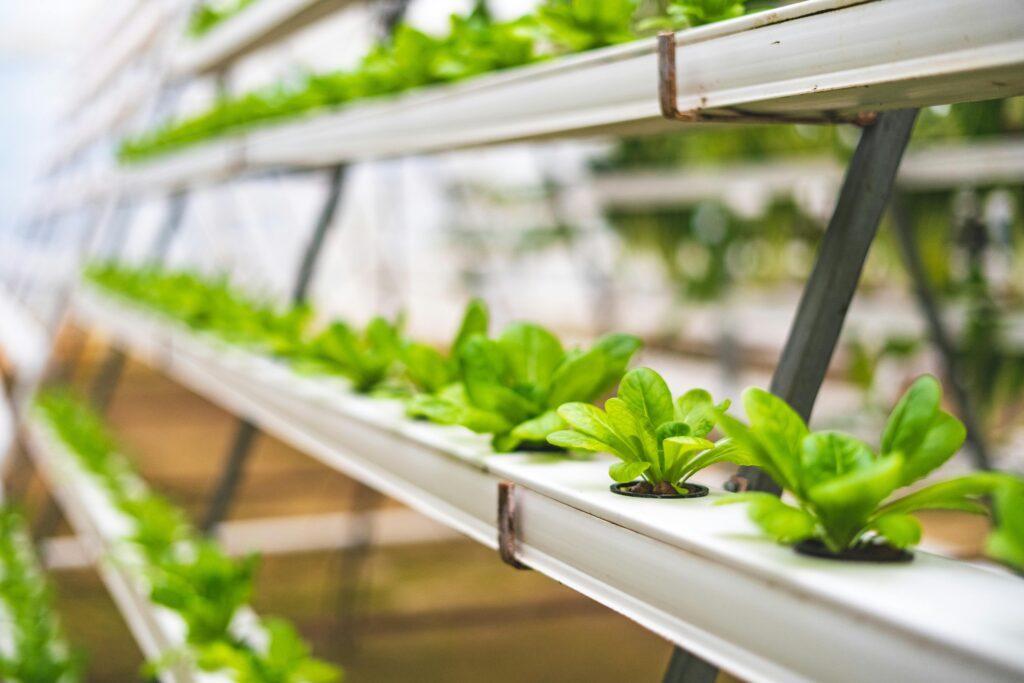
When it comes to maintaining a hydroponic garden, choosing the right system is crucial. The first step is to determine the available space you have for your garden. Whether you have a small indoor space or a larger outdoor area, there are hydroponic systems suitable for all sizes. Consider the dimensions and layout of your space before deciding on a system.
Another important factor to consider is your budget. Hydroponic systems can range in price, with some being more affordable than others. It’s essential to set a budget and stick to it to avoid overspending. Remember to factor in the cost of additional equipment and supplies that may be required for your chosen hydroponic system.
Lastly, it’s essential to evaluate your level of experience with hydroponics. If you’re a beginner, opt for a simpler system that requires less maintenance and monitoring. As you gain more experience and confidence, you can progress to more advanced systems that offer greater customization and control.
Selecting the Suitable Lighting
Understanding the lighting requirements for your hydroponic garden is crucial for the health and growth of your plants. Different plants have different lighting needs, so it’s essential to research the specific requirements of the crops you intend to grow.
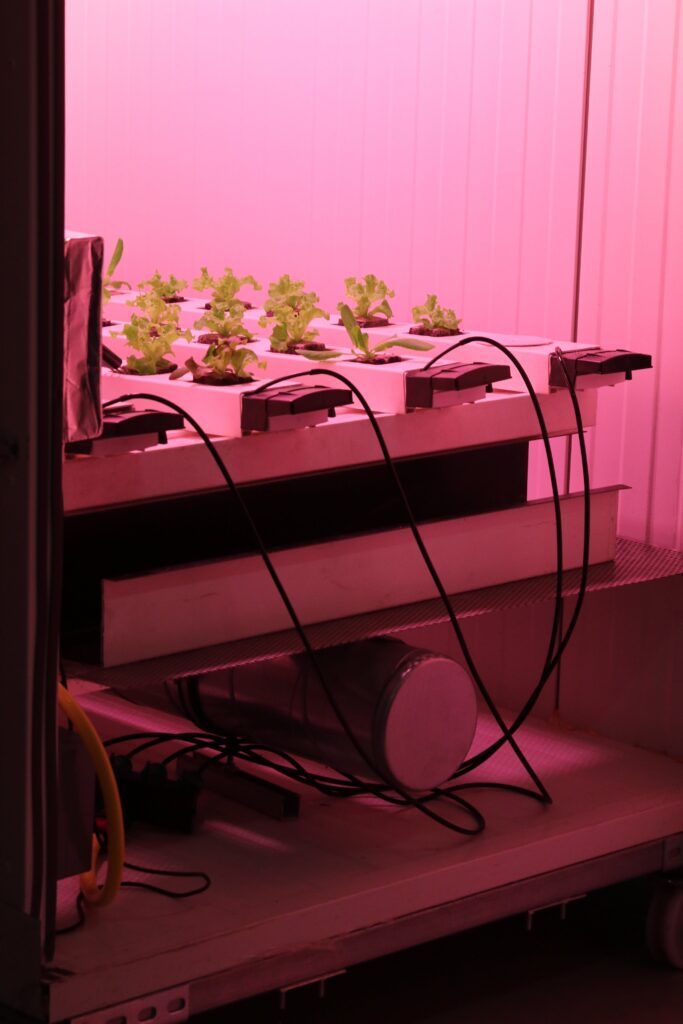
There are various types of hydroponic grow lights available, including fluorescent, LED, and high-intensity discharge (HID) lights. Each type has its advantages and disadvantages, so consider factors such as energy efficiency, lifespan, and the specific lighting needs of your plants when making a choice.
Calculating the needed wattage for your grow lights is also important. The wattage required will depend on factors such as the size of your garden, the type of plants, and the stage of growth. As a general rule of thumb, aim for around 30-50 watts per square foot of growing area.
Monitoring and Adjusting the pH Levels
pH levels play a critical role in hydroponics as they affect the availability and uptake of nutrients by your plants. It’s important to understand the importance of maintaining the right pH levels in your nutrient solution.
Regularly testing the pH of your nutrient solution is crucial to ensure optimal plant growth. pH test kits or digital pH meters can be used to measure the pH accurately. The ideal pH range for most hydroponic crops is between 5.5 to 6.5.
If you find that your pH levels are outside the desired range, you can use pH modifiers to adjust them. pH Up and pH Down solutions are commonly used to raise or lower pH levels, respectively. Start by making small adjustments and retest the pH until you reach the desired range.
Providing Adequate Nutrient Solution
Understanding the nutrient requirements of your plants is essential for maintaining a healthy hydroponic garden. Different crops have different nutritional needs, so it’s crucial to research the specific requirements of the plants you’re growing.
Choosing the right nutrient solution is important for providing your plants with the necessary elements for growth. Pre-mixed nutrient solutions are available commercially and are often formulated to meet the needs of various plants. Alternatively, you can opt for individual nutrient salts and mix your own solution, allowing for more customization.
Regular monitoring and adjusting of nutrient levels are also necessary to ensure optimal plant growth. Nutrient levels can be tested using electrical conductivity (EC) meters or nutrient test kits. Make sure to follow the recommended nutrient schedules for your specific plants and adjust nutrient levels accordingly.
Managing Water Quality and Oxygenation
Selecting the appropriate water source is crucial for maintaining a healthy hydroponic garden. Ideally, you should use clean, filtered water that is free from contaminants such as chlorine or heavy metals. If tap water is your only option, consider using a water filter to remove impurities.
Oxygenation is another vital aspect of hydroponics. Plants rely on oxygen to thrive, and having well-oxygenated water is essential for their root health. There are several methods for oxygenating the water in your hydroponic system, including air stones, air pumps, and water splashing or falling techniques. Experiment with different methods to find the one that works best for your setup.
Maintaining Proper Temperature and Humidity
Understanding the temperature and humidity needs of your plants is crucial for a successful hydroponic garden. Different crops have different preferences, so it’s important to research the specific requirements of the plants you’re growing.
Controlling temperature within the growing area is essential for optimal plant growth. Most plants thrive in temperatures between 65°F and 75°F. However, some crops have specific temperature needs, so it’s important to adjust accordingly. Consider using fans, air conditioners, or heaters to maintain the desired temperature range.
Humidity management is equally important, as improper humidity levels can lead to issues like mold or mildew growth. Aim for a humidity level between 50% and 70% during vegetative growth and slightly lower, around 40% to 50%, during the flowering stage. Dehumidifiers or humidifiers can be used to adjust humidity levels as needed.

Pest and Disease Prevention
Just like traditional gardening, hydroponic gardens are also susceptible to pests and diseases. Some common pests in hydroponics include aphids, whiteflies, and spider mites. Implementing preventive measures is crucial to keep pests and diseases at bay.
Regularly inspect your plants for signs of pest infestation or disease. Catching pests or diseases early will allow you to take appropriate action before they cause significant damage. Implementing good hygiene practices, such as removing dead leaves or plant debris, can also help prevent pests and diseases from thriving.
Natural solutions for pest and disease control are gaining popularity in hydroponics. Beneficial insects, such as ladybugs or predatory mites, can be introduced to the garden to control pests naturally. Neem oil or insecticidal soaps are also effective options for combating pests in a hydroponic setup.
Regular Inspections and Troubleshooting
Regular inspections are essential for maintaining a healthy hydroponic garden. Make it a habit to inspect your plants, water levels, nutrient solution, and equipment on a regular basis. By doing so, you can catch any issues or deficiencies early and take appropriate action.
Identifying common issues and their causes is crucial for troubleshooting. Monitor your plants for signs of nutrient deficiencies, waterlogged roots, or wilting, which could indicate various underlying problems. Addressing these issues promptly can help prevent further damage and ensure the long-term health of your plants.
If you encounter any problems, troubleshoot accordingly. Research potential solutions online, consult fellow hydroponic gardeners, or seek guidance from reputable sources. Remember that every garden is unique, so what works for one person may not work for another. Be patient and persistent in finding the best solutions for your specific situation.
Pruning and Training Plants
Pruning and training are essential practices for maintaining healthy and productive plants in a hydroponic garden. Pruning involves removing unwanted plant parts, such as dead leaves or excessive growth, to promote better airflow and prevent disease. It also helps redirect the plant’s energy towards more essential areas.
Proper pruning techniques include using clean and sharp pruning tools to avoid damaging the plants. Make cuts at an angle to prevent water from sitting on the open wound, which can lead to infection. Research the specific pruning needs of your plants, as each species may have different requirements.
Training plants involves manipulating their growth patterns to maximize yield and optimize space utilization. Techniques such as topping, low-stress training (LST), and screen of green (SCROG) can be used to encourage lateral growth, create an even canopy, and facilitate light penetration.
Invest in training equipment such as trellises, bamboo stakes, or mesh screens to support and guide the plants’ growth. Regularly adjust and secure the plants as needed to ensure proper development and prevent breakage.
Harvesting and Replanting
Determining the ideal harvest time is crucial for ensuring maximum flavor, yield, and potency in your hydroponically grown plants. Each crop has different indicators for readiness, such as color, texture, or scent. Research the specific harvest indicators for your plants to ensure optimal results.
When it comes to harvesting techniques, use clean and sharp tools to minimize damage to the plants. Cut the plants at the base, near the soil line, to avoid unnecessary stress or injury. Some plants may require specific handling, such as gently detaching fruits or trimming off leaves.
After harvesting, it’s important to prepare for replanting. Clean and sanitize the hydroponic system, including tanks, pipes, and growing media, to prevent the spread of diseases or pests. Check for any damaged or worn-out equipment and replace as necessary. Finally, mix a fresh batch of nutrient solution following the recommended guidelines for your new crop and start the planting process again.
Maintaining a hydroponic garden requires careful attention to various aspects of plant growth, including choosing the right system, providing suitable lighting, monitoring nutrient levels, managing water quality, and controlling temperature and humidity. By following these comprehensive guidelines, you can ensure the success of your hydroponic garden and enjoy the benefits of growing your own fresh and healthy produce.


