



Looking to try your hand at hydroponic gardening at home? Look no further! In this beginner’s guide, we will walk you through the basics of getting started with hydroponics. From understanding what hydroponic gardening is, to setting up your own system, to choosing the right plants and nutrients, we’ve got you covered. Get ready to embark on a new gardening adventure that will have you growing lush and vibrant plants in no time!
Benefits of Hydroponic Gardening
Hydroponic gardening offers a range of benefits that make it an attractive option for home gardeners. Whether you have limited space, want to grow plants all year round, or simply enjoy experimenting with new gardening techniques, hydroponics has got you covered. Let’s take a closer look at some of the key advantages of hydroponic gardening.
Saves Space
One of the biggest advantages of hydroponic gardening is its space-saving nature. Traditional gardening requires a significant amount of land, but hydroponics allows you to grow plants vertically and in a smaller area. By utilizing vertical growing systems or small containers, you can maximize your growing space. This is especially beneficial for urban dwellers or those with limited outdoor areas.
Year-Round Growing
Imagine being able to enjoy fresh produce from your garden no matter the season. With hydroponic gardening, you can do just that. Unlike traditional soil-based gardening, hydroponics provides you with the ability to control the growing conditions, such as temperature and lighting. This enables you to create the optimal environment for your plants, allowing them to thrive and produce crops throughout the year.
No Soil Required
Another significant advantage of hydroponic gardening is that it eliminates the need for soil. Instead, plants are grown in a nutrient-rich water solution that delivers all the necessary minerals and nutrients directly to their roots. This not only saves space but also reduces the risk of soil-borne diseases and pests. Without soil, you can say goodbye to weeding and tilling, making hydroponic gardening a low-maintenance option.
Water Conservation
Water scarcity is a growing concern, and traditional gardening methods can be water-intensive. In contrast, hydroponic systems are designed to be water-efficient. The closed-loop nature of hydroponic gardening minimizes water wastage, as the water circulates through the system instead of being lost into the ground. Additionally, the water used in hydroponic systems can be recycled, further reducing water consumption. This makes hydroponic gardening an environmentally friendly choice.
Choosing the Right Hydroponic System
Now that you understand the benefits of hydroponic gardening, it’s time to choose the right system for your needs and preferences. There are several types of hydroponic systems to consider, each with its own advantages and considerations. Let’s explore some popular options:
Wick System
The wick system is one of the simplest and most beginner-friendly hydroponic systems available. It consists of a growing container, a wick, and a nutrient solution reservoir. The wick acts as a passive transport system, drawing the nutrient solution from the reservoir to the plant roots. This system is low-cost, low-maintenance, and ideal for small plants or herbs.
Drip System
The drip system is a commonly used hydroponic system that delivers a controlled amount of nutrient solution to the plant roots. It consists of a timer, pump, and network of tubes that distribute the nutrient solution to individual plants. This system allows for precise control over nutrient delivery and is suitable for a wide range of plant types.
Ebb and Flow System
Also known as flood and drain system, the ebb and flow system is versatile and highly effective. It works by periodically flooding the grow tray with nutrient solution and then draining it back into the reservoir. This cycle ensures that the plant roots receive the required nutrients while also being exposed to oxygen during the drainage phase. The ebb and flow system is suitable for larger plants and crops that require periodic dry periods.
Nutrient Film Technique (NFT)
The Nutrient Film Technique (NFT) system involves a constantly flowing thin film of nutrient solution over the plant roots. It utilizes a sloped tray or channel to allow the nutrient solution to flow through and back to the reservoir. This system provides a continuous supply of nutrients and oxygen to the roots and is commonly used for growing leafy greens and herbs.
Deep Water Culture (DWC)
The Deep Water Culture (DWC) system is easy to set up and ideal for beginners. It involves suspending plant roots in a nutrient solution, with an air pump providing oxygen to the roots. The plants are typically placed in net pots or floating rafts that keep them above the nutrient solution. DWC is suitable for a variety of plants, including larger crops such as tomatoes and cucumbers.
When choosing a hydroponic system, consider factors such as your available space, the types of plants you want to grow, and your preferred level of involvement. Each system has its own unique requirements and considerations, so choose the one that aligns best with your goals and resources.

Setting Up Your Hydroponic Garden
Once you have selected the right hydroponic system for your needs, it’s time to set up your garden. Here are the key steps involved in getting your hydroponic garden up and running:
Selecting a Suitable Location
The first step is to find a suitable location for your hydroponic garden. Look for an area that receives adequate natural light or can accommodate supplementary lighting if needed. Consider environmental factors such as temperature and humidity, as different plants thrive in different conditions. Ideally, choose a spot that is easily accessible for monitoring and maintenance.
Creating a Grow Space
Once you’ve identified the location, it’s time to create your grow space. If you have limited space, vertical gardening systems or compact containers can help maximize your growing area. If you have more room to spare, you can set up multiple hydroponic systems or expand your existing setup. Ensure that the area is clean, stable, and well-ventilated to create a healthy growing environment.
Choosing the Right Containers
When it comes to hydroponic gardening, the choice of containers is crucial. The container should be able to hold the growing medium and provide proper support for the plants. Options range from plastic buckets to specialized grow trays or channels, depending on the system you’ve chosen. Ensure that the containers are clean, free from any contaminants, and adequately sized for your plant’s root systems.
Installing the Hydroponic System
Follow the manufacturer’s instructions or a reliable guide to install your chosen hydroponic system. Carefully set up the pumps, timers, water lines, and other components according to the system’s requirements. Take your time during this step to ensure that everything is properly connected and functioning correctly. This will save you from potential issues later on and ensure the best growing conditions for your plants.
Setting Up Lighting and Ventilation
Proper lighting and ventilation are essential for the success of your hydroponic garden, especially if you’re growing indoors. Determine the lighting requirements of your chosen plants and install suitable grow lights accordingly. LED grow lights are a popular choice for hydroponic gardens due to their energy efficiency and ability to provide the full spectrum of light required for plant growth. Additionally, consider ventilation to maintain airflow and control temperature and humidity levels within your grow space.
By following these steps, you can successfully set up your hydroponic garden and create an optimal environment for your plants to thrive.
Selecting Plants for Hydroponic Gardening
Hydroponic gardening opens up a wide range of plant options, from leafy greens to juicy tomatoes. Here are some popular choices that are well-suited to hydroponic systems:
Leafy Greens
Leafy greens such as lettuce, spinach, kale, and Swiss chard are excellent choices for hydroponic gardening. They are fast-growing, low-maintenance, and can be harvested at various stages of growth. These greens thrive in nutrient-rich water and are often ready to harvest within a few weeks. Plus, having fresh salad greens available on-demand is a great way to enhance your diet and culinary experience.
Herbs
Growing herbs hydroponically allows you to have a fresh supply of aromatic and flavorful herbs all year round. Popular options include basil, cilantro, parsley, mint, and rosemary. Herbs are well-suited to hydroponic systems due to their compact size and ability to grow in nutrient-rich water. Add some freshly-picked herbs to your dishes, teas, or homemade remedies for a burst of exceptional flavor and fragrance.
Tomatoes
Tomatoes are a staple crop for many gardeners, and they thrive in hydroponic systems. The controlled environment of hydroponics ensures optimal conditions for tomato plants, resulting in higher yields and better taste. Cherry tomatoes are especially popular due to their small size and prolific production. Imagine plucking plump, juicy tomatoes straight from your hydroponic garden for salads, sauces, or even snacking.
Strawberries
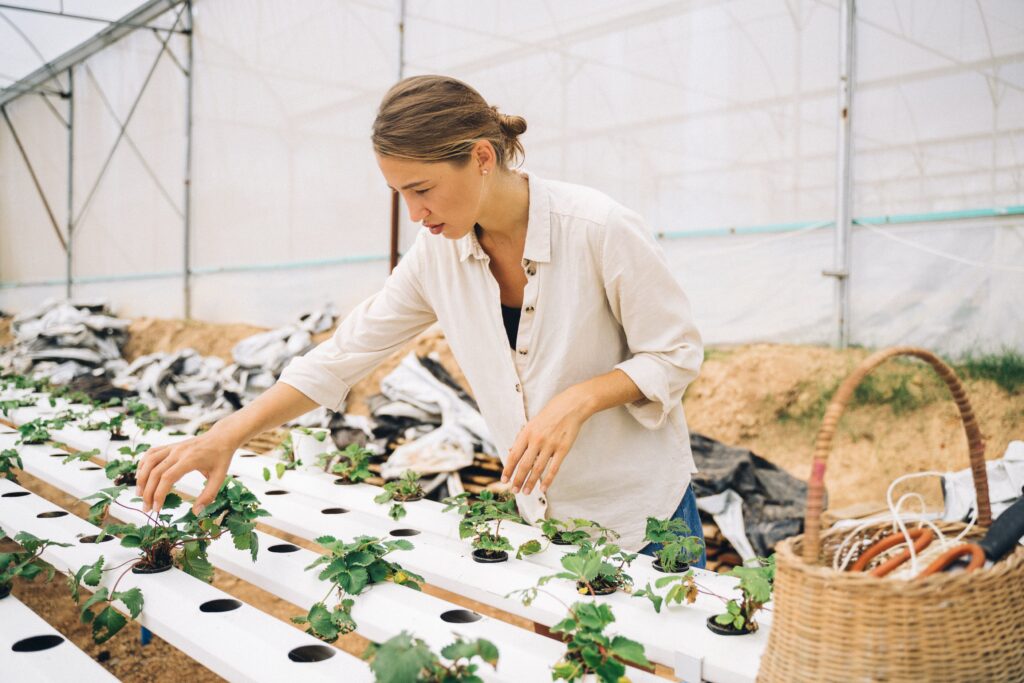
If you love the sweet and tangy taste of strawberries, hydroponic gardening can provide you with a bountiful harvest. Strawberries are well-suited to vertical growing systems, making them an excellent choice for small spaces. Hydroponic strawberries are known for their intense flavor and perfect ripeness, as they are less prone to soil-borne diseases and pests. Enjoy fresh strawberries year-round by growing them hydroponically.
Cucumbers
Cucumbers are another popular choice for hydroponic gardens, especially for those with ample vertical growing space. These vines grow well in nutrient-rich water and thrive without the need for soil. Cucumbers are refreshing, versatile, and make a great addition to salads, sandwiches, or as a healthy snack. With hydroponics, you can enjoy an abundant cucumber harvest while conserving space and minimizing maintenance.
When selecting plants for your hydroponic garden, consider factors such as available space, lighting requirements, and your personal preferences. Start with plants that are known to do well in hydroponic systems, and as you gain experience, you can experiment with different crops and varieties.

Providing Nutrients to Your Plants
One of the keys to successful hydroponic gardening is providing the right balance of nutrients to your plants. Without soil, plants rely on nutrient solutions to fulfill their nutritional needs. Here are some important considerations for effectively nourishing your hydroponic plants:
Understanding Nutrient Solutions
Nutrient solutions are the backbone of hydroponic gardening, providing essential minerals and elements that plants require for healthy growth. These solutions are typically made by diluting concentrated nutrient mixes in water. The exact composition and concentration of the nutrient solution will depend on the specific needs of your plants. It’s important to closely follow the instructions provided by the nutrient manufacturer or consult reputable resources.
Monitoring and Adjusting pH Levels
pH levels play a crucial role in hydroponic gardening, as they determine the availability of nutrients to plants. Most plants prefer a slightly acidic pH range between 5.5 and 6.5. Regularly monitor the pH level of your nutrient solution using a pH meter or test kit and make adjustments as needed. pH adjusters, such as pH up or pH down solutions, can be used to raise or lower the pH. Maintaining the correct pH range ensures optimum nutrient uptake and prevents nutrient deficiencies or toxicities.
Providing Essential Macronutrients
Macronutrients are nutrients required by plants in large quantities for healthy growth. The three primary macronutrients are nitrogen (N), phosphorus (P), and potassium (K), often referred to as NPK. These macronutrients are usually supplied in the form of concentrated fertilizers. The ratios of NPK in the nutrient solution should be adjusted according to the specific growth stage of your plants. Young seedlings, for example, may require a higher concentration of nitrogen for vigorous growth.
Supplying Necessary Micronutrients
In addition to macronutrients, plants also require micronutrients, albeit in smaller quantities. Micronutrients include elements such as iron, calcium, magnesium, and zinc. These elements are crucial for various plant functions, including enzyme activation and photosynthesis. Most nutrient solutions and fertilizers include a balanced mix of micronutrients. Regularly check for any signs of micronutrient deficiencies, such as yellowing leaves or stunted growth, and consider supplementation if necessary.
Maintaining a well-balanced nutrient solution is essential for the health and productivity of your hydroponic plants. Keep a close eye on your plants’ appearance and growth to identify any nutrient-related issues, and make adjustments accordingly.
Maintaining Your Hydroponic Garden
While hydroponic gardening can be relatively low-maintenance compared to traditional gardening, it still requires regular monitoring and care. Here are some important tasks to keep your hydroponic garden in top condition:
Regular Monitoring of Water Levels
Hydroponic systems rely on a reservoir to supply the nutrient solution to the plants. It’s essential to regularly monitor the water levels in the reservoir and ensure an adequate supply is maintained. As plants take up water and essential nutrients, the water levels will naturally go down. Regularly top up the reservoir to prevent plants from drying out or experiencing nutrient deficiencies.
Checking pH and Nutrient Levels
Regularly check and adjust the pH levels of your nutrient solution, as discussed earlier. In addition, monitor the nutrient levels to ensure they are within the appropriate range for your plants. Nutrient levels can be easily measured using a simple electrical conductivity (EC) meter or a total dissolved solids (TDS) meter. Adjust the nutrient solution concentration when necessary to maintain optimal levels for healthy plant growth.
Pruning and Trellising
Just like traditional gardening, hydroponic plants benefit from pruning and trellising. Pruning involves removing any dead, damaged, or diseased plant parts to promote healthy growth. Trellising, particularly for vining plants like tomatoes and cucumbers, helps support the plants and prevents them from sprawling or tangling. Proper pruning and trellising techniques promote better air circulation and light penetration, reducing the risk of disease and improving yields.
Preventing Pests and Diseases
While hydroponic systems can reduce the risk of soil-borne pests and diseases, they are not entirely immune. Regularly inspect your plants for any signs of pest infestation or disease, such as yellowing leaves, spots, or unusual growth patterns. If necessary, treat affected plants with organic pest control methods or appropriate plant treatments. Maintaining proper cleanliness and hygiene in your hydroponic system also helps prevent the spread of pests and diseases.
Cleaning and Sterilizing Equipment
Regular cleaning and sterilizing of your hydroponic equipment are crucial to prevent the buildup of algae, bacteria, or other contaminants. Clean the grow trays, channels, and containers with mild soap or hydrogen peroxide, removing any organic matter. Ensure that all equipment is thoroughly rinsed and dried before reuse. Additionally, consider a regular sterilization routine to eliminate any potential pathogens or pests that may persist.
By implementing these maintenance practices, you can ensure that your hydroponic garden remains healthy, productive, and free from common issues.
Harvesting and Enjoying Your Hydroponic Produce
The beauty of hydroponic gardening is the joy of harvesting and savoring your own homegrown produce. Here are some important considerations for a successful harvest:
Determining the Right Time to Harvest
Each crop has its own specific signs of readiness for harvest. Research the specific characteristics to look for, such as color, size, or texture changes, depending on the plant. For example, lettuce is typically harvested when the leaves are full-sized, crisp, and vibrant. Tomatoes, on the other hand, are ready when they are fully ripe and develop their characteristic color. Regularly check your plants and harvest them at their peak to enjoy the best flavor and quality.
Proper Harvesting Techniques
When harvesting your hydroponic crops, use clean and sharp tools to minimize damage to the plants. Some plants, like leafy greens or herbs, can be harvested by simply cutting leaves or stems as needed, allowing new growth to continue. For crops like tomatoes or strawberries, gently twist or snip the fruit from the plant without causing unnecessary stress or damage. Proper harvesting techniques help ensure an abundant and continuous harvest.
Storing and Preserving Hydroponic Crops
Once harvested, properly store your hydroponic crops to maintain their freshness and flavor for longer. Most leafy greens and herbs can be stored in a plastic bag or container in the refrigerator, ensuring they remain crisp for several days. Tomatoes and strawberries are best stored at room temperature to maintain their texture and sweetness. Consider preserving excess harvest by freezing, drying, or canning to enjoy your hydroponic produce even during the off-season.
Cooking and Enjoying Your Harvest
Finally, it’s time to indulge in the fruits of your hydroponic gardening efforts. Whether you’re a master chef or a novice cook, there are countless ways to incorporate your homegrown produce into meals. Add fresh lettuce to salads, use herbs to elevate your culinary creations, or whip up a delicious tomato sauce using your hydroponic tomatoes. Get creative in the kitchen and enjoy the satisfaction of preparing meals with your own freshly harvested ingredients.
Common Issues and Troubleshooting
Despite your best efforts, hydroponic gardens can encounter certain challenges. Here are some common issues and tips for troubleshooting:
Nutrient Deficiencies
Plants may show signs of nutrient deficiencies if they are not receiving an adequate supply of essential minerals. Insufficient nitrogen can cause yellowing leaves, while a lack of iron can result in pale, yellowing foliage with green veins. Regularly monitor nutrient levels and adjust the nutrient solution accordingly. If deficiencies persist, consider using a balanced nutrient mix or supplement with specific micronutrients.
Algae Growth
Algae growth in hydroponic systems is a common problem, and it can clog irrigation lines, affect nutrient availability, and compete with plants for resources. To prevent algae growth, minimize light exposure by covering your nutrient reservoir or using light-proof materials. Regularly clean and sterilize equipment, as algae can thrive in organic matter. Additionally, make sure your water source is free from any algae spores.
Root Rot
Root rot occurs when the plant roots are waterlogged, leading to a lack of oxygen and the growth of harmful pathogens. To prevent root rot, ensure that your hydroponic system has proper drainage and aeration. Avoid overwatering or allowing stagnant water to accumulate. If root rot is detected, remove affected plants immediately and take preventive measures, such as adjusting watering schedules or treating with a suitable root rot control product.
Pest Infestation
Pests can still find their way into hydroponic gardens despite the absence of soil. Common pests include aphids, whiteflies, spider mites, and fungus gnats. Regularly inspect your plants for any signs of pests, such as insects or chewed leaves. Implement integrated pest management techniques, such as introducing beneficial insects or using organic pest control methods. Maintaining a clean and sterile growing environment can also help prevent pest infestations.
Temperature Fluctuations
Fluctuations in temperature can negatively impact plant growth and development. Extreme heat can cause wilting, leaf scorching, or even plant death, while cold temperatures can slow down growth or cause stunted plants. Maintain optimal temperature ranges for your specific plants by using temperature controllers, fans, heaters, or cooling systems. Regularly monitor the temperature within your grow space and make adjustments as needed.
By promptly addressing these common issues, you can ensure a healthy and thriving hydroponic garden year-round.
Scaling Up Your Hydroponic Garden
Once you have successfully established your hydroponic garden, you may find yourself wanting to expand and increase your crop yields. Here are some considerations for scaling up your hydroponic garden:
Expanding the System
If you have additional space available, consider expanding your hydroponic system. You can integrate new grow trays, channels, or containers to increase your overall growing area. If you are using a modular system, simply add more modules to accommodate additional plants. Take into account the availability of resources such as water and nutrients to ensure they can meet the demands of a larger garden.
Managing Larger Crop Yields
Scaling up your hydroponic garden requires careful management to handle larger crop yields. Adjustments may be necessary in terms of nutrient solution concentration, pH levels monitoring, and irrigation schedules. Regularly monitor your plants for any signs of stress or deficiencies and adjust your garden management practices accordingly. As your garden grows, you’ll gain valuable experience in managing larger yields and ensuring optimal plant health.
Considerations for Commercial Hydroponics
If you are considering commercial hydroponics, there are additional factors to take into account. These may include obtaining necessary permits and certifications, complying with food safety regulations, and meeting market demands and preferences. You may also need to invest in specialized equipment and infrastructure to support larger-scale production. Conduct thorough research and seek advice from experts or experienced hydroponic farmers to ensure a successful transition into commercial hydroponics.
Scaling up your hydroponic garden can be an exciting endeavor, allowing you to produce more homegrown produce and potentially explore commercial opportunities.
Resources and References
As you embark on your hydroponic gardening journey, it’s always beneficial to have access to relevant resources and references. Here are some valuable sources of information and support:
Books on Hydroponic Gardening
There are numerous books available that provide in-depth knowledge and practical guidance on hydroponic gardening. Some popular titles include “Hydroponic Basics” by George F. Van Patten, “The Hydroponic Bible” by Keith Roberto, and “Hydroponics: A Practical Guide for the Soilless Grower” by J. Benton Jones Jr. These resources cover various aspects of hydroponic gardening, from system selection to plant care and troubleshooting.
Online Hydroponic Gardening Communities
Online communities and forums can be an invaluable resource for connecting with fellow hydroponic gardeners, sharing experiences, and seeking advice. Websites such as Hydroponics Online and Hydroponics.co.uk offer forums where you can ask questions, participate in discussions, and gain insights from experienced hydroponic gardeners worldwide. Engaging with a community of like-minded individuals can enhance your learning journey and provide support throughout your hydroponic gardening endeavors.
Useful Websites and Blogs
Several websites and blogs specialize in hydroponic gardening and offer a wealth of information and resources. Websites like Maximum Yield, Science in Hydroponics, and Epic Gardening provide comprehensive guides, articles, and tutorials covering various aspects of hydroponics. These online resources can provide specific information on topics such as system design, nutrient management, and troubleshooting common issues.
Hydroponic Supply Stores
Hydroponic supply stores are a valuable source of equipment, materials, and nutrients needed for hydroponic gardening. Local hydroponic stores often have knowledgeable staff who can provide personalized advice and recommendations based on your specific needs. Online hydroponic supply stores offer a wide range of products and convenient shopping options. Some popular hydroponic supply stores include Bootstrap Farmer, Hydrobuilder, and CropKing.
By utilizing these resources and references, you can enhance your knowledge, connect with fellow enthusiasts, and access the tools and materials needed to support your hydroponic gardening journey.
In conclusion, hydroponic gardening offers a range of benefits, including space savings, year-round growing, soil-free cultivation, and water conservation. By choosing the right hydroponic system, setting up your garden properly, selecting suitable plants, providing the necessary nutrients, and implementing regular maintenance practices, you can enjoy a rewarding and productive hydroponic gardening experience. With attention to detail and a sense of experimentation, you can cultivate your own healthy and delicious homegrown produce, all while exploring the fascinating world of hydroponic gardening.


