


If you’re looking to explore a modern approach to gardening, you’ve probably come across the term “hydroponic gardening.” This intriguing method of growing plants without soil has been gaining popularity in recent years. But is it truly better than traditional gardening? In terms of efficiency, hydroponics certainly holds its own. By delivering water and nutrients directly to the plant’s roots, it eliminates the need for soil and reduces water consumption. However, there are other factors to consider when comparing the two methods. Read on to uncover the advantages and potential drawbacks of hydroponic gardening as we analyze its efficacy in comparison to the traditional approach.
Water Efficiency
Reduced Water Usage
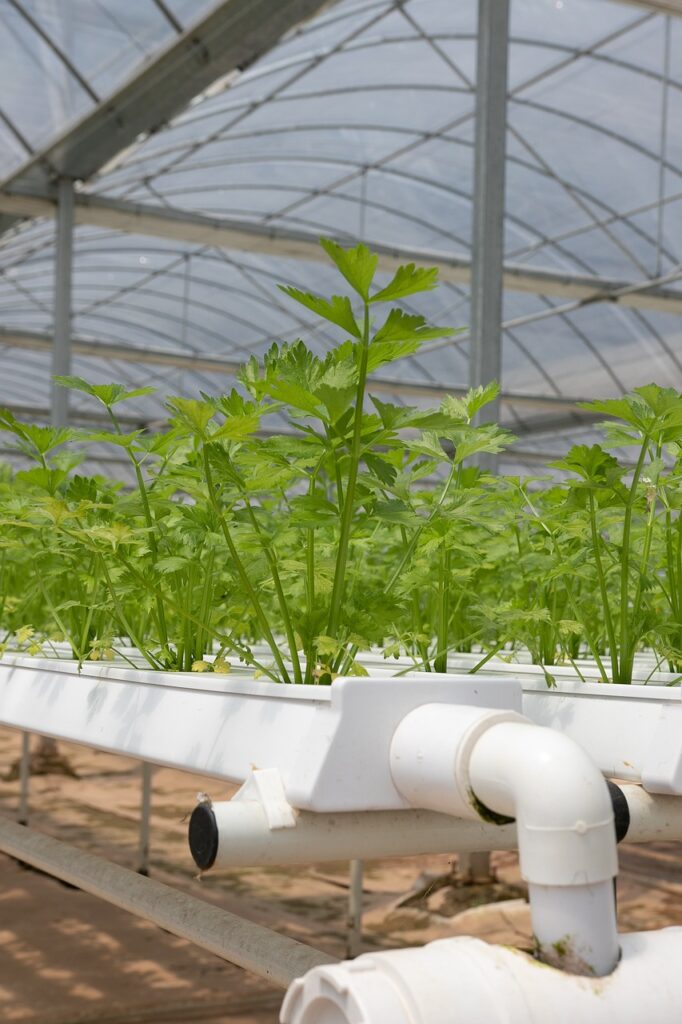
One of the major advantages of hydroponic gardening is its water efficiency. Traditional gardening often involves watering plants directly into the soil, which can lead to a significant amount of water wastage. In hydroponic gardening, water is recirculated through the system, meaning that only a fraction of the water typically used in traditional gardening is required. This reduced water usage not only helps conserve this valuable resource but also helps to lower water bills, making hydroponic gardening a cost-effective option.
Conservation of Water Resources
In addition to reduced water usage, hydroponic gardening also promotes the conservation of water resources. With conventional gardening methods, water can easily be lost through evaporation, run-off, or seepage into the soil. However, in hydroponic systems, water is contained and recycled, ensuring that every drop is utilized efficiently. This conservation of water resources is particularly crucial in areas prone to drought or with water scarcity issues, where hydroponic gardening can be a sustainable solution.
Reduced Water Loss through Evaporation
Traditional gardening often faces challenges with water loss through evaporation, especially in hot or arid climates. This can result in plants not receiving an adequate water supply, leading to stunted growth or even plant death. Hydroponic gardening mitigates this issue by providing a closed and controlled environment, minimizing water loss through evaporation. With proper monitoring and adjustment, the water supplied in a hydroponic system can be precisely regulated to meet the plants’ needs, ensuring optimal growth and reducing water wastage.
Effective Nutrient Uptake
Water efficiency in hydroponic gardening extends beyond the conservation of water itself. Hydroponic systems also facilitate more effective nutrient uptake by plants. Traditional gardening relies on soil as the medium for nutrient absorption, which can be inconsistent and inefficient. In hydroponics, plants receive essential nutrients directly in water, eliminating any dependency on soil quality. This direct nutrient delivery system ensures that plants receive a well-balanced and easily accessible nutrient supply, leading to healthier and more productive crops.
Space Efficiency
Optimal Use of Space
One of the key advantages of hydroponic gardening is its space efficiency. Traditional gardening methods require large areas of land for cultivation, limiting the feasibility of growing crops in urban or space-constrained environments. Hydroponic systems address this challenge by utilizing vertical space effectively. By growing plants vertically or in stacked layers, hydroponics enable growers to make the most of available space. This makes it possible to cultivate a significant number of plants in a small area, maximizing productivity and making hydroponic gardening suitable for urban farming or indoor gardening.
Year-round Cultivation
Traditional gardening often faces limitations due to seasonal changes and weather conditions. Cold winters, hot summers, and unpredictable weather patterns can hinder plant growth and limit the production of crops. Hydroponic gardening minimizes these constraints by providing a controlled environment that can be maintained regardless of the external climate. By providing optimal conditions for plant growth, such as temperature, humidity, and lighting, hydroponics allows for year-round cultivation, ensuring a continuous supply of fresh produce irrespective of traditional growing seasons.
Vertical Farming
A unique aspect of hydroponic gardening is its compatibility with vertical farming. Vertical farming involves growing plants in stacked layers or vertical structures, maximizing space utilization. Hydroponic systems are well-suited to vertical farming because they eliminate the need for soil, which often limits traditional vertical farming methods. This vertical approach not only makes efficient use of space but also enables easy scaling of cultivation. With vertical farming, growers can cultivate crops in multi-tiered systems, significantly increasing the overall production capacity of the growing facility.
No Need for Soil
Hydroponic gardening eliminates the need for soil, further contributing to space efficiency. Traditional gardening requires fertile soil, which can be limited in supply or may need extensive preparation before cultivation. In hydroponics, plants are grown in a soilless medium, such as perlite, vermiculite, or rockwool, or a nutrient-rich solution. This eliminates the need for soil altogether, freeing up space and removing potential limitations associated with soil quality or availability. Additionally, the absence of soil reduces the risk of soil-borne diseases and pests, promoting healthier plants and a more controlled growing environment.
Control over Environmental Factors
Temperature Control
One of the key advantages of hydroponic gardening is the ability to control environmental factors, starting with temperature. In conventional gardening, temperature fluctuations due to changes in weather can have a significant impact on plant growth. Extreme heat or cold can negatively affect plants’ health and reduce yield. Hydroponic systems allow growers to maintain a consistent and optimal temperature for plant growth throughout the year. By using techniques such as cooling or heating systems, growers can create an ideal environment that promotes healthy and vigorous plant development.
Humidity Control
Another environmental factor that hydroponic gardening provides control over is humidity. High or low humidity levels can cause various issues, such as poor growth, susceptibility to diseases, or damage to plants. Hydroponic systems enable growers to regulate and maintain an ideal humidity range specific to the plants being cultivated. By installing humidifiers or dehumidifiers, the humidity levels can be adjusted as needed to ensure optimal growing conditions. This level of control helps prevent common humidity-related problems and promotes healthy plant growth.
Lighting Control
Lighting is a crucial environmental factor that significantly impacts plant growth. In traditional gardening, plants are reliant on natural sunlight, which can be inconsistent, seasonal, or limited in certain locations. Hydroponic gardening overcomes these limitations by allowing growers to control and customize the lighting conditions for their plants. By using artificial lighting, such as LED or high-intensity discharge (HID) lights, growers can provide a consistent and optimized light spectrum, intensity, and photoperiod to stimulate plant growth. This level of lighting control ensures that plants receive the ideal amount and quality of light, resulting in faster growth and higher yields.
No Weather Constraints
Hydroponic gardening eliminates the reliance on favorable weather conditions, providing growers with the flexibility to cultivate crops regardless of the external climate. Traditional gardening methods can be heavily impacted by adverse weather events such as storms, hail, or frost, leading to crop losses and decreased productivity. In hydroponics, the controlled environment allows growers to protect plants from extreme weather conditions, ensuring their well-being and consistent growth. This freedom from weather constraints enables year-round production and reduces the risk of crop failure due to unpredictable weather patterns.
Less Resource Consumption
Reduced Land Requirement
One of the notable advantages of hydroponic gardening is its reduced land requirement compared to traditional gardening. Traditional methods often demand vast expanses of land for cultivation, limiting agricultural opportunities in densely populated areas or regions with limited available land. Hydroponic gardening eliminates this constraint by requiring significantly less land. By utilizing vertical space and growing crops in a controlled indoor environment, hydroponics allows for more efficient land usage. This opens up opportunities for urban farming, encouraging sustainable and localized food production.
Minimal Fertilizer and Pesticide Use
In traditional gardening, the application of fertilizers and pesticides is often necessary to maintain soil fertility and combat pests. However, excessive or improper use of these chemicals can have detrimental effects on the environment, water quality, and even human health. Hydroponic systems minimize the need for fertilizers and pesticides by delivering nutrients directly to the plants’ root systems and reducing the risk of pest infestations. Nutrient solutions can be precisely formulated to meet the plants’ specific requirements, minimizing waste and potential environmental harm.
No Soil Erosion
Soil erosion is a common issue associated with traditional gardening methods. Factors such as wind, rain, and poor soil management can cause erosion, leading to the loss of valuable topsoil and negatively impacting crop productivity. Hydroponic gardening eliminates the risk of soil erosion entirely since plants are grown without soil. The absence of soil in hydroponic systems means that the inherent erosion risks are eliminated, preserving nutrient-rich topsoil and ensuring a stable and consistent growing medium for plants.
Reduced Use of Machinery
Traditional gardening often involves the use of heavy machinery for various tasks, such as tilling, weeding, or harvesting. These machines consume fuel, contribute to air and noise pollution, and require maintenance and operational costs. Hydroponic gardening, on the other hand, significantly reduces the need for machinery. With hydroponic systems, there is no need for tilling or constant weeding since plants are grown in a controlled environment without soil. This reduction in machinery usage not only reduces resource consumption but also lowers environmental impact and operational expenses.
Higher Crop Yield
Optimized Nutrient Delivery
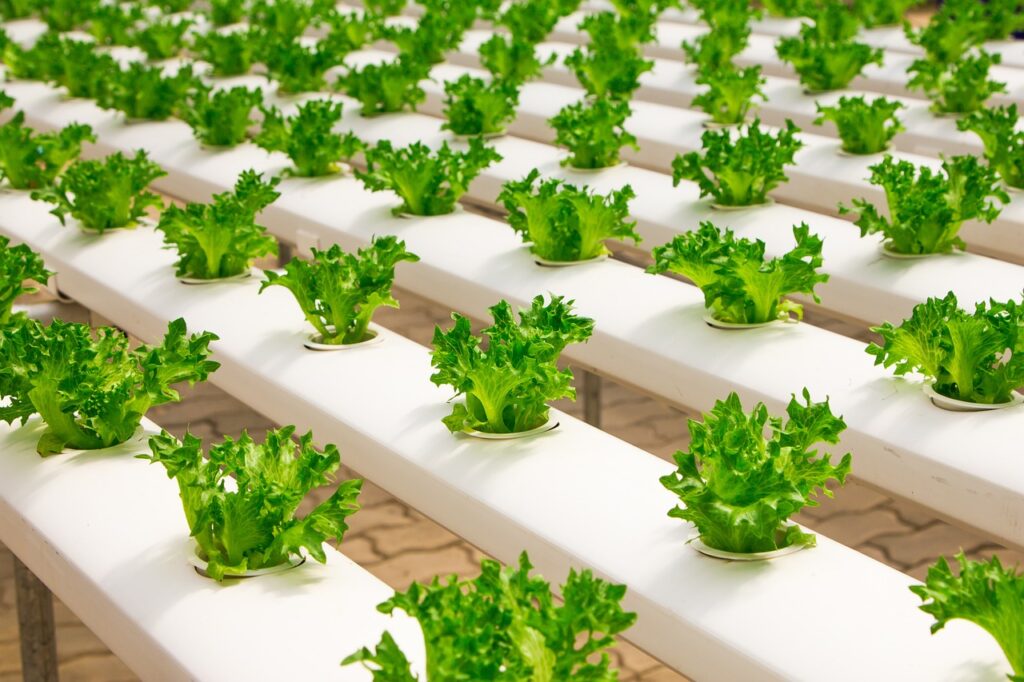
Hydroponic gardening provides a highly efficient and optimized nutrient delivery system, which significantly enhances crop yield. Traditional gardening relies on plants extracting nutrients from the soil, which can often be irregular or inadequate. In hydroponics, plants receive all their essential nutrients directly in the nutrient solution, ensuring a consistent and well-balanced supply. This direct nutrient delivery eliminates the potential for nutrient deficiencies or excesses, allowing plants to thrive and reach their full growth potential, ultimately leading to higher crop yields.
Faster Growth Rates
Another advantage of hydroponic gardening is the accelerated growth rates it offers compared to traditional gardening. By providing plants with optimal growing conditions, including controlled lighting, temperature, and nutrient availability, hydroponic systems promote rapid and vigorous growth. In these controlled environments, plants can focus their energy and resources on growth rather than searching for nutrients or adapting to less-than-ideal conditions. As a result, hydroponic plants often grow faster and reach maturity sooner, allowing for more frequent harvests and increased overall crop yield.
Continuous Harvests
Traditional gardening methods often follow seasonal growing patterns, resulting in a limited harvest window for specific crops. Hydroponic gardening breaks free from these constraints by enabling continuous harvests throughout the year. By providing consistent growing conditions and eliminating dependence on external factors such as weather or natural light cycles, hydroponic systems allow for uninterrupted crop production. This continuous harvesting capability ensures a steady and reliable supply of fresh produce, making hydroponic gardening particularly advantageous for commercial growers or those aiming for self-sufficiency.
No Competition for Nutrients
In traditional gardening, neighboring plants often compete for nutrients present in the soil. This competition can lead to stunted growth, nutrient deficiencies, or reduced yields. Hydroponic gardening eliminates this competition entirely by individually supplying nutrients to each plant. In hydroponic systems, plants are grown in separate containers or channels, and each receives a controlled nutrient solution tailored to its specific needs. This eliminates any competition for nutrients, resulting in healthier plants and optimal growth rates, ultimately contributing to higher crop yields.
Reduced Risk of Pests and Diseases
Isolation from Soil-borne Diseases
Soil-borne diseases are a common challenge in traditional gardening, as pathogens present in the soil can infect and damage plants. Hydroponic gardening offers a significant advantage by isolating plants from soil entirely. Without soil, plants are less vulnerable to soil-borne diseases and the associated risks. This separation prevents the transmission of pathogens and minimizes the risk of infection, leading to overall healthier crops and a reduced need for disease control measures.
Better Disease Control
Hydroponic gardening provides enhanced disease control compared to traditional gardening methods. The controlled environment of hydroponic systems allows growers to implement strict hygiene practices and monitor plants closely for any signs of disease. With the absence of soil, potential disease vectors are eliminated, significantly reducing the risk of disease outbreaks. Additionally, the controlled nature of hydroponic systems enables growers to respond swiftly to any disease issues, implementing targeted treatment approaches and preventing the spread of diseases throughout the entire crop.
Reduced Pest Infestations
Traditional gardening often faces challenges from a variety of pests, including insects, rodents, and other small animals. These pests can cause widespread damage to crops, leading to lower yields and economic losses. Hydroponic gardening minimizes the risk of pest infestations by virtue of its controlled environment. With no soil to provide habitat or food sources, pests are less likely to be attracted to hydroponic systems. Additionally, the controlled environment allows for better pest monitoring and the implementation of preventive measures, such as physical barriers or biological controls, reducing the reliance on pesticides in pest management.
Easier Monitoring and Treatment
Hydroponic gardening simplifies the monitoring and treatment of pests and diseases compared to traditional gardening. The controlled and enclosed environment of hydroponic systems makes it easier to detect early signs of pest infestations or disease outbreaks. With plants grown individually, any issues affecting one plant can be identified promptly, preventing the spread to others. Furthermore, the absence of soil makes it easier to implement specific treatment strategies, such as targeted spraying or the use of beneficial insects, while minimizing the risk of contamination to the entire growing system.
Minimal Weeding
No Weed Growth
One of the most labor-intensive aspects of traditional gardening is weeding. Weeds compete with crops for resources such as light, water, and nutrients, leading to decreased productivity and increased efforts to control them. Hydroponic gardening frees growers from the tiresome task of weeding altogether. Since plants are grown in a soilless medium or a controlled nutrient solution, weeds have no opportunity to grow or establish themselves. This eliminates the need for constant weeding, reducing labor requirements and allowing growers to focus on other essential aspects of plant cultivation.
Time and Effort Savings
The absence of weeds in hydroponic gardening translates to significant time and effort savings. Weeding can be an ongoing, labor-intensive task, requiring regular attention and maintenance. By eliminating weed growth, hydroponic systems alleviate the need for time-consuming weeding sessions. This time and effort can be redirected towards more productive activities, such as crop maintenance, harvesting, or expanding the cultivation space. The reduced labor requirements contribute to increased efficiency and make hydroponic gardening an appealing option, particularly for those with limited time or physical capabilities.
No Herbicide Use
Traditional gardening often relies on herbicides to control weed growth. While herbicides can be effective, their use comes with certain risks, including potential harm to desirable plants, environmental pollution, or health hazards. Hydroponic gardening eliminates the need for herbicides altogether. With no weeds to eradicate, the reliance on chemical herbicides is completely avoided, reducing potential risks and ensuring a cleaner and more environmentally friendly cultivation method. As a result, hydroponically grown crops can be considered as naturally weed-free and chemical-free, appealing to consumers concerned about pesticide residues.
Cleaner and Tidier Cultivation
Weed growth not only competes with crops for resources but also creates a visually messy and unkempt appearance in traditional gardening. Hydroponic gardening offers a cleaner and tidier cultivation method. With no weeds present, hydroponic systems maintain a neat and organized appearance, creating an aesthetically pleasing growing environment. This cleanliness extends to harvested produce, eliminating the need for extensive washing or manual removal of debris before consumption. The absence of weeds enhances the overall visual appeal and quality of hydroponically grown crops, contributing to their market value and consumer preference.
Energy Efficiency
Advanced Lighting Systems
Hydroponic gardening relies on artificial lighting to compensate for the lack of natural sunlight in controlled environments. Advanced lighting systems, such as LED or HID lights, are commonly used in hydroponics to provide the necessary light spectrum and intensity for optimal plant growth. These lighting systems offer high energy efficiency compared to conventional lighting options, such as incandescent or fluorescent bulbs. LEDs, in particular, are known for their low energy consumption, long lifespan, and minimal heat generation, making them an ideal choice for energy-efficient hydroponic lighting.
Reduced Energy Waste
In hydroponic gardening, energy efficiency extends beyond lighting systems. The controlled environment allows for the optimization of other energy-consuming components, such as ventilation, temperature control, and water circulation. By fine-tuning these systems and implementing energy-saving technologies, hydroponic growers can minimize energy waste and maximize efficiency. Measures such as using efficient fans, insulation, or automated systems can significantly reduce energy consumption in hydroponic setups. By reducing energy waste, hydroponic gardening not only benefits the environment but also helps to lower operational costs.
Utilization of Sustainable Energy
Hydroponic gardening is well-suited to utilizing sustainable energy sources. With the growing availability and affordability of renewable energy options such as solar panels or wind turbines, hydroponic systems can be powered using clean and sustainable sources. By harnessing renewable energy, such as solar power, hydroponic growers can reduce their dependence on fossil fuels and contribute to a greener and more sustainable agricultural sector. This integration of sustainable energy technologies enhances the environmental friendliness of hydroponic gardening, further solidifying its reputation as an environmentally conscious and efficient cultivation method.
Lower Carbon Footprint
The combination of energy-efficient lighting systems, reduced energy waste, and the utilization of sustainable energy sources results in a lower carbon footprint for hydroponic gardening compared to traditional gardening. Traditional methods often rely on fossil fuel-powered machinery, transportation, and energy-intensive processes, contributing to greenhouse gas emissions. Hydroponic gardening reduces greenhouse gas emissions by minimizing the use of machinery, optimizing energy consumption, and potentially utilizing renewable energy. By reducing its carbon footprint, hydroponic gardening plays a role in mitigating climate change and supporting sustainable agricultural practices.
Quality and Consistency
Controlled Nutrient Levels
Hydroponic gardening enables precise control over nutrient levels, leading to better quality and consistent crops. In traditional gardening, soil nutrient levels can vary significantly, affecting the nutrient composition of harvested produce. Hydroponic systems eliminate these inconsistencies by providing a precisely formulated nutrient solution tailored to the plants’ specific needs. By maintaining optimal nutrient levels throughout the growth cycle, hydroponic crops can achieve higher nutritional quality and have more consistent flavor profiles, meeting the demands of discerning consumers who prioritize quality and taste in their food choices.
Uniform Growing Conditions
Traditional gardening is often subject to external factors such as weather patterns or soil variations that can create different growing conditions across the cultivation area. These variations can affect plant growth, leading to inconsistencies in size, yield, or overall quality. Hydroponic gardening creates a controlled and uniform growing environment, ensuring that all plants receive identical conditions and treatment. With consistent lighting, temperature, humidity, and nutrient supply, hydroponically grown crops develop at a similar pace and produce uniform yields, resulting in a visually appealing and standardized end product.
Better Flavor and Nutrient Content
The controlled environment of hydroponic gardening contributes to better flavor and nutrient content in harvested produce. Traditional gardening methods can produce crops with variable flavors and nutrient profiles due to soil quality, climate fluctuations, or other uncontrollable factors. Hydroponic systems eliminate these uncertainties by providing optimal growing conditions and precisely delivered nutrients, allowing plants to develop their full potential. This optimal environment, coupled with the absence of soil-borne diseases or contaminants, ensures that hydroponically grown crops consistently exhibit superior flavor and enhanced nutrient content.
Consistent Crop Quality
Hydroponic gardening excels in delivering consistent crop quality, eliminating the natural variations encountered in traditional gardening. In conventional methods, factors such as weather extremes, soil conditions, or pests can lead to inconsistent crop quality. Hydroponic systems overcome these challenges by offering precise control over every aspect of plant cultivation. By removing external influences and inconsistencies, hydroponic gardening ensures that each crop is of the highest quality, free from blemishes or deformities often associated with nutrient deficiencies or pest damage. This consistent crop quality enhances marketability and consumer satisfaction, making hydroponics an attractive option for both growers and buyers.
Cost Considerations
Initial Setup Costs
Hydroponic gardening typically requires an initial investment in infrastructure and equipment, presenting upfront costs that may be higher than those associated with traditional gardening. This investment includes purchasing or building a suitable growing environment, acquiring hydroponic systems, lighting equipment, and other necessary components. However, the cost of setting up a hydroponic system can vary significantly depending on factors such as scale, complexity, or the choice of equipment. While the initial setup costs may be higher, hydroponic gardening holds the advantage of long-term benefits, including increased productivity and reduced resource consumption.
Operational Expenses
In addition to the initial setup costs, hydroponic gardening entails ongoing operational expenses that should be considered. These expenses include the cost of electricity for lighting, climate control equipment, water supply, nutrient solutions, and maintenance of the growing system. However, hydroponic systems’ efficiency, reduced resource consumption, and potential for year-round cultivation can offset some operational expenses, such as lower water consumption or reduced reliance on expensive external inputs like fertilizers or pesticides. With proper planning, efficient management, and cost-effective choices, hydroponic gardening can become an economically viable long-term investment.
Potential Return on Investment
Hydroponic gardening offers the potential for a favorable return on investment, particularly for commercial growers. While the initial setup costs and ongoing operational expenses need to be considered, hydroponic systems’ increased productivity and higher crop yields can generate substantial returns. The ability to grow crops year-round, regardless of seasonal limitations, allows for more frequent harvests, increased market supply, and potentially higher revenue. Additionally, hydroponic produce is often associated with premium quality and can command higher prices in the market. By balancing the costs and benefits, hydroponic gardening can become a profitable venture, supporting economic viability for growers.
Economic Viability
The economic viability of hydroponic gardening is influenced by various factors, including the scale of operation, crop selection, market demand, and local conditions such as energy costs or access to resources. While hydroponic gardening may involve higher upfront costs than traditional gardening, it offers advantages that can contribute to long-term economic viability. These advantages include increased productivity, resource efficiency, reduced risk of crop failure, and the ability to meet market demands for consistently high-quality produce. By carefully assessing these factors and adapting strategies to suit specific circumstances, hydroponic gardening can be a financially rewarding and sustainable agricultural practice.
In conclusion, hydroponic gardening offers numerous benefits over traditional gardening methods. From water efficiency and space optimization to enhanced control over environmental factors and reduced resource consumption, hydroponic systems provide a comprehensive solution for efficient and sustainable cultivation. With higher crop yields, reduced risks of pests and diseases, minimal weeding requirements, energy efficiency, superior crop quality, and consideration for costs and economic viability, hydroponic gardening emerges as a viable alternative to traditional gardening. Whether used for commercial or personal purposes, hydroponics opens up new possibilities for year-round, high-quality, and environmentally friendly food production.


