


Imagine having a garden that doesn’t require soil, uses less water, and produces higher yields of fruits and vegetables than traditional gardening methods. With a hydroponic gardening system, all of this is possible. By growing plants in nutrient-rich water solutions and using controlled environments, hydroponic gardening offers numerous advantages for both commercial farmers and home gardeners. In this article, we will explore the benefits of a hydroponic gardening system, from its ability to conserve water and land to its potential for year-round cultivation and increased crop quality. Get ready to discover a revolutionary way to grow plants that will transform your gardening experience.
Increased Plant Growth and Yield
Optimal Nutrient Delivery
One of the major benefits of a hydroponic gardening system is the ability to deliver nutrients to plants in an optimal manner. In traditional soil gardening, nutrients are often unevenly distributed and can become depleted over time. However, with hydroponics, you have complete control over the nutrient solution that plants receive. This allows you to customize the formula to meet the specific needs of each plant, ensuring they receive the ideal balance of nutrients at all times. As a result, plants in a hydroponic system experience increased growth rates and yields compared to traditional soil gardening.
Controlled Environment
Another advantage of hydroponic gardening is the ability to create a controlled environment for your plants. Traditional gardening methods are susceptible to fluctuations in temperature, humidity, and other environmental factors that can negatively impact plant growth. However, with a hydroponic system, you can adjust and monitor these factors with precision. By providing plants with the optimal growing conditions, you can ensure they thrive and reach their full potential. This controlled environment also minimizes the risk of pests and diseases, further contributing to increased plant growth and yield.
Continuous Water and Nutrient Availability
In a traditional soil garden, plants often have to compete for water and nutrients, leading to inconsistent growth and yield. Hydroponic gardening eliminates this issue by providing plants with a continuous supply of water and nutrients. The roots of the plants are directly exposed to the nutrient solution, allowing them to take up water and nutrients as needed. This constant availability of resources ensures that plants have everything they need to grow and produce healthy yields. With a hydroponic system, you can say goodbye to wilted plants and hello to thriving greenery.
Water Conservation
Reduced Water Usage
Water scarcity is a growing concern in many parts of the world. Hydroponic gardening offers a solution by significantly reducing water usage compared to traditional soil gardening methods. In a hydroponic system, water is recirculated, meaning it is continually reused, minimizing wastage. Additionally, since the nutrient solution is delivered directly to the plant’s roots, there is no water loss due to evaporation or runoff. This efficient use of water not only conserves this precious resource but also reduces your water bill.
Minimized Water Loss through Evaporation
Traditional soil gardening often results in significant water loss due to evaporation. The soil acts as a sponge, absorbing water but also allowing it to evaporate into the atmosphere. This loss of water can be detrimental to plants, especially in hot and dry climates. In a hydroponic system, the plants are grown in a soilless medium or directly in water, minimizing evaporation. This ensures that water is used solely for the benefit of the plants and not wasted through evaporation.
Recirculation Systems
One of the key features of a hydroponic gardening system is the use of recirculation systems. These systems allow you to capture and recirculate the excess nutrient solution, reducing water usage even further. Instead of constantly replenishing the nutrient solution, you can recirculate it through the system, providing a sustainable and environmentally-friendly solution. This recirculation not only conserves water but also helps maintain the optimal balance of nutrients for your plants.
Space Efficiency
Vertical Growing
One of the greatest advantages of hydroponic gardening is its space efficiency. Traditional soil gardening requires large plots of land, limiting the ability to grow plants in small spaces. However, with hydroponics, you can utilize vertical growing techniques to maximize your growing area. By stacking plants vertically using shelves or specialized systems, you can grow a greater number of plants in a smaller footprint. This is particularly beneficial for urban dwellers or those with limited outdoor space, allowing them to enjoy the benefits of gardening without sacrificing space.
Compact Design
Hydroponic gardening systems are designed to be compact and efficient. Unlike traditional soil gardens that require sprawling rows, a hydroponic system can be customized to fit your available space. Whether you have a spare room, a balcony, or just a small corner, you can set up a hydroponic system that utilizes the space effectively. The compact design of hydroponic systems makes them versatile and adaptable to different living situations, making gardening accessible to everyone.
Maximized Use of Growing Area
In a traditional soil garden, plants need to be spaced apart to allow for root growth and nutrient access. This can result in wasted growing space between plants. Hydroponic gardening eliminates this problem by allowing for maximum use of the growing area. Since the plants receive their nutrients directly through the root system, they can be placed much closer together. This not only maximizes the use of space but also increases the overall yield of the garden. With a hydroponic system, you can make the most of your available growing area and enjoy a bountiful harvest.
No Soil-Based Pests and Diseases
Reduced Risk of Contamination
One of the significant advantages of hydroponic gardening is the reduced risk of contamination from soil-based pests and diseases. Traditional soil gardening exposes plants to a variety of pests and diseases that live in the soil. These soil-borne pests can easily infect and harm your plants, leading to decreased growth and yield. However, in a hydroponic system, plants are grown in a soilless medium or directly in water, eliminating contact with soil and minimizing the risk of contamination. This creates a healthier environment for your plants, allowing them to flourish without the threat of pests and diseases.
Elimination of Soil-Borne Diseases
Soil-borne diseases can wreak havoc on a traditional soil garden. Harmful pathogens and fungi in the soil can infect the plant’s roots, leading to stunted growth and even death. With hydroponic gardening, these soil-borne diseases are virtually eliminated. Plants are grown in a sterile environment, free from harmful pathogens that can attack their roots. This eliminates the need for chemical treatments or invasive measures to control diseases, promoting a more sustainable and natural approach to gardening.
Decreased Need for Pesticides and Herbicides
The use of pesticides and herbicides in traditional soil gardening can have harmful effects on the environment and human health. Hydroponic gardening offers a solution by significantly reducing the need for these chemical treatments. Without soil-borne pests and weeds to contend with, you can minimize or even eliminate the use of pesticides and herbicides in your garden. This not only benefits the environment but also ensures that the produce you grow is healthier and cleaner. With hydroponics, you can enjoy pesticide-free gardening and produce that is safe for you and your family to consume.
Optimal Nutrient Control
Customized Nutrient Formulas
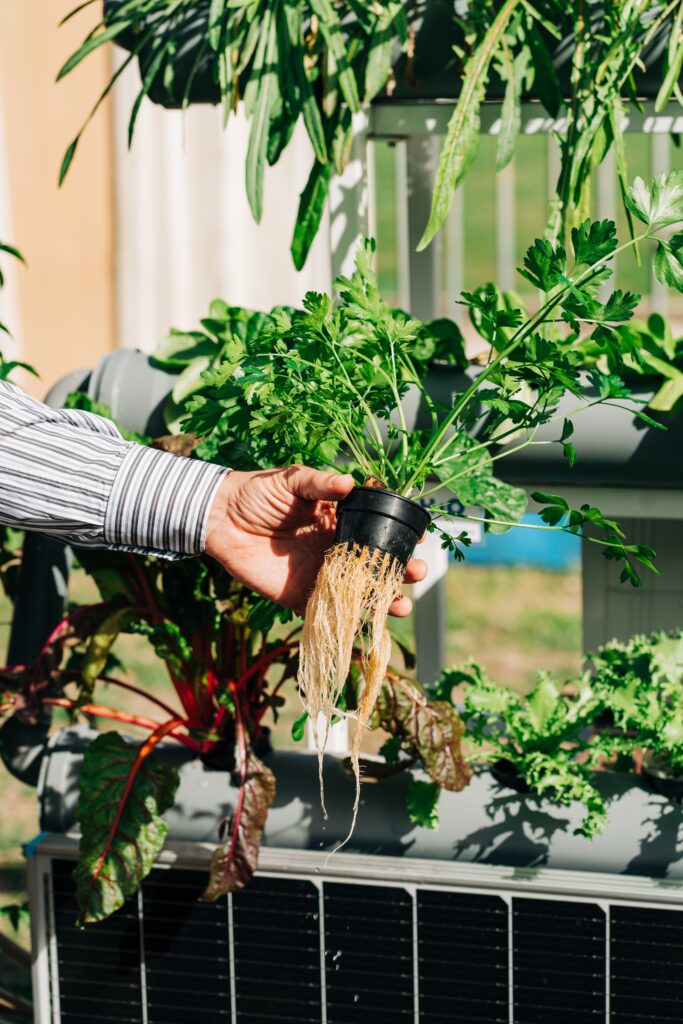
Hydroponic gardening allows you to have complete control over the nutrient formulas that plants receive. Each type of plant has specific nutrient requirements, and with a hydroponic system, you can customize the nutrient solution to meet these requirements precisely. By tailoring the nutrient formula to the needs of each plant, you can optimize their growth and maximize yield. This level of control is simply not possible with traditional soil gardening methods, where plants are at the mercy of the nutrient content of the soil.
Precision Feeding
In a hydroponic system, nutrients are delivered directly to the plant’s roots, bypassing the need for the plant to extract nutrients from the soil. This precision feeding ensures that plants receive the exact amount of nutrients they require, avoiding overfeeding or underfeeding. By providing plants with precisely what they need, you can avoid nutrient deficiencies or imbalances, which can negatively impact growth and yield. With a hydroponic system, you become the master of nutrient control, setting the stage for healthy and thriving plants.
Prevention of Nutrient Deficiencies
Nutrient deficiencies can be a common issue in traditional soil gardening, as plants rely on the soil’s nutrient content. However, with hydroponic gardening, the risk of nutrient deficiencies is significantly reduced. By delivering nutrients directly to the plant’s roots, you eliminate the potential for nutrient deficiencies caused by poor soil quality or uneven distribution. You can ensure that your plants have access to all the necessary nutrients, promoting healthy growth and preventing deficiencies that can hinder their development.
Year-Round Gardening
Climate Independence
One of the greatest advantages of hydroponic gardening is its climate independence. Traditional soil gardening is heavily reliant on favorable weather conditions, limiting the ability to grow plants year-round in many regions. This is not the case with a hydroponic system. With the ability to create a controlled environment, you can grow plants regardless of the season or climate outside. Whether it’s winter or summer, rain or shine, you can enjoy a thriving garden all year round with hydroponics.
Indoor Cultivation
Hydroponic gardening is particularly well-suited for indoor cultivation. By setting up a hydroponic system indoors, you can overcome the limitations imposed by outdoor conditions. This allows you to grow plants in any room of your home, even if you don’t have access to outdoor space. With the use of artificial lighting and climate control systems, you can create the perfect environment for your plants to flourish. Indoor cultivation also provides protection from pests and diseases, further ensuring the health and success of your garden.
Extended Growing Seasons
In traditional soil gardening, the growing season is often limited to a few months, depending on the climate and weather conditions. Hydroponic gardening, on the other hand, allows for extended growing seasons. By controlling the environment, you can provide plants with the optimal conditions for growth, even when the weather outside is less than ideal. This extended growing season enables you to enjoy a more abundant harvest and a continuous supply of fresh produce throughout the year. With hydroponics, you can extend the joy of gardening beyond the traditional planting season.
Reduced Maintenance and Effort
No Weeding or Tilling
Tending to a traditional soil garden often involves time-consuming tasks such as weeding and tilling. These maintenance activities can be labor-intensive and require significant effort. However, with hydroponic gardening, you can say goodbye to weeding and tilling. Since plants are grown in a soilless medium or directly in water, there is no need to weed out unwanted plants or disturb the soil. This saves you time and effort, allowing you to focus on other aspects of gardening, such as plant care and harvest.
Less Pruning and Trellising
Pruning and trellising are common practices in traditional soil gardening to train plants and promote proper growth. While these tasks are important, they can be time-consuming and require ongoing maintenance. In a hydroponic system, plants typically have a more structured framework for growth, minimizing the need for pruning and trellising. With hydroponics, you can enjoy a more streamlined gardening experience, with less time spent on maintenance tasks and more time spent enjoying the fruits of your labor.
Minimal Soil Preparation
Preparing the soil for planting is a necessary step in traditional gardening. Soil needs to be tilled, amended, and conditioned to create a suitable environment for plants to grow. This process can be labor-intensive and time-consuming. In contrast, hydroponic gardening eliminates the need for soil preparation altogether. With a soilless medium or a water-based system, there is no soil to prepare, saving you both time and effort. Hydroponics simplifies the gardening process, allowing you to dive straight into planting and nurturing your plants.
Faster Growth and Harvesting
Accelerated Plant Development
One of the remarkable benefits of hydroponic gardening is the accelerated growth of plants. Since plants in a hydroponic system have access to a continuous supply of water, nutrients, and optimal growing conditions, they can grow at a faster rate compared to traditional soil gardening. This means that you can expect quicker growth and development, resulting in earlier flowering and fruiting stages. With hydroponics, you can enjoy the satisfaction of seeing your plants thrive and produce results in a shorter amount of time.
Shorter Harvest Cycles
In traditional soil gardening, the time it takes for plants to reach maturity can vary depending on various factors. However, with hydroponic gardening, you can significantly reduce the overall time it takes for plants to mature and become ready for harvest. The controlled environment, precise nutrient delivery, and optimal growing conditions provided by hydroponics contribute to shorter harvest cycles. This means that you can enjoy a more frequent harvest and a continuous supply of fresh produce.
Increased Annual Crop Turnover
The ability to achieve faster growth and shorter harvest cycles in a hydroponic system translates to increased annual crop turnover. In traditional soil gardening, there may only be one or two growing cycles per year, depending on the climate and growing conditions. However, with hydroponics, you can achieve multiple growing cycles within the same timeframe. This increased turnover allows you to grow more crops and enjoy a more abundant harvest throughout the year. Hydroponic gardening maximizes your productivity and allows you to make the most of your growing season.
Minimized Environmental Impact
Reduced Land Usage
Traditional soil gardening often requires vast expanses of land to accommodate the growing needs of plants. This results in deforestation, habitat destruction, and loss of natural ecosystems. Hydroponic gardening offers a solution by reducing the land usage required for cultivation. With the space-efficient design of hydroponic systems and the ability to grow vertically, you can maximize your growing area without the need for large plots of land. Hydroponics allows you to minimize your environmental footprint and contribute to the conservation of natural resources.
Lowered Soil Erosion
Soil erosion is a significant environmental concern associated with traditional soil gardening. Heavy rainfall, wind, and improper soil management can result in the erosion of fertile topsoil, which is vital for plant growth. Hydroponic gardening eliminates the risk of soil erosion altogether. Since plants are grown in a soilless medium or directly in water, there is no soil exposed to the elements. This ensures that fertile soil is preserved, protecting against erosion and maintaining the integrity of the land.
Limited Water Pollution
Chemical fertilizers and pesticides used in traditional soil gardening can leach into the groundwater or be washed off into nearby water bodies, contributing to water pollution. With hydroponic gardening, the risk of water pollution is significantly reduced. Since the nutrient solution is contained within the system and recirculated, there is minimal opportunity for the nutrients to escape and contaminate water sources. Hydroponics provides a more environmentally friendly approach to gardening, ensuring that your actions have minimal impact on the surrounding ecosystem.
Healthier and Cleaner Produce
No Soil Contaminants
Soil can be a source of contaminants such as heavy metals, pollutants, and residual pesticides. Traditional soil gardening may expose plants to these contaminants, affecting their safety and quality. Hydroponic gardening eliminates this risk by growing plants in a soilless medium or directly in water. This ensures that your produce is free from soil contaminants, providing you with cleaner and safer food. With hydroponics, you can have peace of mind knowing that you are consuming fresh produce that is free from harmful substances.
Reduced Exposure to Pesticides
In traditional soil gardening, the use of pesticides is often necessary to control pests and diseases. However, these chemical treatments can leave residues on the produce, posing potential health risks to consumers. With hydroponic gardening, the need for pesticides is greatly minimized or even eliminated. Without soil-based pests to contend with, you can grow your plants without relying on chemical pesticides. This reduces your exposure to harmful substances and allows you to enjoy produce that is naturally pest-free.
Enhanced Nutritional Value
Hydroponic gardening has been shown to enhance the nutritional value of the produce. With precise nutrient control and optimal growing conditions, plants in a hydroponic system are able to absorb nutrients more efficiently. This results in higher nutrient content in the fruits and vegetables grown hydroponically. Studies have shown that hydroponically grown produce can have higher levels of essential vitamins, minerals, and antioxidants compared to conventionally grown produce. By choosing hydroponically grown food, you can fuel your body with nutritious and flavorful options.
In conclusion, a hydroponic gardening system offers numerous benefits that contribute to increased plant growth and yield, water conservation, space efficiency, and reduced environmental impact. With optimal nutrient delivery, a controlled environment, and continuous water and nutrient availability, plants in a hydroponic system can thrive and produce healthy yields. Hydroponics also allows for reduced water usage, minimized water loss through evaporation, and the use of recirculation systems, contributing to water conservation efforts. The space efficiency of hydroponic gardening, enabled by vertical growing and compact design, allows for maximum use of growing area, making gardening accessible to those with limited space. Hydroponic gardening eliminates soil-based pests and diseases, protecting your plants from contamination and eliminating the need for pesticides and herbicides. The ability to customize nutrient formulas, precision feeding, and prevention of nutrient deficiencies ensure optimal nutrient control for improved plant health. Hydroponic gardening enables year-round gardening through climate independence and indoor cultivation, extending growing seasons and providing a continuous supply of fresh produce. With reduced maintenance and effort, hydroponic gardening eliminates the need for weeding or tilling, minimizes pruning and trellising, and requires minimal soil preparation. Faster growth and harvesting, accelerated plant development, shorter harvest cycles, and increased annual crop turnover are facilitated by the optimal growing conditions in a hydroponic system. The minimized environmental impact of hydroponic gardening is reflected in reduced land usage, lowered soil erosion, and limited water pollution. Finally, hydroponically grown produce is healthier and cleaner, free from soil contaminants, with reduced exposure to pesticides, and enhanced nutritional value. Embracing a hydroponic gardening system offers a sustainable and rewarding way to grow plants that benefits both the environment and your own well-being.


