


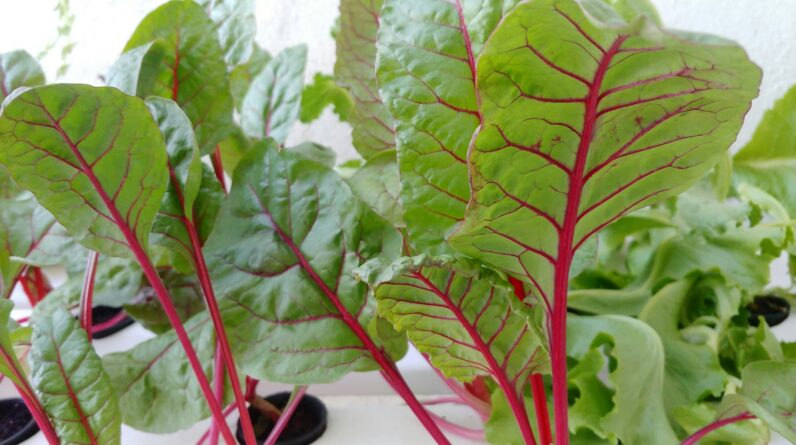
So you’re interested in trying your hand at hydroponic vegetable gardening, but you don’t quite know where to start? Don’t worry, we’ve got you covered. In this beginner’s guide, we’ll break down the basics of hydroponics and provide step-by-step instructions on how to set up your own thriving garden without soil. Whether you have limited space or just want to experiment with a new growing method, hydroponic vegetable gardening offers a unique and rewarding experience that can yield impressive results. Get ready to embark on a journey of plant nurturing and discovery as we explore the world of hydroponics together.

Choosing the Right Hydroponic System
When it comes to hydroponic gardening, choosing the right system is crucial for the success of your plants. Here are four popular hydroponic systems to consider:
NFT (Nutrient Film Technique) System
The NFT system involves a thin film of nutrient solution that continuously flows over the plant roots. This method provides a constant supply of oxygen to the roots and is ideal for growing plants with shallow root systems, such as lettuce or herbs. The NFT system is known for its simplicity and efficiency in water and nutrient usage.
DWC (Deep Water Culture) System
DWC is a popular choice among beginners due to its simplicity. In this system, the plants are suspended in a nutrient-rich solution with the roots submerged. Air stones or diffusers are used to provide oxygen to the roots. This system works well for a wide variety of plants, including lettuce, spinach, and herbs. However, it is important to monitor the oxygen levels carefully to avoid root rot.
Drip System
In a drip system, a timer-controlled pump delivers nutrient solution to the plants through a series of tubes and emitters. This system is versatile and can be used for both small-scale and large-scale hydroponic setups. The drip system is great for plants that prefer a drier root zone, such as tomatoes and peppers. It allows for precise control over the nutrient delivery, making it easier to adjust the feeding schedule based on the plant’s needs.
Aeroponic System
Aeroponics is a high-tech hydroponic system that suspends the plant roots in the air. Nutrient solution is misted onto the roots at regular intervals, providing ample oxygen and moisture. This system is extremely efficient and allows for faster growth and larger yields. However, it requires more advanced knowledge and equipment to set up and maintain.
Before choosing a hydroponic system, consider factors such as the type of plants you want to grow, your available space, and your level of experience. Each system has its advantages and disadvantages, so choose the one that suits your needs and goals.
Selecting the Ideal Vegetables for Hydroponic Gardening
Hydroponic gardening opens up a world of possibilities when it comes to growing vegetables. Here are some popular choices for hydroponic gardening:
Leafy Greens
Leafy greens, such as lettuce, spinach, and kale, are well-suited for hydroponic systems. They have shallow root systems and relatively short growth cycles, making them ideal for NFT or DWC systems. Leafy greens are packed with nutrients and are a staple in any healthy diet.
Tomatoes
Tomatoes are one of the most popular vegetables to grow in hydroponic systems. They thrive in drip or NFT systems and can produce high yields. Tomato plants require support structures like trellises or cages to ensure proper growth and prevent the branches from breaking under the weight of the fruit.
Cucumbers
Cucumbers are another excellent choice for hydroponic gardening. They grow well in NFT or DWC systems and produce crisp and juicy fruits. Cucumber plants also require support structures to allow the vines to climb and spread out.
Peppers
Peppers, whether they are bell peppers or hot peppers, are well-suited for hydroponic systems. They can be grown in various systems, including NFT, DWC, or drip systems. Peppers require ample sunlight and warmth, so make sure to provide adequate light and maintain appropriate temperature levels for optimal growth.
Herbs
Herbs like basil, parsley, cilantro, and mint are perfect for hydroponic gardening. They grow quickly, require minimal space, and add wonderful flavors to your dishes. Herbs can be grown in any hydroponic system, but NFT or DWC systems are the most commonly used.
Consider the growth requirements of each vegetable, such as light, temperature, and nutrient needs, before deciding which vegetables to grow. Different hydroponic systems may be better suited for certain vegetables, so choose vegetables that align with the system you plan to use.
Preparing the Hydroponic Setup
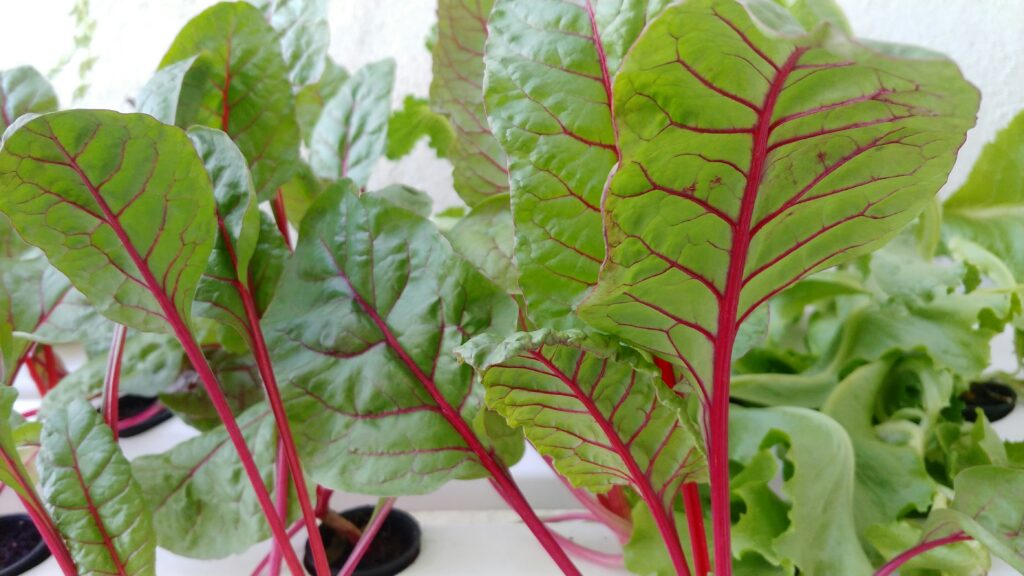
Before setting up your hydroponic garden, there are a few key steps to take to ensure a successful growing environment.
Choosing a Suitable Location
Select a location that offers access to sufficient natural or artificial light. Most hydroponic systems require at least 8-12 hours of direct sunlight or the equivalent in artificial lighting. Choose a space that is well-ventilated and free from extreme temperature fluctuations and drafts.
Installing Grow Lights
If your chosen location does not provide adequate sunlight, you’ll need to install grow lights. LED grow lights are a popular choice for hydroponic gardening due to their energy efficiency and ability to provide the necessary light spectrum for plant growth. Position the lights at the correct height and angle to ensure uniform light distribution and avoid burning the plants.
Setting Up Nutrient Reservoir
The nutrient reservoir is where the water and nutrient solution are stored for the plants. Choose a container that is large enough to hold an ample supply of nutrient solution for your plants. It is important to regularly monitor and maintain the nutrient solution’s pH and nutrient levels to ensure optimal plant growth.
Preparing the Growing Medium
Hydroponic systems use a growing medium to support the plant roots and provide stability. Common growing mediums include rockwool, perlite, vermiculite, and coconut coir. Thoroughly rinse the growing medium to remove any impurities before use. Ensure that the growing medium is adequately moist but not overly saturated to prevent waterlogging and suffocating the roots.
By properly preparing your hydroponic setup, you are setting the stage for a healthy and productive garden.
Understanding Hydroponic Nutrients and pH Levels
In hydroponic gardening, providing the right nutrients and maintaining the correct pH levels are vital for the plants’ optimal growth and development.
Essential Key Nutrients
Plants require a range of essential nutrients to grow and thrive. These nutrients are divided into macronutrients and micronutrients. Macronutrients, such as nitrogen (N), phosphorus (P), and potassium (K), are needed in larger quantities, while micronutrients, like iron (Fe), manganese (Mn), and zinc (Zn), are required in smaller quantities. It is important to ensure that the nutrient solution contains the appropriate balance of these essential nutrients.
Nutrient Solutions and Their Ratios
Hydroponic systems typically use nutrient solutions that are diluted in water and provided to the plants. Nutrient solutions come in various formulations, with different ratios of macronutrients and micronutrients. The specific nutrient solution ratio will depend on the plants being grown and their growth stage. It is important to follow the manufacturer’s instructions when mixing and using nutrient solutions to avoid over or underfeeding the plants.
Measuring pH Levels
pH is a measure of the acidity or alkalinity of a solution. In hydroponic gardening, maintaining the correct pH level is crucial for nutrient absorption. Most plants thrive in a slightly acidic to neutral pH range of 5.5 to 6.5. Use a pH testing kit or meter to regularly measure the pH level of the nutrient solution.
Adjusting pH Levels
If the pH level is too high or too low, it can affect the plants’ ability to take up nutrients properly. To adjust the pH level, use pH-up or pH-down solutions. Follow the instructions provided with the pH-adjusting products and make gradual changes, allowing time for the adjustment to take effect before retesting the pH level.
Properly understanding and managing the nutrient solution’s composition and pH levels will help ensure that your plants receive the necessary nutrients for healthy growth.
Seed Selection and Germination
The success of your hydroponic garden starts with selecting high-quality seeds and properly germinating them.
Buying Quality Seeds
Choose seeds from reputable suppliers or seed banks. Look for seeds that are labeled as suitable for hydroponic or indoor gardening. Ensure that the seeds have not reached their expiration date and are free from diseases or pests. Pay attention to the specific growth characteristics and requirements of each seed variety to determine if it is a good fit for your hydroponic system.
Pre-Germination Techniques
Some seeds benefit from pre-germination techniques to improve germination rates. For example, scarification involves nicking the seed coat to break its protective barrier and allow water to penetrate, speeding up the germination process. Another technique, stratification, involves exposing seeds to a period of cold temperature to simulate winter conditions, which can enhance germination for certain plants.
Germination Mediums
Hydroponic gardeners often use different germination mediums compared to traditional soil-based gardening. Rockwool cubes, coconut coir plugs, or sterile perlite are commonly used germination mediums. Ensure that the germination medium is moist but not soaked to promote healthy seed germination. Follow the instructions provided by the seed supplier or germination medium manufacturer for best results.
Seed Soaking and Planting
Some seeds benefit from soaking before planting to promote faster germination. Soak the seeds in water for the recommended duration, usually a few hours to overnight, depending on the seed variety. After soaking, plant the seeds in the germination medium at the appropriate depth, following the seed supplier’s recommendations. Keep the seeds covered with a humidity dome or plastic wrap to maintain moisture levels until germination occurs.
By carefully selecting high-quality seeds and following proper germination techniques, you can ensure a successful start to your hydroponic garden.
Transferring Seedlings to the Hydroponic System
Once your seeds have germinated and sprouted into healthy seedlings, it’s time to transfer them to the hydroponic system.
Ensuring Adequate Root Growth
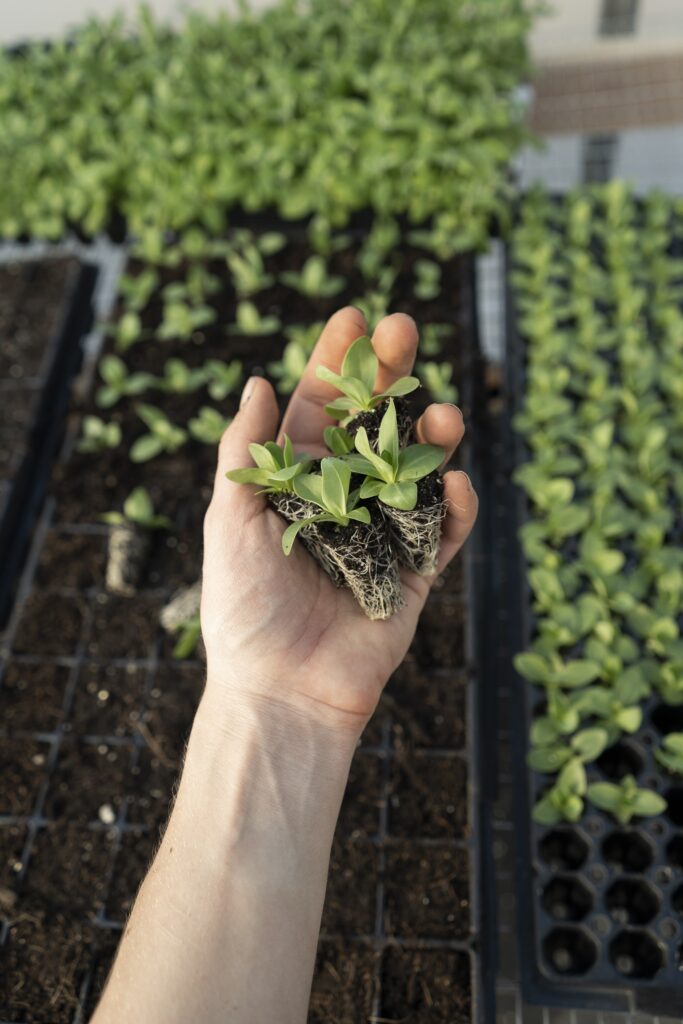
Before transplanting, ensure that the seedlings have developed a strong and healthy root system. A well-developed root system is essential for nutrient absorption and overall plant health. Look for well-established roots that have filled the germination medium or grown long enough to reach the water in the hydroponic system.
Transplanting Seedlings
Gently remove the seedlings from the germination medium, taking care not to damage the delicate roots. Wash away any excess germination medium from the roots by rinsing them with water. Avoid exposing the roots to direct sunlight or air for extended periods, as this can cause stress to the seedlings.
Proper Handling and Placement
Handle the seedlings by their leaves, not the stems, as the stems can be fragile. Gently place the seedlings into the hydroponic system, ensuring that the roots are fully submerged or in contact with the nutrient solution. Depending on the system, you may use net pots, grow cups, or other appropriate containers to hold the seedlings in place.
Avoiding Transplant Shock
Transplant shock can occur when seedlings experience stress during the transplanting process. To minimize transplant shock, ensure that the new environment closely matches the conditions in which the seedlings were growing. Maintain proper lighting, temperature, and humidity levels as the seedlings adjust to their new home. Gradually increase the hours of exposure to light to prevent sunburn on delicate leaves.
Taking the time to carefully transfer your seedlings to the hydroponic system will help them acclimate and continue growing successfully.
Maintaining the Hydroponic Garden
Proper maintenance is essential for the long-term success of your hydroponic garden. Regular monitoring and attention to environmental factors will help ensure healthy plant growth.
Monitoring Environmental Factors
Monitor the temperature, humidity, and carbon dioxide (CO2) levels in your hydroponic garden. Aim for a temperature range of 70-75°F (21-24°C) during the day and slightly cooler temperatures at night. Maintain humidity levels between 40-60% to prevent mold and diseases. CO2 supplementation can enhance plant growth, especially in enclosed indoor gardens.
Managing Light and Temperature
Ensure that your plants receive the appropriate amount and quality of light for their growth stage. Adjust the height and intensity of the grow lights as the plants grow taller to maintain the optimal distance. Pay attention to the light spectrum and provide a balance of warm and cool light. Monitor the temperature in the growing area and implement cooling measures, if needed, to prevent excessive heat stress on the plants.
Watering and Nutrient Delivery
Regularly check and maintain the nutrient solution in the reservoir, making sure it is at the right level, temperature, and nutrient concentration. Top up or replace the nutrient solution as necessary, keeping in mind the specific requirements of the plants. Monitor the pH level of the nutrient solution and adjust as needed. Ensure that the plants receive a steady supply of water and nutrients, but avoid overwatering, which can lead to root problems.
Preventing Pests and Diseases
Hydroponic gardens are not immune to pests and diseases. Regularly inspect your plants for signs of pests, such as aphids or spider mites. Introduce beneficial insects, such as ladybugs or predatory mites, to control pest populations. Take preventive measures, such as using sterilized equipment and maintaining a clean growing environment, to avoid diseases caused by pathogens. If necessary, treat any disease outbreaks promptly with appropriate organic or chemical methods.
By maintaining optimal environmental conditions, providing adequate light and nutrients, and being vigilant against pests and diseases, you can ensure a thriving hydroponic garden.
Harvesting and Maximizing Yield
The joy of hydroponic gardening culminates in the bountiful harvest of your homegrown vegetables. Consider the following tips for maximizing your yield:
Determining Harvest Time
Each vegetable has a different optimal harvest time. Pay attention to the maturity indicators provided by the seed supplier or use visual cues, such as color and size. Taste-testing can also help determine the best time to harvest certain vegetables, ensuring optimal sweetness and flavor.
Proper Harvesting Techniques
Use clean, sharp scissors or pruning shears to harvest your vegetables. Cut the vegetables close to the main stem or vine to avoid damaging other plant parts. Handle the harvested vegetables carefully to prevent bruising or damage. Store harvested vegetables properly to maintain freshness and quality.
Continual Production and Succession Planting
To enjoy a continuous harvest, practice succession planting. As you harvest mature plants, replace them with new seedlings to ensure a constant supply of fresh vegetables. Staggering the planting times will allow for a steady rotation of crops and maximize the use of your hydroponic system.
Improving Yield and Productivity
Various techniques can boost your yield and productivity. Consider techniques such as pruning or training your plants to increase airflow and light penetration. Implementing trellises or stakes to support vining plants can optimize space utilization and encourage higher yields. Additionally, ensuring optimal nutrient delivery, lighting, and environmental conditions will maximize the plants’ growth potential and productivity.
By carefully timing your harvest, using proper techniques, and optimizing your growing system, you can enjoy abundant and delicious harvests from your hydroponic garden.
Troubleshooting Common Hydroponic Gardening Issues
Even with proper care, hydroponic gardens can encounter challenges. Here are some common issues and how to troubleshoot them:
Nutrient Deficiencies
Nutrient deficiencies can manifest as yellowing leaves, stunted growth, or leaf discoloration. It is important to monitor and adjust the nutrient solution’s composition and concentration regularly. If you notice symptoms of a specific nutrient deficiency, such as yellowing leaves indicating nitrogen deficiency, adjust the nutrient solution accordingly or utilize a nutrient-specific supplement to address the deficiency.
pH Imbalance
Fluctuating pH levels can cause nutrient lockout, affecting the plants’ ability to absorb nutrients properly. Regularly test the pH level of the nutrient solution and adjust as needed. If the pH consistently drifts outside the optimal range, check for potential issues in your water source or growing medium that may be affecting the pH stability.
Algae Growth
Algae can thrive in hydroponic systems, especially if exposed to excessive light or nutrient-rich conditions. To control algae growth, minimize light exposure to the nutrient solution by covering the reservoir or using opaque containers. Properly clean and sanitize your system regularly, and consider using an algaecide or incorporating beneficial bacteria to outcompete the algae for nutrients.
Root Rot
Root rot is a common problem caused by overwatering or poor oxygenation in the root zone. Ensure that the roots have access to sufficient oxygen by using an appropriate air pump or diffuser. Adjust your watering schedule to prevent overwatering, and provide adequate drainage in your hydroponic system. If root rot is already present, consider using a hydrogen peroxide solution to treat the affected roots.
By promptly addressing and troubleshooting these common issues, you can maintain a healthy and thriving hydroponic garden.
Resources and Further Reading
To further explore the world of hydroponic gardening, consider checking out these resources:
Recommended Books and Magazines
- “Hydroponic Food Production: A Definitive Guidebook for the Advanced Home Gardener and the Commercial Hydroponic Grower” by Howard M. Resh
- “Vertical Vegetables & Fruit: Creative Gardening Techniques for Growing Up in Small Spaces” by Rhonda Massingham Hart
- “Hydroponics: Soilless Gardening Explained” by James B. Dekorne
- Magazines such as “Hydroponics Magazine” and “Hydroponics World” provide in-depth articles, tips, and advice from experienced hydroponic gardeners.
Online Communities and Forums
Join online communities and forums to connect with other hydroponic gardeners, ask questions, and share experiences. Websites such as Hydroponics Society, Hydroponics Online, and Reddit’s hydroponics subreddit are great platforms to interact with fellow gardeners and gain valuable insights.
Professional Hydroponics Associations
Look into professional hydroponics associations, such as the Hydroponic Society of America or the Hydroponic Greenhouse Growers Association. These associations often offer resources, educational events, and networking opportunities for hydroponic enthusiasts.
Local Hydroponic Stores
Visit your local hydroponic stores for a hands-on experience, browse a wide range of hydroponic equipment, and seek advice from knowledgeable staff. They can provide tailored guidance and recommendations based on your specific needs and goals.
By immersing yourself in hydroponic literature, engaging with online communities, and connecting with local experts, you can continue to expand your knowledge and expertise in hydroponic vegetable gardening.


