


Hydroponic gardening is a fascinating and innovative way to grow plants without soil, utilizing water and nutrient-rich solutions instead. While this method of gardening offers numerous benefits, it also comes with some unique safety risks that are important to be aware of. In this article, we will explore the potential safety concerns associated with hydroponic gardening, such as water contamination and the use of chemical solutions. By understanding these risks, you can ensure the safety of both yourself and your plants, ultimately creating a thriving hydroponic garden.
Understanding the Safety Risks of Hydroponic Gardening
Introduction
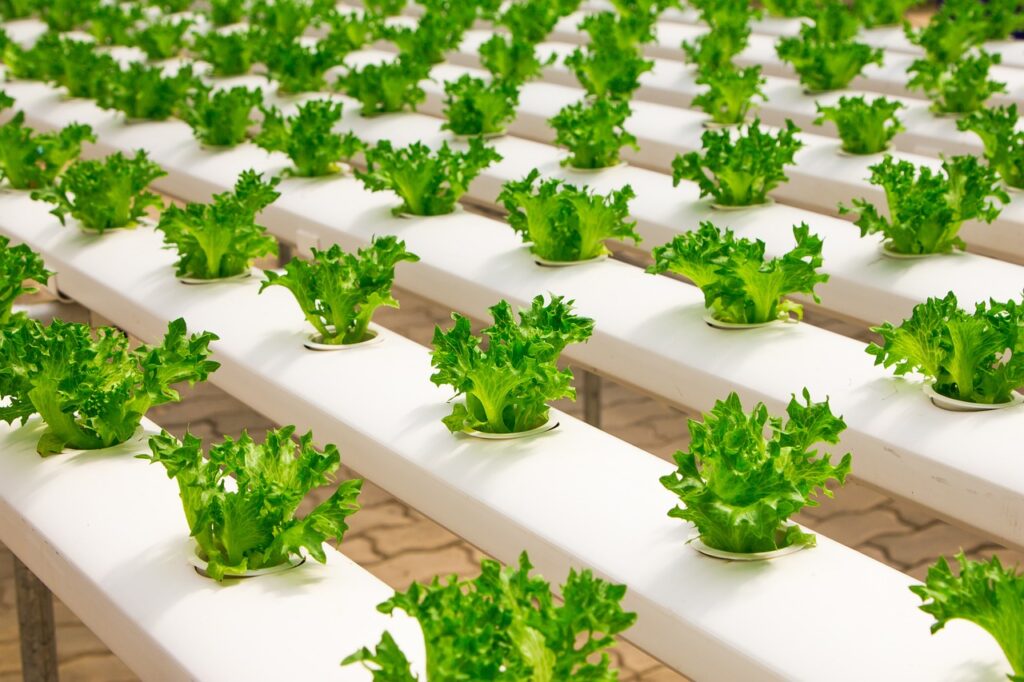
Hydroponic gardening is gaining popularity as a sustainable and efficient way to grow plants without the use of soil. By providing plants with the necessary nutrients through a water-based solution, hydroponics allows for year-round cultivation and higher crop yields. However, it is essential to understand and address the safety risks associated with this innovative gardening method. In this article, we will explore the various safety concerns of hydroponic gardening and provide you with practical tips on how to mitigate these risks. By taking the necessary precautions, you can ensure a safe and enjoyable hydroponic gardening experience.
1. Chemical Safety
When it comes to hydroponic gardening, the use of nutrient solutions is a fundamental aspect. While these solutions are essential for providing plants with the necessary nutrients, it is crucial to handle them with care to prevent any potential harm.
1.1 Use of Nutrient Solutions
Nutrient solutions typically consist of a mix of minerals, fertilizers, and additives that are dissolved in water. It is essential to follow the instructions provided by the manufacturer when preparing and mixing nutrient solutions. Overdosing or using improper ratios of nutrients can harm plant growth and pose a risk to human health. Always wear protective gloves and goggles when handling concentrated nutrient solutions to prevent any contact with your skin or eyes.
1.2 Handling of Pesticides
Pest control is an important aspect of hydroponic gardening. However, it is crucial to handle pesticides carefully to protect your plants and avoid any potential harm. Always read and follow the instructions provided by the pesticide manufacturer. Wear appropriate protective clothing, such as gloves and a mask, when applying pesticides. Additionally, ensure that pesticides are stored in a secure location away from children and pets.
1.3 Disposal of Chemicals
Proper disposal of chemicals used in hydroponic gardening is crucial to prevent environmental contamination and potential harm to human health. Follow local regulations regarding the disposal of nutrient solutions, pesticides, and other chemical products. Never dispose of these chemicals down the drain or in the garden. Instead, contact your local waste management facility for guidance on proper disposal methods.
2. Biological Safety
Hydroponic gardening systems provide an ideal environment for plants to thrive. However, they can also attract pests and be susceptible to diseases. Understanding how to manage and prevent these biological risks is essential for a successful hydroponic garden.
2.1 Pest and Disease Management
Implementing effective pest and disease management practices is crucial to maintain plant health in a hydroponic garden. Regularly inspect your plants for signs of pests or diseases, such as wilting leaves, discoloration, or presence of insects. Consider using natural pest control methods, such as beneficial insects or biological controls, before resorting to chemical pesticides. Proper sanitation, including cleaning and disinfecting equipment, can also prevent the spread of diseases.
2.2 Waterborne Diseases
Hydroponic systems rely on water as the primary medium for nutrient delivery. However, water can also become a breeding ground for harmful bacteria, fungi, and other waterborne pathogens. Regularly monitor and test the quality of your water source to ensure that it is free from contamination. Consider using water treatment methods, such as disinfection or filtration, to maintain a safe and healthy growing environment.
2.3 Contamination from Soil
One of the benefits of hydroponic gardening is the elimination of soil-borne pests and diseases. However, there is still a risk of contamination from soil. Ensure that your growing system is properly sealed to prevent any contact between the nutrient solution and soil. Additionally, keep your garden area clean and free from any soil or debris that can introduce harmful organisms to your hydroponic system.
3. Electrical Safety
Hydroponic gardening systems often require the use of electrical equipment, such as pumps, lights, and timers. Understanding how to handle electricity safely is important for minimizing the risk of accidents.
3.1 Water and Electricity
Water and electricity do not mix, so it is essential to take precautions to prevent any electrical hazards in your hydroponic garden. Ensure that all electrical components are properly installed and away from potential sources of water. Use waterproof or moisture-resistant outlets and covers to minimize the risk of electrical shock.
3.2 Proper Wiring and Grounding
Proper wiring and grounding are crucial for electrical safety in a hydroponic garden. Make sure all electrical connections are secure and insulated. Use high-quality extension cords and wiring that are suitable for outdoor or wet environments. Ground your electrical components and consider installing ground fault circuit interrupters (GFCIs) to protect against electrical faults and potential shocks.
3.3 Protecting Against Electrical Shocks
Accidents can happen, so it is important to be prepared and take precautions to protect yourself against electrical shocks. Avoid working with electrical equipment when your hands are wet, and always wear dry, non-conductive gloves when handling electrical components. If you must work with live electrical components, consider using insulated tools to minimize the risk of shock.
4. Structural Safety
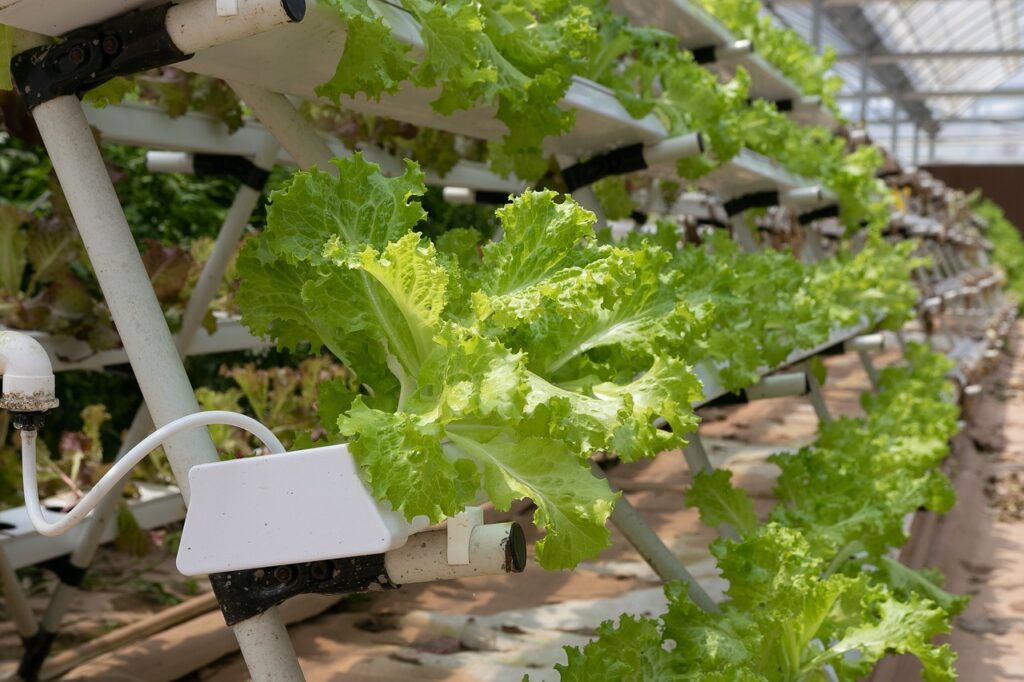
The structural integrity of your hydroponic gardening system is vital to ensure the safety of both your plants and yourself. Understanding the factors that contribute to the stability and weight load capacity of your system is essential.
4.1 Stability of Growing Systems
The stability of your hydroponic growing system is essential to prevent accidents, such as tipping or collapsing. Ensure that all components of your system, including trays, racks, and supports, are securely assembled and stable. Regularly inspect your system for any signs of weakness or damage, and promptly repair or replace any compromised parts.
4.2 Weight Load and Structural Integrity
Hydroponic gardening systems can become quite heavy, especially when filled with plants, water, and growing media. Ensure that your system is designed to handle the weight load placed upon it. Consider the weight capacity of each component and distribute the weight evenly throughout your system to prevent overloading or strain on any one part.
4.3 Ensuring Adequate Support
Proper support and anchoring of your hydroponic system are crucial to prevent it from tipping or falling over. Secure all parts of your system to prevent accidental movement or dislodging. Use appropriate fasteners, such as bolts or straps, to provide sufficient support and stability.
5. Personal Safety
Keeping yourself safe while tending to your hydroponic garden is essential for a pleasant and accident-free experience. Consider these tips to ensure your personal safety.
5.1 Proper Attire and Protective Equipment
Wearing appropriate attire and protective equipment can minimize the risk of injuries when working in a hydroponic garden. Wear closed-toe shoes, long sleeves, and pants to protect your skin from scratches or cuts. Use gloves to prevent contact with chemicals or rough surfaces, and wear safety goggles when working with tools or handling potentially hazardous substances.
5.2 Ergonomics and Avoiding Strain Injuries
Hydroponic gardening often involves repetitive tasks, such as transplanting or pruning plants. Pay attention to your posture and body mechanics to prevent strain or repetitive motion injuries. Take regular breaks, stretch, and use ergonomic tools or equipment to minimize the risk of discomfort or injury.
5.3 Safe Handling of Tools
Proper tool handling is crucial for personal safety in a hydroponic garden. Keep your tools clean, sharp, and in good working condition to prevent accidents or injuries. Use tools correctly, and store them in a safe and organized manner to avoid trips, falls, or accidental cuts.
6. Fire Safety
Although the risk of fire may seem unlikely in a hydroponic garden, it is important to be prepared and take precautions to prevent fires.
6.1 Proper Electrical and Lighting Installations
Ensure that all electrical components and lighting fixtures in your hydroponic garden are installed correctly and do not pose a fire hazard. Avoid overloading circuits or using damaged electrical cords or outlets. Regularly inspect your electrical system for any signs of wear or damage.
6.2 Storage of Flammable Materials
Hydroponic gardening often involves the use of fertilizers, pesticides, and other flammable materials. Store these substances in a safe and designated area, away from potential ignition sources. Use fireproof cabinets or containers to minimize the risk of accidental fires.
6.3 Fire Suppression Equipment
Being prepared for a fire is crucial in any gardening setting. Install fire extinguishers in easily accessible locations within your hydroponic garden. Familiarize yourself with the operation of these extinguishers and ensure they are regularly inspected and maintained.
7. Environmental Safety
Hydroponic gardening is touted for its sustainability and reduced environmental impact. However, it is important to maintain environmentally friendly practices to minimize any potential negative effects.
7.1 Water Conservation and Waste Management
Water conservation is a critical aspect of hydroponic gardening. Regularly monitor and optimize your water consumption by adjusting timers, irrigation systems, and recycling unused nutrient solutions. Properly manage and dispose of any waste generated during the gardening process to minimize pollution and soil contamination.
7.2 Carbon Footprint
Hydroponic gardening can contribute to reducing your carbon footprint compared to traditional gardening methods. However, it is important to continue striving for sustainability. Explore ways to minimize energy consumption, such as using energy-efficient lighting systems or renewable energy sources.
7.3 Non-Toxic and Sustainable Practices
Choose nutrient solutions, fertilizers, and pest control methods that are non-toxic and environmentally sustainable. Consider using organic or natural alternatives whenever possible to minimize the use of harmful chemicals. Implement recycling and composting practices, and prioritize the use of renewable and biodegradable materials within your hydroponic gardening system.
Conclusion
While hydroponic gardening offers numerous benefits, it is essential to be aware of the potential safety risks involved. By understanding and implementing proper safety measures, such as handling chemicals responsibly, practicing good biological and electrical safety, ensuring structural stability, prioritizing personal safety, being fire aware, and following environmentally friendly practices, you can enjoy a safe and successful hydroponic garden. Regular monitoring, maintenance, and education are key to mitigating potential risks and creating a safe environment for both yourself and your plants. Happy hydroponic gardening!


