


Are you curious about the inner workings of hydroponic gardening? Well, wonder no more! In this article, we will explore the mechanics behind this innovative method of gardening. By growing plants without soil, hydroponics offers a unique and efficient way to cultivate crops. We will delve into the various systems, techniques, and benefits of hydroponic gardening, providing you with a comprehensive understanding of this fascinating practice. So, get ready to immerse yourself in the world of hydroponics and discover a whole new way to nurture your green thumb.
What is Hydroponic Gardening?
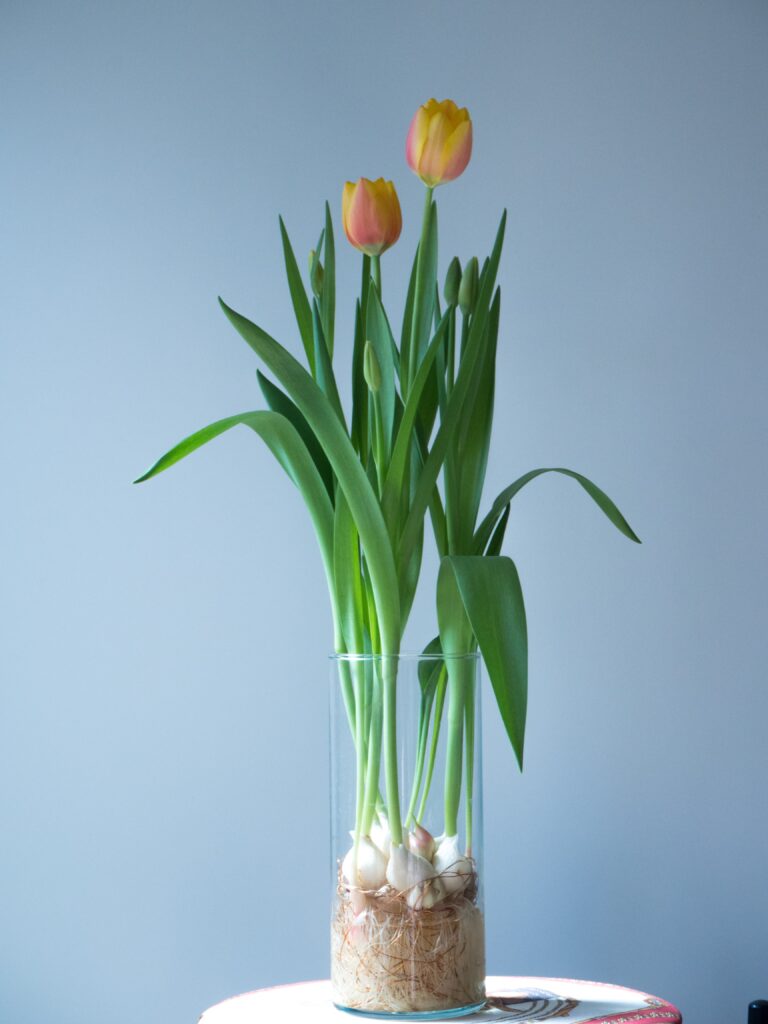
Hydroponic gardening is a method of growing plants without soil, where the roots are instead immersed in a nutrient-rich water solution. This innovative approach to gardening provides an artificial environment that allows plants to thrive, providing optimal conditions for growth and yields.
Definition of Hydroponic Gardening
Hydroponic gardening refers to the cultivation of plants in water-based nutrient solutions, without the use of traditional soil. Instead of relying on the natural nutrients found in soil, hydroponic systems deliver essential minerals and elements directly to the plant roots. This method of cultivation can be done indoors or outdoors, allowing gardeners to have greater control over the growing environment.
Brief History of Hydroponic Gardening
The concept of hydroponics can be traced back to the ancient Hanging Gardens of Babylon, where plants were grown using a rudimentary form of hydroponics. However, the modern hydroponics we know today began to take shape in the 19th century, with the research conducted by scientists such as Julius von Sachs and William Frederick Gericke. Gericke’s work on soilless gardening in the 1920s marked a significant milestone in the development of hydroponics, leading to its widespread adoption and commercialization in the following decades.
Advantages of Hydroponic Gardening
Hydroponic gardening offers several key advantages over traditional soil gardening, making it an increasingly popular choice among gardeners and commercial growers alike.
Increased Plant Growth Rate
One of the main advantages of hydroponic gardening is the accelerated plant growth rate. By delivering nutrients directly to the plant roots, hydroponic systems ensure that plants receive all the essential elements they need, promoting faster and healthier growth. This increased growth rate allows gardeners to harvest their crops sooner, providing a more efficient and productive gardening experience.
Water Conservation
Hydroponic gardening is known for its water efficiency. Unlike traditional gardening methods, hydroponic systems use up to 90% less water. By recirculating the nutrient solution and minimizing water loss through evaporation or runoff, hydroponic setups significantly reduce water waste. This makes hydroponics an environmentally friendly choice, especially in areas where water scarcity is a concern.
Elimination of Soil-Borne Diseases
Traditional soil gardening is often plagued by soil-borne diseases that can greatly impact plant health and yield. Hydroponic gardening eliminates this risk by eliminating soil altogether. Without soil, there is no medium for pathogens and diseases to thrive. This not only leads to healthier plants but also reduces the need for chemical pesticides and fungicides, making hydroponics a more sustainable and eco-friendly approach to gardening.
Basic Components of a Hydroponic System
To set up a successful hydroponic garden, several key components are required. Understanding these basic components is crucial for achieving optimal results in your hydroponic setup.
Growing Medium
Although hydroponic gardening does not rely on soil, a growing medium is still necessary to provide support for the plants’ root systems. Commonly used growing mediums include perlite, vermiculite, coconut coir, and rockwool. These mediums retain moisture and provide stability for the plants, ensuring they can access the nutrient-rich water solution.
Hydroponic Nutrients
Hydroponic nutrients are the essential elements and minerals that are dissolved in the water solution to provide plants with everything they need to grow and thrive. These nutrients include macronutrients such as nitrogen, phosphorus, and potassium, as well as micronutrients like iron, manganese, and zinc. It’s important to carefully balance and monitor the nutrient solution to ensure plants have an adequate supply of all the necessary nutrients.
Water Pumps
Water pumps are crucial in hydroponic systems as they circulate the nutrient solution and provide the plants with a continuous supply of oxygenated water. The pump moves the water through the system, ensuring that all plants receive an equal share of the nutrient solution and that the roots remain healthy and oxygenated.
Different Types of Hydroponic Systems
Hydroponic systems come in various designs, each with its own unique benefits and considerations. Understanding the different types of systems can help you choose the one that best suits your needs and gardening goals.
Drip System
The drip system is one of the most commonly used hydroponic systems. It involves the use of a pump to deliver a nutrient solution to each plant through small tubes or emitters. This system allows for precise control over the nutrient delivery and offers flexibility for different plant varieties and sizes.
Ebb and Flow System
The ebb and flow system, also known as the flood and drain system, involves periodically flooding a growing tray or container with the nutrient solution and then draining it away. This cycle allows the plants’ roots to absorb nutrients and oxygen from the solution while also preventing waterlogging.
Nutrient Film Technique (NFT)
The Nutrient Film Technique (NFT) system relies on a continuous flow of nutrient solution that is circulated in a shallow, sloping grow tray. The roots are exposed to a thin film of nutrient-rich water, allowing them to absorb the necessary nutrients while also maintaining moisture levels.
Wicking System
The wicking system is a simple, passive hydroponic method that uses a growing medium to wick up the nutrient solution to the plant roots. This system requires no pumps or electricity, making it an easy and low-maintenance option, particularly for small-scale gardening.
Deep Water Culture (DWC)
The Deep Water Culture system suspends the plant roots in a nutrient-rich solution. The roots have direct access to oxygenated water and nutrients, leading to rapid growth and high yields. This system is popular for growing large plants such as tomatoes or cucumbers.
The Role of pH and EC in Hydroponics
To maintain optimal plant health in a hydroponic system, it is crucial to monitor and adjust two key factors: pH levels and electrical conductivity (EC).
Determining pH Levels
pH levels refer to the acidity or alkalinity of the nutrient solution. Different plants have specific pH preferences, and maintaining the appropriate pH range is essential for nutrient uptake and plant growth. Most hydroponic systems aim for a pH range between 5.5 and 6.5, although this can vary depending on the plant species being cultivated.
Importance of EC (Electrical Conductivity)
Electrical conductivity (EC) measures the concentration of nutrients in the water solution. It determines the nutrient strength and helps ensure plants receive an appropriate amount of nutrients. Monitoring EC levels allows gardeners to adjust nutrient concentrations based on plant needs, preventing under or overfeeding.
Choosing the Right Plants for Hydroponics
While almost any plant can be grown hydroponically, certain types tend to thrive in this cultivation method.
Leafy Greens
Leafy greens, such as lettuce, spinach, and kale, are well-suited for hydroponic gardening. They have shallow root systems and grow quickly, making them ideal for systems with limited space.
Herbs
Herbs like basil, parsley, and cilantro are popular choices for hydroponic gardens. They typically have high market value and are known to thrive in controlled indoor environments.
Fruiting Crops
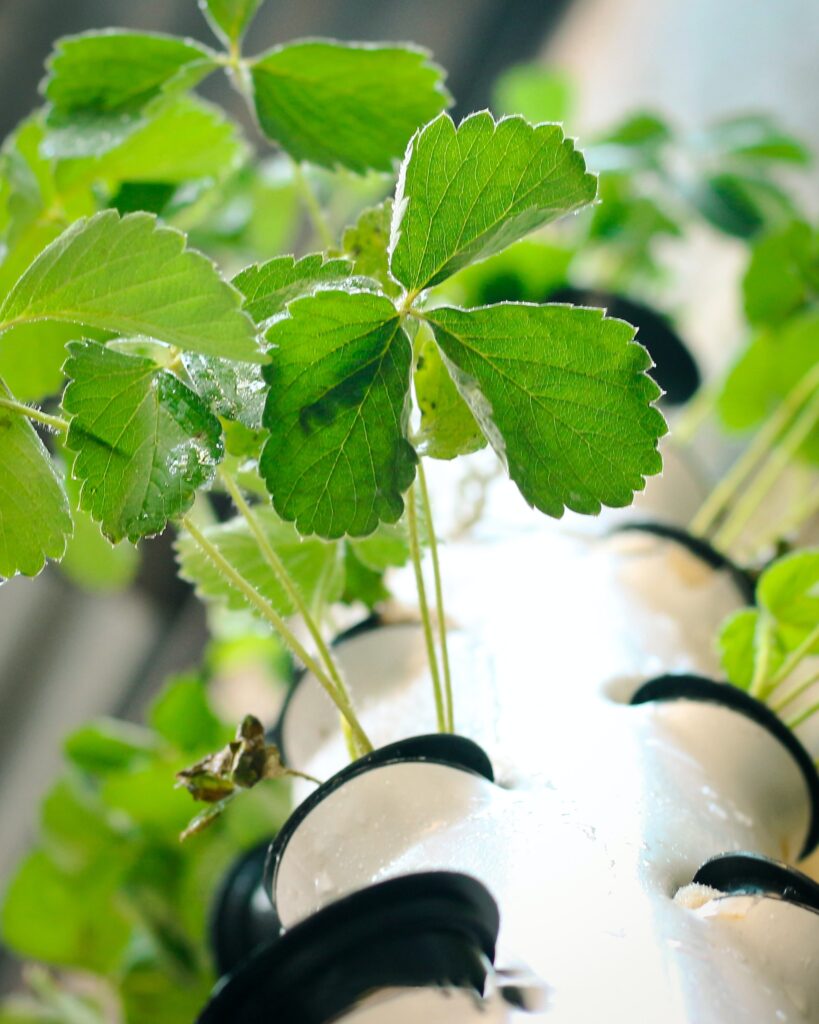
Crops like tomatoes, peppers, and strawberries can also be successfully grown hydroponically. These plants often require sturdy support systems and careful attention to nutrient solutions to ensure proper fruit development.
Flowering Plants
Hydroponics can also be used to grow beautiful flowering plants like roses, orchids, and gerbera daisies. With the right nutrient balance and environmental conditions, these plants can produce vibrant blooms and extend their blooming period.
Providing Adequate Light Source
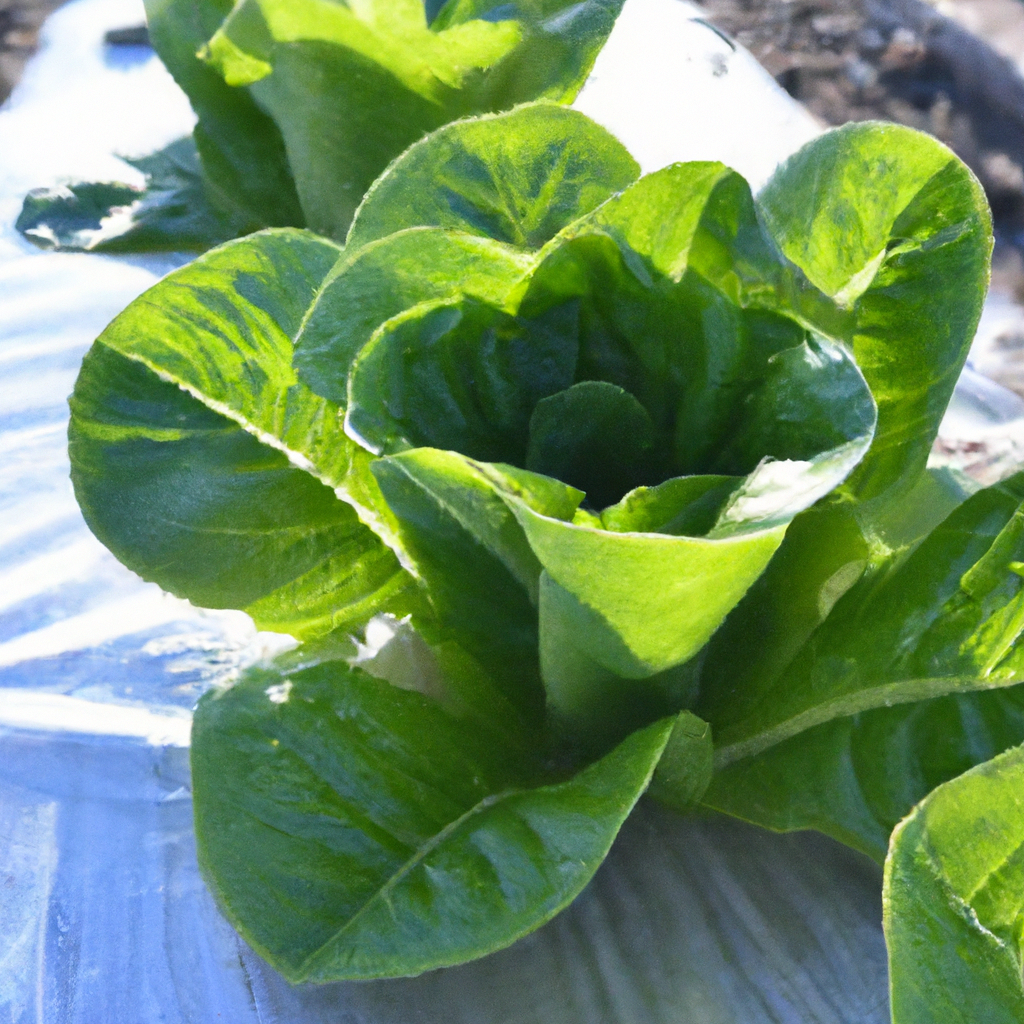
Light is a crucial factor in hydroponic systems, as it serves as the primary energy source for photosynthesis. Providing plants with the right amount and type of light is crucial to their growth and development.
Natural Sunlight vs. Artificial Light
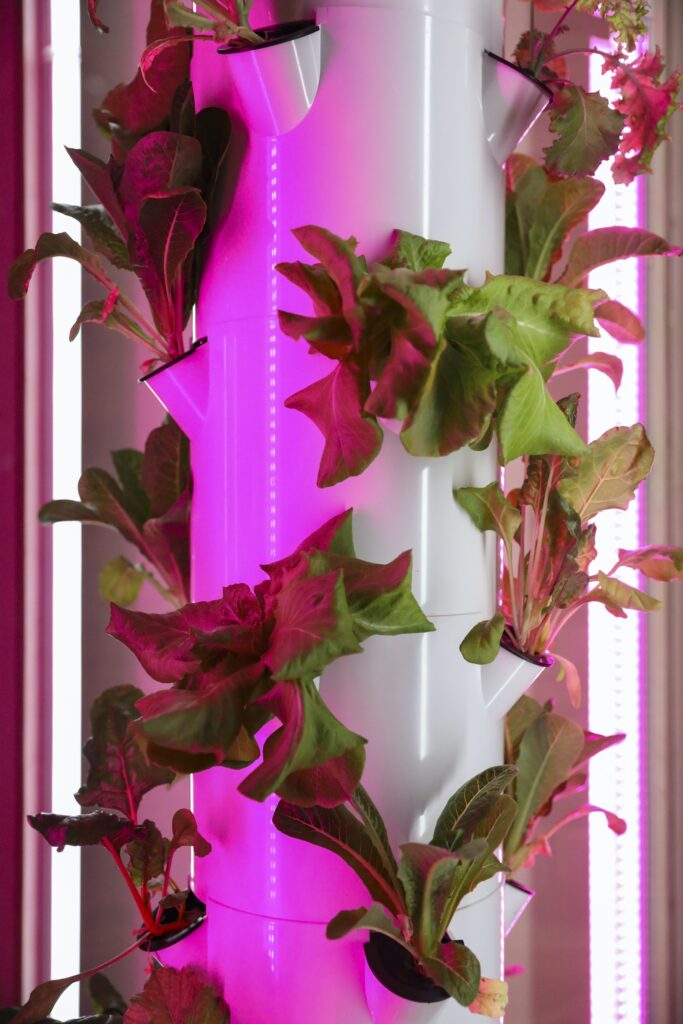
While natural sunlight is the ideal light source for plants, it is not always accessible or sufficient for indoor hydroponic gardens. In such cases, artificial grow lights, such as fluorescent, LED, or metal halide lights, can be used to provide the necessary light spectrum and intensity.
Different Types of Artificial Grow Lights
Different plant species require specific light spectrums for optimal growth. Fluorescent lights are ideal for leafy greens, while high-intensity discharge (HID) lights and LED lights are more suitable for flowering and fruiting plants. Understanding the lighting needs of your chosen plants will help you select the most appropriate grow lights for your hydroponic system.
Temperature and Humidity Control
Maintaining proper temperature and humidity levels is essential for creating an optimal growing environment in a hydroponic system.
Ideal Temperature Range
Most plants thrive in temperatures between 65°F and 75°F (18°C and 24°C). However, certain plants may have specific temperature requirements. It is important to monitor and adjust the temperature to prevent stress and promote healthy growth.
Managing Humidity Levels
Humidity levels should be carefully managed to prevent excess moisture buildup or overly dry conditions. Leafy greens thrive in higher humidity levels, while fruiting plants and herbs may require lower humidity to prevent the risk of fungal diseases. Ventilation, dehumidifiers, and humidifiers can be used to control humidity levels in a hydroponic environment.
Maintenance and Troubleshooting
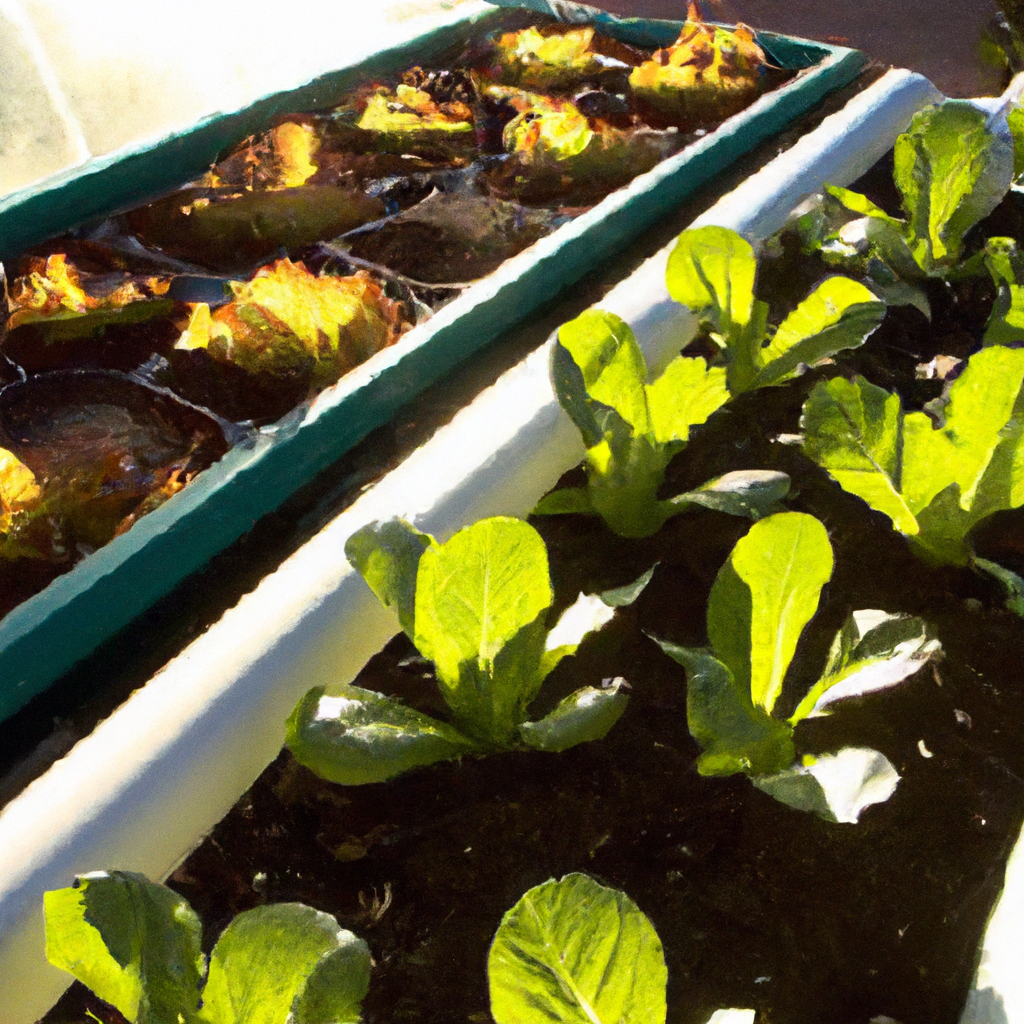
To ensure the long-term success of your hydroponic garden, regular maintenance and troubleshooting steps are necessary.
Water Quality Management
Monitoring water quality is crucial in hydroponic systems. Testing for pH, EC, and nutrient levels should be done regularly to ensure a proper balance. Additionally, maintaining the cleanliness of the water reservoir and replacing the nutrient solution when necessary helps prevent nutrient imbalances and the buildup of harmful substances.
Preventing Algae Growth
Algae growth in hydroponic systems can be problematic, as it competes with plants for nutrients and can clog irrigation systems. To prevent algae, light exposure to the nutrient solution should be minimized, and appropriate filtration methods, such as UV sterilization or the use of biocides, may be employed.
Pest and Disease Control
While hydroponic systems minimize the risk of soil-borne diseases, pests and diseases can still affect plants. Regular monitoring, proper sanitation, and integrated pest management (IPM) practices, such as biological controls and organic pesticides, can help prevent and manage potential pest and disease issues.
Scaling Up: Commercial Hydroponic Systems
Hydroponic gardening has gained significant traction in commercial agriculture due to its numerous benefits and potential profitability.
Large-Scale Hydroponic Farms
Farmers are increasingly turning to hydroponics for large-scale food production. Hydroponic farms allow for year-round cultivation, higher crop yields, and reduced water and land use. These farms can produce a wide range of crops efficiently, meeting the demands of local markets and reducing transportation costs and carbon footprints.
Profitability and Market Opportunities
The demand for locally grown, pesticide-free produce continues to grow, creating market opportunities for hydroponic farmers. By providing consistent and high-quality crops, hydroponic farmers can tap into niche markets, command premium prices, and establish themselves as suppliers of fresh, sustainable produce.
In conclusion, hydroponic gardening offers an innovative and efficient approach to plant cultivation. With its numerous advantages, such as increased plant growth rate, water conservation, and elimination of soil-borne diseases, hydroponics has become a popular choice for both home gardeners and commercial farmers. By understanding the basic components of a hydroponic system, the different types of hydroponic systems available, and the importance of factors like pH, EC, light, temperature, and humidity, you can successfully set up and maintain a thriving hydroponic garden. Whether you choose to grow leafy greens, herbs, fruiting crops, or flowering plants, hydroponics opens up a world of possibilities for sustainable and year-round gardening.


