


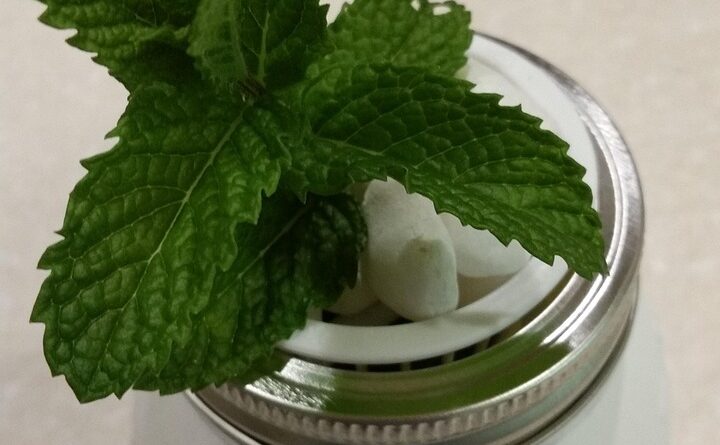
So, you’re interested in getting into hydroponic herb gardening, huh? Well, you’ve come to the right place. In this article, we’ll be sharing some valuable tips and tricks to help you kickstart your hydroponic herb garden with confidence, even if you’re a total beginner. Whether you have limited space or lack a green thumb, don’t worry! We’ve got your back. So grab a cup of coffee, sit back, and get ready to learn all about the wonders of hydroponic herb gardening – it’s about to change your plant-growing game forever.
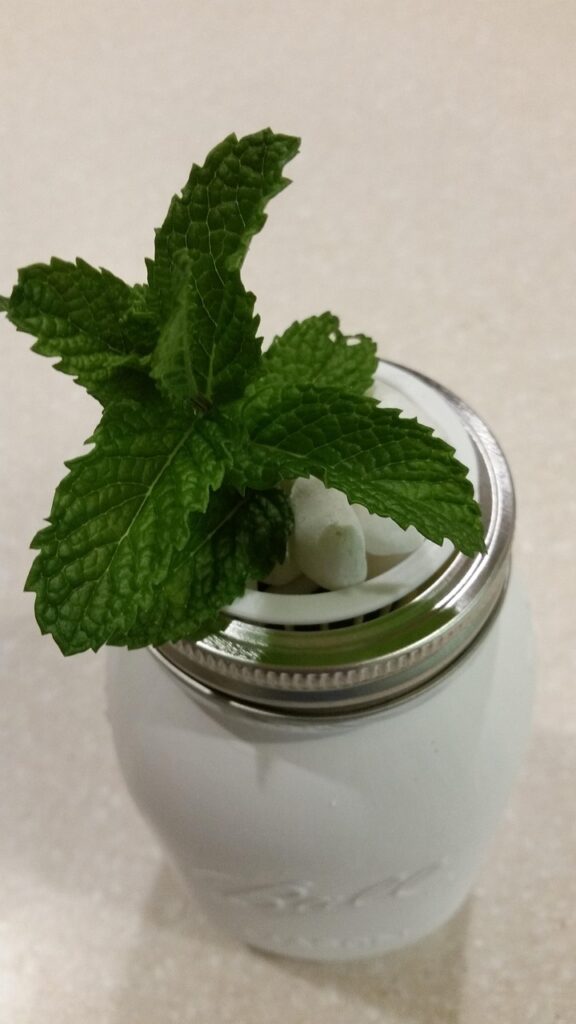
Choosing the Right Plants
When starting your hydroponic herb garden, it is important to consider your preferences and needs. Think about which herbs you enjoy cooking with or using for herbal remedies. Consider the space you have available and the amount of time you are willing to dedicate to tending to your plants. By choosing herbs that align with your personal preferences and lifestyle, you will be more motivated to care for and enjoy the results of your herb garden.
Once you have an idea of the herbs you would like to grow, take the time to research ideal herb varieties for hydroponic cultivation. Some herbs are better suited for hydroponics than others, as they thrive in water-based systems. Examples of herbs that do well in hydroponics include basil, cilantro, parsley, and mint. Look for varieties that have a compact growth habit and do not require extensive root systems.
For beginners, it is advisable to start with easy-to-grow herbs. These herbs are more forgiving and require less maintenance, making them perfect for those new to hydroponic gardening. Some beginner-friendly herbs include basil, chives, and mint. These herbs tend to have a high success rate in hydroponic systems and will give you a good foundation to build upon as you gain experience.
Setting Up Your Hydroponic System
Once you have decided on the herbs you want to grow, it’s time to set up your hydroponic system. The first step is to select a suitable system type. There are various options available, including deep water culture, nutrient film technique, and drip systems. Consider factors like the space available, the number of herbs you want to grow, and your budget.
Next, choose the appropriate growing medium for your hydroponic system. Options such as Rockwool, coconut coir, and perlite are commonly used in hydroponics. Each medium has its own benefits and considerations, so research which one would work best for your chosen herbs and system type.
Proper lighting and temperature are essential for the success of your hydroponic herb garden. Most herbs thrive in temperatures between 60-75°F (15-24°C). Ensure that your growing area provides adequate light, either natural or artificial. LED grow lights are popular for hydroponic gardening due to their energy efficiency and customizable spectrum. Consider investing in a thermometer and light meter to monitor and maintain the ideal conditions for your herbs’ growth.
Providing Nutrients to Your Herbs
Hydroponic systems rely on nutrient solutions to provide plants with the necessary elements for healthy growth. It is important to understand the essential nutrients that plants need, such as nitrogen, phosphorus, and potassium, as well as secondary nutrients and micronutrients. These nutrients can be purchased in premixed hydroponic nutrient solutions or formulated individually.
Using a balanced hydroponic nutrient solution is crucial for the well-being of your herbs. Follow the instructions provided by the manufacturer and adjust the nutrient solution strength based on the growth stage of your plants. Monitoring and adjusting nutrient levels is essential to prevent deficiencies or excesses that can hinder plant growth. Regularly test the nutrient solution using an electrical conductivity (EC) meter and adjust accordingly.
Maintaining pH Levels
pH is a measurement of the acidity or alkalinity of a solution and plays a vital role in hydroponic gardening. It is important to understand the importance of pH and its impact on nutrient availability to your plants. Most herbs prefer a slightly acidic pH range of 5.5-6.5. Deviations from this optimal range can lead to nutrient deficiencies or toxicities.
Regularly test and adjust the pH levels of your nutrient solution using a pH meter or test kit. pH can be adjusted using pH up or pH down solutions, which are readily available at hydroponic supply stores. It is crucial to maintain a stable pH level to ensure that your herbs can absorb nutrients effectively. Consider using a pH buffer solution to stabilize and maintain the pH within the desired range.
Monitoring Water Quality
The quality of the water used in your hydroponic system can significantly impact the health of your herbs. It is best to use clean, filtered water to avoid contaminants that could harm your plants. Tap water, although commonly used, can have high chlorine levels, which can be detrimental to the growth of your herbs. To remove chlorine, you can let tap water sit in an open container for 24 hours or use a water filter specifically designed for hydroponics.
Regularly monitor the water quality in your system to ensure optimal growth. Look out for signs of poor water quality, such as algae growth, foul odors, or discoloration. If any issues arise, take immediate action to rectify the problem. Water quality is essential for the overall health and productivity of your herb garden.
Managing Light Exposure
Light is a crucial factor in hydroponic herb gardening, as it provides energy for photosynthesis. Provide your herbs with sufficient light for proper growth and development. If growing indoors, place your hydroponic system near a south-facing window to maximize natural light exposure.
Alternatively, consider using artificial grow lights to supplement or replace natural light. LED grow lights are energy-efficient and can be adjusted to provide the optimal spectrum for your herbs. The duration of light exposure also plays a role in the growth of your herbs. Most herbs require 12-16 hours of light per day, so ensure that your lighting system follows this schedule.
Controlling Humidity and Ventilation
Maintaining proper humidity levels is crucial for the success of your hydroponic herb garden. Most herbs prefer humidity levels between 40-60%. Monitor the humidity in your growing area using a hygrometer and adjust accordingly. If the humidity is too low, consider using a humidifier or placing a tray of water near your herbs. On the other hand, if the humidity is too high, use a dehumidifier or improve ventilation to prevent mold and fungal growth.
Good air circulation is essential for healthy plant growth. Poor air circulation can lead to stagnant air, which increases the risk of pests and diseases. Use fans or ventilation systems to ensure proper air movement around your herbs. This will also help in maintaining a more consistent temperature throughout your growing area.
Preventing Pests and Diseases
Implementing preventive measures is essential to keep pests and diseases at bay in your hydroponic herb garden. Regularly inspect your plants for any signs of pests, such as aphids or spider mites. Introduce beneficial insects like ladybugs or lacewings to control pest populations naturally. If necessary, use organic pest control methods such as neem oil or insecticidal soap.
Diseases can also be a challenge in hydroponics. Maintaining cleanliness and proper sanitation practices in your system can help prevent the spread of diseases. Remove any infected plants promptly to prevent the disease from spreading to healthy herbs. If necessary, treat diseases with appropriate organic fungicides or bactericides, following the manufacturer’s instructions.
Harvesting and Pruning Herbs
Knowing the right time to harvest your herbs is crucial for optimum flavor and potency. Each herb has its own specific harvesting time, so it is important to research and understand the requirements of each herb. Generally, herbs can be harvested once they have reached a mature size, but before they start to flower. Harvesting in small increments encourages regrowth, allowing for continuous harvests throughout the growing season.
Pruning is a necessary practice to maintain the health and shape of your herbs. Use proper techniques when pruning, such as making clean cuts just above a leaf node. Pruning helps to stimulate growth and prevent overcrowding, which can lead to poor air circulation and increased risk of pests and diseases. Regularly pruning your herbs will ensure that they remain productive and healthy.
Troubleshooting Common Issues
Even with the best care, issues may arise in your hydroponic herb garden. It is important to be able to identify and address nutrient deficiencies, pH imbalances, pest infestations, and diseases promptly. Nutrient deficiencies can manifest as yellowing leaves or stunted growth. Adjusting the nutrient solution strength or adding specific nutrients can help address these deficiencies.
pH imbalances can occur due to changes in the nutrient solution or improper pH monitoring. Regularly test and adjust the pH levels to prevent nutrient lockout and ensure optimal nutrient availability to your plants. If pests or diseases appear, take immediate action to treat and control the issue using organic methods.
By troubleshooting and addressing issues as they arise, you can maintain a healthy, thriving hydroponic herb garden and enjoy the benefits of fresh, flavorful herbs year-round. Your journey into hydroponic herb gardening may have its challenges, but with practice and experience, you will develop the skills and knowledge needed to grow a successful herb garden.


