


Are you ready to take your gardening skills to the next level? Look no further than “The Ultimate Guide to Hydroponic Gardening.” In this comprehensive article, we will explore the fascinating world of hydroponic gardening and all its benefits. From growing plants without soil to optimizing space with hydroponic gardening towers, you’ll discover practical tips, techniques, and expert insights that will help you become a pro in no time. Get ready to transform your green thumb and cultivate a thriving garden like never before. Let’s dive into the world of hydroponic gardening!
What is Hydroponic Gardening
Hydroponic gardening is a method of growing plants without using soil. Instead, plants are grown in nutrient-rich water solutions or mediums that provide the necessary nutrients to support plant growth. This technique allows for precise control over the growing conditions, maximizing plant growth and minimizing resource usage.
Definition
Hydroponic gardening, also known as soilless gardening, is a technique where plants are grown in a nutrient-rich water solution or a grow medium, such as perlite or rockwool, rather than traditional soil. This method provides plants with all the necessary nutrients they need, eliminating the reliance on soil for nutrition.
History of Hydroponic Gardening
The concept of hydroponic gardening can be traced back to ancient civilizations such as the Hanging Gardens of Babylon and the floating gardens of the Aztecs. However, the modern development of hydroponics began in the late 19th century when scientists discovered that plants could grow well without soil when provided with a nutrient solution.
In the 20th century, hydroponics gained popularity through research conducted by NASA to develop more efficient ways to grow food in space. Since then, hydroponic gardening has continued to evolve and become more accessible to home gardeners.
Benefits of Hydroponic Gardening
Hydroponic gardening offers numerous benefits compared to traditional soil-based gardening. Firstly, it allows for year-round cultivation, regardless of outdoor weather conditions. This makes hydroponics an ideal option for urban areas or regions with limited arable land.
Another advantage is increased plant growth rates. By providing the perfect balance of nutrients directly to the roots, hydroponics promotes accelerated growth, resulting in larger and healthier plants.
Water efficiency is also a notable benefit. Hydroponic systems use up to 90% less water compared to traditional soil-based methods, as the water is recirculated within the system. This is particularly advantageous in regions where water scarcity is an issue.
Moreover, hydroponic gardening eliminates the need for harmful pesticides and herbicides. The controlled environment reduces the incidence of pests and diseases, reducing the need for chemical intervention.
Setting Up a Hydroponic Garden
To set up a successful hydroponic garden, one must consider various factors, including location selection and the type of hydroponic system that best suits their needs.
Location Selection
When choosing a location for your hydroponic garden, it is important to consider access to natural light or the availability of supplemental lighting. Most plants require a minimum of six hours of direct sunlight, so a south-facing window or a greenhouse with adequate lighting would be ideal.
Additionally, proximity to a water source and a stable electrical supply should be taken into consideration. Hydroponic systems require a constant supply of water and electricity to function effectively.
Types of Hydroponic Systems
There are several types of hydroponic systems to choose from, each with its own advantages and requirements. Some popular systems include:
- Deep Water Culture (DWC): Plants are suspended in a nutrient solution with their roots submerged in oxygenated water.
- Nutrient Film Technique (NFT): A thin film of nutrient-rich water flows along a sloped surface, allowing plant roots to absorb the nutrients.
- Drip Irrigation System: Nutrient solutions are periodically dripped onto the roots from above.
- Aeroponics: Plants are suspended in a chamber, and their roots are misted with nutrient solutions.
- Wick System: Nutrient solutions are passively drawn up into a grow medium via a wick.
- Ebb and Flow (Flood and Drain) System: The nutrient solution periodically floods the growing tray and then drains away.
Choosing the Right Hydroponic System for Your Needs
The choice of a hydroponic system depends on various factors, including available space, budget, and the type of plants you wish to grow. Each system has its own set of requirements, and it is essential to choose one that aligns with your specific needs and resources. Researching and consulting with experienced hydroponic gardeners can help you make an informed decision.
Essential Components of a Hydroponic Garden
To ensure optimal plant growth and health in a hydroponic garden, several components are crucial. These include suitable grow mediums, nutrient solutions, lighting, air circulation, pH and EC monitoring, as well as temperature and humidity control.
Grow Mediums
Instead of soil, hydroponic plants are typically grown in grow mediums that provide physical support and hold moisture. Commonly used mediums include perlite, vermiculite, coco coir, and rockwool. The choice of grow medium depends on the specific requirements of the plants being grown.
Nutrient Solutions
Nutrient solutions are the lifeblood of hydroponic gardens. These solutions contain a carefully balanced blend of essential nutrients required for plant growth, including macronutrients (nitrogen, phosphorus, potassium) and micronutrients (iron, zinc, and copper). It is crucial to regularly monitor and adjust the nutrient solution according to the specific needs of your plants.
Lighting
Good lighting is crucial for the photosynthesis process in plants. While natural sunlight is the best option, artificial grow lights can be used as a supplement or the sole source of light in indoor hydroponic systems. LED grow lights are popular due to their energy efficiency and specific light spectrum capabilities.
Air Circulation and Ventilation
Proper air circulation is essential in a hydroponic garden to prevent the buildup of stagnant air, control temperature, and provide a constant supply of carbon dioxide for photosynthesis. Fans or ventilation systems can be employed to maintain adequate airflow and avoid issues such as mold and poor pollination.
pH and EC Monitoring
pH and EC levels must be carefully monitored in a hydroponic system. The pH level indicates the acidity or alkalinity of the nutrient solution, and it must be within the optimal range for nutrient absorption. EC (Electrical Conductivity) measures the concentration of dissolved salts in the solution, indicating the nutrient strength. Regular testing and adjustment of pH and EC levels ensure that plants receive the correct balance of nutrients.
Temperature and Humidity Control
Maintaining the right temperature and humidity levels is crucial for optimal plant growth. Different plants have specific temperature and humidity requirements, and the hydroponic system’s environment should be adjusted accordingly. By using heaters, air conditioners, and humidifiers, you can create an optimal environment for your plants to thrive.
Choosing Plants for Hydroponic Gardening
Hydroponic gardening offers a wide range of plant options, from herbs and leafy greens to fruit and flowering plants, and even root vegetables. The key is to select plants that are well-suited for the specific hydroponic system and meet your personal preferences.
Suitable Plants for Hydroponic Gardening
The majority of plants can be grown hydroponically, but some are particularly well-suited for this method. Lettuce, herbs like basil and mint, spinach, and kale are all popular choices for hydroponic gardens. Additionally, tomatoes, cucumbers, peppers, and strawberries thrive in hydroponic systems. Research the specific requirements of each plant and choose varieties that are known to perform well in hydroponics.
Herbs and Leafy Greens
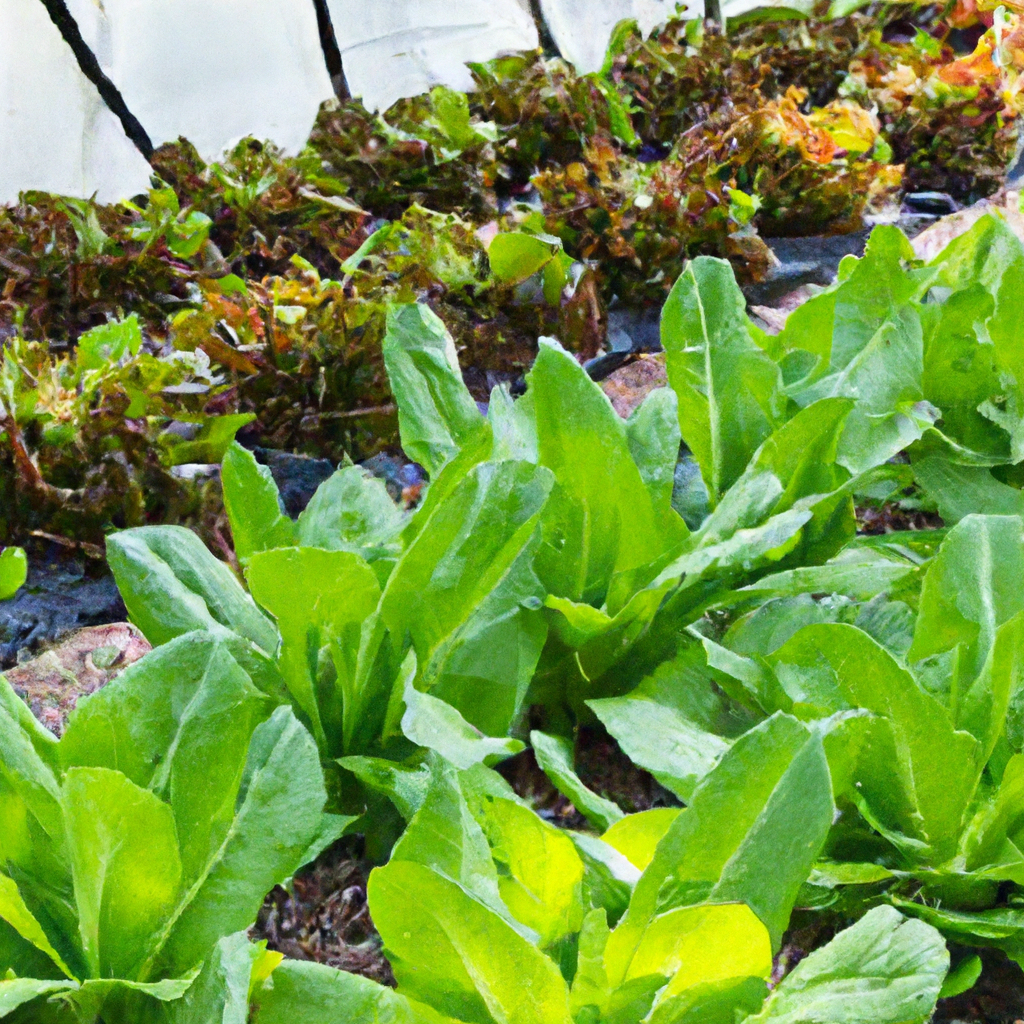
Herbs and leafy greens are excellent options for hydroponic gardening due to their shallow root systems and quick growth rates. These plants can be harvested multiple times throughout the growing season, providing a steady supply of fresh herbs and salad greens.
Fruit and Flowering Plants
Fruit-bearing plants such as tomatoes and peppers can successfully grow in hydroponic systems, producing high-quality fruits with optimal flavor. Flowering plants like orchids and roses also thrive in hydroponics, with the added benefit of better control over pest infestations.
Root Vegetables
While challenging, some root vegetables can be grown hydroponically. Carrots, radishes, and beets have been successfully cultivated in certain hydroponic systems, although they require specialized attention to ensure proper root development.
Factors to Consider when Selecting Plants
Several factors should be considered when choosing plants for your hydroponic garden. Consider the space available, the time and effort required for each plant’s care, and your personal preferences. It is also important to select plants that have similar nutrient requirements to simplify maintenance and nutrient management.
Growing Techniques in Hydroponics
Various growing techniques are employed in hydroponic gardening to optimize plant growth and nutrient uptake. Different techniques can be used in different stages of plant growth or for specific types of plants.
Nutrient Film Technique (NFT)
The Nutrient Film Technique is a popular hydroponic growing method where a thin film of nutrient-rich water continuously flows over the roots. The plant roots absorb the required nutrients while remaining partially exposed to oxygen.
Deep Water Culture (DWC)
Deep Water Culture is a simple and effective hydroponic technique where plant roots are suspended in a nutrient solution with an oxygen source continuously introduced. The roots receive direct access to nutrients and oxygen, promoting rapid growth.
Drip Irrigation System
Drip irrigation is a commonly used technique in hydroponics. Nutrient solutions are slowly dripped onto the plant’s root zone, ensuring a steady supply of nutrients. This method is suitable for a wide range of plants and allows for precise control over nutrient delivery.
Aeroponics
Aeroponics is a high-tech hydroponic technique where plant roots are suspended in a mist or fog of nutrient-rich water. This method provides the maximum amount of oxygen and nutrient uptake, resulting in rapid plant growth and increased yields.
Wick System
The Wick System is a passive hydroponic technique where the nutrient solution is drawn up into the grow medium via a wick. This system is straightforward and easy to set up, making it an ideal choice for beginners or smaller scale hydroponic gardens.
Ebb and Flow (Flood and Drain) System
The Ebb and Flow system is a popular hydroponic technique where the plants’ roots are periodically flooded with the nutrient solution, which then drains away. This cyclic flooding and draining provide oxygen to the roots while ensuring efficient nutrient uptake.
Maintaining a Hydroponic Garden
Proper maintenance is essential for the long-term success of a hydroponic garden. Regular monitoring of nutrient levels, pH and EC levels, disease prevention, pest management, and overall system cleanliness are crucial aspects of maintaining a healthy hydroponic garden.
Monitoring Nutrient Levels
Regular monitoring of nutrient levels is critical to ensure that plants receive an optimal balance of nutrients for their growth stage. Nutrient deficiencies or excesses can be detrimental to plant health and yield. Conducting regular water tests and adjusting the nutrient solution accordingly will help maintain a healthy nutrient balance.
Checking pH and EC Levels
Maintaining the correct pH level is vital for nutrient absorption in hydroponic systems. pH levels should be checked regularly and adjusted using pH-up or pH-down solutions to keep them within the optimal range for the plants being grown. Similarly, EC levels should be monitored to ensure the right nutrient strength for each stage of plant growth.
Preventing and Treating Plant Diseases
Disease prevention is crucial in hydroponic gardening to avoid the spread of pathogens and protect plant health. Employing proper sanitation practices, such as sterilizing equipment and maintaining a clean growing environment, can significantly reduce the risk of plant diseases. Additionally, using disease-resistant plant varieties and prompt treatment of any signs of disease can help keep your hydroponic garden healthy.
Managing Pests
While hydroponic systems are less susceptible to pests compared to traditional gardens, it is still important to remain vigilant. Common hydroponic pests include aphids, whiteflies, and spider mites. Utilizing biological controls like beneficial insects and maintaining a clean growing environment can help prevent and manage pest infestations effectively.
Maintaining Lighting and Ventilation
Proper lighting and ventilation are crucial for healthy plant growth. Regularly check the condition of the grow lights, ensuring they are clean and functioning optimally. Additionally, clean and maintain any ventilation systems to promote good airflow throughout the garden and prevent the buildup of stale air and excess humidity.
Regular Cleaning and Sanitization
Regular cleaning and sanitization of the hydroponic system components are essential to prevent the growth of algae and harmful bacteria. Disassemble and clean the system periodically, ensuring that all surfaces, pipes, and containers are thoroughly washed and disinfected. This practice helps maintain a healthy growing environment by reducing the risk of contamination.
Harvesting and Storage
Proper harvesting techniques and post-harvest handling are crucial to maintain the quality and freshness of hydroponically grown produce.
Harvesting Techniques
Harvesting techniques vary depending on the type of plant being grown. Leafy greens can be harvested by picking individual leaves, while fruit-bearing plants like tomatoes and peppers are generally harvested when ripe and easily detachable from the plant. Follow specific guidelines for each plant to ensure the best quality and longevity of the harvested produce.
Post-Harvest Handling
After harvest, it is essential to handle the produce carefully to maintain its quality. Clean the vegetables or fruits gently, removing any debris or damaged parts. Properly store the harvested produce in clean containers or bags, considering the specific storage requirements of each plant. Some produce may be stored at room temperature, while others require refrigeration to extend their shelf life.
Storing and Preserving Hydroponic Produce
To prolong the shelf life of hydroponically grown produce, it is important to store them under optimal conditions. Proper temperature and humidity levels, as well as protection from light, are key factors. Additionally, utilizing techniques such as canning, freezing, or drying can help preserve the harvest for future use.
Common Challenges in Hydroponic Gardening
While hydroponic gardening offers numerous benefits, it is not without its challenges. Being aware of and addressing these challenges is crucial for a successful hydroponic garden.
Root Rot
Root rot is a common issue in hydroponic systems caused by excess moisture and lack of oxygen around the roots. To prevent root rot, ensure proper oxygenation of the nutrient solution, use well-draining grow mediums, and maintain a clean and sterile system free from organic debris.
Nutrient Imbalances
Maintaining the correct balance of nutrients in the hydroponic system is crucial. Overfeeding or underfeeding plants can lead to nutrient deficiencies or toxicities, affecting plant growth and yield. Regular monitoring and adjustment of nutrient levels are necessary to prevent nutrient imbalances.
Algae Growth
Algae growth is a common problem in hydroponic systems, as the nutrient-rich environment can promote its growth. Algae can clog pipes, obstruct light, and compete with plants for nutrients. Prevent algae growth by keeping the system clean, minimizing exposure to light, and employing light-blocking covers or paint within the system.
Temperature Fluctuations
Maintaining optimal temperature levels is vital for plant growth in hydroponics. Extreme temperature fluctuations can stress plants and inhibit proper growth. Proper temperature control through insulation, ventilation, and heating/cooling systems is essential to ensure a stable growing environment.
Pest Infestations
While hydroponic systems are generally less prone to pests, occasional infestations can still occur. Aphids, spider mites, and whiteflies are common pests in hydroponics. Regular monitoring, early detection, and appropriate pest management techniques such as biological controls or organic pesticides can help prevent and manage infestations effectively.
Tips for Successful Hydroponic Gardening
To ensure successful hydroponic gardening, consider the following tips:
Start Small and Expand
Begin with a small-scale hydroponic garden to gain experience and knowledge before expanding. Starting small allows you to understand the nuances of the system and make adjustments without overwhelming yourself.
Choose the Right Size and Type of Hydroponic System
Consider the available space, resources, and your gardening goals when selecting the size and type of hydroponic system. Start with a system that suits your needs and capabilities, ensuring it aligns with the crops you intend to grow.
Maintain a Proper Nutrient Balance
Regularly monitor and adjust nutrient levels to maintain the proper balance for the specific crop being grown. Nutrient deficiencies or imbalances can significantly impact plant health and productivity.
Regularly Monitor and Adjust pH and EC Levels
Monitor the pH and EC levels of the nutrient solution regularly to ensure they are within the optimal range for your plants. Adjust as needed to provide the best growing conditions.
Ensure Sufficient Lighting and Ventilation
Lighting and ventilation are crucial for healthy plant growth. Ensure plants receive adequate light, either through natural sunlight or artificial grow lights. Additionally, maintain proper airflow to prevent stagnant air and control temperature and humidity levels.
Implement Proper Sanitation Practices
Regularly clean and sanitize all components of the hydroponic system to prevent the growth of algae, bacteria, and fungi. Maintaining a clean and sterile environment helps prevent disease and ensures optimal plant health.
Experiment and Learn from Mistakes
Hydroponics allows for innovation and experimentation. Don’t be afraid to try new techniques or plant varieties. Learning from failures and adapting your approach is key to long-term success.
Join Hydroponic Gardening Communities
Engage with fellow hydroponic gardeners in communities or online forums. Sharing experiences, exchanging tips and advice, and learning from others’ successes and challenges can enhance your own knowledge and skills.
Future of Hydroponic Gardening
Hydroponic gardening is poised to play a significant role in the future of agriculture. Advancements in technology, automation, and increased focus on sustainability are driving the growth of hydroponics.
Advancements in Hydroponic Technology
Technological advancements are continuously improving the efficiency and effectiveness of hydroponic systems. Developments in lighting, sensors, remote monitoring, and automation are making hydroponic gardening more accessible and user-friendly.
Integration of Automation and AI
The integration of automation and artificial intelligence (AI) is revolutionizing hydroponic gardening. Smart systems can regulate environmental conditions, nutrient delivery, and pest management, optimizing plant growth and reducing the need for manual intervention.
Environmental Benefits and Sustainability
Hydroponic gardening offers numerous environmental benefits. Reduced water usage, minimal pesticide use, and the ability to grow in urban environments contribute to sustainability and conservation efforts. Additionally, the controlled environment of hydroponics reduces the need for land clearing and protects natural habitats.
Hydroponics in Urban Agriculture
The space-saving nature of hydroponic systems makes them ideal for urban agriculture. Hydroponics allows fresh, nutritious produce to be grown in urban areas with limited space, providing a local food source, reducing food miles, and promoting self-sufficiency in cities.
Potential Challenges and Opportunities
With the increasing demand for food production, hydroponic gardening presents an opportunity to meet the challenges of feeding a growing global population. However, challenges such as energy usage, high start-up costs, and public acceptance need to be addressed for widespread adoption.
In conclusion, hydroponic gardening offers an efficient, sustainable, and adaptable method of growing plants without soil. By understanding the essential components, choosing the right plants and techniques, and maintaining proper care, you can create a successful hydroponic garden. Embrace the future of gardening and start exploring the exciting possibilities of hydroponics today.


