


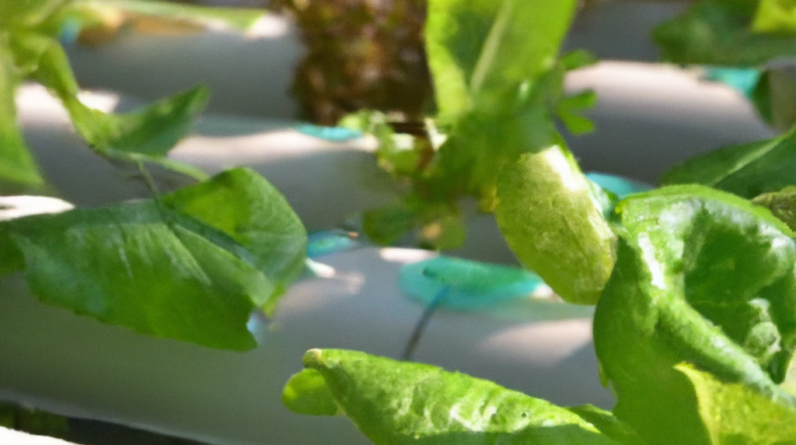
Have you ever considered starting your own garden but felt discouraged by the lack of space or the tediousness of traditional soil-based gardening? Well, look no further! In this article, we will explore the surprising benefits of hydroponic gardening, a method that allows you to grow plants without soil. Get ready to discover how hydroponic gardening not only saves space but also conserves water, maximizes plant growth, and provides you with a sustainable and efficient way to cultivate your favorite fruits, vegetables, and herbs. Get ready to revolutionize the way you think about gardening!
Benefits of Hydroponic Gardening
Hydroponic gardening offers numerous benefits that traditional soil-based gardening cannot replicate. From increased crop yield to reduced labor, hydroponics revolutionizes the way we grow plants. Whether you’re an avid gardener or just starting out, here are some reasons why hydroponic gardening should be on your radar.
Increased Crop Yield
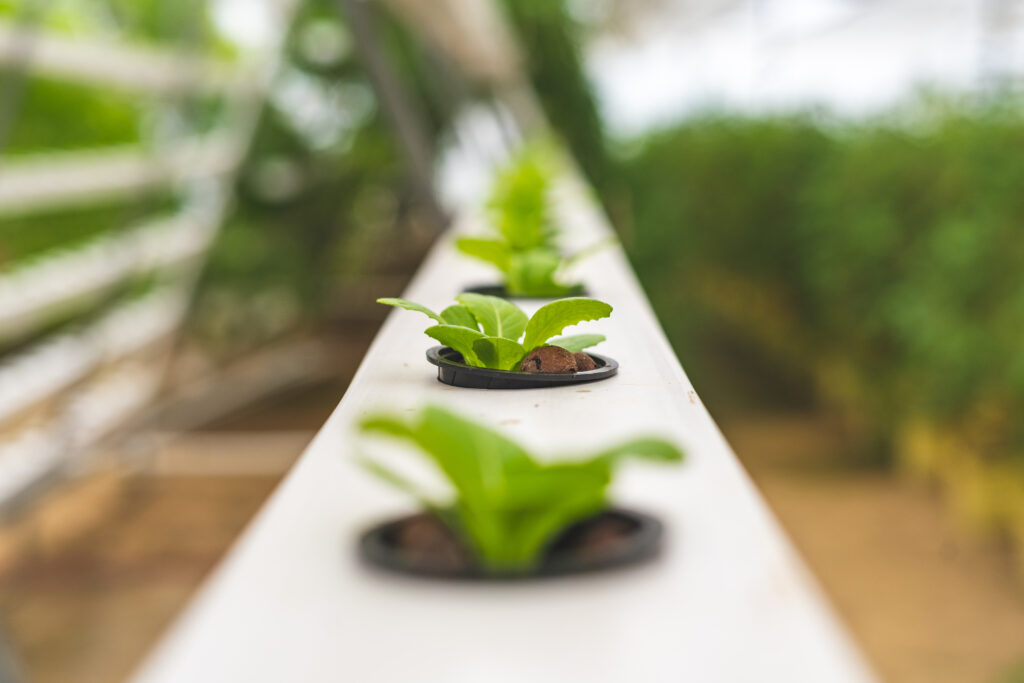
One of the most compelling advantages of hydroponic gardening is its ability to significantly increase crop yield. By delivering precise nutrients directly to the plants’ root systems, hydroponics eliminates the need for plants to search for nutrients in the soil. This targeted delivery system ensures that plants receive all the essential nutrients they need, resulting in healthy and abundant harvests.
In addition to nutrient delivery, hydroponic systems provide a controlled environment that promotes optimal growth conditions. From temperature and humidity to lighting and CO2 availability, every factor can be carefully calibrated to create the perfect setting for plant growth. This precision allows plants to grow at a faster rate, leading to higher crop yields.
Year-round Gardening
With hydroponic gardening, the concept of waiting for the perfect season becomes a thing of the past. Traditional soil-based gardening often relies on specific seasons for planting and harvesting, limiting your gardening potential to certain times of the year. However, hydroponics removes these limitations and allows you to garden year-round.
Thanks to the controlled environment in hydroponic systems, you can recreate the ideal growing conditions regardless of the time of year. By choosing to grow indoors, you no longer have to worry about frost, extreme temperatures, or other unfavorable weather conditions. This opens up a world of possibilities and enables you to grow your favorite plants no matter the season.
Water Conservation
In a time where water scarcity is a growing concern, hydroponic gardening proves to be an eco-friendly way to conserve water. Compared to traditional gardening methods, hydroponics significantly reduces water usage. This is achieved through two main factors: reduced evaporation and the implementation of recirculation systems.
In soil-based gardening, water is often lost through evaporation or runoff. However, hydroponics eliminates these concerns by delivering water directly to the plants’ roots without any wastage. Additionally, recirculation systems allow water to be reused within the hydroponic system, further minimizing water consumption.
To ensure efficient water usage, many hydroponic gardens also utilize drip irrigation systems. These systems deliver water directly to the root zone of the plants, ensuring that they receive the necessary hydration without any excess runoff or wastage.
No Soil Required
In hydroponic gardening, soil is no longer a necessary component for plant growth. Instead, plants are grown in a nutrient-rich water-based solution or in inert mediums such as perlite or coconut coir. This elimination of soil brings numerous benefits to the table.
First and foremost, without soil, the risk of soil-borne diseases is virtually eliminated. Many plant diseases and pests reside in the soil and can infect plants through their roots. By growing plants hydroponically, you remove this risk, creating a healthier and more disease-resistant garden.
Additionally, by removing soil, plants have increased access to oxygen. In traditional soil-based gardening, the roots often struggle to access adequate oxygen due to the compactness of the soil. In hydroponics, the roots are submerged in oxygen-rich water or exposed to air, allowing them to thrive and absorb nutrients more efficiently.
Furthermore, maintaining and caring for plants in a hydroponic system is much easier compared to traditional gardening. Without the need to weed, hydroponic gardeners can save valuable time and energy. The absence of weeds also means that plants have unhindered access to resources, allowing them to grow to their fullest potential.
No Weeding
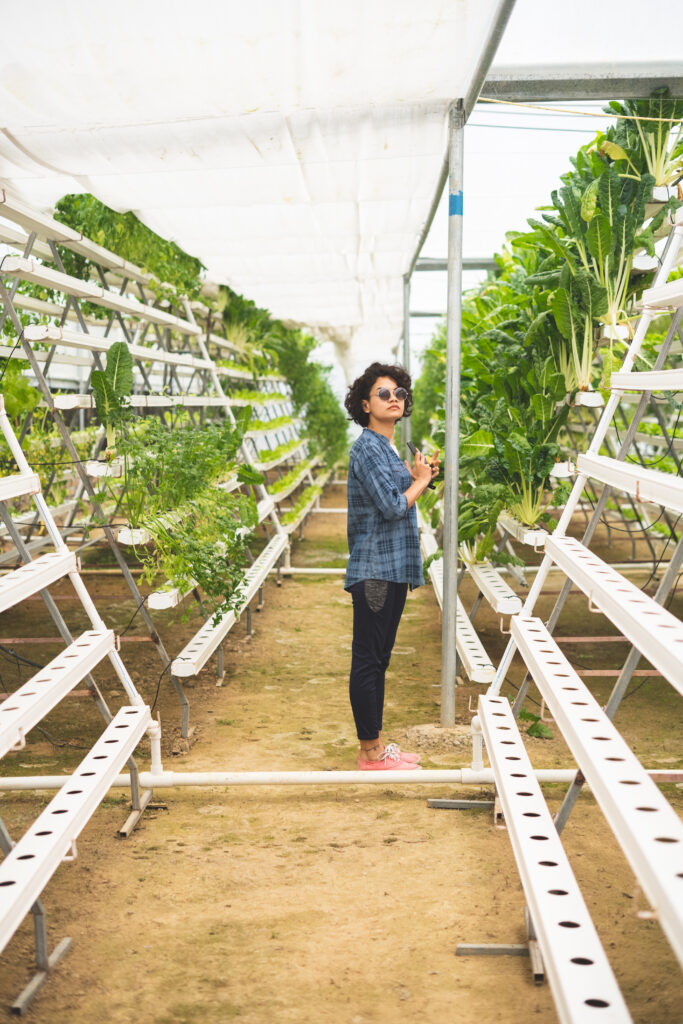
Weeds can be a perpetual nuisance in traditional soil-based gardening. They compete with your desired plants for resources such as sunlight, water, and nutrients, often leading to stunted growth and lower crop yields.
However, with hydroponic gardening, weeding becomes a thing of the past. Without soil to serve as a breeding ground for weeds, your plants can thrive without any competition. This not only saves you time and effort but also ensures that your plants receive all the resources they need for optimal growth.
Pest and Disease Control
One of the biggest challenges in gardening is dealing with pests and diseases. In traditional gardening, pests and disease-causing agents often lurk in the soil, making it difficult to identify and treat them effectively. However, hydroponic gardening provides a controlled environment that reduces the risk of infestation and makes pest management more manageable.
By growing plants hydroponically, you can isolate them from underground pests that commonly reside in the soil. This separation creates a barrier that prevents pests from accessing your plants and reduces the chances of infestation.
Moreover, the controlled environment in hydroponics allows for better disease prevention and treatment. With precise control over temperature, humidity, and lighting, you can create conditions that discourage the growth and spread of diseases. This proactive approach minimizes the likelihood of encountering devastating plant diseases and ensures the health and productivity of your hydroponic garden.
In the event that pests do make their way into your hydroponic system, they can be easily identified and treated. Without the interference of soil, it becomes easier to spot pests and take appropriate measures to eliminate them. Integrated pest management techniques can be employed to reduce or eliminate pests without relying on harmful chemicals, making hydroponic gardening an environmentally friendly option.

Controlled Nutrient Intake
Nutrient balance plays a vital role in plant health and productivity. In traditional gardening, nutrients in the soil can be inaccessible to the plants, leading to nutrient deficiencies or imbalances. However, hydroponic gardening addresses this issue by offering precise control over nutrient intake.
Through hydroponics, essential nutrients are delivered directly to the plants’ root systems in a controlled and targeted manner. This ensures that the plants receive the optimal balance of nutrients they require for healthy growth. With the ability to customize nutrient solutions based on specific plant needs, hydroponic gardeners can overcome nutrient deficiencies and maximize the potential of their plants.
Additionally, hydroponics eliminates the issue of nutrient leaching. In traditional gardens, excess nutrients can be washed away by rain or irrigation, resulting in wasted resources and potential harm to the environment. In hydroponics, however, the recirculation systems allow unused nutrients to be captured and reused, thus minimizing nutrient waste and benefiting both your plants and the planet.
Optimal Growth Conditions
Creating the perfect growth conditions for plants can be a daunting task in traditional gardening. Factors such as temperature, humidity, lighting, and CO2 availability can significantly impact plant growth. Hydroponic gardening, however, provides the opportunity to control these variables and optimize plant growth.
Temperature and humidity control is crucial for plant health and productivity. In hydroponic systems, temperature and humidity levels can be precisely adjusted to match the specific requirements of different plants. This customization allows for optimal growth conditions, enabling plants to thrive throughout their life cycle.
Artificial lighting is another key component of hydroponic gardening. By utilizing specialized grow lights, indoor hydroponic gardens can provide the necessary light spectrum for plants’ photosynthesis process. This ensures that plants receive adequate light even in locations with limited access to natural sunlight. With the right lighting setup, you can achieve consistent and optimal growth throughout the year.
Moreover, hydroponic gardens offer enhanced CO2 availability. CO2 is an essential component of photosynthesis, and higher CO2 levels can promote increased plant growth. In soil-based gardening, CO2 levels can be limited, particularly in heavily populated areas. However, in a controlled hydroponic environment, CO2 supplementation is easily achievable, allowing your plants to reach their full growth potential.
Space Utilization
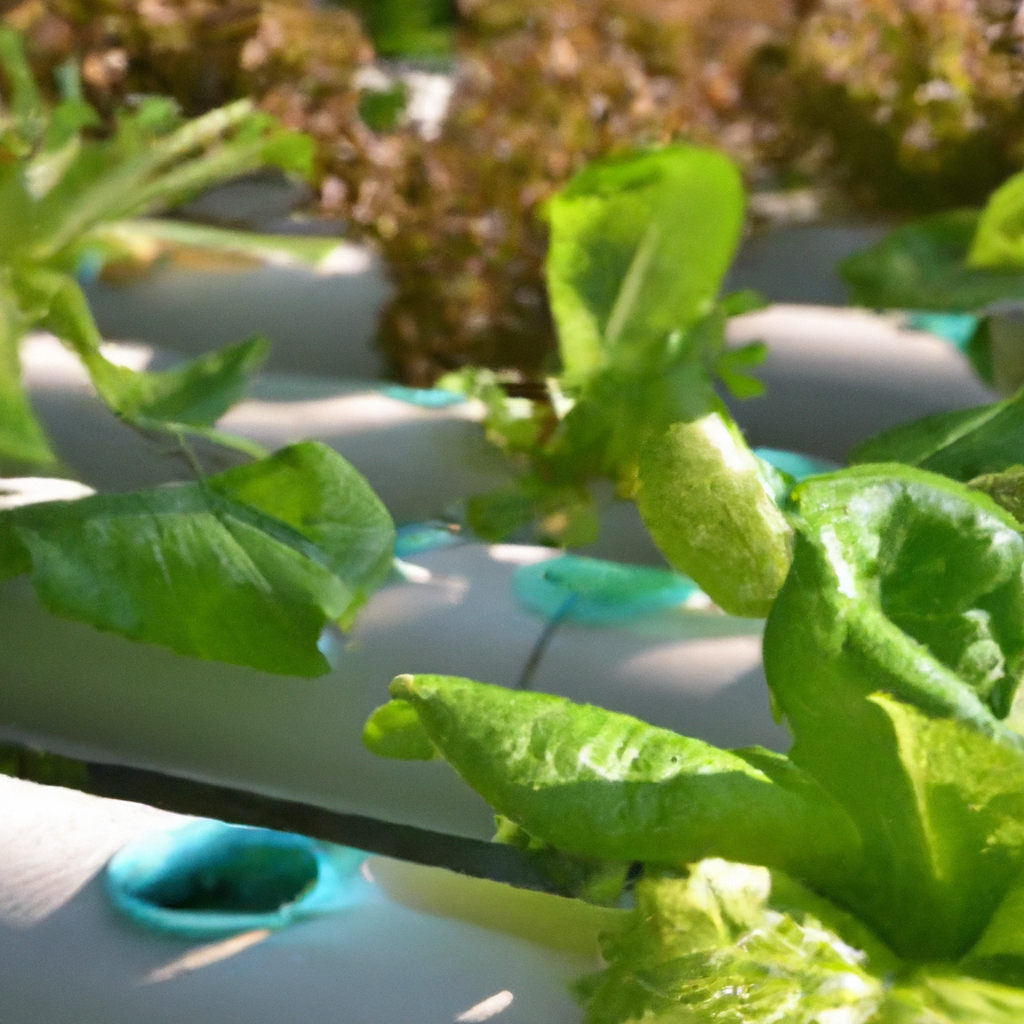
Utilizing space efficiently is a common challenge in traditional gardening, especially in urban environments where space is limited. Hydroponic gardening presents an innovative solution that maximizes space utilization, making it ideal for small-scale gardens.
The absence of soil in hydroponics allows for a more compact and vertically oriented garden. By utilizing vertical farming techniques, you can grow plants vertically, effectively multiplying your available garden space. Whether you have a small balcony, a rooftop, or even an indoor room, hydroponics enables you to make the most of your limited space and cultivate a diverse range of plants.
Reduced Labor
For many gardeners, the physical labor required for maintaining a traditional garden can be overwhelming. The weeding, watering, and constant attention necessary to keep plants healthy can take a toll on both time and energy. However, hydroponic gardening offers a solution by significantly reducing the labor involved.
Automation and mechanization are key features of hydroponic systems. From automatic nutrient delivery systems to timer-controlled irrigation, many tasks are taken care of by the system itself. This automation not only saves you time and effort but also ensures consistent and reliable care for your plants.
Furthermore, hydroponic gardens require less manual labor, particularly when it comes to weeding. As mentioned earlier, the absence of soil eliminates the need for weeding in hydroponic systems. Without the chore of pulling out weeds, you can spend more time focusing on other aspects of gardening that bring you joy.
In conclusion, hydroponic gardening offers a wide range of benefits that make it an attractive option for both experienced gardeners and beginners alike. From increased crop yield and year-round gardening to water conservation and reduced labor, hydroponics paves the way for efficient and sustainable plant cultivation. By harnessing the power of technology and precise control, hydroponic gardening brings the joy of gardening to new heights while offering practical solutions to common gardening challenges. So why wait? Dive into the world of hydroponics and discover the endless possibilities that await you as you embark on your journey of growing plants in a whole new way.


