



So, you’ve finally decided to take your home hydroponic system to the next level, huh? Well, get ready to maximize efficiency and see those yields soar! Scaling up your hydroponic system may seem like a daunting task at first, but with the right knowledge and a little bit of planning, you’ll be able to turn your humble setup into a flourishing oasis of plants. From choosing the right lights to implementing a nutrient delivery system, this article will guide you through the essential steps of scaling up your home hydroponic system for optimal growth and productivity. Get ready to become a hydroponic expert, my friend!
Choosing the Right Container
When it comes to scaling up your home hydroponic system, choosing the right container is crucial. Consider the size of the system you want to build. Will it be a small-scale setup or a larger operation? This will determine the size of the containers you need. Additionally, think about the material of the container. Common choices include plastic, stainless steel, or even concrete. Each material has its pros and cons, so choose the one that suits your needs best. Furthermore, assess the depth and width of the containers. Different plants require different root depths, so make sure the containers can accommodate the specific plants you plan to grow. Lastly, ensure proper drainage. Adequate drainage is essential to prevent waterlogging and maintain a healthy root system.
Providing Adequate Lighting
When scaling up your home hydroponic system, providing adequate lighting is crucial for the health and growth of your plants. Start by assessing the lighting needs of your plants. Some plants require more light than others, so it’s important to understand their specific requirements. Once you know the lighting needs, calculate the ideal light intensity for your setup. This will help you determine the number and type of grow lights you need. Explore different lighting options such as LED, fluorescent, or high-intensity discharge (HID) lights, and choose the one that best suits your needs. In some cases, supplemental lighting may be necessary to ensure proper growth and development of your plants.
Optimizing Nutrient Delivery
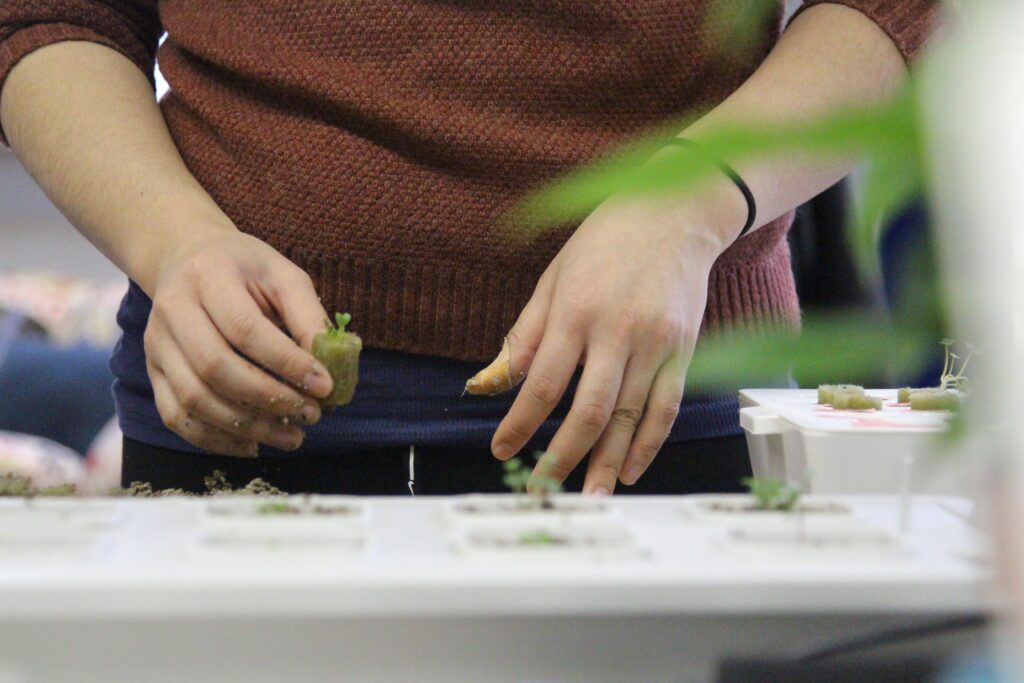
To ensure the optimal growth of your plants, it’s important to optimize nutrient delivery in your hydroponic system. Start by choosing the right nutrient solution. Different plants have different nutrient requirements, so choose a solution that meets those needs. Monitor and adjust the pH levels regularly to ensure the nutrients are being properly absorbed by the plants’ roots. Establishing a feeding schedule is also important to ensure consistent nutrient supply. Consider supplementing with additional nutrients if necessary, depending on the specific needs of your plants.
Managing Water Quality
Water quality plays a significant role in the success of your hydroponic system. It’s important to use filtered water to avoid any potential contaminants that may harm your plants. Monitor the water temperature regularly to ensure it remains within the optimal range for plant growth. Prevent algae growth by keeping the water clean and ensuring proper circulation. Maintaining oxygen levels in the water is crucial for your plants’ root health, so consider using air stones or other oxygenation methods to ensure a well-oxygenated environment.

Maintaining a Balanced Environment
Creating a balanced environment is essential for the overall success of your home hydroponic system. Controlling temperature and humidity levels is crucial to ensure optimal plant growth. Minimize the risk of pests and diseases by practicing good hygiene and regularly inspecting your plants. Ensure sufficient air circulation to prevent stagnant air and the buildup of harmful gases. Implement CO2 enrichment methods to promote healthy plant growth and enhance overall productivity.
Scaling the Nutrient System
If you plan to scale up your hydroponic system, you need to consider the increased nutrient demands of your plants. Calculate the nutrient demand based on the increased plant count and adjust the nutrient solution concentration accordingly. Increase the size of the nutrient solution reservoir to ensure an ample supply of nutrients for your plants. Consider automating nutrient delivery to maintain consistency and efficiency in nutrient distribution throughout your system.
Expanding Lighting Infrastructure
Expanding your lighting infrastructure is necessary when scaling up your hydroponic system. Calculate the increased lighting needs based on the larger plant count. Consider adding additional grow lights to provide sufficient light coverage for all your plants. Installing light reflectors can help maximize light efficiency and reduce waste. Implementing light movers can further enhance light distribution and optimize plant growth.
Increasing Water Capacity
As you scale up your hydroponic system, it’s important to evaluate the water consumption of your plants. Upgrade your water storage capacity to accommodate the increased water needs. Implement water circulation systems to ensure proper distribution and avoid stagnant water. Consider using automatic watering systems to efficiently deliver water to your plants and maintain optimal moisture levels.
Upgrading Environmental Control
With a larger hydroponic system, upgrading environmental control becomes crucial. Assess the increased temperature and humidity regulation requirements and upgrade your ventilation and air exchange systems accordingly. Implement advanced climate control systems to maintain a stable and optimal environment for your plants. Consider using environmental sensors and automation technology to monitor and control environmental factors more effectively.
Scaling Production Output
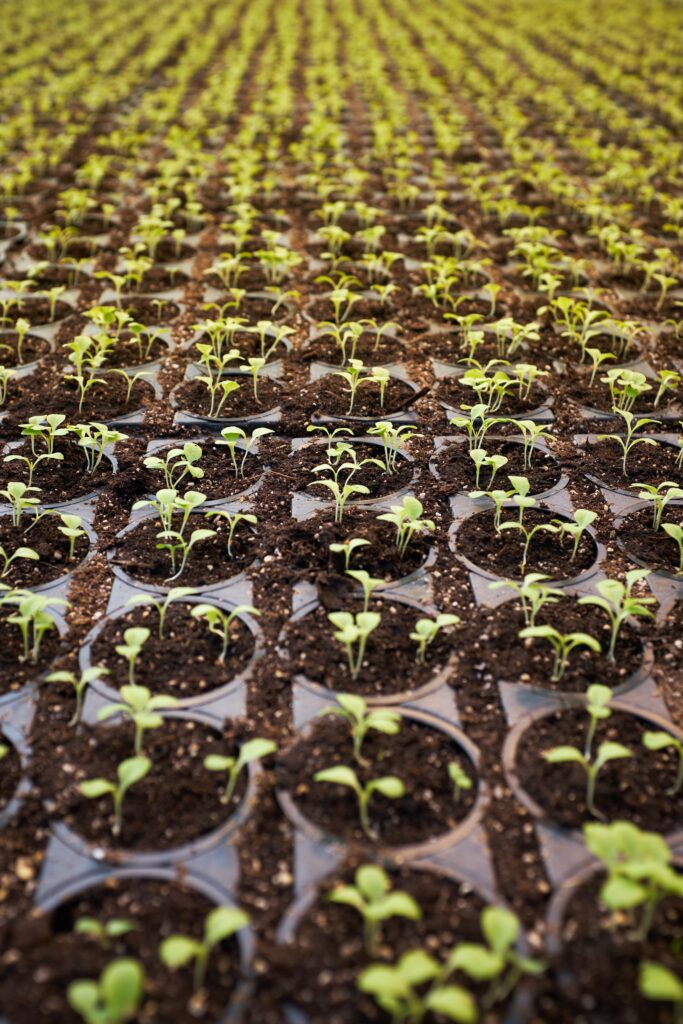
When scaling up your home hydroponic system, it’s important to consider increasing your production output. Determine the demand and planting cycle for your crops to optimize production. Consider implementing vertical farming techniques and increasing plant density to maximize the use of space. Establish multiple growing systems to streamline production and meet the increased demand. Implement harvesting and rotating cycles to ensure a continuous and efficient production process.
In conclusion, scaling up your home hydroponic system requires careful consideration and planning in various aspects. Choosing the right containers, ensuring adequate lighting, optimizing nutrient delivery, managing water quality, and maintaining a balanced environment are all crucial factors to maximize efficiency and productivity. Additionally, scaling the nutrient system, expanding lighting infrastructure, increasing water capacity, upgrading environmental control, and scaling production output are essential steps to successfully scale up your hydroponic system. With proper planning and attention to detail, you can create a thriving and productive hydroponic system that meets your growing needs.


