



In the world of hydroponics, maintaining the pH levels in your system is crucial for the health and success of your plants. The delicate balance of acidity and alkalinity plays a significant role in nutrient absorption, root development, and overall plant growth. So, how can you ensure your pH levels remain in the optimal range? In this article, we will explore some effective methods and tips to help you maintain the ideal pH levels in your hydroponic system, ensuring the flourishing of your plants and maximizing your yields.
Choosing the Right pH Level for Hydroponic System
Maintaining the right pH level in your hydroponic system is crucial for the healthy growth and development of your plants. pH, which stands for “potential of hydrogen,” measures the acidity or alkalinity of a substance on a scale of 0 to 14. In the hydroponic system, the perfect pH level for most plants is between 5.5 and 6.5, slightly acidic. This pH range ensures optimal nutrient uptake by the plants and prevents nutrient deficiencies or toxicities.
Importance of Maintaining pH Levels in Hydroponic System
Maintaining the correct pH levels in your hydroponic system is of utmost importance for several reasons. Firstly, it ensures that your plants can readily absorb the essential nutrients needed for their growth. If the pH is too high or too low, plants may struggle to take in key nutrients, leading to stunted growth, yellowing leaves, or even plant death. Secondly, maintaining pH levels within the desired range prevents nutrient lockout, where certain nutrients become unavailable to the plants due to extreme pH conditions. Lastly, pH levels affect the solubility and availability of various nutrients in the water, and deviations from the ideal range can negatively impact the overall health and productivity of your hydroponic garden.

Testing pH Levels Regularly
To maintain optimal pH levels in your hydroponic system, it’s important to regularly test the pH of your nutrient solution. This will allow you to identify any deviations from the desired range promptly and take corrective measures. Choosing a high-quality pH testing kit is essential for accurate and reliable results.
Choosing a pH Testing Kit
When selecting a pH testing kit, look for one that is specifically designed for hydroponics. These kits typically include pH testing strips or a digital pH meter along with the necessary calibration solutions. Digital pH meters provide more precise readings, but they require occasional calibration to ensure accuracy. On the other hand, pH testing strips are easy to use and give you a quick snapshot of the pH level.
Recommended Testing Frequency
For most hydroponic systems, testing the pH level at least once a day is recommended. This will help you identify any fluctuations and allow for quick adjustments, ensuring the pH remains within the desired range. Additionally, make it a point to test the pH after adjusting it to make sure it is stable before exposing the plants to the new nutrient solution.
Using pH Adjusters
pH adjusters, commonly known as pH up and pH down solutions, are essential tools for maintaining optimal pH levels in your hydroponic system. These solutions are used to raise or lower the pH of the nutrient solution as needed.
Understanding pH Up and pH Down Solutions
pH up solution, as the name suggests, is used to increase the pH of the nutrient solution when it is too low or acidic. It usually contains potassium hydroxide or sodium bicarbonate. On the other hand, pH down solution is used to lower the pH level when it is too high or alkaline. Common ingredients in pH down solutions include phosphoric acid or citric acid. It’s important to carefully follow the instructions provided with the pH adjusters to avoid over or under-adjusting the pH levels.
Determining the Amount of Adjuster Needed
To determine the amount of pH adjuster needed, start by measuring the current pH level of your nutrient solution. Refer to the instructions provided with the pH adjuster to determine the recommended dosage based on the volume of your hydroponic system. It’s always better to start with a little less adjuster and gradually increase if necessary, as adding too much adjuster can cause a rapid and drastic pH swing.
Applying pH Adjusters Correctly
When adjusting the pH of your hydroponic system, it’s important to follow a step-by-step process. First, measure the current pH level of your nutrient solution. If it is higher than desired, use pH down solution to lower it, or if it is lower than desired, use pH up solution to raise it. Add the recommended amount of adjuster to a separate container of water, dissolve it thoroughly, and then slowly pour it into the nutrient solution while stirring gently. After each adjustment, allow some time for the pH level to stabilize before retesting and making further adjustments if necessary.

Utilizing Natural pH Adjusters
In addition to pH adjusters, there are natural substances that can help maintain pH levels in your hydroponic system. These natural pH adjusters not only offer a more sustainable and environmentally friendly alternative but also provide additional benefits to your plants.
Importance of Natural pH Adjusters
Natural pH adjusters not only help in maintaining the desired pH level but also introduce micronutrients and beneficial compounds to the nutrient solution. They can enhance the overall health and vigor of your plants while minimizing the risk of chemical imbalances.
Examples of Natural pH Adjusters
Lemon juice, vinegar, and citric acid are common examples of natural pH adjusters that can be used to lower the pH of your hydroponic system. On the other hand, crushed coral, dolomite lime, or oyster shell powder can help increase the pH if it is too low. These natural substances should be used in moderation and with caution to prevent excessive pH swings.
Dos and Don’ts of Using Natural pH Adjusters
When using natural pH adjusters, it’s important to exercise caution and follow some guidelines. Do test the pH periodically to ensure that the desired range is maintained and adjust as necessary. Don’t add large amounts of natural adjusters all at once, as this can lead to sudden and drastic pH changes that may stress or harm your plants. It’s best to make gradual adjustments and monitor the pH levels closely to avoid any undesirable fluctuations.
Maintaining pH Stability with Buffer Solutions
Buffer solutions are a valuable tool for maintaining pH stability in your hydroponic system. They work by resisting changes in pH, helping to maintain the desired range even when external factors may cause fluctuations.
What are Buffer Solutions?
Buffer solutions are aqueous solutions that contain a weak acid and its conjugate base, or a weak base and its conjugate acid. They are designed to stabilize the pH of a solution by minimizing the impact of any added acids or bases. Buffer solutions effectively “buffer” the pH, preventing rapid and extreme changes.
Benefits of Using Buffer Solutions
Using buffer solutions in your hydroponic system provides several benefits. They help maintain pH stability despite changes caused by nutrient additions or environmental factors, providing a more consistent growing environment for your plants. Buffer solutions also offer additional protection against nutrient lockout, ensuring that the essential elements remain available for uptake by the plants.
How to Use Buffer Solutions in a Hydroponic System
To use buffer solutions in your hydroponic system, start by choosing a buffer solution specifically designed for hydroponics. Follow the instructions provided to determine the appropriate dosage based on the volume of your system. Typically, buffer solutions are added to the nutrient solution reservoir, ensuring that they are thoroughly mixed before being circulated to the plants. It’s important to periodically test the pH to ensure that the buffer solution is effectively stabilizing the pH and make any necessary adjustments if required.

Preventing pH Fluctuations
While adjusting the pH is important, preventing pH fluctuations in the first place is equally crucial. By maintaining stable pH levels, you can avoid the stress and negative impact on plant health that can result from rapid and extreme changes.
Maintaining Stable Water Temperature
Water temperature plays a significant role in pH stability. Ideally, the water temperature in a hydroponic system should be maintained between 65°F and 75°F (18°C to 24°C) as this range promotes optimal nutrient absorption and microbial activity. Fluctuations in water temperature can disrupt the chemical reactions that act as buffers in the system, leading to pH swings. To maintain stable water temperature, consider using a water heater or cooler, depending on your specific needs.
Controlling Nutrient Concentrations
Maintaining proper nutrient concentrations is essential for pH stability. High nutrient concentrations can lead to a drop in pH, while low nutrient concentrations can cause a rise in pH. It’s important to regularly monitor and adjust the nutrient solution concentrations to ensure they remain within the recommended ranges. This can help prevent pH fluctuations and maintain a stable growing environment for your plants.
Avoiding Overwatering
Overwatering can lead to poor oxygenation of the root zone, which can in turn impact the pH balance. When the root zone lacks oxygen, it can become anaerobic, leading to the production of organic acids that lower the pH. By avoiding overwatering and ensuring proper drainage, you can maintain a well-oxygenated root zone and minimize the risk of pH fluctuations.
Preventing Algae Growth
Algae growth can have a significant impact on pH stability in a hydroponic system. Algae produce oxygen during the day and consume it at night, leading to fluctuations in dissolved oxygen levels. Additionally, as algae grow, they can release organic compounds and waste products that can affect the pH. Regularly cleaning and sterilizing your hydroponic system, using light-blocking materials to prevent algae growth, and maintaining a proper balance between light and dark periods can help prevent algae-related pH fluctuations.
Choosing pH-Friendly Hydroponic Media
The choice of hydroponic media can also play a role in pH regulation. Certain media have a natural buffering capacity, which helps stabilize the pH by slowing down its changes.
Importance of Hydroponic Media in pH Regulation
Hydroponic media not only support the plants but also provide a physical and chemical environment that affects the pH stability. Porous media, such as coconut coir, perlite, and vermiculite, have a higher buffering capacity compared to non-porous media like rockwool or clay pellets. The buffering capacity allows the media to hold on to nutrients and release them slowly, reducing the chances of rapid pH fluctuations.
Recommended Hydroponic Media for pH Stability
If pH stability is a top priority, consider using hydroponic media with a higher buffering capacity. Coconut coir, for example, has excellent water retention properties and a natural ability to buffer pH changes. Other media like expanded clay pellets or perlite can also help maintain a stable pH by providing ample oxygenation and preventing waterlogged conditions. Choosing pH-friendly hydroponic media can be an effective strategy to reduce the frequency of pH adjustments and provide a more consistent environment for your plants.
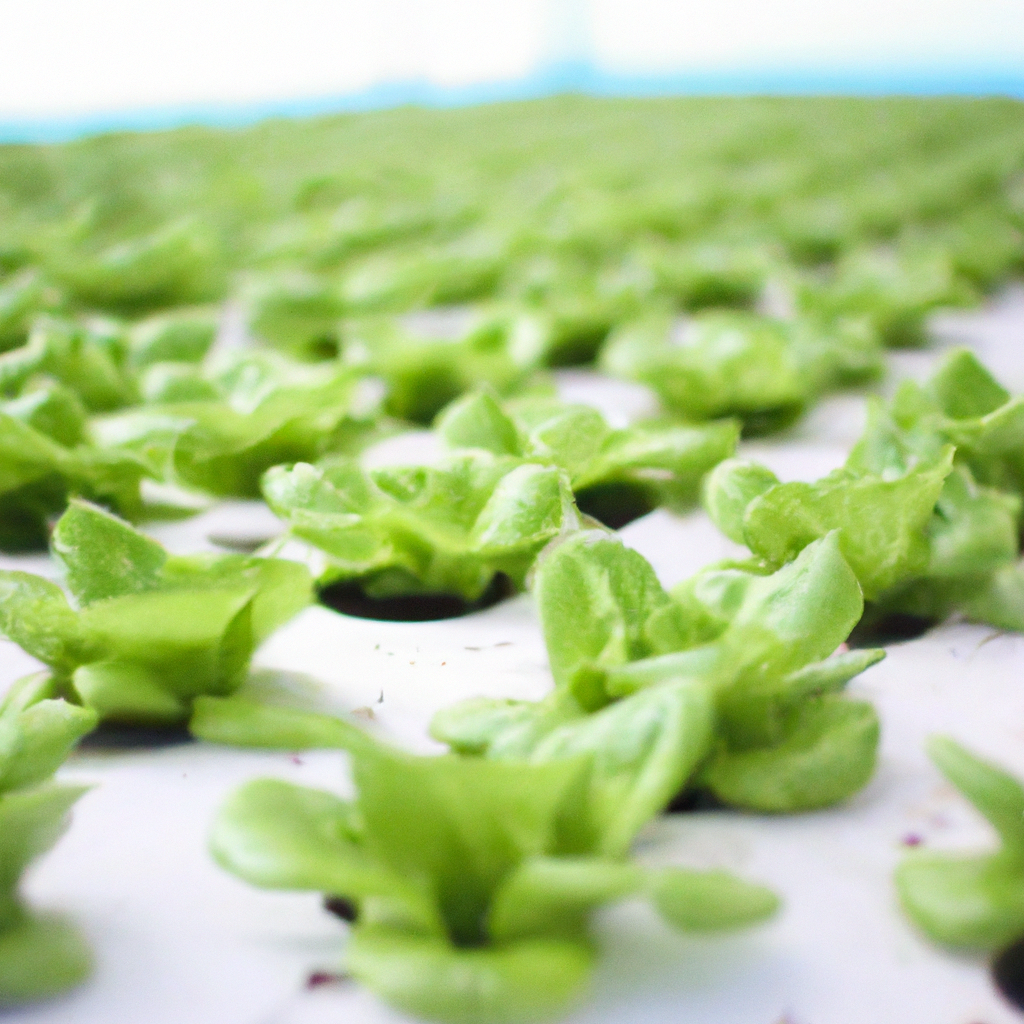
Monitoring pH Levels in Hydroponic Reservoir
Regular monitoring of pH levels in your hydroponic reservoir is essential for maintaining optimal plant health and preventing pH-related issues.
Using pH Monitoring Devices
There are various types of pH monitoring devices available, ranging from simple pH testing strips to more advanced digital pH meters. pH testing strips are economical and easy to use, requiring you to dip the strip in the nutrient solution and compare the color change to a provided chart. Digital pH meters offer more accurate readings and typically feature a probe that is inserted into the nutrient solution. Choose a pH monitoring device that suits your needs and budget, ensuring that it provides reliable and accurate measurements.
Benefits of Continuous Monitoring
Continuous monitoring of pH levels provides real-time information about any deviations, allowing you to take immediate corrective actions. By keeping a close eye on the pH in the reservoir, you can prevent nutrient imbalances, identify potential issues before they manifest as visible symptoms in the plants, and maintain a stable and productive hydroponic system.
Steps for Accurate Monitoring
To ensure accurate monitoring of pH levels, it’s important to follow some guidelines. First, calibrate your pH monitoring device regularly to maintain accuracy. Refer to the manufacturer’s instructions for the proper calibration procedure. When measuring the pH, make sure the probe or testing strip is clean and dry to prevent contamination. Take multiple measurements at different parts of the reservoir to ensure a representative reading. Finally, record your pH measurements to track any trends or fluctuations over time.
Troubleshooting pH Problems in Hydroponic Systems
Even with the best practices in place, pH problems can occasionally arise in hydroponic systems. Understanding how to identify and correct these issues is crucial for maintaining a healthy growing environment for your plants.
Identifying pH-Related Issues
To identify pH-related issues in your hydroponic system, keep an eye out for signs such as stunted growth, yellowing or browning leaves, nutrient deficiencies, or abnormal plant behavior. These symptoms could indicate a pH imbalance that is affecting nutrient uptake. Regular monitoring of the pH levels and visual inspection of the plants can help identify and diagnose pH-related issues early on.
Correcting pH Imbalances
When you identify a pH imbalance in your hydroponic system, it’s important to take immediate action to correct it. If the pH is too high or alkaline, use a pH down solution to lower it. Conversely, if the pH is too low or acidic, use a pH up solution to raise it. Make gradual adjustments and monitor the pH levels closely, ensuring that you remain within the desired range. It’s also important to address any underlying issues that may have caused the pH imbalance, such as nutrient imbalances, root zone oxygenation problems, or contamination.
Dealing with pH Drifts
pH drifts, where the pH gradually changes over time, can be challenging to manage. To address pH drifts, consider implementing some preventive measures. Regularly monitor and adjust nutrient concentrations, maintain stable water temperature, and prevent algae growth. Additionally, periodically flush and replace the nutrient solution to prevent excessive nutrient build-up or pH drifts. By proactively addressing these factors, you can minimize the occurrence of pH drifts and ensure a more stable pH in your hydroponic system.
In conclusion, maintaining the right pH levels in your hydroponic system is vital for the overall health and productivity of your plants. Regularly testing the pH, using pH adjusters effectively, utilizing natural pH adjusters, maintaining stability with buffer solutions, preventing pH fluctuations, choosing pH-friendly hydroponic media, monitoring pH levels in the reservoir, and troubleshooting pH problems are essential practices to maintain optimal pH levels and ultimately achieve successful hydroponic gardening. By implementing these measures and staying vigilant in pH management, you can create a thriving hydroponic system that yields bountiful and healthy crops time and time again.


