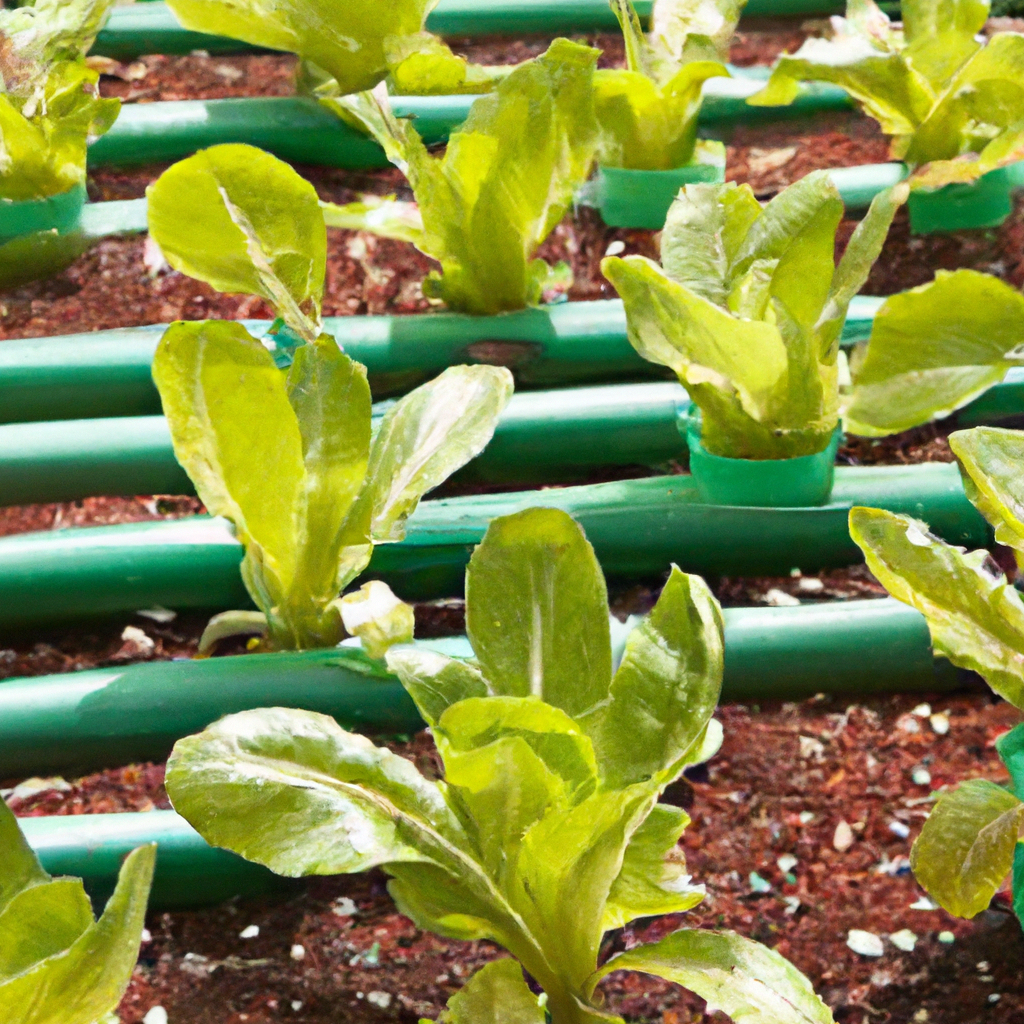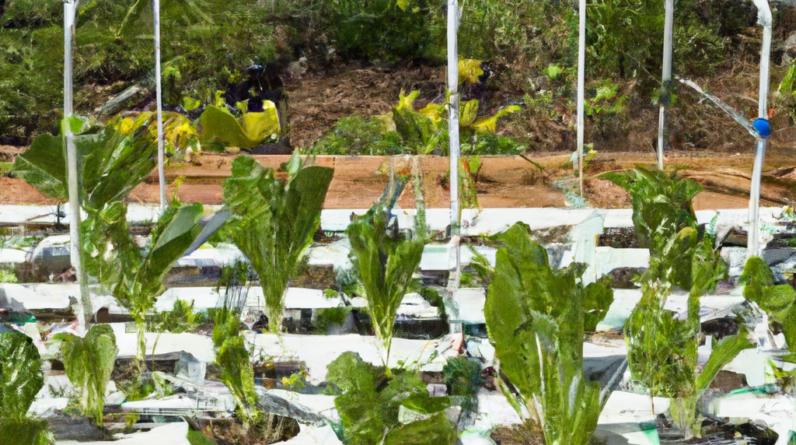
Hydroponic gardening, a revolutionary method of growing plants without soil, has been gaining popularity among gardening enthusiasts around the world. Curious to know what it’s all about? Well, hydroponic gardening is a technique that involves cultivating plants in nutrient-rich water solutions instead of traditional soil-based methods. This allows plants to receive all the essential nutrients they need directly through their roots. Not only does hydroponic gardening offer higher yields and faster growth rates, but it also conserves water and minimizes the risk of pest infestations. So, if you’re looking for a sustainable and efficient way to cultivate your own fresh produce, hydroponic gardening might just be the solution for you.
What is hydroponic gardening?
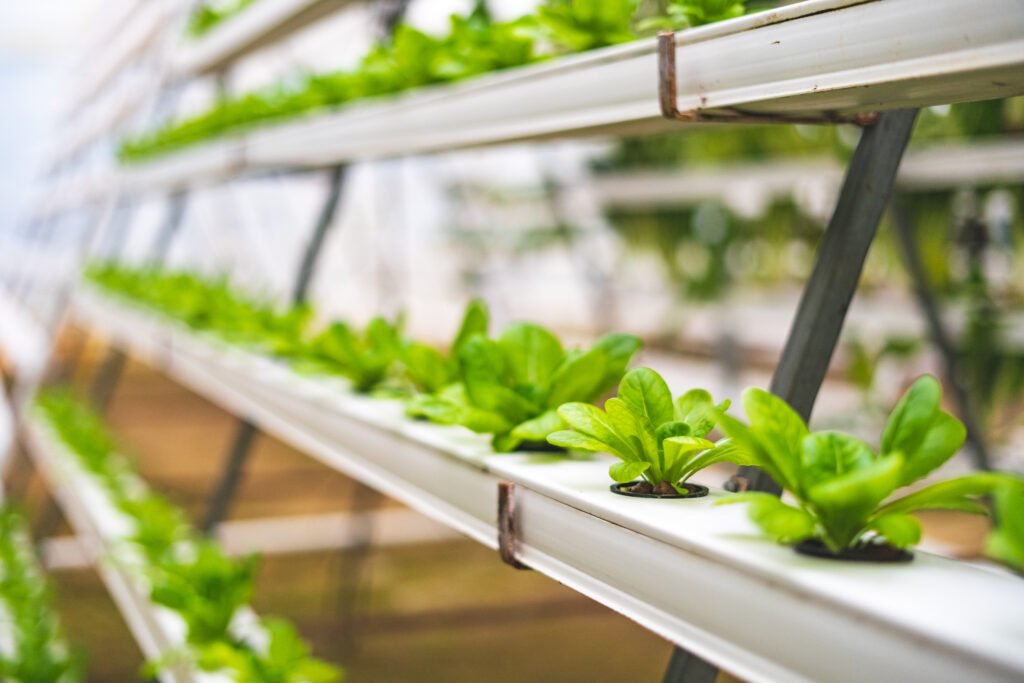
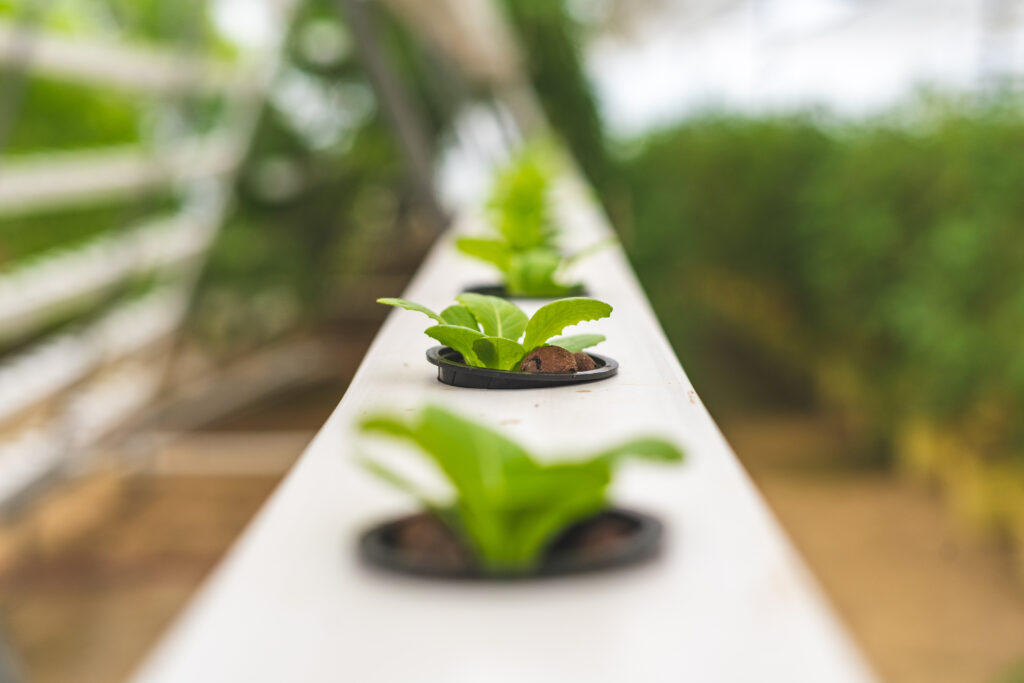
Hydroponic gardening is a method of growing plants without the use of soil. Instead, plants are grown in a nutrient-rich water solution, providing them with everything they need to thrive. This innovative gardening technique is gaining popularity among both hobbyists and commercial growers due to its numerous benefits.
Benefits of hydroponic gardening
There are several advantages to choosing hydroponic gardening over traditional soil-based gardening. Firstly, hydroponic systems allow for greater control over the growing environment, including factors like pH levels, nutrient concentration, and lighting. This precise control leads to faster growth and higher yields. Additionally, hydroponic systems use less water compared to traditional gardening methods, making them more environmentally friendly.
Furthermore, hydroponic gardening eliminates the need for soil, reducing the risk of soil-borne diseases and pests. By removing the soil factor, plants can effectively target their energy towards growth and nutrient absorption, resulting in healthier and more productive plants. Moreover, hydroponic gardening can be done indoors, allowing for year-round cultivation regardless of climate or season.
Different hydroponic systems
There are various hydroponic systems available, each with its own unique characteristics and benefits. One commonly used system is the nutrient film technique (NFT), which involves a constantly flowing film of nutrient-rich water that bathes the plant roots. Another popular system is the deep water culture (DWC), where the plant roots are completely submerged in a nutrient solution. Additionally, aeroponics involves suspending the plants in air and spraying them with a nutrient mist. Each system offers different advantages, making it important to choose one that best suits your needs and goals.
Choosing the right plants for hydroponic gardening
While almost any plant can be grown hydroponically, some are better suited for this specific method than others. Leafy greens such as lettuce, spinach, and kale are popular choices as they have shallow root systems and grow relatively fast. Herbs like basil, mint, and parsley also thrive in hydroponic systems. Furthermore, tomatoes, cucumbers, and peppers can be successfully grown hydroponically, although they require more space and support structures. Consider the space available, as well as the specific requirements of each plant when selecting the right plants for your hydroponic garden.
Setting up a hydroponic system
Setting up a hydroponic system may seem daunting at first, but it can be a rewarding and straightforward process. The first step is to choose the type of system that suits your needs and space constraints, whether it’s a DIY system or a pre-made kit. Once you have determined the system, gather the necessary materials such as a reservoir, growing containers, growing medium, pumps, and nutrient solutions. Follow the instructions provided with your chosen system to assemble and set it up correctly. It is essential to maintain proper water levels, monitor plant health, and regularly check and adjust the nutrient solution as needed.
Nutrients for hydroponic gardening
In hydroponic gardening, plants obtain their nutrients directly from the water solution, so it is crucial to provide them with the right balance of minerals and elements. Pre-mixed nutrient solutions specifically designed for hydroponics are readily available and provide a convenient option. These solutions typically include essential nutrients such as nitrogen, phosphorus, potassium, calcium, magnesium, and trace elements. It is important to closely follow the instructions on the nutrient solution packaging to ensure proper dilution and application. Regularly monitor the nutrient levels and adjust accordingly to maintain optimal plant health and growth.
Managing pH levels in hydroponic gardening
Maintaining the correct pH level is crucial for hydroponic gardening success. The pH level directly affects nutrient availability and uptake. Most plants thrive in a slightly acidic to neutral pH range, typically between 5.5 and 6.5. Regularly test the pH level of your nutrient solution using a pH meter or test kit and make adjustments as needed using pH up or pH down solutions. Take note of any fluctuations in pH caused by nutrient solution changes or plant respiration. Consistently monitoring and adjusting the pH levels will ensure that your plants can efficiently absorb the necessary nutrients for optimal growth.
Lighting requirements for hydroponic plants
Proper lighting is vital for the success of hydroponic gardens, especially if they are grown indoors. Plants rely on light for photosynthesis, where energy from light is converted into plant sugars and growth. High-intensity grow lights like LED, fluorescent, or HID lights are commonly used as they provide the necessary spectrum and intensity required for optimal plant growth. Determine the lighting requirements of the specific plants you are growing and choose a lighting system that suits their needs. Ensure that the lighting system is correctly positioned and set up to provide sufficient light coverage for all plants in the hydroponic system.
Common pests and diseases in hydroponic gardens
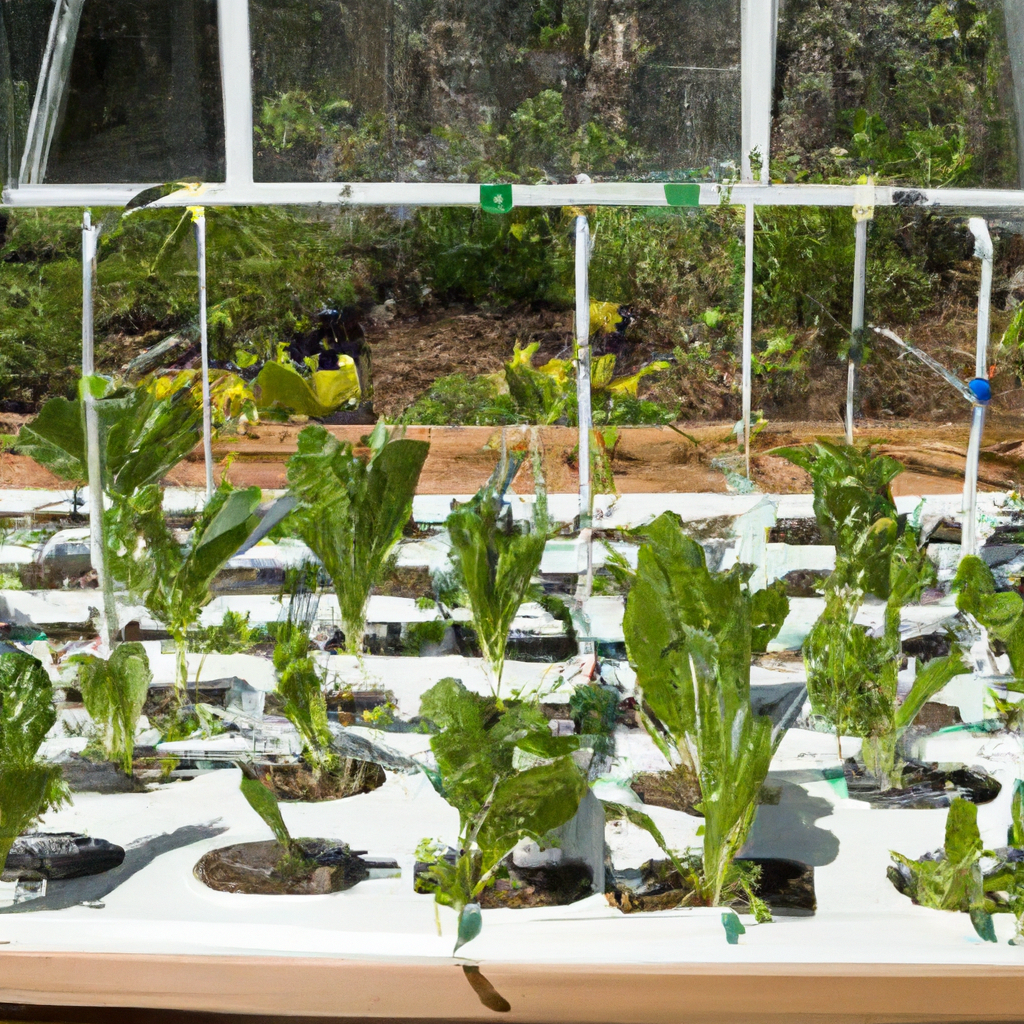
While hydroponic gardens are less susceptible to soil-borne pests and diseases, they can still face their own unique challenges. Common pests in hydroponic gardens include aphids, spider mites, and whiteflies. Regularly inspect your plants for any signs of pests and regularly sanitize your hydroponic system to minimize the risk of infestation. Additionally, plant diseases such as powdery mildew or root rot can occur in hydroponic systems. Maintain proper ventilation, humidity levels, and cleanliness to prevent these issues and promptly address any signs of disease to protect your plants.
Harvesting and maintenance in hydroponic gardening
When it comes to harvesting, hydroponically grown plants are typically ready for harvest earlier than those grown in soil due to the enhanced growth rate. Monitor the development and maturity of each plant and harvest accordingly. Proper maintenance of your hydroponic system is crucial to ensure long-term success. Regularly clean and disinfect the system, inspect for any damaged equipment, and replace any worn-out or non-functioning parts. Maintaining proper nutrient levels, pH levels, and lighting conditions will also contribute to the overall health and productivity of your hydroponic garden.
In conclusion, hydroponic gardening offers numerous benefits and a unique approach to cultivating plants. With the ability to control various environmental factors, hydroponic systems allow for faster growth and higher yields while minimizing water usage. By choosing the right plants, setting up the appropriate system, and providing the necessary nutrients and lighting, you can successfully grow a thriving hydroponic garden. Regularly monitor and manage pH levels, stay vigilant against common pests and diseases, and ensure proper harvesting and maintenance practices. With these considerations in mind, you can enjoy the rewards of a flourishing hydroponic garden year-round. Happy gardening!