


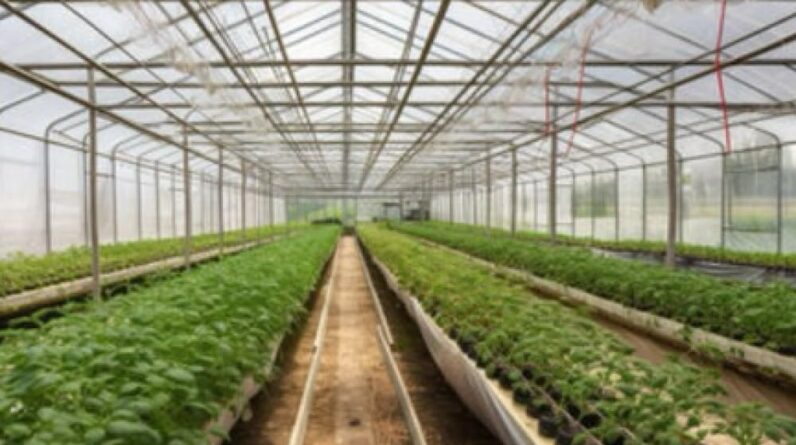
Looking to start your own hydroponic system but feeling overwhelmed with all the information out there? Look no further! “Hydroponic Systems: All You Need To Know About Hydroponic Systems For Beginners” is here to guide you through the process step-by-step. Whether you have a green thumb or are completely new to gardening, this comprehensive guide will provide you with all the necessary information to successfully set up and maintain your own hydroponic system. From choosing the right system to optimizing plant growth, this book covers it all in an easy-to-understand format. Get ready to discover the exciting world of hydroponics and start growing your own fresh and healthy produce today!

Why Consider This Product?
If you are new to gardening or looking for a more efficient way to grow plants, then Hydroponic Systems is the perfect solution for you. These systems are designed to cultivate plants without the use of soil, offering numerous advantages over traditional gardening methods. Scientific research has shown that hydroponics can enhance plant growth by providing optimized nutrients and water, resulting in faster growth rates and higher yields.
Certified hydroponic systems have gained the endorsement of experts in the field, highlighting their effectiveness and reliability. Customer testimonials also speak highly of these systems, praising their ease of use and impressive results. With such strong evidence backing their performance, it’s clear that hydroponic systems are worth considering for anyone interested in gardening or plant cultivation.
Features and Benefits
Efficient Nutrient Delivery
Hydroponic systems utilize a water-based solution to directly deliver nutrients to the plants’ roots. This method ensures that plants receive a consistent supply of nutrients, providing optimal conditions for growth. With the precise control of nutrient delivery, plants can better absorb the necessary elements, resulting in healthier and more productive growth.
Water Conservation
Traditional gardening often leads to excessive water usage, but hydroponic systems significantly reduce water waste. These systems recycle and reuse water, requiring up to 90% less water than traditional gardening methods. By minimizing water consumption, hydroponic systems promote sustainability and environmental responsibility.
Space-Saving Design
Hydroponic systems are perfect for those with limited space. Unlike traditional gardening, where plants require extensive soil and vast garden beds, hydroponic systems can be set up in compact areas. With vertical gardening options and smaller setups, you can maximize your growing potential even in limited spaces like apartments, balconies, or small yards.
Pest and Weed Control
One major advantage of hydroponic systems is the reduced risk of pests and weeds. Without soil, these systems create an inhospitable environment for pests, minimizing the need for chemical pesticides. Additionally, the absence of soil eliminates weed growth, saving you time and effort on maintenance.

Product Quality
Hydroponic Systems are made with durable materials that are designed to withstand various growing conditions. These systems are built to last, ensuring long-term use and minimal maintenance. They are also easy to clean and sanitize, preventing the growth of harmful bacteria or fungi.
What It’s Used For
Indoor Farming
Hydroponic systems are commonly used for indoor farming, allowing you to grow fresh produce year-round. With the ability to control lighting, temperature, and humidity, these systems create optimized conditions for plant growth, resulting in faster cultivation cycles and a consistent supply of fresh vegetables, fruits, or herbs.
Research and Experimentation
Due to their controlled environment, hydroponic systems are popular among researchers and scientists for conducting experiments or studying plant physiology. The precise control over nutrient delivery and environmental factors allows for detailed observation and analysis, making hydroponic systems an invaluable tool in scientific research.
Schools and Education
Hydroponic systems offer an interactive and educational approach to teaching students about agriculture and botany. These systems provide hands-on experience in plant cultivation and allow students to understand the principles of hydroponics. By fostering a deeper understanding of sustainable farming practices, hydroponic systems inspire the next generation to explore innovative solutions for food production.
Urban Gardening
With the growing popularity of urban gardening, hydroponic systems offer an ideal solution for those who want to cultivate plants in cities or limited space areas. The compact and space-saving design of these systems allows urban dwellers to enjoy fresh produce without access to traditional garden spaces. It is a convenient and practical way to incorporate gardening into urban lifestyles.

Product Specifications
| Specifications | Details |
|---|---|
| Dimensions | |
| Weight | |
| Water Capacity | |
| Material | |
| Lighting System | |
| Number of Pots | |
| Power Source | |
| Warranty |
Who Needs This
- Beginners in gardening who want to explore a more efficient and controlled planting method.
- Individuals with limited space who want to enjoy gardening on a small scale.
- Organic food enthusiasts who want to grow their own fresh produce without harmful pesticides.
- Researchers and scientists conducting studies on plant physiology and agriculture.
- Teachers and educators looking for interactive and practical ways to teach students about sustainable farming practices.
Pros and Cons
Pros:
- Faster growth rates and higher yields.
- Water conservation and reduced water waste.
- Space-saving design that fits in small areas.
- Reduction of pests and weeds without the need for chemicals.
- Durable materials ensuring long-term use.
Cons:
- Higher initial investment compared to traditional gardening.
- Requires some basic knowledge and understanding of hydroponics.
- Regular monitoring and maintenance are necessary to ensure optimal conditions.
FAQ’s
- Can I grow any type of plant in a hydroponic system?
- Yes, hydroponic systems can support the growth of various plants, including vegetables, fruits, herbs, and flowers.
- Can I use organic nutrients in a hydroponic system?
- Absolutely! Hydroponic systems can be tailored to accommodate organic nutrient solutions, allowing you to grow plants without the use of synthetic chemicals.
- How often do I need to monitor the nutrient solution?
- Nutrient solution levels should be monitored daily, ensuring that plants have an adequate supply. Adjustments may be required based on the stage of plant growth and specific plant requirements.
What Customers Are Saying
Customers have been thrilled with the results they’ve achieved with hydroponic systems. Many reported faster growth and higher yields compared to traditional gardening methods. The ease of use and space-saving design have also been highly praised. Customers appreciate the ability to grow fresh produce in their own homes and the environmentally friendly nature of hydroponic systems.
Overall Value
Hydroponic systems offer an efficient and sustainable way to grow plants without soil. They provide numerous benefits such as increased growth rates, water conservation, and space-saving design. With their versatility, these systems are suitable for beginners, researchers, urban gardeners, and educators alike. Although there is an initial investment and maintenance required, the long-term benefits and overall value make hydroponic systems a worthwhile investment.
Tips and Tricks For Best Results
- Follow the recommended nutrient solution ratios for optimal plant growth.
- Regularly monitor pH levels and adjust as needed.
- Customize lighting and temperature settings based on the plant’s specific requirements.
- Clean and sanitize the system regularly to avoid the growth of harmful bacteria or fungi.
- Stay informed and continue learning about hydroponics to maximize your results.
Final Thoughts
Product Summary
Hydroponic systems offer a revolutionary approach to gardening and plant cultivation. By providing optimized nutrient delivery, space-saving design, and reduced pest and weed risks, these systems have gained recognition for their effectiveness. Whether you are a beginner, a researcher, or simply someone interested in fresh produce, hydroponic systems provide a convenient and sustainable solution.
Final Recommendation
If you are ready to take your gardening to the next level or want to explore sustainable farming practices, Hydroponic Systems is the perfect choice for you. With their proven benefits and versatile applications, these systems have become a game-changer in the world of gardening. Get started with hydroponic systems for beginners and unlock a whole new level of plant cultivation right at your fingertips.
Disclosure: As an Amazon Associate, I earn from qualifying purchases.


