


So, you’re ready to embark on the exciting journey of starting a hydroponic garden, but you’re not quite sure where to begin. We totally get it! Starting a hydroponic garden can be a bit intimidating at first, especially for beginners. But don’t worry, we’ve got you covered. In this article, we’ll walk you through the step-by-step process of starting your very own hydroponic garden, from setting up your system to choosing the right plants and nutrients. By the end, you’ll feel confident and ready to get your hands dirty in the world of hydroponics. Let’s dive in!
Choosing the Right Hydroponics System
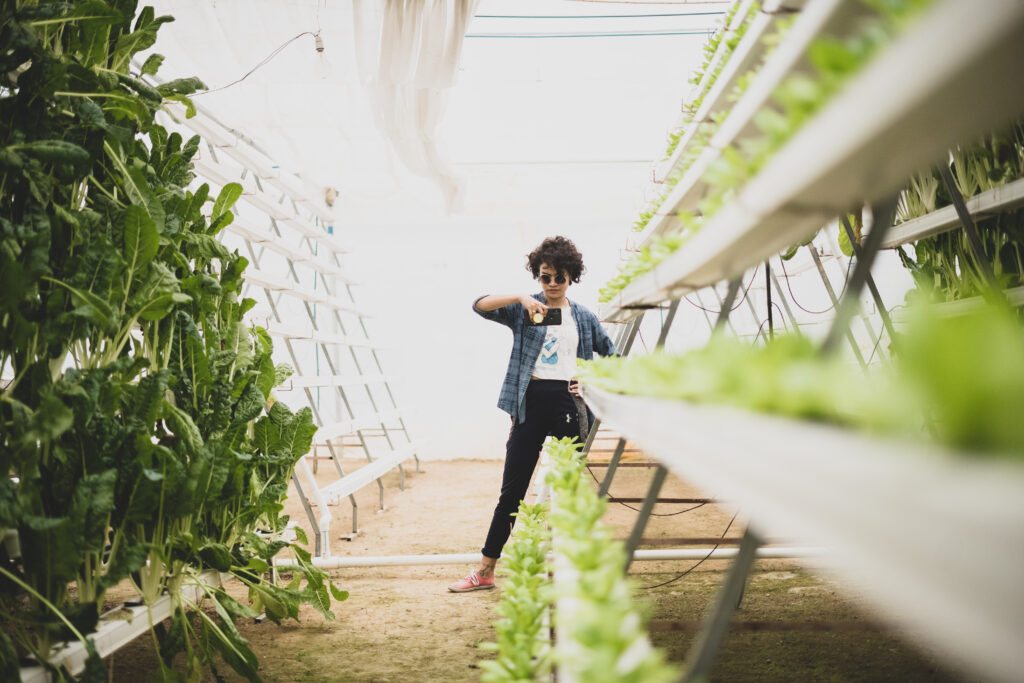
Hydroponics is a method of growing plants without soil, using only water and nutrient solutions. It offers numerous advantages over traditional soil-based gardening, including faster growth rates, higher yields, and greater control over plant nutrition. Before diving into the world of hydroponics, it is crucial to choose the right hydroponics system that suits your needs and preferences.
Understanding Hydroponics
To start your hydroponic journey, it is essential to understand the basic principles of hydroponic gardening. Hydroponics relies on providing plants with the necessary nutrients directly in water, eliminating the need for soil. Instead, plants are grown in an inert medium that supports the roots while allowing adequate water and nutrient absorption.
Exploring Different Hydroponics Systems
Hydroponics offers a range of systems, each with its own advantages and considerations. Some popular systems include drip irrigation, nutrient film technique, deep water culture, and aeroponics. Drip irrigation is a simple system that involves delivering nutrient solution through drip emitters to each plant’s base. The nutrient film technique creates a thin film of nutrient solution that continuously flows over the roots. Deep water culture uses a reservoir of aerated nutrient solution where the roots are directly submerged. Finally, aeroponics suspends plant roots in the air and delivers nutrients through a fine mist.
Considering the Space and Budget Constraints
When selecting a hydroponics system, it is crucial to assess the available space and budget constraints. Some systems, such as the drip irrigation and nutrient film technique, can be easily set up in small spaces and are relatively affordable. On the other hand, larger systems like deep water culture and aeroponics require more space and investment. By considering the space and budget constraints, you can choose a system that fits your specific needs.
Selecting the Suitable Location
Choosing the right location for your hydroponic garden is vital for the success of your plants. Here are some factors to consider when selecting a suitable location:
Ensuring Sufficient Lighting
Light is a crucial element for plant growth. If you are planning an indoor hydroponic garden, ensure that your chosen location receives sufficient natural light or invest in artificial grow lights. Different plants have varying light requirements, so research the specific needs of the crops you wish to grow and provide adequate lighting accordingly.
Providing Proper Ventilation
Proper ventilation is essential to maintain a healthy environment for your plants. It helps regulate temperature, humidity, and the exchange of gases. Ensure that your hydroponic system is placed in a well-ventilated area to prevent the buildup of excess heat and humidity, which can inhibit plant growth and invite pests.
Maintaining a Consistent Temperature
Consistency in temperature is crucial for optimal plant growth. Extreme temperature fluctuations can stress plants and hinder their development. Choose a location where you can maintain a stable temperature within the ideal range for your chosen crops. Supplemental heating or cooling may be necessary in certain climates to achieve the desired temperature range.
Selecting the Right Hydroponic Growing Medium
The hydroponic growing medium serves as a support structure for plant roots and helps retain moisture and nutrients. Choosing the right growing medium is essential for healthy plant growth. Consider the following factors when selecting a hydroponic growing medium:
Understanding the Role of a Growing Medium
A growing medium in hydroponics is a substitute for soil. It provides physical support to the plants while allowing the roots to access the nutrient-rich solution. Unlike soil, a growing medium must provide adequate drainage to prevent waterlogged roots and promote oxygen exchange.
Comparing Different Types of Growing Media
Hydroponic growing media come in various forms, including rockwool, perlite, vermiculite, coconut coir, and clay pellets. Each medium has its own characteristics, such as water retention and drainage capabilities. Take into account the specific needs of your plants and the properties of each growing medium to make an informed decision.
Considering the Needs of Your Plants
Different plants have varying preferences for growing media. Some plants thrive in media with excellent water retention, while others prefer faster drainage. Research the plants you intend to grow and choose a medium that offers the ideal balance of moisture, aeration, and nutrient availability for their specific needs.
Choosing the Best Plants for Hydroponics
Hydroponics opens up a world of possibilities for growing various plants. However, not all crops are equally suitable for hydroponic cultivation. Consider the following factors when selecting plants for your hydroponic garden:
Considering the Crop’s Suitability for Hydroponics
While hydroponics can support the growth of many different plants, some are better suited for this cultivation method than others. Leafy greens, herbs, strawberries, tomatoes, and cucumbers are among the popular choices for hydroponic gardens due to their adaptability and high yield potential. Research the specific requirements and challenges associated with growing your desired crops using hydroponics.
Evaluating Nutrient Requirements
Different plants have diverse nutrient requirements at different stages of growth. Determine the specific nutrient needs of your chosen crops and ensure that your hydroponic system can supply these nutrients in the correct proportions. Adjusting nutrient levels and maintaining a balanced nutrient solution is crucial for healthy plant growth.
Identifying Plants Suitable for Your Growing Space
Consider the limitations of your available growing space when selecting plants for your hydroponic garden. Some crops, such as sprawling vine plants, may require more vertical space or larger containers. Choose plants that can thrive within the dimensions of your hydroponic system to maximize yields and prevent overcrowding.
Sourcing Quality Hydroponic Nutrients
Hydroponic systems require carefully balanced nutrient solutions to provide plants with essential elements for growth. Consider the following factors when sourcing hydroponic nutrients:
Understanding the Importance of Nutrients
Nutrients are vital for plant growth and development. In a hydroponic system, it is up to the gardener to provide the necessary nutrients in the correct amounts. Understanding the role of nutrients and their impact on plant health will enable you to make informed decisions when selecting hydroponic nutrients.
Exploring Different Types of Hydroponic Nutrients
Hydroponic nutrients come in various forms, including liquid concentrates, powdered mixes, and organic options. Each type of nutrient formulation offers advantages and considerations. Liquid concentrates provide ease of use, while powdered mixes offer longer shelf life. Organic nutrients cater to those who prefer natural and sustainable solutions. Consider your preferences and the specific needs of your plants when choosing hydroponic nutrients.
Considering the Nutrient Balance for Optimal Growth
Maintaining a balanced nutrient solution is crucial for optimal plant growth. Different crops have varying nutrient requirements, and nutrient deficiencies or excesses can negatively impact plant health. Ensure that the hydroponic nutrient formula you choose provides all the essential elements in the correct proportions and allows for easy adjustment to accommodate the changing needs of your plants.
Setting up the Hydroponic System
Setting up your hydroponic system correctly is the foundation for success in your hydroponic gardening journey. Follow these steps to ensure a smooth setup process:
Assembling the System Components
Carefully read and follow the manufacturer’s instructions for assembling your hydroponic system. This may involve connecting reservoirs, pumps, tubing, and other components. Take your time to ensure each component is securely and properly installed to avoid leaks or malfunctions.
Properly Installing the Hydroponics System
The installation of your hydroponic system will depend on factors such as available space, type of system, and personal preference. Follow the recommended guidelines for the specific system you have chosen. Pay attention to details such as the positioning of grow lights, the arrangement of nutrient flow, and the stability of the system to optimize plant growth.
Ensuring Correct Water Flow and Drainage
Water flow and drainage are critical aspects of a well-functioning hydroponic system. Make sure the water pump is properly set up to deliver the nutrient solution at the desired flow rate. Additionally, ensure that the system allows for efficient drainage to prevent waterlogging and oxygen deprivation in the root zone.
Maintaining a Proper Nutrient Solution
Providing your plants with a consistent and balanced nutrient solution is essential for their overall health and productivity. Follow these steps to maintain a proper nutrient solution:
Preparing and Adjusting the Nutrient Solution
Mix your hydroponic nutrients according to the manufacturer’s instructions, taking care to measure accurately. Factors such as plant growth stage, water quality, and plant response should be considered when adjusting nutrient concentrations. Regularly monitor and adjust the nutrient solution to meet the changing needs of your plants.
Monitoring pH Levels and Nutrient Strength
pH levels and nutrient strength are crucial parameters to monitor in hydroponic systems. pH affects nutrient availability, while nutrient strength determines the concentration of essential elements in the solution. Utilize pH testing kits and electrical conductivity (EC) meters to regularly measure and maintain the optimal pH range and nutrient strength for healthy plant growth.
Ensuring Regular Solution Replacement
Regularly replacing your nutrient solution helps prevent nutrient imbalances and the buildup of salts or harmful pathogens. As a general guideline, aim to replace the nutrient solution every one to two weeks. Proper disposal of the old solution and thorough cleaning of the system components are crucial to prevent contamination and maintain optimal growing conditions.
Providing Adequate Lighting
Light is one of the most critical factors for successful hydroponic gardening. Ensure your plants receive adequate light by following these guidelines:
Choosing the Right Type of Grow Lights
Selecting the appropriate grow lights depends on the type of plants you are cultivating and the space available. Light-emitting diode (LED) grow lights are energy-efficient and emit the specific wavelengths preferred by plants for photosynthesis. High-intensity discharge (HID) lights, such as metal halide (MH) and high-pressure sodium (HPS), are other popular options. Consider the light intensity, spectrum, and energy consumption requirements when choosing grow lights.
Setting Up the Lighting System
For indoor hydroponic gardens, it is crucial to properly position and install the grow lights. Depending on the type of light, maintain the recommended distance between the lights and the plant canopy to ensure adequate light penetration and minimize the risk of light burn. Invest in light timers to automate the lighting schedule and provide consistent light exposure for your plants.
Maintaining an Appropriate Light Schedule
Different plants have varying light requirements at different growth stages. Mimic the natural light conditions by setting a proper light schedule for your hydroponic garden. Consider the duration of light exposure, the periods of darkness required for certain plants, and the intensity of light needed. Adjust the light schedule as your plants progress through different growth phases to optimize their development.
Monitoring pH and EC Levels
Monitoring and adjusting pH and electrical conductivity (EC) levels are essential for maintaining optimal nutrient uptake and preventing nutrient imbalances. Follow these steps to effectively monitor pH and EC in your hydroponic system:
Understanding pH and EC in Hydroponic Systems
pH refers to the relative acidity or alkalinity of the nutrient solution, and EC measures the electrical conductivity, which corresponds to the nutrient concentration. Understanding how pH and EC affect nutrient availability and plant health will help you maintain the ideal environment for your plants.
Measuring and Adjusting pH Levels
Regularly measure the pH of your nutrient solution using a pH testing kit or pH meter. The optimal pH range may vary slightly depending on the specific plants you are growing. If the pH falls outside the recommended range, adjust it using pH-up or pH-down solutions until you achieve the desired level. Monitor and adjust pH levels regularly to ensure optimal nutrient uptake.
Monitoring and Adjusting EC Levels
Measure the EC of your nutrient solution using an EC meter to assess the concentration of essential elements. Follow the recommended nutrient strength levels for the specific stage of plant growth. If the EC falls outside the optimal range, adjust the nutrient concentration by diluting or adding nutrients as needed. Regularly monitor and adjust EC levels to prevent nutrient deficiencies or toxicities.
Managing Pest and Disease Control
To ensure the health and productivity of your hydroponic garden, implementing effective pest and disease control measures is crucial. Consider the following strategies:
Preventing Common Hydroponic Pests
Hydroponic systems are not immune to pest infestations, so proactive prevention is key. Maintain a hygienic growing environment by regularly cleaning and disinfecting your hydroponic system. Implement preventive measures such as using insect screens, sticky traps, or natural pest repellents. Monitor your plants regularly for signs of pests and take immediate action if an infestation is detected.
Dealing with Plant Diseases
Disease prevention is crucial in hydroponics to minimize the risk of plant infections. Ensure proper air circulation and ventilation to prevent the buildup of excess humidity, which can encourage fungal diseases. Use good-quality, disease-free plant starts and sterile growing media. If disease symptoms appear, promptly remove and isolate affected plants to prevent the spread of pathogens.
Implementing Integrated Pest Management Strategies
Integrated pest management (IPM) is an eco-friendly and sustainable approach to pest control. It involves a combination of preventive techniques, biological controls, and, if necessary, the judicious use of pesticides. Implement IPM strategies such as releasing beneficial insects, maintaining proper hygiene, and regularly monitoring and identifying pests to keep pest populations in check.
Starting a hydroponic garden can be an exciting and rewarding venture. By understanding the principles of hydroponics, selecting the right system and location, choosing appropriate plants, sourcing quality nutrients, and maintaining optimal conditions, you can create a thriving hydroponic garden that yields fresh and nutritious produce year-round. Remember to monitor your system regularly, make necessary adjustments, and enjoy the process of growing plants in this innovative gardening method. Happy hydroponic gardening!


