


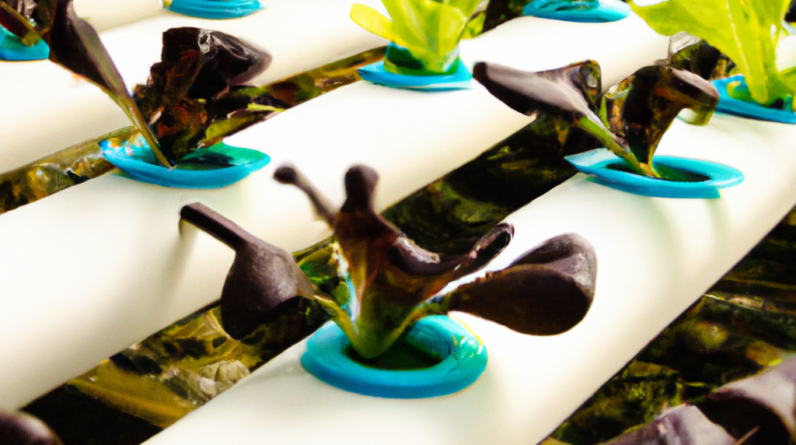
Ready to unlock the secrets of DIY hydroponic gardening? Look no further! In this article, you will discover everything you need to know to get started on your own thriving hydroponic garden. Whether you’re a beginner with a green thumb or an experienced gardener looking to try out a new and exciting method, we’ve got you covered. From choosing the right system to selecting the perfect plants, we’ll guide you through each step of the process. Get ready to grow your own fresh and delicious produce right at home!

Choosing the Right Hydroponic System
Understanding the Different Types of Hydroponic Systems
When it comes to hydroponic gardening, there are several different types of systems to choose from. Each system has its own advantages and disadvantages, so it’s important to understand your options before making a decision.
One popular type of hydroponic system is the deep water culture (DWC) system. This system involves suspending plants in a nutrient-rich solution, with their roots submerged in water. It’s a simple and effective system, but it does require constant monitoring and maintenance to ensure that the oxygen levels in the water are sufficient for the plants.
Another type of hydroponic system is the ebb and flow system. This system involves flooding the growing area with a nutrient solution and then draining it away. It’s a versatile system that can accommodate a wide variety of plant sizes, but it does require a timer to regulate the flooding and draining cycles.
Drip systems are also a popular choice for hydroponic gardening. These systems involve delivering a continuous supply of nutrient solution to the plants through a network of drip emitters. Drip systems are highly customizable and can be adapted to suit the specific needs of different plants.
Aeroponic systems are more advanced and involve misting the roots of the plants with a nutrient-rich solution. This allows for optimal nutrient uptake and oxygenation of the roots, but it requires more precise control over the misting cycles.
Considering the Space and Scale of Your Garden
Before setting up your hydroponic garden, you need to consider the space and scale of your garden. Hydroponic systems can be set up in a variety of spaces, ranging from small indoor setups to large outdoor gardens.
If you have limited space, you might consider setting up a vertical hydroponic garden. This involves utilizing vertical space by stacking plants on top of each other, using specialized vertical growing systems. This can significantly increase your growing capacity without taking up much floor space.
For larger gardens, you might opt for a greenhouse or outdoor setup. Greenhouses allow you to control the climate and create optimal growing conditions for your plants. Outdoor setups, on the other hand, provide natural sunlight and fresh air, but require more careful monitoring and protection against pests and extreme weather conditions.
Determining the Level of Automation
Another important consideration when choosing a hydroponic system is the level of automation you desire. Some hydroponic systems require manual monitoring and adjustment of nutrient levels and water supply, while others offer more automated features.
If you’re just starting out and prefer a more hands-on approach, a simple DIY system that requires regular monitoring and adjustment might be the best choice for you. This will allow you to learn the basics of hydroponic gardening and gain a better understanding of your plants’ needs.
On the other hand, if you’re looking for a more hands-off approach and want to minimize the time and effort spent on maintenance, you might consider investing in a more automated system. These systems often come with built-in sensors and timers that monitor and adjust the nutrient levels, pH, and water supply automatically.
Ultimately, the level of automation you choose will depend on your personal preferences and the amount of time and effort you’re willing to invest in your hydroponic garden.
Evaluating the Cost and Maintenance Requirements
When starting a hydroponic garden, it’s important to consider the cost and maintenance requirements of the system you choose. Different systems have different costs associated with them, both in terms of initial setup and ongoing maintenance.
Simple DIY systems can be constructed using common household materials, which makes them more budget-friendly. However, they may require more manual monitoring and adjustment, which can be time-consuming.
More advanced systems, such as fully automated ones, often come with a higher price tag. These systems may require additional equipment, such as sensors and timers, which can add to the overall cost.
It’s also important to consider the ongoing maintenance requirements of the system. Some systems require regular cleaning, flushing, and replacement of nutrient solutions, while others may require less frequent maintenance.
Before making a decision, it’s a good idea to research and compare the costs and maintenance requirements of different hydroponic systems. This will help you choose a system that fits within your budget and lifestyle.
Setting Up Your Hydroponic Garden
Selecting the Ideal Location
Setting up your hydroponic garden starts with selecting the ideal location. The location you choose will depend on factors such as available space, light exposure, and climate conditions.
Ideally, your hydroponic garden should be located in an area that receives ample sunlight. Most plants require at least six hours of direct sunlight per day, so choose a location with good exposure to the sun. If natural sunlight is limited, you can supplement it with artificial grow lights.
Additionally, consider the temperature and humidity conditions in the chosen location. Most plants thrive in temperatures between 65-75°F (18-24°C) and humidity levels around 40-60%. Avoid areas with extreme temperature fluctuations or high humidity levels, as they can negatively impact plant growth.
It’s also important to choose a location that is easily accessible for maintenance and monitoring. Make sure you have enough space to move around the plants and access the hydroponic system without any obstacles.
Preparing the Growing Area
Once you have selected the ideal location, it’s time to prepare the growing area for your hydroponic garden. Start by clearing the area of any debris or vegetation that could interfere with your plants’ growth.
Next, consider the surface on which you will set up your hydroponic system. For indoor setups, a sturdy table or stand is often the best option. Make sure it can support the weight of the system, plants, and water. Outdoor setups may require additional preparation, such as leveling the ground and creating a stable foundation for the system.
Ensure good drainage by placing a plastic sheet or tray underneath your hydroponic system to catch any excess water. This will prevent water damage to the surface below and allow for easy disposal of excess water.
Assembling the Hydroponic System
With the location and growing area prepared, it’s time to assemble your hydroponic system. Follow the instructions provided by the manufacturer or use a detailed DIY guide to ensure proper assembly.
Start by setting up the main structure of the hydroponic system, whether it’s a deep water culture system, ebb and flow system, drip system, or aeroponic system. Make sure all the components fit together securely and are properly connected.
Once the main structure is in place, you’ll need to install the growing containers or trays. These containers will hold your plants and the growing medium. Ensure that the containers are stable and secure, and that they allow for proper drainage of excess water.
Installing the Nutrient Delivery System
The final step in setting up your hydroponic garden is installing the nutrient delivery system. This system delivers the nutrient-rich solution to your plants, providing them with the essential elements they need to grow.
Depending on the type of hydroponic system you have chosen, the nutrient delivery system can vary. In some systems, such as the deep water culture or ebb and flow systems, the nutrient solution is directly supplied to the growing containers. In others, such as drip systems or aeroponic systems, the solution is delivered through tubes and drip emitters or misters.
Ensure that the nutrient delivery system is properly set up and all connections are secure. Take the time to understand how the system works and how to adjust the nutrient solution levels and flow rate as needed.
Once the nutrient delivery system is installed, you’re ready to move on to the next step: selecting suitable plants for hydroponics.

Selecting Suitable Plants for Hydroponics
Researching Hydroponic-Friendly Plants
When it comes to selecting plants for your hydroponic garden, it’s important to choose varieties that are well-suited for hydroponic growing. Not all plants thrive in a soilless environment, so it’s crucial to do your research and choose plants that have been proven successful in hydroponic systems.
Leafy greens such as lettuce, spinach, and kale are excellent choices for hydroponic gardening. They are relatively easy to grow, have a fast growth rate, and can be harvested multiple times. Herbs like basil, parsley, and mint also do well in hydroponic setups and can add flavor and aroma to your dishes.
Tomatoes, cucumbers, and peppers are popular choices for fruiting plants in hydroponics. They require more space and support due to their larger size, but the rewards can be bountiful with proper care and maintenance.
It’s a good idea to consult reputable sources, such as gardening books or online forums, that provide information on hydroponic-friendly plant varieties. Additionally, consider your personal preferences and the plants you enjoy consuming the most.
Considering Space and Light Requirements
In addition to being hydroponic-friendly, it’s important to consider the space and light requirements of the plants you plan to grow. Different plants have different growth habits and space requirements, so it’s crucial to choose varieties that fit within the constraints of your hydroponic system.
Determine the space available for each plant in your growing containers or trays. Some plants, like lettuce or herbs, require less space and can be grown in smaller containers. Others, such as tomatoes or cucumbers, need more space and support structures to accommodate their growth.
Light is another important factor to consider. Most plants require a certain amount of light to carry out photosynthesis and grow properly. Ensure that your hydroponic system is located in an area that receives sufficient sunlight, or be prepared to supplement with artificial grow lights.
Keep in mind that different plants have different light requirements. Some plants, like leafy greens, can tolerate lower light levels, while others, like fruiting plants, require more intense light. Adjust the height and intensity of your grow lights accordingly to meet the specific needs of each plant.
Identifying Plants with High Yield and Growth Rate
When choosing plants for your hydroponic garden, it’s beneficial to select varieties that have a high yield and fast growth rate. After all, one of the advantages of hydroponics is the ability to grow plants faster and produce more abundant harvests compared to traditional soil-based gardening.
Look for plant varieties that are known for their productivity and vigor. Some lettuce varieties, for example, can be harvested in as little as 3-4 weeks after planting. Cherry tomatoes and certain cucumber varieties also have a high yield potential.
Consider the time frame and goals of your hydroponic gardening project. If you’re looking for quick harvests or aiming to maximize productivity, prioritize plants with a shorter growth cycle and high yield potential. However, don’t forget to balance productivity with variety and taste – choose plants that you and your family will enjoy consuming.
By carefully selecting hydroponic-friendly plants with adequate space and light requirements, you’re setting yourself up for success in your hydroponic garden.
Understanding Essential Hydroponic Materials
Exploring Different Growing Media
In hydroponic gardening, the growing medium serves as a substitute for soil and provides support for the plants’ roots while allowing for proper air and nutrient flow. There are various types of growing media to choose from, each with its own characteristics and suitability for different hydroponic systems.
One common growing medium is perlite. Composed of lightweight volcanic glass, perlite is often mixed with another medium, such as coco coir or vermiculite, to improve its water retention capacity. Perlite provides excellent drainage and aeration for your plants’ roots, preventing waterlogged conditions.
Coco coir, derived from coconut husks, is another popular growing medium. It has excellent moisture retention properties while still allowing for sufficient air circulation. Coco coir is also an environmentally-friendly option, as it is a renewable resource.
Rockwool, made from molten rock spun into fibers, is a widely used growing medium. It retains water well and provides a stable structure for the plants’ roots. Rockwool cubes or slabs can be used to support seedlings or cuttings.
Other growing media, such as clay pebbles, peat moss, or even non-soil options like water-absorbent polymers, can also be suitable for specific hydroponic setups. Research the characteristics and suitability of each growing medium before making a decision.
Choosing the Right Nutrient Solutions
Nutrient solutions are a crucial component of hydroponic gardening, as they provide the essential elements that plants need to grow and thrive. These solutions typically consist of a balanced blend of macronutrients (nitrogen, phosphorus, potassium) and micronutrients (calcium, magnesium, iron, etc.).
When choosing a nutrient solution, it’s important to select one that is specifically formulated for hydroponic gardening. These solutions are designed to provide the optimal balance of nutrients that plants require, without the additional elements found in traditional soil-based fertilizers.
Consider factors such as the growth stage and nutrient requirements of your chosen plants. Some nutrient solutions are formulated for specific stages of plant growth, such as vegetative or flowering. Others are designed for specific types of crops, like leafy greens or fruiting plants.
It’s also a good idea to look for nutrient solutions that are water-soluble and easily absorbed by the plants’ roots. This will ensure that your plants have access to the nutrients they need for healthy growth and development.
Selecting the Appropriate Containers
Choosing the right containers for your hydroponic garden is essential for providing your plants with adequate support and space for root growth. Containers come in various shapes and sizes, and the type you choose will depend on the size and needs of your plants.
For smaller plants or herbs, individual net pots or small plastic containers can be used. These containers allow for easy monitoring and maintenance of individual plants.
For larger plants or fruiting crops, larger containers or trays may be necessary. These containers should provide enough space for the plants’ roots to spread out and have sufficient support structures to accommodate their growth.
Ensure that your chosen containers are food-safe and made from materials that are compatible with hydroponic systems. Avoid containers made from materials that may leach harmful substances into the nutrient solution.
Acquiring Essential Tools and Equipment
To set up and maintain your hydroponic garden, you’ll need a variety of tools and equipment. These tools will help you with tasks such as assembling the hydroponic system, monitoring nutrient levels, and ensuring proper environmental conditions.
Common tools and equipment for hydroponics include pH meters, which are used to measure and adjust the pH level of the nutrient solution. Conductivity meters or TDS meters are used to measure the nutrient concentration in the solution, ensuring that it is within the optimal range for plant growth.
A timer is essential for automated systems, as it allows you to regulate the timing of nutrient delivery and water cycles. Depending on your hydroponic system, you may also need equipment such as air pumps, air stones, or misters to ensure proper oxygenation of the root zone.
Other useful tools can include pruning shears or scissors for plant maintenance, as well as measuring tools for precise nutrient mixing.
Before starting your hydroponic garden, make a list of the necessary tools and equipment for your chosen system. Acquire these items beforehand to ensure a smooth setup and maintenance process.
Providing Adequate Lighting
Understanding the Importance of Light in Hydroponics
Light is a crucial factor in hydroponic gardening, as it serves as the primary source of energy for photosynthesis. In the absence of natural sunlight, it’s important to provide artificial lighting that can meet the plants’ light requirements.
Plants use light in different spectrums for different stages of growth. During the vegetative stage, plants require higher levels of blue light to support leafy growth and overall plant development. In the flowering or fruiting stage, red light becomes more important to stimulate flower and fruit production.
The amount of light needed by your plants will depend on the specific varieties you’re growing. Leafy greens and herbs often require lower light levels than fruiting plants, which tend to have higher light requirements.
Choosing the Right Type of Grow Lights
When it comes to artificial lighting for hydroponic systems, there are several options to choose from. The most commonly used types of grow lights are fluorescent, high-intensity discharge (HID), and light-emitting diode (LED) lights.
Fluorescent lights, such as T5 or compact fluorescent lamps (CFLs), are a cost-effective option for small-scale hydroponic gardens or for growing seedlings and young plants. They provide a broad spectrum of light that is suitable for most plants’ needs. However, fluorescent lights have limited intensity and may not be suitable for larger, more light-demanding plants.
HID lights, such as metal halide (MH) or high-pressure sodium (HPS) lights, emit a stronger, more intense light that is suitable for larger-scale hydroponic systems or plants with higher light requirements. MH lights emit more blue light, which promotes vegetative growth, while HPS lights emit more red light, which promotes flowering and fruiting.
LED lights have gained popularity in recent years due to their energy efficiency and versatility. LED grow lights can be customized to emit specific spectra of light, allowing for precise control over the lighting conditions. They also produce less heat, reducing the risk of heat damage to the plants.
When choosing grow lights, consider factors such as the specific light requirements of your plants, the size of your hydroponic system, and your budget. It’s also important to calculate the proper lighting intensity and duration to ensure optimal plant growth.
Calculating the Proper Lighting Intensity and Duration
To provide the proper lighting intensity and duration for your hydroponic plants, it’s important to calculate the specific requirements of each plant variety based on its growth stage.
Light intensity is typically measured in foot-candles or lux. Different plants have different light intensity requirements at different stages of growth. A general guideline is to provide around 20-40 foot-candles (200-400 lux) for seedlings and young plants, and increase the intensity to 50-80 foot-candles (500-800 lux) for mature and fruiting plants.
The duration of light exposure, or photoperiod, also depends on the growth stage of your plants. Most plants require around 14-16 hours of light per day during the vegetative stage, and 10-12 hours of light per day during the flowering or fruiting stage. However, it’s important to research the specific light requirements of your chosen plant varieties, as some may have different needs.
Using a timer for your grow lights can help you automate the lighting schedule and ensure consistent light exposure for your plants. Set the timer to turn the lights on and off at the appropriate intervals.
Regularly monitor your plants’ response to the lighting conditions and adjust the intensity and duration as needed. This will help you optimize the growth and productivity of your hydroponic garden.
Monitoring and Maintaining Nutrient Levels
Understanding the Role of Nutrients in Hydroponics
Nutrients are one of the key components that enable plants to grow and thrive in a hydroponic system. In hydroponics, nutrients are provided in the form of a nutrient-rich solution that is delivered directly to the plants’ roots.
The three primary macronutrients that plants require for healthy growth are nitrogen (N), phosphorus (P), and potassium (K). These macronutrients play different roles in plant development, such as promoting leafy growth, root development, and flower and fruit production.
In addition to the macronutrients, plants also require various micronutrients, such as calcium (Ca), magnesium (Mg), iron (Fe), and others. These micronutrients are essential for specific enzymatic processes and overall plant health.
Maintaining appropriate nutrient levels is crucial for healthy plant growth. Too little or too much of certain nutrients can have detrimental effects on your plants. Monitoring and adjusting the nutrient levels in your hydroponic system is therefore an important part of maintaining a successful garden.
Testing and Adjusting pH Levels
In addition to nutrient levels, the pH level of the nutrient solution is another important factor to monitor in hydroponics. pH is a measure of the acidity or alkalinity of a solution and can significantly affect nutrient uptake by plants.
Most plants prefer a slightly acidic pH level, around 5.5-6.5. At this pH range, the availability of essential nutrients to the plants is maximized. However, different plants have different pH requirements, so it’s important to research the optimal pH range for the specific varieties you’re growing.
Regularly test the pH level of your nutrient solution using a pH meter or test kit. Adjust the pH level as needed by adding pH-up or pH-down solutions to raise or lower the pH, respectively. Follow the instructions provided by the manufacturer and make gradual adjustments to avoid sudden pH swings that could stress the plants.
It’s a good idea to monitor the pH level daily during the initial setup and as needed throughout the plant’s growth cycle. This will ensure that your plants have access to the nutrients they need and can avoid nutrient deficiencies or toxicities caused by pH imbalances.
Measuring and Balancing Nutrient Concentrations
In addition to pH, it’s important to monitor and balance the nutrient concentrations in your hydroponic system. Nutrient concentrations are typically measured using a TDS (total dissolved solids) meter or conductivity meter, which measures the electrical conductivity of the solution.
Different plants have different nutrient requirements at different stages of growth. The nutrient concentration is usually expressed in parts per million (ppm) or electrical conductivity units (EC). Research the optimal nutrient ranges for the specific varieties you’re growing and adjust the nutrient concentration accordingly.
Start by following the recommended nutrient concentration guidelines provided by the manufacturer of your nutrient solution. Monitor the nutrient levels regularly and make adjustments as needed based on the growth stage and performance of your plants.
Avoid nutrient imbalances by providing a balanced blend of the essential macronutrients and micronutrients. Nutrient deficiencies or excesses can lead to stunted growth, nutrient lockout, or other problems. Use reputable sources or consult hydroponic experts for guidance on nutrient management.
Implementing Regular Flushing and Cleaning Procedures
To ensure the long-term health and productivity of your hydroponic garden, it’s important to implement regular flushing and cleaning procedures. These practices help maintain a clean and balanced growing environment, prevent the buildup of salts or residues, and reduce the risk of disease or pest infestations.
Flushing involves periodically replacing the nutrient solution with fresh, clean water. This helps remove any excess salts or mineral buildup that can accumulate in the growing media or within the hydroponic system over time. Flushing can also help correct nutrient imbalances or pH fluctuations.
The frequency of flushing will depend on factors such as the type of hydroponic system, the size of your plants, and the concentration of nutrients in the solution. As a general guideline, flushing once every 1-2 weeks is recommended. However, monitor your plants’ response and adjust the flushing frequency as needed.
Regular cleaning is also important to prevent the growth of algae or the accumulation of organic matter that can clog or interfere with the functioning of your hydroponic system. Clean the growing containers or trays, nutrient reservoir, and any equipment regularly using mild, non-toxic cleaning solutions. Rinse thoroughly to remove any cleaning residues before refilling with fresh nutrient solution.
By implementing regular flushing and cleaning procedures, you’ll ensure optimal nutrient availability for your plants and reduce the risk of nutrient imbalances or system malfunctions.
Managing Watering and Irrigation
Determining the Ideal Watering Frequency
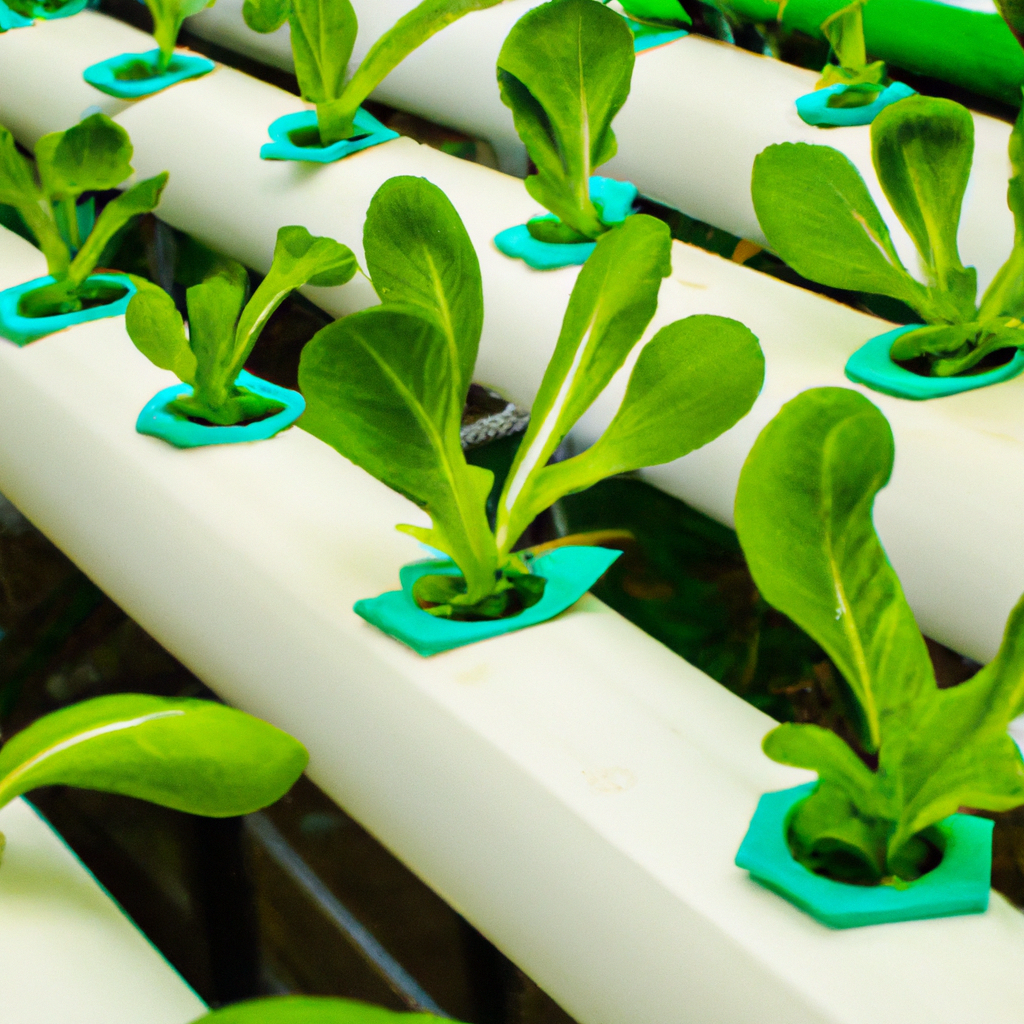
In hydroponic gardening, determining the ideal watering frequency is crucial for maintaining the right moisture levels for your plants’ roots. The frequency of watering will depend on several factors, including the size and type of your hydroponic system, the specific varieties you’re growing, and the environmental conditions.
As a general rule, it’s important to avoid overwatering or allowing the growing medium to become waterlogged, as this can suffocate the roots and lead to root rot or other problems. On the other hand, you don’t want the root zone to dry out, as this can cause stress to the plants and negatively impact their growth.
Start by monitoring the moisture levels in the growing medium. Depending on the type of growing medium you’re using, this can be done by visually inspecting the medium or using a moisture meter.
Ideally, the growing medium should be moist but not saturated. Allow the top layer of the growing medium to dry out slightly before watering again. The exact frequency will depend on factors such as the type of growing medium, the size of the containers, and the needs of your plants. Monitor the response of your plants and adjust the watering frequency as needed.
Implementing a Timed Irrigation System
To ensure consistent and efficient watering of your hydroponic garden, it’s recommended to implement a timed irrigation system. This system will automatically deliver the nutrient solution to your plants at regular intervals, saving you time and effort.
A timed irrigation system typically consists of a pump, tubing, and drip emitters or misters. The pump is connected to a timer, which controls the activation and duration of the irrigation cycles. The tubing is used to distribute the nutrient solution to the plants, and the drip emitters or misters deliver the solution directly to the root zone.
Calculate the appropriate irrigation intervals based on the moisture levels of your growing medium and the water requirements of your plants. Experiment with different timings to determine the optimal duration and frequency. Factors such as the size of your plants, the temperature and humidity in your growing area, and the size of the containers will influence the irrigation needs.
Regularly monitor the performance of your timed irrigation system and adjust the settings as needed. The goal is to maintain a consistent moisture level in the growing medium while avoiding waterlogged conditions.
Monitoring Water Quality and Quantity
In addition to monitoring watering frequency, it’s important to regularly monitor the quality and quantity of the water used in your hydroponic system. The quality of water can have a significant impact on the health and productivity of your plants.
Start by using clean, preferably filtered or dechlorinated water for your hydroponic system. Chlorine and other chemicals commonly found in tap water can be harmful to the beneficial microorganisms in the growing medium and can negatively affect nutrient uptake.
Monitor the pH and nutrient concentration of your water source regularly to ensure it is within the appropriate range for hydroponic gardening. Adjust the pH and nutrient levels as needed before adding the water to your system.
Regularly check the water levels in the nutrient reservoir to ensure that there is an adequate supply for your plants. Avoid letting the reservoir run dry, as this can lead to stress and health issues for your plants.
To maintain optimal water quality, consider implementing a water filtration or purification system. This can help remove impurities, minerals, or pathogens that could negatively impact your plants’ growth.
By monitoring and managing the watering, water quality, and quantity in your hydroponic system, you’ll ensure that your plants have a consistent supply of clean, well-balanced water for healthy growth.
Controlling Climate and Environmental Factors
Maintaining Optimal Temperature and Humidity
Maintaining optimal temperature and humidity levels in your hydroponic garden is essential for the healthy growth of your plants. Different plants have different temperature and humidity requirements, so it’s important to research the specific needs of your chosen varieties.
In general, most plants thrive in temperatures between 65-75°F (18-24°C). Extremes in temperature, such as prolonged exposure to temperatures above 85°F (29°C) or below 55°F (13°C), can adversely affect plant growth and development.
Maintain proper airflow, ventilation, and insulation in your growing area to regulate temperature. Use ventilation fans to circulate air and remove excess heat. Insulate the area if necessary to protect from temperature fluctuations.
Humidity levels also play a crucial role in plant health. Most plants prefer humidity levels between 40-60%. Higher humidity levels can promote the growth of mold, mildew, or pathogens, while lower humidity levels can lead to excessive transpiration and stress on the plants.
Use a hygrometer or humidity sensor to monitor the humidity levels in your hydroponic garden. Adjust humidity levels by using dehumidifiers or humidifiers if necessary. Good air circulation and ventilation can also help control humidity levels.
Providing Sufficient Ventilation and Air Circulation
Sufficient ventilation and air circulation are important factors in maintaining a healthy hydroponic garden. Good air movement helps prevent the buildup of heat, humidity, or stagnant air, which can lead to disease, mold, or insect issues.
Ensure that your growing area has adequate ventilation by using fans or exhaust systems to circulate fresh air and remove stale air. Position the fans strategically to create a gentle breeze and prevent excessive airflow that could damage delicate plants.
Consider the size and power of the fans in relation to the size of your growing area. Large or enclosed spaces may require more powerful fans or additional ventilation systems to maintain proper air circulation.
Air circulation is particularly important for plants with dense foliage or in humid environments. Gentle air movement around the plants’ leaves can help prevent the development of fungal diseases and promote transpiration, which aids in nutrient uptake and overall plant health.
Monitor the temperature, humidity, and air quality in your growing area regularly to ensure that the ventilation and air circulation systems are effectively maintaining optimal conditions for your plants.
Addressing Pest and Disease Control Measures
Controlling pests and diseases is an ongoing challenge in any garden, including hydroponic systems. However, the controlled environment of a hydroponic garden can help reduce the risk of certain pests or diseases compared to traditional soil-based gardens.
Prevention is key when it comes to pest and disease control in hydroponics. Implementing strict hygiene practices, such as regularly cleaning and sanitizing your hydroponic system, can help prevent the introduction and spread of pests and pathogens.
Monitor your plants regularly for signs of pests, such as aphids, mites, or whiteflies, as well as signs of disease, such as leaf spots or wilting. Early detection and intervention are crucial for effective pest and disease control.
Consider using biological controls, such as beneficial insects or predatory mites, to naturally control pests in your hydroponic garden. These natural enemies can provide effective pest control without the use of harmful pesticides.
If necessary, use organic or low-toxicity pesticides or fungicides to control pests or diseases. Always follow the instructions provided by the manufacturer and use these products with caution to minimize any negative impact on your plants or the environment.
Maintain a clean and well-organized growing area, remove any dead or diseased plant material promptly, and dispose of it properly. Regularly monitor the health of your plants and take immediate action if any issues arise.
By implementing proactive pest and disease control measures and maintaining a healthy growing environment, you’ll be able to enjoy a vibrant and pest-free hydroponic garden.
Maintaining Proper Plant Support
Understanding the Importance of Plant Support
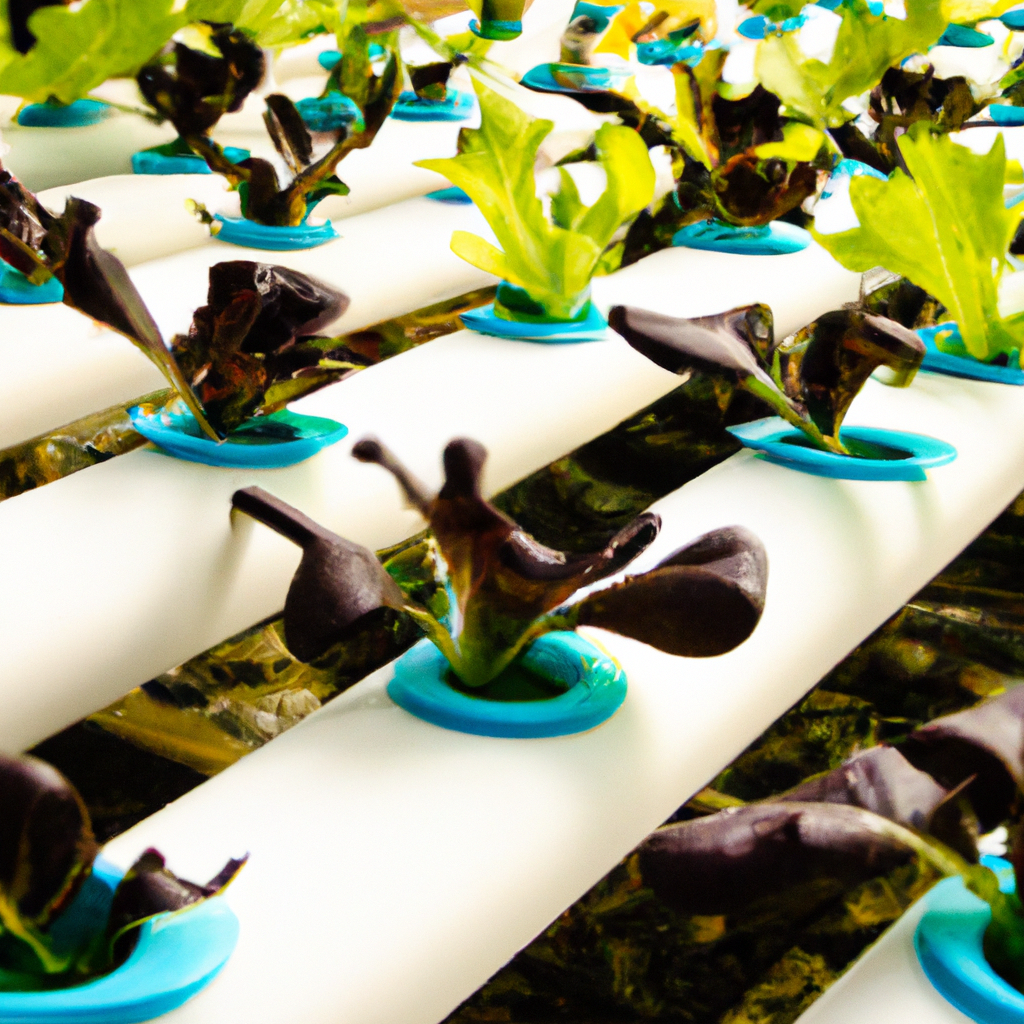
Proper plant support is essential in hydroponic gardening, as it helps ensure that your plants grow upright and have the necessary support to carry their weight as they mature. Without proper support, plants in hydroponics can become weak, tangled, or fall over, leading to reduced yield or plant damage.
The type of plant support you choose will depend on the growth habit, size, and weight of your plants. Some plants, such as lettuce or herbs, may require minimal support, while others, such as tomatoes or cucumbers, require more robust support systems.
Providing adequate plant support can also improve air circulation and light penetration, reducing the risk of disease and ensuring proper nutrient uptake.
Choosing the Suitable Plant Support Systems
When it comes to plant support systems in hydroponics, there are several options to choose from, depending on the needs of your plants and the size of your garden.
For smaller plants or those with minimal support requirements, individual stakes or trellises can be used. These supports will help keep the plants upright and prevent them from falling over.
For larger plants or those with heavier fruits, more robust support systems may be necessary. Tomato cages or cages made from wire mesh are commonly used to provide support for fruiting plants like tomatoes or cucumbers. These cages help keep the plants upright and prevent them from sprawling on the ground.
Grow bags, net pots, or specialized plant support systems can also be used to provide support for multiple plants or vine-like crops. These systems typically involve the use of netting, strings, or clips to keep the plants upright and properly spaced.
Evaluate the growth habit and support requirements of your chosen plants before selecting a plant support system. Consider the aesthetics, functionality, and adjustability of the support system to ensure it fits within your hydroponic garden.
Implementing Training and Pruning Techniques
To further enhance the growth and productivity of your hydroponic plants, implementing training and pruning techniques can be beneficial. These techniques help shape and direct the growth of the plants, optimize the use of space and light, and ensure better nutrient distribution.
Training involves gently guiding the plants’ growth by attaching them to the plant support system. This helps promote a more upright growth habit and prevents the plants from sprawling or tangling with one another. Use soft plant ties or clips that won’t damage or restrict the plants’ growth.
Pruning involves removing unwanted or excessive growth, such as side shoots or lower leaves. Pruning can help improve air circulation, increase light penetration, and reduce the risk of disease by removing areas where pests or pathogens can thrive.
Regularly inspect your plants for any signs of overcrowding, tangling, or excessive foliage. Use sharp, clean pruning shears or scissors to carefully remove any unwanted growth. Be cautious not to over-prune or remove too much foliage, as this could stress the plants.
Remember to research and follow proper training and pruning techniques specific to the plants you’re growing. Different plants have different growth habits and requirements, so adjust your techniques accordingly.
By implementing proper plant support, training, and pruning techniques, you’ll help your hydroponic plants grow upright and optimize their growth potential.
Harvesting and Post-Harvest Care
Determining the Right Time to Harvest
Timing is crucial when it comes to harvesting your hydroponic crops. Harvesting too early may result in underdeveloped or immature produce, while harvesting too late can lead to overripe or flavorless fruits and vegetables.
Research the specific varieties you’re growing to determine the optimal harvest time. Look for visual cues such as color changes or size indicators. Some crops, like lettuce or herbs, can be harvested multiple times by selectively removing outer leaves or stems.
Use harvesting tools such as pruning shears or scissors to carefully cut or remove the mature produce. Be gentle to avoid damaging the plants’ remaining parts or nearby fruits.
Properly Handling and Storing Harvested Produce
Once your hydroponic produce is harvested, it’s important to handle and store it properly to maximize its shelf life and maintain its quality.
Gently clean the harvested produce by rinsing it with clean, filtered water to remove any dirt or debris. Avoid using detergents or other cleaning agents, as they may leave residues or affect the taste of the produce.
If needed, trim off any damaged or bruised parts before storing. This will help prevent the spread of decay or disease to other parts of the produce.
For leafy greens or herbs, consider the hydroponic gardening method known as “cut and come again.” This involves selectively harvesting the outer leaves while leaving the central growth point intact. This method allows the plants to re-grow and produce multiple harvests.
Store the harvested produce in a cool, well-ventilated area away from direct sunlight. Some crops may require refrigeration to maintain freshness and prevent spoilage.
Monitor the stored produce regularly and remove any damaged or spoiled parts promptly to prevent the spread of rot or mold.
Cleaning and Maintaining the Hydroponic System
After harvest, it’s important to clean and maintain your hydroponic system to prepare for the next growing cycle. Maintaining a clean and well-maintained system will help prevent disease, minimize nutrient imbalances, and ensure optimal plant growth.
Start by removing any residual plant material, spent growing media, or roots from the growing containers or trays. This will help prevent the buildup of organic matter that can contribute to disease or clogging in the system.
Thoroughly clean all the components of your hydroponic system, including the growing containers, nutrient reservoir, pumps, tubing, and any other equipment. Use a mild, non-toxic cleaning solution and rinse thoroughly to remove any cleaning residue.
Inspect the system for any signs of wear or damage and make any necessary repairs or replacements. This will help ensure that your hydroponic system is in good working condition for the next growing cycle.
Properly store any unused or excess equipment or supplies in a clean and dry area, ready for future use.
By following proper harvesting and post-harvest care practices, as well as regularly cleaning and maintaining your hydroponic system, you’ll ensure the long-term success and productivity of your hydroponic garden.
In conclusion, starting a DIY hydroponic garden requires careful consideration of various factors, from choosing the right hydroponic system to selecting suitable plants, understanding essential materials, providing adequate lighting, monitoring nutrient levels, managing watering and irrigation, controlling climate and environmental factors, maintaining proper plant support, and implementing proper harvesting and post-harvest care.
By carefully following the steps outlined in this comprehensive article, you’ll be well-equipped to start your own successful hydroponic garden and enjoy the benefits of fresh, homegrown produce year-round.


