


So you’ve got a green thumb and a craving for some delicious, homegrown root vegetables? Well, look no further because we’ve got the solution for you: hydroponics! Yes, you heard it right – hydroponics for root vegetables. In this article, we’ll explore how you can grow your favorite root veggies using the fascinating technique of hydroponics. Say goodbye to traditional soil gardening and get ready to embark on a unique and innovative journey into the world of hydroponic gardening. Whether you’re a seasoned gardener or just starting out, this method is sure to revolutionize the way you grow and enjoy your root vegetables. So, let’s dig in and see how hydroponics can transform your gardening experience!
Choosing Root Vegetables for Hydroponics
Growing root vegetables hydroponically offers several advantages. First, it allows you to have more control over the growing conditions, resulting in healthier and more productive crops. Second, hydroponics reduces the risk of diseases and pests often associated with traditional soil-based cultivation. Finally, hydroponics enables you to grow root vegetables year-round, regardless of external environmental conditions.
When it comes to selecting root vegetables for hydroponics, there are a few common options to consider. Carrots are a popular choice, known for their sweet and crunchy taste. Beets also thrive in hydroponic systems and provide a vibrant addition to your plate. Radishes are quick-growing and can be harvested in just a few weeks, making them an ideal choice for beginners. Other root vegetables that can be grown hydroponically include turnips, onions, and garlic.
It’s important to consider the specific requirements of each root vegetable variety when choosing what to grow in your hydroponic system. Some varieties may prefer cooler temperatures, while others thrive in warmer conditions. Additionally, certain root vegetables may have different nutrient requirements or growth rates. By understanding these considerations, you can select and tailor your hydroponic system to the needs of your chosen root vegetables.
Setting up a Hydroponic System for Root Vegetables
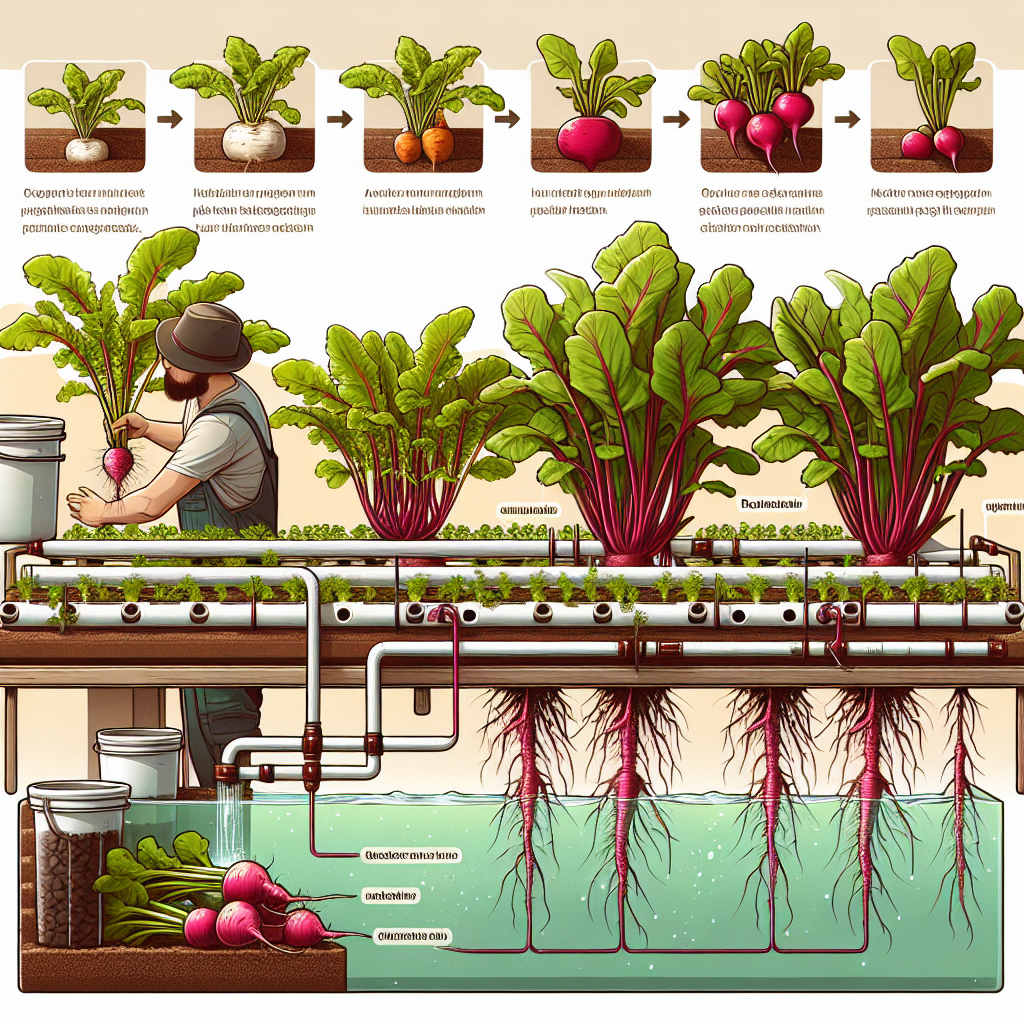
There are several types of hydroponic systems that are suitable for growing root vegetables. One common option is the nutrient film technique (NFT) system, which involves a continuous shallow flow of nutrient-rich water over the plant roots. Another popular choice is the deep water culture (DWC) system, where the roots are suspended in a nutrient solution. Additionally, vertical or tower systems can be used to maximize space utilization.
To set up a hydroponic system for root vegetables, you will need a few essential components. These include a reservoir to hold the nutrient solution, a pump to circulate the solution, and a growing medium to support the root structure. Some common growing mediums for root vegetables include perlite, coconut coir, or expanded clay pellets. Additionally, you will need appropriate lighting, such as LED grow lights, to provide the necessary spectrum for plant growth.
Creating a suitable growing environment is crucial for the success of your hydroponic system. Root vegetables generally prefer a slightly acidic pH, ranging from 6.0 to 6.5. Monitoring and adjusting the pH levels regularly will ensure optimal nutrient uptake. Temperature and humidity should also be controlled within the recommended range for each specific root vegetable variety. Adequate air circulation and ventilation are important to prevent the buildup of excessive moisture and the growth of mold or fungi.
Preparing the Nutrient Solution
Understanding the nutrient requirements of root vegetables is essential for preparing a balanced nutrient solution. Typically, root vegetables require a higher concentration of macronutrients, such as nitrogen (N), phosphorus (P), and potassium (K), compared to other leafy greens. However, it is important not to overfeed the plants, as this can result in nutrient imbalances or even toxicity.
Choosing the right nutrient solution is crucial for the healthy growth of your root vegetables. Many commercially available hydroponic nutrient solutions are formulated specifically for root crops. These solutions contain the right balance of essential nutrients and trace elements needed for optimal growth. Make sure to follow the manufacturer’s instructions when mixing the nutrient solution to ensure accuracy and consistency.
Mixing and adjusting the nutrient solution should be done with care to avoid nutrient deficiencies or excesses. It’s essential to regularly monitor the nutrient levels in your system using a conductivity meter or electrical conductivity (EC) meter. Adjustments can be made by adding or diluting the nutrient solution until the desired EC level is reached. Periodically flushing the system with plain water can prevent nutrient buildup and maintain a healthy growing environment.
Germinating Seeds for Hydroponic Root Vegetables
Choosing high-quality seeds is crucial for successful germination and healthy plant growth. Look for seeds from reputable suppliers or choose heirloom varieties that are well-suited for hydroponic cultivation. Ensuring that the seeds are fresh and have a high germination rate will greatly increase your chances of success.
Pre-germination techniques can help improve the germination rates of root vegetables. Soaking the seeds in water for a few hours or overnight can soften the seed coat and promote quicker germination. Some hydroponic growers also use techniques like scarification or stratification to enhance germination rates. Following the specific pre-germination recommendations for each root vegetable variety will increase the likelihood of successful seed germination.
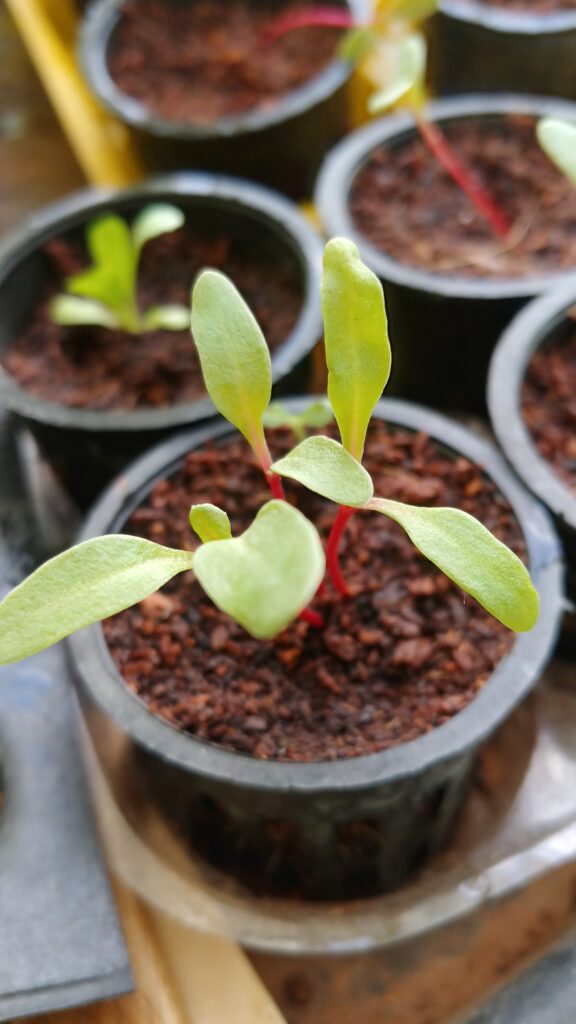
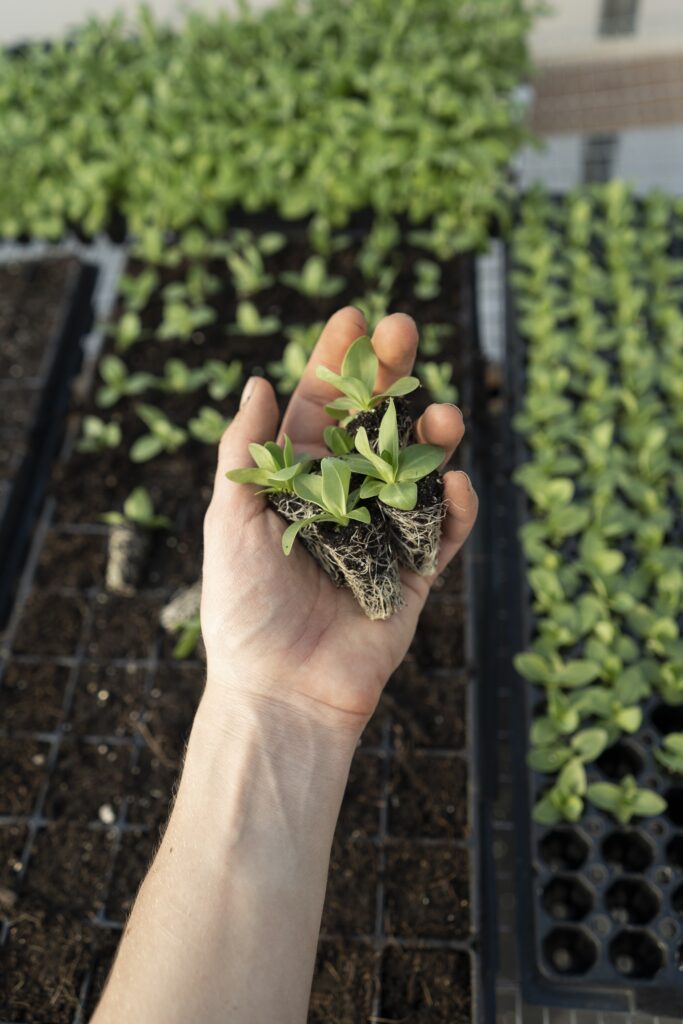
Once the seeds have germinated, it’s important to transplant them into the hydroponic system carefully. Gently remove the seedlings from the germination medium, being careful not to damage the delicate root system. Place the seedling into the growing medium in your hydroponic system, ensuring that the roots are in direct contact with the nutrient solution. Be mindful of the spacing requirements for each root vegetable variety to prevent overcrowding as the plants grow.

Maintaining the Hydroponic System
Regular monitoring of water and nutrient levels is essential for maintaining a healthy hydroponic system. Check the water reservoir regularly and top it up as needed to ensure an adequate supply for the plants. Also, monitor the nutrient levels using an EC meter and make adjustments as necessary to maintain optimal nutrient concentrations.
pH and EC levels should be regularly checked and managed to ensure optimal nutrient uptake. pH levels that are too high or too low can impede nutrient absorption and lead to nutrient deficiencies. Adjustments can be made using pH up or pH down solutions to bring the pH within the ideal range for root vegetables.
To prevent and treat common hydroponic issues, it’s important to maintain good hygiene in your system. Regularly clean and sanitize the system components to prevent the buildup of algae, bacteria, or pathogens. Providing adequate air circulation and ventilation can help prevent the development of fungal diseases. Properly maintaining your hydroponic system will help ensure the optimal growth of your root vegetables.
Providing Optimal Growing Conditions for Root Vegetables
Root vegetables have specific temperature and humidity requirements for optimal growth. Generally, root vegetables prefer temperatures between 60-75°F (15-24°C). Cooler temperatures can promote sweeter flavors in crops like carrots and beets. However, be mindful of extreme temperature fluctuations, as they can stress the plants and affect their growth.
Lighting plays a crucial role in root vegetable growth, as it influences their development and flavor. While root vegetables do not require as much light as leafy greens, they still require around 12-16 hours of light per day. Low-intensity LED grow lights are an excellent choice for providing the necessary spectrum for root vegetable growth. Be sure to position the lights at an appropriate distance from the plants to avoid excessive heat or light burn.
Proper air circulation and ventilation are essential for preventing the buildup of excessive moisture and reducing the risk of fungal diseases. Fans can be used to promote air movement within the growing area, while vents or exhaust systems can help remove hot or stagnant air. Maintaining the ideal humidity levels can be achieved through the strategic use of humidifiers or dehumidifiers, depending on your specific environmental conditions.
Harvesting and Storing Hydroponic Root Vegetables
Determining the right time to harvest your hydroponic root vegetables is crucial for achieving optimal flavor and texture. Each root vegetable variety has specific signs to look for when it comes to harvest readiness. Carrots are typically ready when their roots have reached their desired size and color. Beets can be harvested when they have reached a suitable size, usually around 1-3 inches in diameter. Radishes are ready for harvest when their roots are firm and have reached the desired size.
Harvesting root vegetables from a hydroponic system requires careful handling to prevent damage to the delicate roots. Gently loosen the growing medium around the plant and carefully lift the root out of the system. Trim off any excess foliage, leaving only a small amount of greens attached to the root for easier storage.
Proper storage methods are essential for maintaining the freshness and flavor of your hydroponically grown root vegetables. Remove any excess soil or growing medium from the roots and store them in a cool, dark place, such as a cellar or refrigerator. Some root vegetables can also be stored in containers filled with moist sawdust or sand to retain their freshness for longer periods.
Troubleshooting Common Challenges in Hydroponic Root Vegetable Cultivation
Root rot prevention and treatment are important considerations for hydroponic root vegetable cultivation. To prevent root rot, ensure that your hydroponic system has adequate drainage and oxygenation. Regularly inspect the roots for signs of rot or discoloration and treat any affected plants promptly. Measures such as adjusting the nutrient solution concentration and avoiding overwatering can help prevent and mitigate root rot.
Nutrient deficiencies and excesses can affect the growth and health of your root vegetables. Monitoring the nutrient levels using an EC meter can help identify any imbalances. Common deficiencies include a lack of nitrogen, phosphorus, or potassium, which can be adjusted by adding appropriate nutrient solutions. Excessive nutrient levels can lead to nutrient burn or toxicity, so it’s important to closely monitor and adjust nutrient concentrations accordingly.
Controlling pests and diseases in a hydroponic system is crucial for the health and productivity of your root vegetables. Regularly inspect the plants for signs of pests, such as aphids, spider mites, or fungal diseases. Introducing beneficial insects or using organic pest control methods can help manage pest populations. Proper cleanliness and hygiene practices, such as regular disinfection of equipment, can also prevent the spread of diseases in your hydroponic system.
Benefits of Growing Root Vegetables Hydroponically
Growing root vegetables hydroponically offers several benefits, including the conservation of water and space. Hydroponic systems use up to 90% less water compared to traditional soil-based cultivation, making them a more sustainable option. Additionally, hydroponics allows for vertical gardening, maximizing space utilization and enabling you to grow more root vegetables in a smaller area.
Another advantage of hydroponics is the reduced dependence on external environmental conditions. With hydroponics, you have better control over temperature, humidity, and lighting, enabling you to grow root vegetables year-round regardless of the climate. This eliminates the limitations imposed by weather and allows for a continuous supply of fresh vegetables.
Comparison with Soil-based Cultivation
There are several differences between hydroponic and soil-based cultivation when it comes to growing root vegetables. One key difference is the availability and delivery of nutrients. In soil-based cultivation, root vegetables extract nutrients from the soil. In hydroponics, the nutrients are directly delivered to the roots via the nutrient solution, providing a more efficient and precise method of nutrient delivery.
Advantages of hydroponic systems for root vegetable cultivation include better control over growing conditions, reduced risk of diseases and pests, and higher yields. However, hydroponics also has some disadvantages to consider. It requires initial investment in equipment and setup, and there is a learning curve associated with managing the nutrient solution and maintaining the system. Additionally, power outages or equipment failures can have a more immediate impact on hydroponic systems compared to soil-based cultivation.
When choosing between hydroponics and soil-based cultivation for root vegetables, consider your specific needs and resources. Hydroponics is a great option for those who prioritize control, efficiency, and year-round production. Soil-based cultivation may be a better fit for those who have ample space for traditional gardening or prefer a more hands-off approach to growing. Ultimately, the choice depends on your individual circumstances and goals.


