


Imagine a world where agriculture is not bound by geographic limitations, where fresh produce can be grown in abundance regardless of the climate or location. Large scale hydroponic system setups have the potential to revolutionize the way we approach food production, offering a sustainable and efficient solution to meet the increasing demand for high-quality crops. In this article, we will delve into the exciting possibilities and benefits of these innovative systems, exploring how they can pave the way for a greener and more food-secure future.
Benefits of Large Scale Hydroponic System Setups
Increased Crop Yield
One of the major benefits of large scale hydroponic system setups is the potential for significantly increased crop yield. Hydroponics allows plants to receive a consistent and precise supply of nutrients, water, and light, which optimizes their growth and productivity. Unlike traditional soil-based agriculture, where plants have to compete for nutrients and water, hydroponics provides an ideal environment for plants to thrive. This controlled environment allows plants to grow faster and produce higher yields compared to traditional methods.
Water Efficiency
Large scale hydroponic systems are known for their water efficiency. In traditional agriculture, a significant amount of water is lost due to evaporation, runoff, and inefficient irrigation methods. However, hydroponics uses a recirculating system that allows for the reuse of water, minimizing water wastage. Furthermore, hydroponics systems can be designed to deliver water directly to the plant roots, reducing water loss through evaporation. Overall, hydroponics can achieve water savings of up to 90% compared to conventional farming methods, making it a sustainable solution for water-scarce regions.
Reduced Environmental Impact
Another important benefit of large scale hydroponic system setups is their reduced environmental impact. Traditional agriculture practices often result in soil erosion, water pollution from chemical fertilizers, and greenhouse gas emissions. In contrast, hydroponics eliminates the need for soil, reducing soil degradation and erosion. Additionally, hydroponic systems use fewer chemical inputs, such as pesticides and herbicides, minimizing water pollution and environmental contamination. Moreover, hydroponics can be implemented in urban areas, reducing the transportation distance of food and the associated carbon emissions.
Components of Large Scale Hydroponic System Setups
Growing Media
In hydroponics, the growing media serves as a support structure for the plant roots. Commonly used growing media include perlite, vermiculite, coconut coir, and expanded clay pellets. The choice of growing media depends on factors such as water retention, aeration, and pH stability. The media should allow for proper drainage, ensuring that the plants’ roots receive adequate oxygen and nutrients.
Nutrient Solution
The nutrient solution is a vital component of large scale hydroponic systems as it provides plants with the necessary minerals and nutrients for growth. The solution consists of a carefully balanced mixture of essential elements, including nitrogen, phosphorus, potassium, and various trace minerals. These nutrients are dissolved in water and delivered to the plant roots through the hydroponic system. Maintaining the proper nutrient balance is crucial to ensure optimal plant growth and prevent nutrient deficiencies or toxicities.
Watering System
A reliable watering system is essential for large scale hydroponic system setups. Different types of watering systems can be used, such as drip irrigation, ebb and flow systems, or nutrient film technique (NFT) systems. The watering system must deliver the nutrient solution to the plant roots effectively, ensuring that each plant receives an adequate supply. Proper timing and frequency of watering are crucial to prevent waterlogged conditions or drought stress.
Lighting
Since hydroponics can be implemented indoors or in controlled environments, artificial lighting is often used to supplement or replace natural sunlight. LED lights are commonly used in large scale hydroponic system setups due to their energy efficiency and customizable light spectrum. The lighting system should provide the right intensity and duration of light to support photosynthesis and promote healthy plant growth. By adjusting the light spectrum, growers can optimize plant growth at different stages of development.
Climate Control
Maintaining optimal environmental conditions is vital for large scale hydroponic systems. Temperature, humidity, and CO2 levels should be carefully controlled to create an ideal environment for plant growth. Automated systems can be used to monitor and adjust these parameters, ensuring that plants are not subjected to extreme conditions. Climate control systems can include air conditioning, ventilation, heating, and dehumidification to maintain stable conditions throughout the growing area.
Monitoring and Automation
Monitoring and automation play a crucial role in large scale hydroponic system setups. Sensors and monitoring devices can be installed to track environmental parameters, nutrient levels, and plant health indicators. This data can be analyzed to make informed decisions regarding nutrient adjustments, irrigation timing, and environmental control. Automation systems can also be implemented to regulate various aspects of the hydroponic system, reducing labor requirements and ensuring consistent operations.

Design Considerations for Large Scale Hydroponic System Setups
Layout and Space Utilization
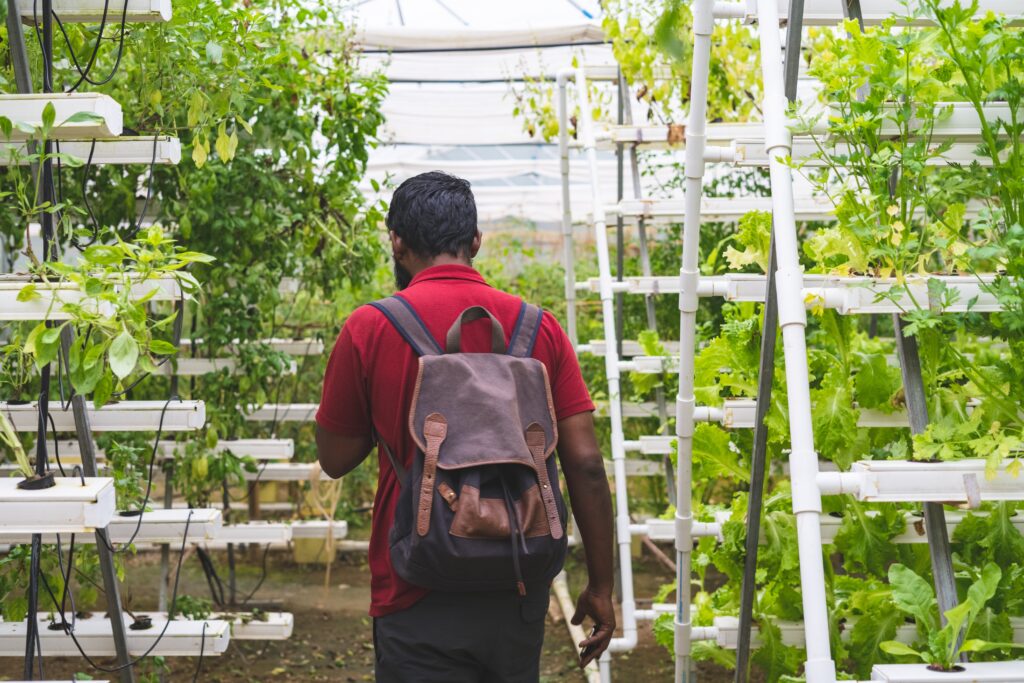
When designing a large scale hydroponic system setup, careful consideration must be given to the layout and space utilization. Maximizing growing area while maintaining efficient workflow is essential. The arrangement of the growing beds, walkways, and access points should be optimized to minimize wasted space while ensuring ease of maintenance and harvesting. Vertical farming techniques can be utilized to further enhance space utilization by stacking growing beds or utilizing vertical growing structures.
Scaling Up Production
Large scale hydroponic systems are designed with scalability in mind. The infrastructure and equipment should be planned to accommodate future expansion and increased production capacity. Proper planning for scaling up production ensures that the system can adapt to market demands and maximize profitability. Considerations include sufficient space for additional growing modules, water and nutrient supply capacity, as well as automation and monitoring systems that can handle larger operations.
System Redundancy
To minimize the risk of system failure and crop loss, large scale hydroponic setups should incorporate system redundancy. Redundancy involves having backup systems such as additional pumps, water reservoirs, and alternate power supply sources. This ensures that even if one component fails, there are backups in place to maintain the functionality of the system. Redundancy is crucial for maintaining crop productivity and mitigating potential financial losses.
Crop Selection and Rotation
When designing large scale hydroponic systems, careful consideration should be given to crop selection and rotation. Different crops have different requirements and growth cycles, so it is important to select crops that are well-suited for hydroponic cultivation and align with market demand. Rotating crops helps prevent nutrient depletion and disease buildup, as well as diversifies product offerings. By choosing a variety of crops and rotating their cultivation, growers can maximize the efficiency and profitability of their hydroponic system setup.
Challenges and Solutions in Large Scale Hydroponic System Setups
Managing Disease and Pests
One of the challenges in large scale hydroponic system setups is effectively managing diseases and pests. Hydroponics systems, although less susceptible to soil-borne diseases, can still be affected by airborne pathogens and pests. Employing strict sanitation protocols and implementing integrated pest management (IPM) strategies can help minimize the risk of disease and pest outbreaks. IPM involves using a combination of biological controls, such as beneficial insects, as well as physical and chemical controls when necessary.
Maintaining Nutrient Balance
Achieving and maintaining the proper nutrient balance is another challenge in large scale hydroponic system setups. Imbalances can lead to nutrient deficiencies or toxicities, negatively impacting plant health and productivity. Regular monitoring and testing of the nutrient solution are essential to ensure that the plants have access to the right mix of nutrients. Adjustments can be made by fine-tuning the nutrient solution composition or through the addition of specific supplements. Proper record-keeping and analysis of nutrient data can aid in maintaining the necessary nutrient balance.
Addressing Power Outages
Power outages pose a significant risk to large scale hydroponic system setups, as interruptions in lighting, climate control, and irrigation can adversely affect crop growth. Implementing backup power sources, such as generators or battery storage systems, can provide essential electricity during outages. These backup systems should be capable of supporting critical components, such as lighting and climate control, to minimize disruption to the plants’ growth cycle. Regular maintenance and testing of backup systems are necessary to ensure their reliability in times of need.
Operator Training and Expertise
Operating large scale hydroponic systems requires specialized knowledge and expertise. Proper training and education are necessary for operators to understand the technical aspects of the system, including nutrient management, environmental control, and monitoring equipment. Ongoing professional development and collaboration with industry experts can enhance operators’ skills and keep them updated on the latest advancements in hydroponic technology. Investing in qualified personnel is crucial for maintaining the efficiency and success of large scale hydroponic system setups.

Best Practices for Large Scale Hydroponic System Setups
Proper Water and Nutrient Management
One of the best practices for large scale hydroponic system setups is maintaining proper water and nutrient management. Regular monitoring of nutrient levels, pH, and EC (electrical conductivity) ensures that the plants receive the appropriate balance of nutrients. This can be achieved through regular sampling and analysis of the nutrient solution. Additionally, maintaining the proper water pH and EC through appropriate filtration and treatment methods is crucial for optimal nutrient uptake and plant health. By closely monitoring and managing water and nutrient parameters, growers can optimize crop growth and yield.
Regular Maintenance and Cleaning
Regular maintenance and cleaning are essential for large scale hydroponic systems to ensure their optimal performance and longevity. This includes cleaning and disinfecting growing beds, nutrient reservoirs, and irrigation systems to prevent the buildup of algae, pathogens, and mineral deposits. Filters and pumps should be regularly inspected and cleaned to prevent clogs and ensure efficient water flow. Additionally, routine maintenance of lighting fixtures, climate control systems, and monitoring equipment is necessary to identify and address any issues promptly.
Data Monitoring and Analysis
Collecting and analyzing data from large scale hydroponic systems is a valuable practice that can provide insights and facilitate continuous improvement. By implementing monitoring systems and utilizing data logging technologies, growers can track important parameters such as temperature, humidity, pH, EC, and nutrient levels. Analyzing this data over time allows for the identification of trends, patterns, and potential areas for optimization. Data-driven decision making can lead to more efficient resource utilization, improved crop performance, and better overall system management.
Collaboration and Knowledge Sharing
Collaboration and knowledge sharing among growers, researchers, and industry professionals are crucial for the advancement and success of large scale hydroponic system setups. Participating in communities, attending conferences, and networking with experts in the field can provide valuable insights, innovative ideas, and access to the latest research and technologies. By sharing experiences, successes, and challenges, growers can learn from each other and collectively work towards improving and expanding the potential of hydroponics as a sustainable agricultural practice.
Case Studies: Successful Large Scale Hydroponic System Setups
Vertical Farms in Singapore
Singapore, a densely populated city-state with limited arable land, has embraced large scale hydroponic system setups to enhance food security. Vertical farms, such as Sky Greens and Comcrop, have implemented high-tech hydroponic systems to cultivate a variety of leafy greens and herbs. These vertical farms maximize space by utilizing multiple levels of stacked growing trays, and they employ sophisticated climate control systems and LED lighting to optimize plant growth. Producing crops locally reduces the city’s dependence on imported food, reduces the carbon footprint of transportation, and increases self-sufficiency in fresh produce.
Commercial Greenhouses in the Netherlands
The Netherlands, known for its innovative agricultural practices, has successfully implemented large scale hydroponic system setups in commercial greenhouse operations. These high-tech greenhouses utilize advanced climate control systems, automated irrigation, and precise nutrient delivery systems to optimize crop growth. The country’s expertise in hydroponics has enabled it to become a major exporter of a wide range of produce, including tomatoes, cucumbers, and bell peppers. By utilizing hydroponic systems, Dutch commercial greenhouses achieve higher yields compared to traditional soil-based methods while minimizing environmental impact.
Hydroponic Fruit Farms in California
California, renowned for its agriculture industry, has embraced hydroponics for large scale fruit production. Hydroponic systems are utilized to cultivate strawberries, raspberries, and blueberries, among other fruits. These systems provide a controlled environment to optimize fruit quality, color, and taste. By eliminating soil-borne diseases and providing precise nutrient delivery, hydroponic fruit farms in California consistently produce high-quality fruits with increased yields. Hydroponic farming also enables year-round production, irrespective of seasonal limitations, ensuring a steady supply of fresh, locally grown fruits.
Economic Viability of Large Scale Hydroponic System Setups
Cost Analysis and Return on Investment
Large scale hydroponic system setups require significant upfront investments in infrastructure, equipment, and operational costs. However, when properly managed, hydroponic systems can provide attractive returns on investment. By optimizing crop yields, minimizing input costs, and targeting high-value crops, growers can achieve profitability. Conducting thorough cost analyses, including operational expenses, labor costs, maintenance, and energy requirements, is crucial for understanding the economic viability of large scale hydroponic system setups.
Market Opportunities and Demand
The growing demand for fresh, locally grown produce presents significant market opportunities for large scale hydroponic system setups. As consumers increasingly prioritize food safety, sustainability, and quality, hydroponics offers a reliable and efficient means of producing high-quality crops. Moreover, the ability to grow crops in urban areas reduces transportation distances, allowing for quicker delivery of fresh produce to consumers. Collaborating with local restaurants, grocery stores, and institutions can help growers establish a steady market and secure long-term agreements.
Government Support and Initiatives
Government support and initiatives play a vital role in promoting the economic viability of large scale hydroponic system setups. Many countries and regions offer grants, subsidies, and tax incentives to encourage the adoption of sustainable farming practices, including hydroponics. These financial incentives can alleviate initial investment costs and reduce the financial risk for growers. Additionally, government-funded research and development programs can support advancements in hydroponic technology and provide growers with access to valuable resources and expertise.
Environmental Impact of Large Scale Hydroponic System Setups
Reduced Water Usage and Pollution
Large scale hydroponic system setups significantly reduce water usage compared to traditional agriculture methods. By utilizing recirculating systems, water is continuously reused, minimizing waste and preserving water resources. Hydroponics also allows for precise control of water delivery, ensuring that plants receive just the right amount needed for optimal growth. Furthermore, hydroponics eliminates the need for chemical fertilizers, reducing the risk of water pollution from runoff and leaching.
Lower Carbon Footprint
Large scale hydroponic system setups have a lower carbon footprint compared to conventional agriculture practices. By cultivating crops in controlled environments, transportation distances and associated carbon emissions are reduced. In addition, hydroponics systems can often be powered by renewable energy sources, further minimizing their carbon footprint. Moreover, hydroponics does not require heavy machinery or extensive land use, resulting in lower energy consumption and reduced greenhouse gas emissions.
Sustainable Agriculture Practices
Implementing large scale hydroponic system setups promotes sustainable agriculture practices. Hydroponics reduces the need for synthetic fertilizers, pesticides, and herbicides, making it an environmentally friendly alternative to traditional farming methods. Additionally, hydroponics allows for year-round cultivation, reducing the dependence on seasonal produce and addressing food security concerns. By employing sustainable practices and minimizing environmental impacts, large scale hydroponic systems contribute to the overall sustainability of the agricultural industry.
Future Trends in Large Scale Hydroponic System Setups
Advancements in LED Lighting Technology
LED lighting technology continues to advance, enabling more efficient and customizable illumination for large scale hydroponic system setups. The development of specialized LED grow lights that emit specific light spectrums can further optimize plant growth and increase crop yields. Additionally, improvements in energy efficiency and cost-effectiveness will make LED lighting more accessible to growers, facilitating the expansion of indoor hydroponic farming.
Integration of Artificial Intelligence
Artificial intelligence (AI) has the potential to revolutionize large scale hydroponic system setups. AI-driven systems can collect and analyze vast amounts of data, enabling real-time monitoring and decision making. Through machine learning algorithms, AI can optimize resource allocation, predict crop yields, and detect early signs of plant stress or disease. Integrating AI technology into hydroponics can enhance efficiency, reduce labor requirements, and improve overall system performance.
Vertical Farming in Urban Areas
The concept of vertical farming, where crops are cultivated in stacked layers or vertical structures within urban areas, is gaining traction. Large scale vertical farms can utilize unused urban spaces such as warehouses, rooftops, and underground facilities to maximize food production. By bringing agriculture closer to urban centers, vertical farming reduces transportation distances and provides access to fresh, locally grown produce. The integration of hydroponics in vertical farming enables year-round cultivation and creates opportunities for urban agriculture in densely populated areas.
Exploring New Growing Techniques
As large scale hydroponic system setups continue to evolve, new growing techniques and systems are being explored. Aquaponics, which combines hydroponics with aquaculture, is gaining attention as a sustainable and resource-efficient method of food production. Aeroponics, a technique that suspends plant roots in a mist of nutrient water, offers potential advantages in water and nutrient efficiency. Other innovative approaches, such as floating hydroponics and fogponics, are being researched and tested to further expand the possibilities of large scale hydroponic farming.
Conclusion
Large scale hydroponic system setups have immense potential in revolutionizing agriculture by providing increased crop yield, efficient water usage, and reduced environmental impact. The integrated components, such as growing media, nutrient solution, watering systems, lighting, climate control, and monitoring, are vital for optimizing plant growth and productivity. Design considerations, including layout, scaling up production, system redundancy, and crop selection, ensure the successful implementation of these systems. Despite challenges, such as managing disease and pests or addressing power outages, best practices including proper water and nutrient management, regular maintenance, data monitoring, and collaboration can contribute to the success of large scale hydroponic system setups.
Case studies of successful large scale hydroponic systems, like vertical farms in Singapore, commercial greenhouses in the Netherlands, and hydroponic fruit farms in California, demonstrate the economic and environmental viability of these setups. Additionally, the economic viability of large scale hydroponics is influenced by cost analysis, market opportunities, and government support. The reduced water usage, lower carbon footprint, and sustainable agriculture practices associated with large scale hydroponic systems contribute to environmental sustainability.
Future trends in large scale hydroponic system setups, such as advancements in LED lighting technology, integration of artificial intelligence, vertical farming in urban areas, and exploring new growing techniques, hold promise for further growth and innovation in the industry. Ultimately, large scale hydroponic system setups have the potential to contribute significantly to food security and sustainability by revolutionizing the way we grow and consume fresh produce.


