


Imagine being able to grow your own fresh, bountiful hydroponic plants right in your backyard. It may seem too good to be true, but is it possible? Surprisingly, the answer is yes! Hydroponic plants, typically associated with indoor cultivation, can indeed thrive outdoors. Through the innovative technique of hydroponics, where plants are grown without soil, you can enjoy the benefits of nature while effortlessly nurturing a flourishing garden. Discover how you can bring the wonders of hydroponics to the great outdoors and elevate your gardening experience to new heights.
Benefits of growing hydroponic plants outdoors
Increased sunlight exposure
When growing hydroponic plants outdoors, one of the biggest advantages is the increased sunlight exposure. Unlike indoor setups, outdoor hydroponic systems allow plants to receive natural sunlight, which is essential for their growth and photosynthesis. Sunlight is a free and abundant source of energy that provides the necessary light spectrum for plants to thrive. By harnessing the power of the sun, outdoor hydroponics can result in healthier and more productive plants.
Natural temperature regulation
Another benefit of growing hydroponic plants outdoors is the natural temperature regulation. The outdoor environment offers a wider range of temperature fluctuations, which can positively influence the overall growth and development of plants. During the day, plants can benefit from the warmth of the sun, while cooler temperatures at night can promote root development. This natural ebb and flow of temperatures can enhance the resilience and adaptability of hydroponic plants, leading to better yields.
Larger growing space
Outdoor hydroponics provides a larger growing space compared to traditional indoor setups. In an outdoor environment, there is virtually no limit to the size of the growing area, allowing for the cultivation of a greater number of plants. This increased space offers more opportunities for diverse crop varieties and higher yields. Additionally, the larger growing space enables plants to spread their roots and grow more robustly, resulting in healthier and stronger plants.
Reduced energy consumption
One of the significant advantages of growing hydroponic plants outdoors is the reduced energy consumption. In indoor hydroponic systems, artificial lighting, heating, and cooling systems are often required, which can significantly contribute to energy costs. By utilizing natural sunlight and ambient temperatures, outdoor hydroponics eliminates the need for energy-intensive equipment. This not only leads to cost savings but also reduces the environmental impact associated with energy consumption.
Less susceptibility to pests and diseases
When growing hydroponic plants outdoors, they are generally less susceptible to pests and diseases compared to traditional soil-based cultivation. In an outdoor environment, natural predators, such as beneficial insects, birds, and spiders, can help control pest populations, reducing the need for chemical pesticides. Additionally, open-air hydroponics allows for better air circulation, preventing the buildup of moisture that can promote the growth of mold and fungi. This decreased vulnerability to pests and diseases contributes to healthier and more vibrant plants.
Factors to consider for growing hydroponic plants outdoors
Climate conditions
Climate conditions play a vital role in the success of outdoor hydroponics. It is essential to choose plant varieties that are suitable for the local climate, considering factors such as temperature range, humidity levels, and sunlight exposure. Different plants have specific climate requirements, and understanding these requirements is crucial for optimal growth and yield. Additionally, monitoring weather patterns and being prepared for extreme weather events, such as heatwaves or storms, is necessary to protect the hydroponic system and plants.
Selection of suitable plants
When growing hydroponic plants outdoors, selecting suitable plant varieties is crucial. Not all plants thrive in a hydroponic system, and certain plants may be better suited for outdoor cultivation due to their adaptability and resilience. Leafy greens like lettuce, kale, and spinach are popular choices for outdoor hydroponics due to their rapid growth and low maintenance. Vine crops like cucumbers, tomatoes, and peppers are also well-suited for outdoor hydroponic cultivation. It is essential to research and choose plants that can thrive in the hydroponic system and the local climate.
Availability of water source
Having a reliable water source is an important factor to consider for outdoor hydroponics. Unlike traditional soil-based gardening, hydroponic plants rely on a consistent and controlled water supply. This can be achieved through various methods, such as using a water reservoir, connecting to a water line, or collecting rainwater. The availability and quality of the water source should be assessed to ensure plants receive adequate hydration and nutrient solutions.
Protection from extreme weather
Outdoor hydroponic systems need protection from extreme weather conditions. Heavy rains, strong winds, hailstorms, and intense heat can damage the plants and the hydroponic setup. Providing adequate shelter, such as a greenhouse, shade cloth, or protective structures, can shield the plants from harsh weather elements. It is important to assess the local weather patterns and design the hydroponic system accordingly to withstand and mitigate the impacts of extreme weather events.
Creation of a stable growing environment
Maintaining a stable growing environment is essential for the success of outdoor hydroponics. Factors such as temperature, humidity, and air circulation should be carefully monitored and regulated. This can be achieved through the use of climate control systems, such as fans, misters, and ventilation. Monitoring tools, like temperature and humidity sensors, can help ensure that optimal conditions are maintained. Creating a stable growing environment will support healthy plant growth and maximize the benefits of outdoor hydroponics.

Choosing the right setup for outdoor hydroponics
Selection of appropriate hydroponic system
Choosing the right hydroponic system is crucial for successful outdoor cultivation. There are various types of hydroponic systems available, including nutrient film technique (NFT), deep water culture (DWC), and drip irrigation systems. Each system has its own advantages and considerations, and the choice depends on factors such as space availability, desired crop varieties, and personal preferences. Researching and understanding the different hydroponic systems will help determine the most suitable setup for outdoor hydroponics.
Evaluation of available space
The available space should be carefully evaluated when setting up outdoor hydroponics. The size and layout of the area will determine the number of plants that can be grown and the type of hydroponic system that can be implemented. It is important to ensure that the chosen hydroponic setup fits within the available space and allows for proper plant spacing and access for maintenance. Additionally, considering factors such as sunlight exposure and the proximity of water sources is critical for optimizing plant growth.
Ensuring proper drainage
Proper drainage is essential in outdoor hydroponic systems to prevent waterlogging and root rot. Adequate drainage can be achieved through the use of drainage trays, sloped growing surfaces, or elevated systems that allow excess water to drain away. Ensuring proper drainage not only prevents water-related issues but also promotes oxygenation of the roots, which is vital for healthy plant growth. Regular monitoring of the drainage system and making adjustments as needed will help maintain optimal conditions for the plants.
Structural support for plants
Outdoor hydroponic systems require structural support to ensure the stability and growth of the plants. As plants mature, they may become top-heavy or produce heavy fruits, which can strain the system if not properly supported. Stakes, trellises, or cages can be used to provide the necessary support for vine crops and plants with climbing habits. Additionally, considering factors such as wind intensity and the weight of the plants when choosing structural support is crucial. Providing adequate support will prevent the plants from bending or breaking, ensuring their overall health and productivity.
Creation of shade and wind protection
Outdoor hydroponic systems should be designed to provide shade and wind protection, particularly in regions with intense sunlight or high wind speeds. Excessive exposure to direct sunlight can result in heat stress and damage to the plants, while strong winds can physically damage the plants and disrupt the hydroponic setup. Installing shade cloths, netting, or positioning the hydroponic system in partially shaded areas can help mitigate the effects of intense sunlight. Windbreaks, such as fences, hedgerows, or wind barriers, can provide protection from strong winds, maintaining a more favorable growing environment.
Adapting hydroponic systems for outdoor use
Selecting weather-resistant materials
When adapting hydroponic systems for outdoor use, it is important to select weather-resistant materials that can withstand the elements. Materials such as PVC pipes, plastic containers, and food-grade buckets are commonly used in hydroponic setups due to their durability and resistance to water and sunlight. UV-stabilized plastics should be chosen to prevent degradation caused by prolonged exposure to sunlight. Additionally, selecting rust-resistant metals for structural support and using waterproof seals for connections and joints will contribute to the longevity and reliability of the outdoor hydroponic system.
Ensuring proper water management
Proper water management becomes even more critical in outdoor hydroponics. Effective water management involves monitoring and controlling water levels, nutrient solutions, and overall system hydration. Regularly checking water levels and topping up as needed ensures that plants receive adequate hydration and nutrients. Implementing a water filtration system or using purified water can help maintain optimal water quality, reducing the risk of clogged irrigation lines or nutrient imbalances. Additionally, automated irrigation systems or timers can be utilized to ensure consistent and precise water delivery.
Adjusting nutrient levels for outdoor conditions
In outdoor hydroponics, nutrient levels may need to be adjusted to account for the natural variations in the environment. The nutrient requirements of plants can change due to factors such as temperature, sunlight intensity, and water availability. Regular monitoring of plant health and nutrient levels, as well as conducting periodic water and tissue analysis, can help determine if any adjustments are necessary. Balancing the nutrient solution according to the specific needs of the plants and the outdoor conditions will promote optimal growth, health, and productivity.
Incorporating pollination techniques
Outdoor hydroponics may require the incorporation of pollination techniques to ensure fruit and seed production. In an outdoor environment, natural pollinators, such as bees and butterflies, play a crucial role in transferring pollen between plants. However, in some cases, hand pollination or the use of vibrating tools may be necessary to facilitate pollination, especially in areas with limited insect activity. Understanding the pollination requirements of the selected plant varieties and implementing appropriate techniques will enhance the productivity and quality of the crops.
Maintaining system cleanliness
Keeping the outdoor hydroponic system clean is essential for the overall health of the plants. Regular maintenance tasks, such as removing debris, dead leaves, or algae growth, prevent the buildup of contaminants that can negatively affect the plants. Cleaning the growing containers, irrigation lines, and other system components periodically helps maintain optimal conditions and reduce the risk of clogs, blockages, or disease transmission. Proper hygiene practices, such as disinfecting tools and equipment, should also be followed to minimize the spread of pathogens and ensure the longevity of the hydroponic system.

Addressing challenges of outdoor hydroponics
Seasonal fluctuations in sunlight and temperature
Outdoor hydroponics requires addressing the seasonal fluctuations in sunlight and temperature. Seasonal variations can significantly affect plant growth and productivity, and adjustments may need to be made to the system and cultivation practices accordingly. For example, shading structures or movable covers can be used to protect plants during periods of intense sunlight. Similarly, adjusting the nutrient solution concentration or providing additional insulation during colder months can help mitigate the impact of low temperatures. Regular monitoring and adaptation to seasonal changes will ensure the success of outdoor hydroponics throughout the year.
Protection against strong winds and heavy rains
Strong winds and heavy rains can pose challenges to outdoor hydroponic systems. Wind can physically damage plants, uproot them, or dislodge structural support. Heavy rains can lead to waterlogging, which can suffocate the roots and disrupt nutrient absorption. Implementing windbreaks, strengthening structural support, and ensuring proper drainage can help protect the hydroponic setup from these weather conditions. Additionally, monitoring weather forecasts and taking preventive measures, such as adjusting irrigation schedules or providing temporary coverings, can help minimize potential damage.
Preventing excessive evaporation
Excessive evaporation in outdoor hydroponic systems can result in water loss and increased nutrient concentrations. Evaporation rates are influenced by factors such as temperature, humidity, wind, and sunlight intensity. To prevent excessive evaporation, covering the nutrient solution reservoir with a lid or floating rafts can help reduce water surface exposure and slow down evaporation. Additionally, positioning the hydroponic system in partially shaded areas or using shading structures can reduce direct sunlight exposure, lowering temperature and evaporation rates. Maintaining proper water levels and monitoring the nutrient concentration will aid in minimizing the effects of evaporation.
Managing potential water quality issues
Water quality is a critical aspect of outdoor hydroponics, as poor water quality can negatively impact plant health and performance. Contaminants, such as chlorine, heavy metals, or pathogens, can be present in the water source and affect plant growth. Using filtered or purified water can help ensure optimal water quality. Implementing water testing and treatment protocols, such as reverse osmosis or UV sterilization, can remove or neutralize harmful substances. Regularly monitoring water quality and making necessary adjustments will safeguard the plants and maintain the stability of the hydroponic system.
Implementing effective pest and disease control measures
Outdoor hydroponic systems are not immune to pest and disease issues, although they are generally less susceptible compared to soil-based cultivation. Implementing effective pest and disease control measures is crucial to ensure the long-term health and productivity of the plants. Integrated pest management (IPM) strategies, such as biological controls, sticky traps, or organic pesticides, can be employed to manage pests. Regular inspections and early detection of disease symptoms will allow for timely intervention and treatment. Preventive measures, such as maintaining cleanliness, practicing crop rotation, or using disease-resistant cultivars, should also be incorporated to minimize the risk of pest and disease outbreaks.
Suitable plant choices for outdoor hydroponics
Leafy greens and herbs
Leafy greens and herbs are well-suited for outdoor hydroponic cultivation. Varieties such as lettuce, kale, spinach, basil, and parsley are popular choices due to their rapid growth, high nutrient content, and versatility in culinary use. Outdoor conditions, such as increased sunlight exposure and natural temperature fluctuations, promote the development of vibrant and flavorful leaves. The larger growing space in outdoor hydroponics allows for higher yields and continuous harvests of fresh and nutritious greens throughout the growing season.
Vine crops
Vine crops, including tomatoes, cucumbers, melons, and beans, thrive in outdoor hydroponic systems. These plants require support structures, such as trellises or cages, to allow for maximum growth and fruit development. The availability of ample sunlight, combined with proper training and pruning techniques, ensures vigorous vine growth and optimal fruit production. Outdoor hydroponics provides the necessary space for vine crops to spread out and access abundant sunlight, resulting in large, flavorful, and high-yielding harvests.
Strawberries and small fruits
Strawberries and small fruit varieties, such as blueberries, raspberries, and blackberries, can be successfully grown in outdoor hydroponics. These plants benefit from the increased sunlight exposure and natural temperature regulation provided by the outdoor environment. Hydroponic systems allow for precise control of nutrient delivery, promoting optimal fruit development and sweetness. Using elevated or hanging systems for small fruits maximizes space utilization and facilitates harvest. Outdoor hydroponics provides the opportunity to grow these beloved fruits and enjoy their freshness and flavor.
Flowers and ornamentals
Outdoor hydroponics offers a unique opportunity to cultivate flowers and ornamental plants. Varieties such as marigolds, petunias, zinnias, and roses can thrive in hydroponic systems, producing vibrant blooms and lush foliage. The controlled nutrient delivery in hydroponics ensures optimal flowering and enhances the visual appeal of these plants. Growing flowers and ornamentals in outdoor hydroponics can be a rewarding and visually stunning way to beautify gardens, balconies, or even commercial spaces.
Container-friendly vegetables
Container-friendly vegetables, such as peppers, eggplants, and dwarf varieties of tomatoes, can be successfully grown in outdoor hydroponic systems. These compact and prolific plants can thrive in limited spaces, making them ideal choices for balcony gardens or small outdoor setups. The controlled environment of hydroponics allows for precise nutrient delivery and water management, ensuring optimal growth and yield. Container-friendly vegetables provide an opportunity for urban gardeners or individuals with limited outdoor space to enjoy homegrown produce.
Benefits of using outdoor hydroponics for specific plants
Improved flavor and nutrient content in leafy greens
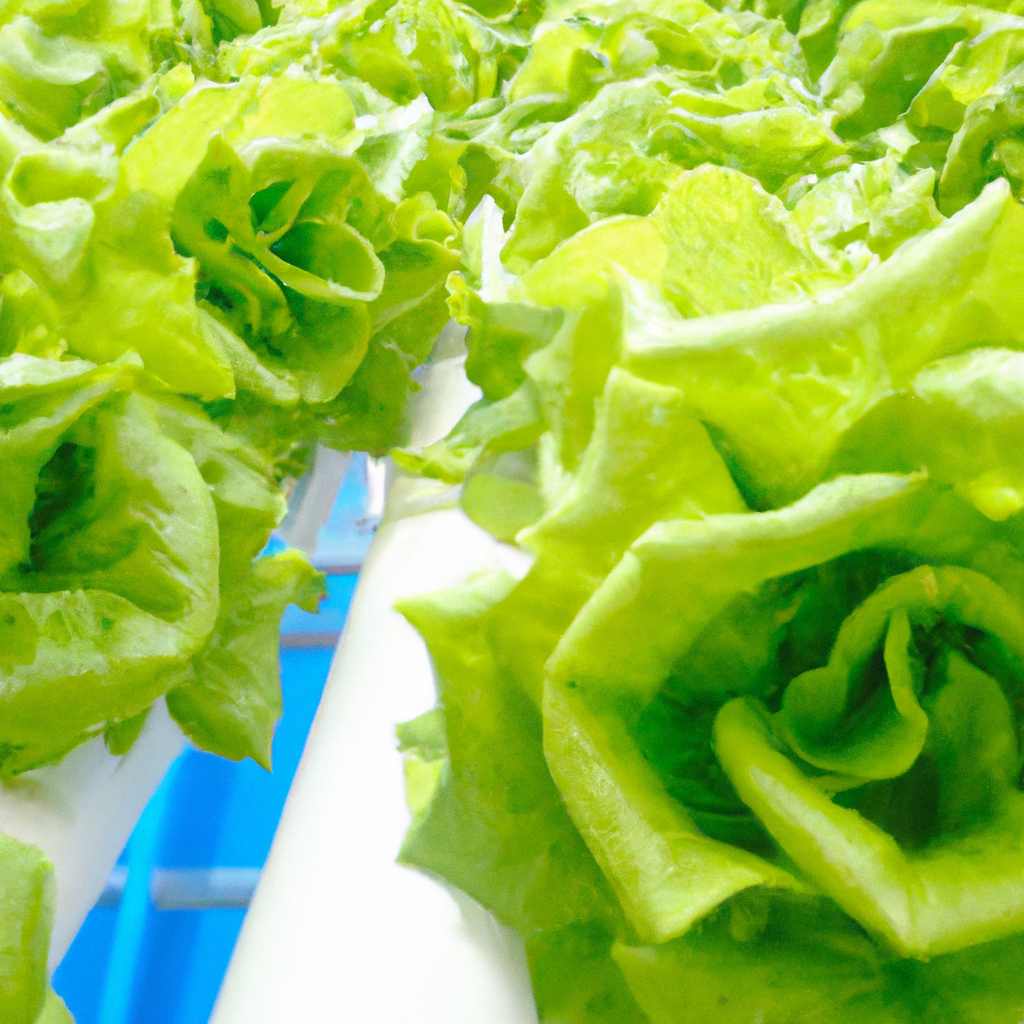
Growing leafy greens in outdoor hydroponic systems can result in improved flavor and nutrient content compared to traditional soil cultivation. The increased sunlight exposure and natural temperature fluctuations contribute to the development of vibrant, flavorful leaves. Hydroponic systems allow for precise control of nutrient availability, ensuring that plants receive the optimal combination of minerals and vitamins. The result is leafy greens that are packed with flavor and offer superior nutritional value.
Enhanced fruit production in vine crops
Outdoor hydroponics promotes enhanced fruit production in vine crops such as tomatoes, cucumbers, and melons. The ample sunlight exposure and natural temperature regulation contribute to the development of strong, healthy vines and an abundance of fruits. The controlled nutrient delivery in hydroponics ensures that plants receive the essential elements for optimal growth and fruit development. The result is larger, sweeter, and better-tasting fruits that are more abundant compared to traditional soil-based cultivation.
Supplementing natural pollination for strawberries
Strawberries grown in outdoor hydroponic systems can benefit from supplemented pollination techniques. While natural pollinators, such as bees, are present in outdoor environments, hand pollination or the use of vibrating tools can ensure optimal fruit set and yield. Hydroponic systems provide a controlled environment where this supplemental pollination can be easily implemented. By facilitating the transfer of pollen, outdoor hydroponics enhances fruit production and ensures a bountiful harvest of delicious strawberries.
Efficient growth of flowers and ornamental plants
Outdoor hydroponics offers efficient growth and development for flowers and ornamental plants. The precise control of nutrient delivery, combined with the natural environmental factors, promotes vigorous growth and abundant blooms. Outdoor hydroponics provides the ideal balance of light, temperature, and nutrient availability, resulting in healthy and visually stunning plants. The controlled environment also reduces the risk of pests and diseases, allowing for a longer and more vibrant display of flowers and ornamentals.
Optimal growth of vegetables without root restrictions
Vegetables grown in outdoor hydroponic systems experience optimal growth without the root restrictions common in soil-based cultivation. Hydroponic systems provide a nutrient-rich solution directly to the roots, bypassing the limitations of soil composition and nutrient availability. This allows vegetables to develop robust root systems, supporting vigorous growth and nutrient uptake. Additionally, outdoor hydroponics offers ample space for the roots to spread out, ensuring unrestricted growth and maximum nutrient absorption, leading to healthier and more productive plants.
Maintenance and care for outdoor hydroponic systems
Regular monitoring of water levels and nutrient solutions
Regular monitoring of water levels and nutrient solutions is essential for maintaining optimal conditions in outdoor hydroponic systems. Checking water levels in the reservoir and topping up as needed ensures that plants receive adequate hydration. Monitoring of nutrient solution pH and EC levels allows for adjustments to be made to maintain the proper balance of nutrients. Regular testing and adjustments ensure that plants have access to the necessary elements for healthy growth and development.
Cleaning and maintaining system components
Keeping the system components clean and well-maintained is crucial for the longevity and functionality of outdoor hydroponic systems. Regular cleaning of growing containers, irrigation lines, and equipment prevents the buildup of algae, debris, or pathogens that can negatively affect plant health. The removal of dead plant material and any potential blockages helps maintain optimal water flow and nutrient delivery. Regular inspections and maintenance activities, such as checking for leaks or damaged components, should be conducted to ensure that the system is in good working order.
Preventing algae growth
Algae growth can pose a challenge in outdoor hydroponic systems due to the abundance of sunlight. Algae can compete with plants for nutrients and oxygen, leading to decreased plant performance and system efficiency. Preventive measures, such as reducing sunlight exposure through shading or using opaque containers, can help inhibit algae growth. Regular cleaning of system components and monitoring of nutrient levels can also prevent the buildup of organic matter that promotes algae growth. By implementing these practices, outdoor hydroponic systems can maintain optimal conditions for plant growth.
Inspecting for pests and diseases
Regular inspection for pests and diseases is crucial in outdoor hydroponic systems to detect and address issues promptly. Visual inspections of the plants, leaves, stems, and roots can help identify signs of pest infestations or disease symptoms. Immediate action, such as removing affected plant parts, implementing biological controls, or applying appropriate treatments, should be taken to prevent further damage and spread. Regular monitoring and early detection ensure that pests and diseases are identified before they can cause significant harm to the plants and the hydroponic system.
Pruning and harvesting
Pruning and harvesting are essential tasks in outdoor hydroponic systems to maintain plant health and maximize yields. Pruning involves removing dead or diseased plant material, improving airflow, and shaping the plants to facilitate optimal growth. Harvesting should be done at the appropriate time to ensure peak flavor and nutritional content. Well-maintained pruning and harvesting practices not only enhance the appearance and productivity of the plants but also prevent the spread of disease or the blocking of sunlight to neighboring plants. Regular pruning and harvesting contribute to the overall health and longevity of the hydroponic system.
Successful examples of outdoor hydroponics
Commercial rooftop hydroponic gardens
Commercial rooftop hydroponic gardens have gained popularity in urban areas, where space is limited. Rooftop gardens can utilize underutilized or empty spaces to cultivate a wide range of crops, providing fresh and local produce to nearby consumers. By utilizing outdoor hydroponic systems, these gardens can take advantage of natural sunlight and temperature regulation, producing high-quality crops. Rooftop hydroponic gardens also contribute to urban sustainability, reducing the food miles associated with transporting produce and promoting green spaces within cities.
Community-based outdoor hydroponic projects
Community-based outdoor hydroponic projects have brought the benefits of hydroponics to a larger scale, involving participation from local residents and organizations. These projects often focus on providing fresh produce and educational opportunities to underserved communities. Outdoor hydroponic setups in community gardens or shared spaces not only offer a source of nutritious food but also promote community engagement and skill-building. These projects empower individuals to take an active role in their food production and foster a sense of pride and ownership within the community.
Home-based hydroponic setups in gardens and balconies
Home-based outdoor hydroponic setups in gardens and balconies have become increasingly popular among hobbyists and urban dwellers. These setups allow individuals to grow their own fresh produce in limited spaces, such as backyard gardens, patios, or balconies. Outdoor hydroponics offers the opportunity to enjoy the benefits of homegrown food while maximizing space utilization and minimizing environmental impact. Home-based setups can range from small-scale systems for personal consumption to larger setups that contribute to self-sufficiency and food security.
School and educational outdoor hydroponics
Schools and educational institutions have embraced outdoor hydroponics as a valuable teaching tool and a means of engaging students in hands-on learning. Outdoor hydroponic systems in school gardens or science classrooms provide opportunities for students to learn about plant biology, sustainable agriculture, and environmental stewardship. These projects promote interdisciplinary learning, allowing students to explore concepts in science, technology, engineering, and math (STEM). Outdoor hydroponics in educational settings foster curiosity, creativity, and critical thinking, preparing students for future challenges and opportunities in the field of agriculture.
Conclusion
Outdoor hydroponics expands possibilities for plant cultivation by harnessing the benefits of natural sunlight, temperature regulation, and increased growing space. The advantages of outdoor hydroponics include increased sunlight exposure, natural temperature regulation, larger growing space, reduced energy consumption, and less susceptibility to pests and diseases. However, challenges need to be addressed, such as seasonal fluctuations, extreme weather protection, water management, and pest control. By choosing suitable plants, selecting the right setup, adapting hydroponic systems, and practicing proper maintenance, outdoor hydroponics can be highly successful. The choice to embrace outdoor hydroponics opens up a world of opportunities for sustainable and productive plant cultivation. Maximizing the benefits while addressing challenges through careful planning and adaptation is key to reaping the rewards of outdoor hydroponics.


