


So you’re interested in hydroponic gardening and want to take it to the next level? Well, you’re in luck! In this article, we’ll be exploring advanced hydroponic system designs that can help you maximize your yields and grow a wide range of plants without the use of soil. From vertical gardens to nutrient film technique (NFT) systems, we’ll delve into the possibilities and benefits of these innovative designs. Whether you’re a seasoned hydroponics enthusiast or just starting out, get ready to discover the exciting world of advanced hydroponic system designs!
Vertical Farming Systems
Vertical farming is a revolutionary approach to agriculture that holds significant potential for the future of sustainable food production. By utilizing vertical space, this method allows for crops to be grown in stacked layers, maximizing yield within a limited footprint. There are several different types of vertical farming systems, each with its own unique benefits and techniques. In this article, we will explore some of the most popular and advanced hydroponic system designs used in vertical farming.
Aeroponic Systems
One of the most innovative and efficient types of vertical farming systems is the aeroponic system. In this setup, plants are grown without the use of soil or other conventional growing mediums. Instead, the plant roots are suspended in air and misted with a nutrient-rich water solution. This mist provides the necessary nutrients and hydration directly to the roots, allowing for optimal growth and development. Aeroponic systems are particularly effective for cultivating leafy greens and herbs, as they promote rapid growth and reduce water usage compared to traditional growing methods.
Nutrient Film Technique (NFT)
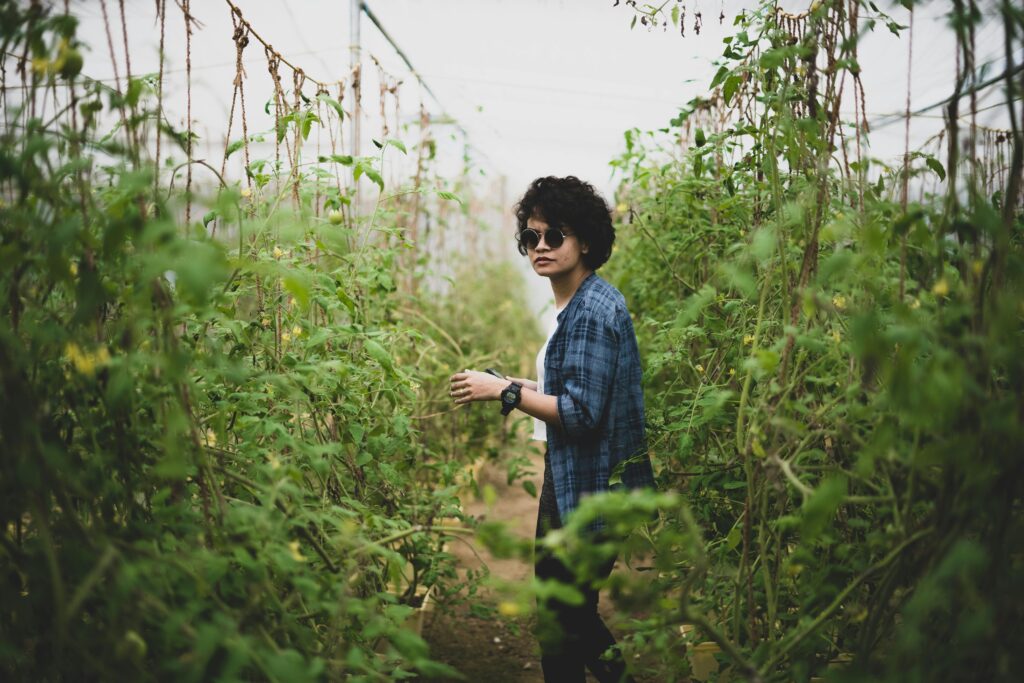
The Nutrient Film Technique (NFT) is another popular choice for vertical farming systems. In an NFT system, a shallow channel is used to deliver a continuous flow of nutrient-rich water over the plant roots. The excess water is then collected and recirculated back into the system. This method ensures that the plants receive a constant supply of nutrients, while also maximizing water and fertilizer efficiency. NFT systems are commonly used for growing vine crops such as tomatoes and cucumbers, as the shallow flow of water provides a suitable environment for their root development.
Drip Systems
Drip systems are widely recognized for their simplicity and versatility in hydroponic setups. In a vertical farming context, drip systems involve delivering a slow and steady drip of nutrient solution directly to the plant roots. This method allows for precise control over the amount of water and nutrients provided to each plant. Drip systems can be customized to accommodate various types of plants, making them ideal for vertical farming setups with a diverse range of crops. Additionally, the use of drip irrigation can significantly reduce water waste, making it an environmentally conscious choice for farmers.
Automated Control Systems
Automation plays a crucial role in optimizing the efficiency and productivity of vertical farming systems. With the help of advanced control systems, farmers can monitor and manage various parameters in real-time, ensuring optimal growing conditions for their crops. Let’s explore some of the key components of automated control systems used in vertical farming.
Sensors for Monitoring
Sensors are integral to monitoring key environmental factors in a vertical farming system. These sensors can measure parameters such as temperature, humidity, pH levels, dissolved oxygen, and electrical conductivity of the nutrient solution. By collecting data on these variables, farmers can gain valuable insights into the overall health and development of their crops. With the use of advanced sensors, any deviations from the ideal conditions can be detected early on, allowing farmers to take immediate corrective actions and prevent crop damage.
Programmable Logic Controllers (PLC)
Programmable Logic Controllers (PLCs) are computerized control systems that automate and regulate various aspects of a vertical farming setup. These controllers integrate with sensors and actuators to gather and process data, making adjustments to environmental factors such as lighting, temperature, and irrigation. PLCs are highly flexible and can be programmed to respond to specific crop requirements. This level of automation allows for precise control over growing conditions, resulting in higher crop yields and improved resource efficiency.
Remote Monitoring and Management
Remote monitoring and management systems enable farmers to oversee their vertical farming operations from anywhere in the world. By utilizing cloud-based platforms or mobile applications, farmers can access real-time data, receive alerts, and make adjustments to their systems remotely. This level of flexibility and accessibility is particularly beneficial for vertical farms located in urban areas or regions with limited access to the farm site. Remote monitoring and management systems also provide an opportunity for collaboration and knowledge sharing among farmers, further driving innovation in the field.
Recirculating Systems
In recirculating systems, water and nutrients are continuously circulated throughout the hydroponic setup, resulting in efficient resource utilization and reduced waste. Let’s delve into some of the popular recirculating system designs used in vertical farming.
Deep Water Culture (DWC)
Deep Water Culture (DWC) involves suspending plant roots in a nutrient-rich water solution, allowing for maximum oxygen exposure. This oxygenation stimulates root growth and enhances nutrient absorption, promoting healthy plant development. The water is continuously aerated using air pumps or diffusers, ensuring a constant supply of oxygen to the roots. DWC systems are commonly used in vertical farms for growing herbs, lettuce, and other leafy greens due to their simplicity and effectiveness.
Ebb and Flow Systems
Ebb and Flow systems, also known as flood and drain systems, are designed to periodically flood the plant roots with a nutrient solution and then drain it back into a reservoir. This cycle is achieved through the use of timers and pumps, ensuring that the plants receive adequate hydration and nutrients while preventing waterlogging. Ebb and Flow systems are ideal for cultivating larger plants with deep root systems, such as tomatoes and peppers. The intermittent flooding stimulates robust root growth and helps prevent the buildup of harmful pathogens.
Continuous Flow Systems
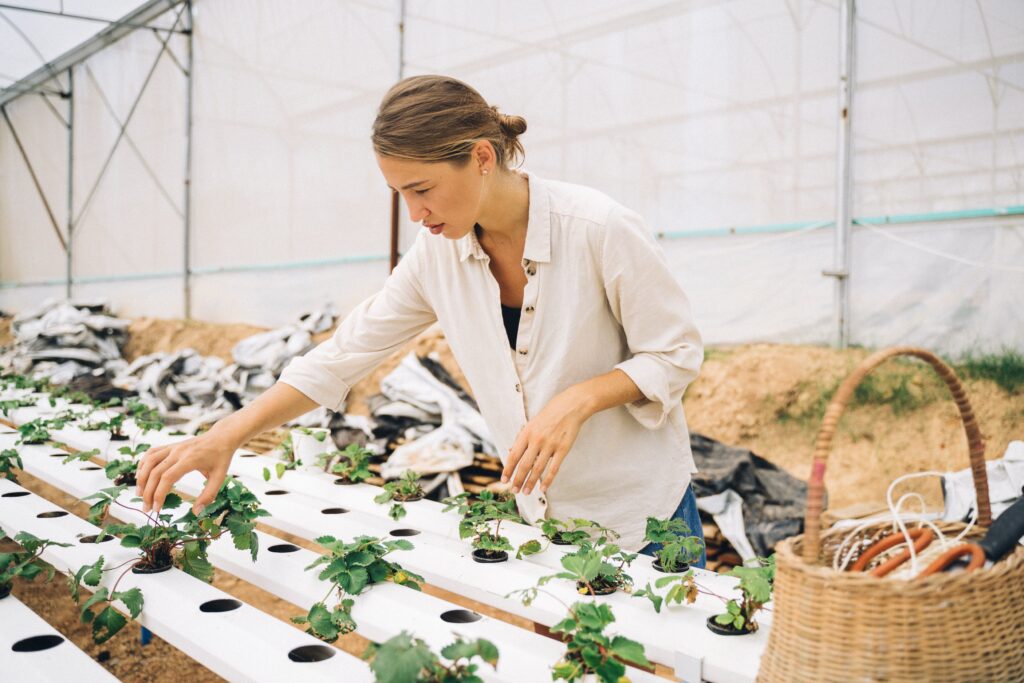
Continuous Flow systems operate by maintaining a constant flow of nutrient solution over the plant roots, without any interruption or cycling. These systems utilize a pump to deliver the solution through a network of pipes or channels, ensuring a consistent supply of nutrients to the plants. Continuous Flow systems are highly efficient and space-saving, making them well-suited for vertical farms with limited space. Leafy greens, herbs, and strawberries are particularly well-suited for this system, as they thrive in consistently moist conditions.
Hybrid Hydroponic Systems
Hybrid hydroponic systems combine different hydroponic techniques to take advantage of the strengths and benefits of each method. These systems provide a versatile and adaptable approach to vertical farming by utilizing multiple growing techniques simultaneously. Let’s explore some of the most popular hybrid hydroponic systems used in vertical farming.
Aquaponics
Aquaponics is a hybrid hydroponic system that combines hydroponics with aquaculture, the farming of aquatic animals. In an aquaponic system, fish are cultivated in tanks, and their waste provides the nutrients necessary for plant growth. The nutrient-rich water from the fish tanks is then circulated to the hydroponic beds, where plants absorb the nutrients, purify the water, and return it to the fish tank. This symbiotic relationship between fish and plants creates a self-sustaining ecosystem, resulting in sustainable food production and minimal waste.
Aeroponic-Hydroponic Hybrid
The aeroponic-hydroponic hybrid system combines the best of both worlds by utilizing aeroponics and hydroponics side by side. This hybrid system involves growing plants aeroponically while simultaneously cultivating other crops hydroponically in a nutrient solution. The aeroponic system provides optimal oxygenation and nutrient absorption for crops that thrive in misty conditions, while the hydroponic setup supports the growth of plants that prefer a continuously flowing nutrient solution. This hybrid approach allows for a diverse range of crops to be grown in a single vertical farming system.
Dutch Bucket System
The Dutch Bucket System, also known as the Bato Bucket System, is a hybrid hydroponic system that combines aspects of both drip irrigation and media-based growing. In this system, plants are grown in individual buckets or containers filled with a growing medium such as coconut coir or perlite. A drip irrigation system is used to deliver a nutrient solution directly to the plant roots, while the growing medium retains moisture and provides stability for the plants. The Dutch Bucket System is particularly well-suited for vine crops such as tomatoes and cucumbers, as it provides excellent support for their extensive growth.
Substrate-based Systems
Substrate-based hydroponic systems involve the use of a solid medium to support plant roots and provide stability. These systems offer advantages such as improved root aeration, nutrient absorption, and disease control. Let’s explore some commonly used substrate-based systems in vertical farming.
Coconut Coir
Coconut coir, a byproduct of the coconut industry, is a popular choice for substrate-based hydroponic systems. It is a natural and renewable resource that provides excellent water retention, aeration, and nutrient absorption properties. Coconut coir is lightweight and easy to handle, making it an ideal growing medium for vertical farming setups. Its fibrous structure also promotes healthy root development and prevents root diseases, making it a reliable choice for many crops.
Rockwool
Rockwool, also known as stone wool, is a man-made growing medium made from molten rock fibers. It is widely used in substrate-based hydroponic systems due to its excellent water retention and aeration capabilities. Rockwool is available in various forms, such as cubes, slabs, or loose fill, and can be tailored to suit different plant varieties. It provides a stable and sterile environment for plants, minimizing the risk of diseases and promoting optimal root growth.
Perlite and Vermiculite
Perlite and vermiculite are lightweight mineral-based materials commonly used as growing mediums in hydroponic systems. These materials have excellent water retention properties while also promoting adequate drainage and aeration. Perlite is made from volcanic glass and expands when heated, creating air pockets within the medium. Vermiculite, on the other hand, is a naturally occurring mineral that undergoes a heating process to improve its water absorption capacity. Both perlite and vermiculite are popular choices for substrate-based hydroponic systems, providing great support for plant roots and aiding in nutrient absorption.
Modular Hydroponic Systems
Modular hydroponic systems offer a scalable and flexible approach to vertical farming, allowing for easy expansion or reconfiguration of the system as needed. These systems consist of individual units that can be stacked or arranged in various configurations to maximize space utilization. Let’s explore some of the commonly used modular hydroponic systems in vertical farming.
Vertical Stackable Units
Vertical stackable units are designed to optimize vertical space by creating multiple levels for plant cultivation. Each individual unit consists of several growing tiers that can be easily stacked on top of one another. This modular design allows for efficient use of available space and increases the overall growing capacity. Vertical stackable units are commonly used in vertical farming systems for cultivating smaller plants, such as herbs, lettuce, and strawberries.
Floating Raft System
The floating raft system, also known as deep water raft culture, is a modular hydroponic system that utilizes floating rafts to support plant growth. In this system, plants are placed on floating platforms made of Styrofoam or other buoyant materials, which are then placed on nutrient-rich water. The plants’ roots hang down into the water, absorbing nutrients and oxygen from the solution. The floating raft system is commonly used for cultivating leafy greens and herbs, as it provides a stable and well-aerated environment for their growth.
Trellis Systems
Trellis systems are a vertical farming solution that utilizes a network of vertical structures to support plant growth. Plants are trained to grow vertically along the trellis, maximizing space utilization and creating a visually appealing vertical garden. Trellis systems are particularly well-suited for vine crops such as cucumbers, tomatoes, and beans. By providing vertical support, trellis systems enable these plants to grow upward, reducing the risk of disease and improving air circulation around the foliage.
Smart Irrigation Solutions
Efficient irrigation is crucial for the success of any hydroponic system. Smart irrigation solutions leverage technology to optimize water and nutrient delivery, reducing water waste and ensuring the health and vitality of crops. Let’s explore some of the smart irrigation solutions commonly used in vertical farming.
Dosing and Nutrient Delivery Systems
Dosing and nutrient delivery systems automate the precise measurement and delivery of nutrients to plants. These systems utilize sensors and control mechanisms to adjust the nutrient solution’s composition based on the plants’ needs. By ensuring accurate dosing, farmers can prevent over or underfeeding of the crops, optimizing their growth and minimizing nutrient wastage.
Fogging Systems for Humidity Control
Fogging systems are often employed in vertical farming setups to control humidity levels within the growing environment. These systems emit a fine mist or fog, which helps to maintain an optimal level of humidity required for plant growth. Fogging systems are especially beneficial in arid climates or during dry spells when moisture levels need to be artificially increased. By controlling humidity, farmers can create a favorable microclimate that supports healthy plant growth and minimizes the risk of diseases caused by excessively low humidity.
Solar-powered Irrigation Systems
Solar-powered irrigation systems are an eco-friendly and cost-effective solution for powering irrigation systems in vertical farms. These systems utilize solar panels to capture sunlight and convert it into electricity, which is then used to power pumps, valves, and other irrigation components. By harnessing renewable energy, farmers can reduce their reliance on traditional power sources and lower their operational costs. Solar-powered irrigation systems are particularly beneficial for vertical farming setups located in regions with abundant sunlight, as they can provide a consistent and reliable source of renewable energy.
Microgreens and Sprouting Systems
Microgreens and sprouts have gained immense popularity in recent years due to their high nutritional content and unique flavor profiles. These crops have short growth cycles and are typically harvested when they reach the seedling stage. Let’s explore some of the hydroponic systems commonly used for cultivating microgreens and sprouts in vertical farming.
Shallow Tray Systems
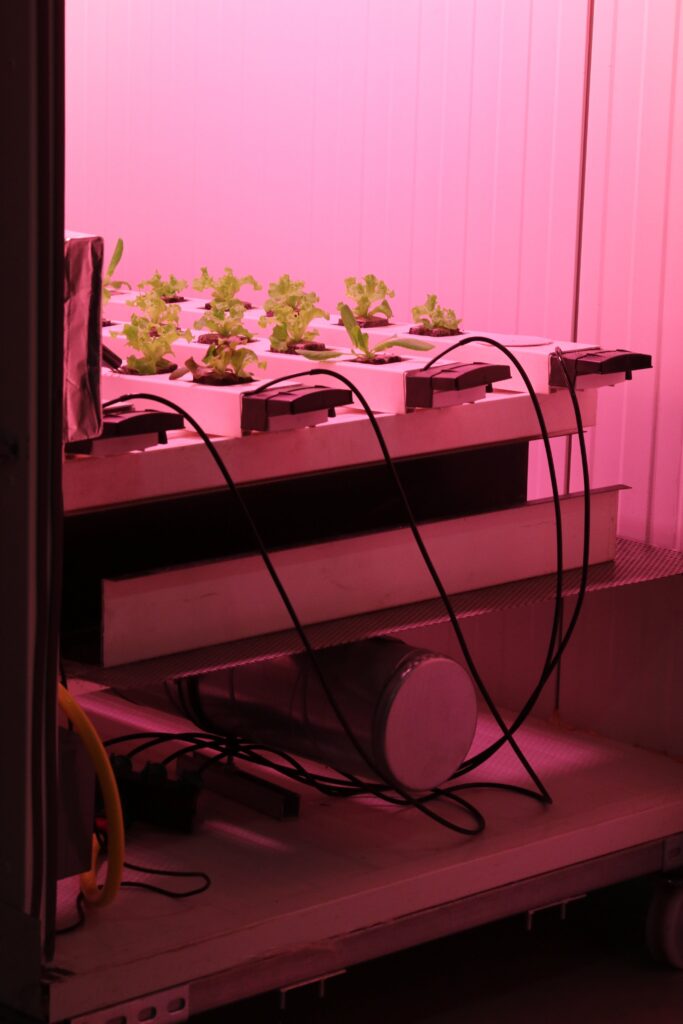
Shallow tray systems are widely used for growing microgreens and sprouts. In this system, the seeds are spread evenly on shallow trays filled with a growing medium, such as coconut coir or vermiculite. The trays are then watered from the bottom, allowing the growing medium to absorb the necessary moisture. Shallow tray systems provide an efficient and space-saving solution for cultivating microgreens and sprouts, allowing for mass production in a vertical farming setup.
Hydroponic Mats
Hydroponic mats, also known as grow pads or grow mats, are specifically designed to support the growth of microgreens and sprouts. These mats are made from biodegradable materials and contain a fibrous structure that retains moisture and provides stability for the seeds. Hydroponic mats can be placed on trays or racks, and the seeds are sown directly into the mat’s surface. The mats are then watered using a drip or misting system, ensuring that the seeds receive adequate hydration. Hydroponic mats offer a convenient and mess-free way to grow microgreens and sprouts in a vertical farming system.
Vertical Racks
Vertical racks provide a space-efficient solution for growing microgreens and sprouts in a vertical farming setup. These racks consist of multiple levels or shelves, each equipped with growing trays or hydroponic mats. The seeds are sown directly into the trays or mats, and the racks are stacked vertically, allowing for maximized growing capacity within a limited footprint. Vertical racks are easy to maintain and offer excellent accessibility for harvesting, making them a popular choice among vertical farmers cultivating microgreens and sprouts.
Alternative Lighting Solutions
Light is an essential resource for plant growth, and in vertical farming, artificial lighting solutions are often employed to supplement natural sunlight. Alternative lighting solutions offer greater control over the light spectrum and intensity, allowing farmers to tailor the light conditions to meet the specific needs of their crops. Let’s explore some of the alternative lighting solutions used in vertical farming.
LED Grow Lights
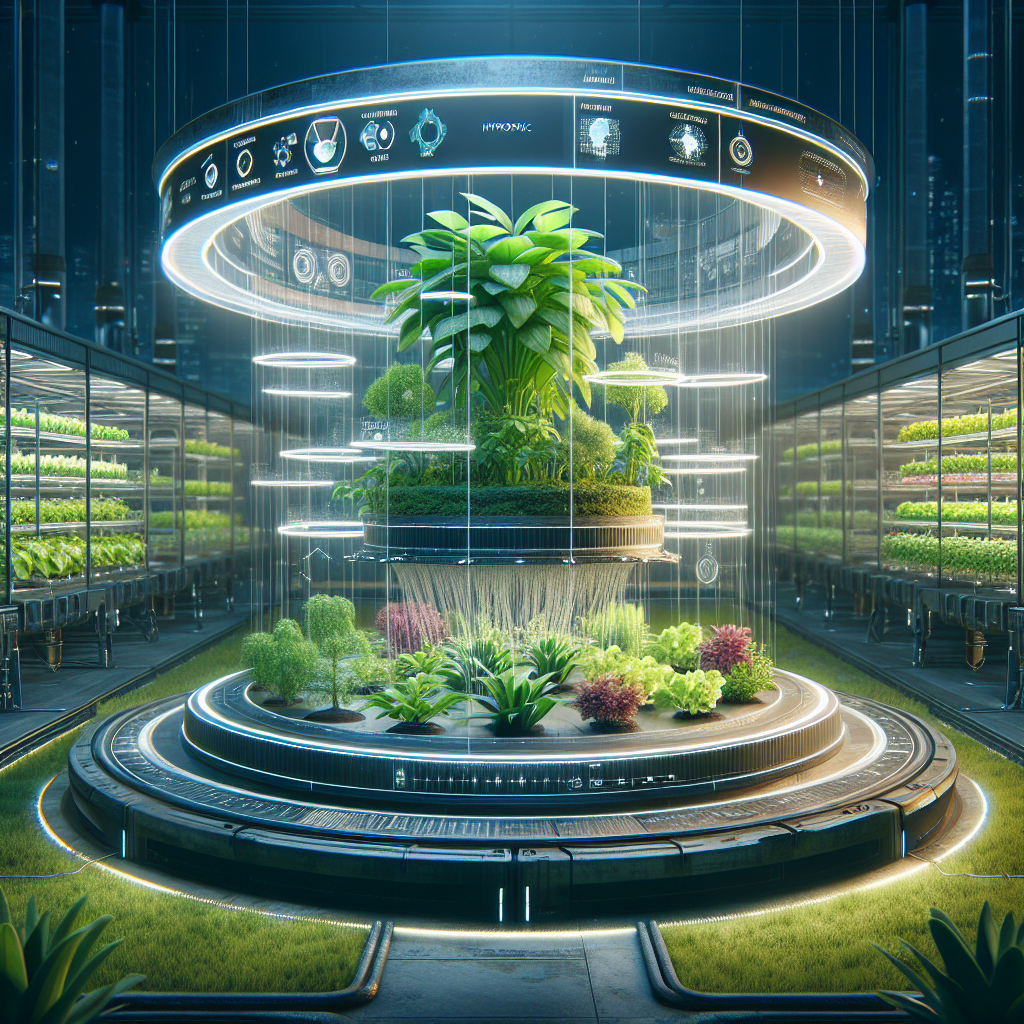
LED (Light Emitting Diode) grow lights have gained popularity in recent years due to their energy efficiency and flexibility. These lights emit specific wavelengths of light that can be customized to match the photosynthetic requirements of different plant species. LED grow lights produce little heat, reducing the risk of plant damage, and can be positioned close to the plants, maximizing light penetration. LED grow lights are highly efficient and long-lasting, making them ideal for vertical farming setups where energy consumption and space utilization are critical considerations.
Plasma Grow Lights
Plasma grow lights are a relatively new lighting technology that emits a broad spectrum of light, including ultraviolet (UV) and infrared (IR) wavelengths. These lights closely mimic natural sunlight and can provide a balanced light spectrum for optimal plant growth. Plasma grow lights are highly efficient and have a longer lifespan compared to traditional HID (High-Intensity Discharge) lights. They are particularly useful for crops that require a broader light spectrum, such as fruiting plants and flowering crops.
Induction Grow Lights
Induction grow lights utilize electromagnetic induction to produce light. These lights are known for their energy efficiency and longevity, as they can last up to 100,000 hours of continuous use. Induction grow lights emit a balanced spectrum of light, suitable for a wide range of plant species. They generate less heat compared to traditional lighting technologies and can be positioned close to the plants, maximizing light utilization. Induction grow lights are a reliable option for vertical farms looking for long-lasting and energy-efficient lighting solutions.
Integrating AI and Machine Learning
The integration of Artificial Intelligence (AI) and Machine Learning (ML) technologies in vertical farming systems has the potential to revolutionize the industry. By employing AI and ML algorithms, farmers can optimize their operations, improve resource efficiency, and maximize crop yields. Let’s delve into some of the ways AI and ML can enhance hydroponic systems in vertical farming.
AI-assisted Nutrient Management
AI-assisted nutrient management systems can analyze real-time data from sensors and environmental variables to optimize the nutrient composition and delivery to plants. By continuously monitoring plant health and growth patterns, these systems can adjust nutrient concentrations, pH levels, and timing, ensuring that crops receive the ideal balance of nutrients. AI algorithms can learn from past data and make predictions, enabling proactive adjustments and preventing nutrient deficiencies or toxicities.
Precision Environmental Control
AI and ML algorithms can optimize the control of environmental parameters such as temperature, humidity, and CO2 levels in a vertical farming system. By analyzing data from sensors and historical growing conditions, these algorithms can make informed decisions and automatically adjust environmental settings for optimal plant growth. This level of precision control ensures that crops are provided with the ideal conditions throughout their growth cycle, leading to improved crop quality and higher yields.
Crop Growth Prediction Models
AI and ML algorithms can analyze historical data on crop growth, environmental conditions, and cultural practices to develop predictive models. These models can forecast crop growth rates, harvest yields, and nutrient requirements based on current conditions and historical patterns. By leveraging these predictive models, farmers can make data-driven decisions, optimize resource allocation, and plan for future production cycles more effectively. This approach enables vertical farmers to maximize their productivity, minimize crop losses, and achieve long-term sustainability.
In conclusion, advanced hydroponic system designs offer exciting opportunities for vertical farming. From aeroponic and nutrient film technique systems to smart irrigation solutions and AI integration, the possibilities for sustainable and high-yield agricultural practices are vast. By harnessing the benefits of these innovative technologies, farmers can optimize resource utilization, improve plant health, and contribute to the future of sustainable food production.


