


So, you’re interested in building your own hydroponic system but you don’t want to break the bank. Well, you’re in luck! In this article, we’ll show you how to create a hydroponic system on a budget. Whether you’re a seasoned gardener looking to try something new or a beginner with limited resources, we’ve got you covered. Get ready to grow your own plants without spending a fortune!
Choosing the Right Hydroponic System
When it comes to choosing the right hydroponic system, there are several factors to consider. Understanding the different types of hydroponic systems is the first step in making an informed decision. There are various systems available, such as nutrient film technique (NFT), deep water culture (DWC), and drip systems, among others. Each system has its own advantages and disadvantages, so it’s important to research and understand how they work before making a choice.
Another important consideration is the space and size requirements of the hydroponic system. Some systems require a larger area, while others can be more compact. It’s crucial to assess the available space you have and determine how much room you can allocate for your hydroponic setup. Additionally, you need to consider the number of plants you intend to grow and ensure that the system can accommodate your desired capacity.
Determining the level of automation needed is another aspect to consider. Some hydroponic systems require more manual intervention, while others can be fully automated. Automation can help streamline the process and make it more efficient, but it also comes at a cost. Assess your own preferences and capabilities in terms of managing the system and decide on the level of automation that suits your needs.
Lastly, evaluating the cost-effectiveness of each system is crucial, especially when you’re on a budget. Some hydroponic systems may require a higher initial investment but can lead to long-term savings. Others may be more affordable upfront but can be costly to maintain. Consider the long-term costs associated with each system, including energy consumption, replacement parts, and maintenance, to make an informed decision that aligns with your budget.
DIY vs. Ready-Made Systems
One key decision to make when building a hydroponic system on a budget is whether to opt for a DIY system or a ready-made system. Both options have their own advantages and disadvantages that need to be taken into account.
DIY systems offer the benefit of customization. You have the freedom to tailor the system to your specific needs and requirements. Moreover, DIY systems can be more affordable as you have the option to source materials at a lower cost or even repurpose items you already have. However, building a DIY system requires more time, effort, and DIY skills. You need to have the necessary knowledge and resources to construct the system, which may not be feasible for everyone.
On the other hand, ready-made systems provide convenience and ease of use. These systems are designed and manufactured by experts, ensuring that they meet the necessary standards for optimal plant growth. Ready-made systems are typically more expensive upfront, but they save you the time and effort required for DIY construction. Additionally, they often come with comprehensive instructions and support, making them suitable for beginners who may not have extensive knowledge in hydroponics.
To assess which option is more suitable for your budget, consider the cost comparison between DIY and ready-made systems. Calculate the expenses involved in sourcing the materials for a DIY system and compare it with the cost of purchasing a ready-made system. Additionally, assess your own skills and resources for DIY projects. If you have the necessary expertise and access to affordable materials, a DIY system may be the more cost-effective choice.
Selecting Affordable Materials
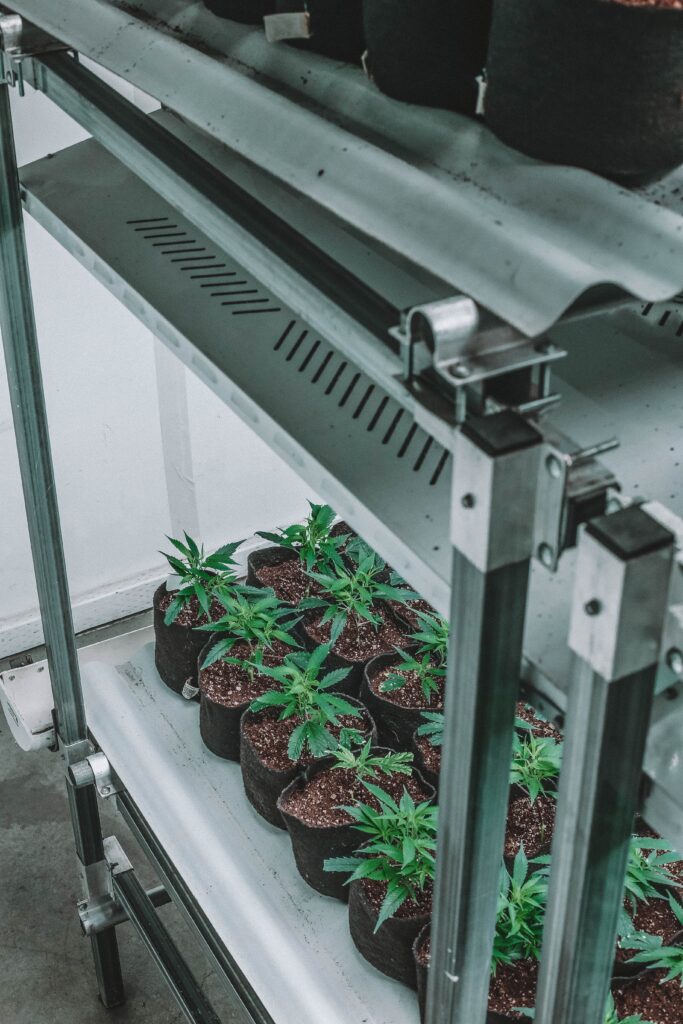
Choosing affordable materials is crucial when building a hydroponic system on a budget. Fortunately, there are several options to explore that can help keep costs down without compromising on the quality of your setup.
One way to save money on materials is by exploring low-cost hydroponic options. Look for suppliers or stores that offer discounts or promotions on essential components such as grow lights, pumps, or irrigation systems. Additionally, consider purchasing items in bulk, as this can often lead to cost savings.
Another option is to adapt common household items for hydroponics. Items such as plastic containers, PVC pipes, or even egg cartons can be repurposed for various components of your system. This approach not only helps reduce costs but also encourages recycling and repurposing of materials.
Furthermore, sourcing inexpensive alternative options can help ensure that you stay within your budget. For example, instead of purchasing expensive grow mediums, consider using alternatives such as coconut coir or perlite, which are more affordable. Similarly, explore options for a more budget-friendly nutrient solution, such as homemade or organic alternatives.
Comparing prices of essential components is also essential in selecting affordable materials. Take the time to research different suppliers and compare prices to ensure you’re getting the best deal. Consider factors such as quality, durability, and warranty when making your purchasing decisions.
Building a Basic Hydroponic System
Building a basic hydroponic system doesn’t have to be complicated or expensive. With a few key components and some basic construction skills, you can create a system that allows for successful plant growth.
One of the first steps in building a basic hydroponic system is to create a simple nutrient solution. This solution provides the essential minerals and nutrients that plants need to thrive. You can either purchase pre-made nutrient concentrates that you mix with water or formulate your own homemade nutrient solution using readily available ingredients.
Next, you’ll need to construct a basic growing container. This can be as simple as a plastic container or tray that is watertight and able to hold the plants and nutrient solution. Ensure that the container has drainage holes to prevent waterlogging.
The irrigation system is a vital component of a hydroponic setup. It helps deliver the nutrient solution to the plants’ roots and ensures they receive the necessary water and nutrients. You can use a simple drip system, which involves a reservoir of nutrient solution connected to tubes or drippers that deliver the solution to each plant.
Proper lighting is crucial for the growth of your plants. While natural sunlight is ideal, it may not always be available or sufficient. In such cases, consider installing artificial lighting, such as fluorescent or LED grow lights, to provide the necessary light spectrum for optimal plant growth. Make sure to position the lights at an appropriate distance from the plants to avoid overheating or light burn.
Optimizing Space and Layout
Efficient utilization of space is crucial, especially if you have limited area available for your hydroponic system. Optimizing the space and layout of your setup can help maximize plant production and ensure optimal growing conditions.
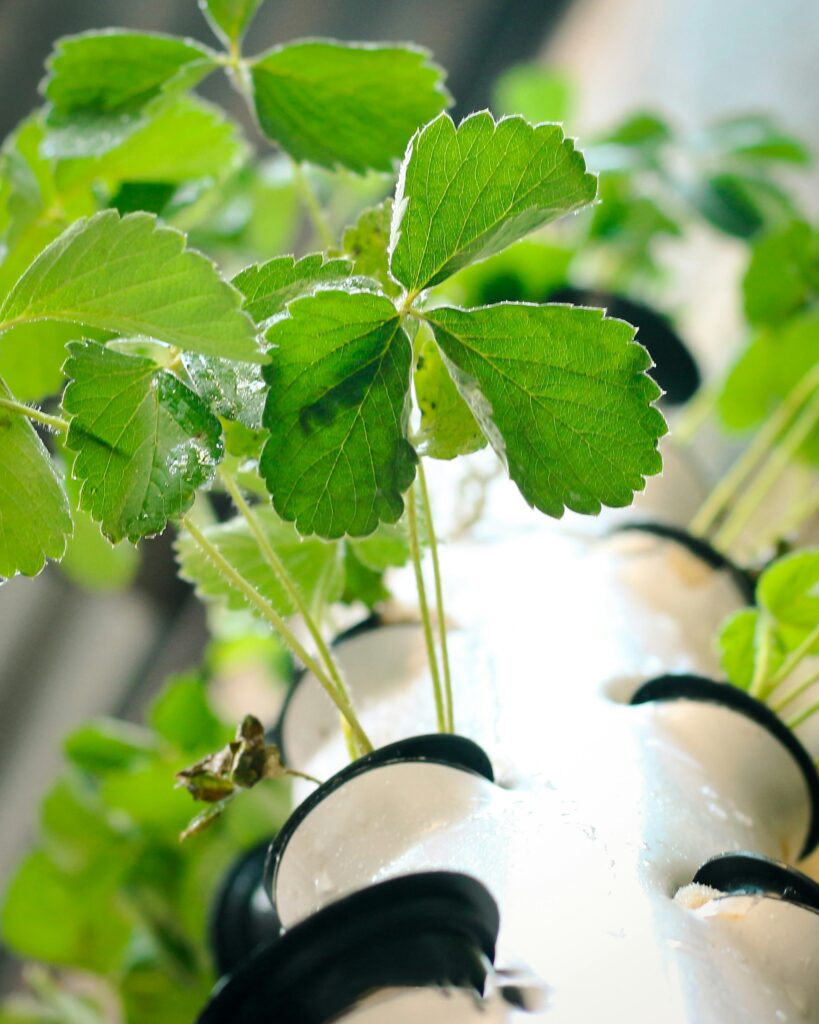
One approach to maximize space efficiency is by utilizing vertical space for vertical hydroponics. Vertical hydroponic systems allow you to grow plants in stacked layers, utilizing the height of the space instead of relying solely on floor area. This can significantly increase your overall planting capacity.
In small areas, it’s important to make the most of every square inch. Consider arranging plants in a staggered or offset pattern to maximize the number of plants you can grow. Hanging baskets or wall-mounted systems can also help create additional growing space.
To create a modular system for scalability, use components that can be easily added or removed as needed. This allows you to start small and gradually expand your system as your needs evolve. Modular systems also make maintenance and harvesting more manageable, as you can work on one section at a time.
When arranging nutrient reservoirs and control systems, consider accessibility and ease of maintenance. Ensure that the reservoirs are easily accessible for refilling and monitoring nutrient levels. Position control systems such as timers, pH meters, and EC meters in a way that allows for easy adjustment and monitoring.
Choosing Affordable Grow Mediums
The choice of the grow medium plays a significant role in the success of your hydroponic system. While there are several options available, it’s important to choose affordable grow mediums that suit both your budget and the needs of your plants.
Exploring low-cost hydroponic grow mediums can help save money without compromising on plant health. Options such as coconut coir, perlite, or vermiculite are often more affordable than traditional mediums like rockwool or clay pellets. These alternatives provide excellent water retention and aeration properties for the plants’ roots.
Comparing the pros and cons of different grow mediums is crucial before making a decision. Consider factors such as water-holding capacity, pH stability, and reusability. Some mediums may require more frequent replacement, while others can be reused for multiple growing cycles, saving you money in the long run.
Testing alternative mediums for effectiveness is also recommended. It’s important to experiment and see which grow medium works best for your specific plants and setup. This can help you determine the most cost-effective option that yields optimal growth.
Evaluating the long-term costs of each medium is equally important. While some grow mediums may have a higher upfront cost, they may require less frequent replacement or maintenance. Consider the overall cost of using a specific medium over an extended period to make an informed decision.
Understanding Nutrient Solutions
Nutrient solutions are an essential element of hydroponic systems, as they provide plants with the necessary minerals and nutrients. Understanding the different options for nutrient solutions can help you make the most cost-effective choice.
Formulating homemade nutrient solutions is a viable option for those on a budget. This involves combining specific salts and minerals in the correct ratios to create a solution that meets the nutritional needs of your plants. Homemade solutions can be cost-effective if you can source the ingredients at an affordable price.
Utilizing pre-mixed nutrient concentrates is another option to consider. These concentrates are often specifically formulated for hydroponics and take the guesswork out of nutrient balancing. While they may have a higher upfront cost compared to homemade solutions, they can save time and effort in formulation.
Exploring organic nutrient options is also beneficial for those who prioritize sustainable and eco-friendly practices. Organic nutrients, derived from natural sources, can provide plants with essential elements while reducing the reliance on synthetic chemicals. However, it’s important to note that organic nutrients tend to be more expensive than their synthetic counterparts.
Calculating nutrient solution costs is crucial in determining the feasibility of each option. Consider the concentration ratios, dosage requirements, and frequency of nutrient solution changes. Be sure to include the cost of the nutrients and any additional supplements required in your calculations to get an accurate estimate.
Managing pH and Nutrient Levels
Maintaining proper pH and nutrient levels is essential for the health and growth of your plants in a hydroponic system. Implementing cost-effective methods for managing these levels can help you stay within your budget while ensuring optimal plant nutrition.
Monitoring and adjusting pH levels is crucial to prevent nutrient deficiencies or toxicities. pH meters are essential tools for measuring the acidity or alkalinity of the nutrient solution. While high-end pH meters can be expensive, there are budget-friendly options available that provide accurate readings.
Maintaining proper nutrient balance is equally important. Along with pH, nutrient concentration levels need to be monitored regularly. EC (electrical conductivity) meters can be used to measure the nutrient concentration in the solution. These meters come in a range of prices, so it’s important to find a budget-friendly option that meets your needs.
Using pH and EC meters on a budget can be achieved by researching and comparing prices. Consider factors such as accuracy, durability, and ease of use when selecting a meter. It’s important to strike a balance between affordability and functionality to ensure accurate readings and precise adjustments.
Implementing cost-effective pH control methods can help minimize expenses. Instead of relying on expensive pH adjusters or pH stabilizers, consider alternative options such as using natural acids or bases that are readily available. Experimentation and careful monitoring will help you determine the most cost-effective method for your specific system.
Ensuring Proper Ventilation
Proper ventilation is essential for the success of your hydroponic system. It helps create a suitable environment for plant growth by regulating temperature, humidity, and airflow. Building an affordable ventilation system is achievable with a few key considerations.
Understanding the importance of ventilation is the first step. Proper airflow helps prevent the buildup of heat and humidity, which can lead to the growth of molds or diseases. It also ensures a constant supply of fresh air and carbon dioxide for photosynthesis.
Building an affordable ventilation system involves selecting suitable fans and air circulation methods. Look for high-quality fans that are energy-efficient and can provide adequate airflow. Consider the size and layout of your grow space to determine the appropriate fan size and placement.
Creating ventilation for different plant stages is also important. Seedlings and young plants may require a gentler airflow, while mature plants might benefit from stronger and more targeted ventilation. Consider using adjustable fans or implementing different air circulation systems to meet the specific needs of your plants at different stages of growth.
Maintaining a Budget-Friendly Operation
Once your hydroponic system is up and running, maintaining a budget-friendly operation is crucial to ensure optimal cost-effectiveness. By implementing some simple strategies, you can save resources and reduce expenses in the long run.
Minimizing energy consumption is an effective way to reduce costs. Use energy-efficient grow lights, such as LED lights, which consume less electricity compared to traditional lighting options. Consider utilizing timers to control lighting schedules and avoid unnecessary energy usage.
Reducing water wastage is another important aspect to consider. Implement water-saving techniques, such as using recirculating systems or water timers to control irrigation cycles. Additionally, ensure that your irrigation system is properly calibrated to deliver the right amount of water to each plant without excess waste.
Utilizing timers and automation can help save resources and increase efficiency. Timers can be used to control the operation of pumps, lights, and other components, ensuring that they are only active when necessary. Automation systems can help monitor and adjust pH or nutrient levels, providing real-time information to optimize plant health and reduce human intervention.
Repurposing and reusing materials is a cost-effective approach in maintaining your hydroponic system. Consider repurposing items such as plastic containers, trays, or pipes for different components of your setup. Additionally, reuse nutrient solutions when possible, after proper testing and adjustment, to save on costs associated with frequent solution changes.
By employing these strategies, you can maintain a budget-friendly hydroponic operation while ensuring optimal plant growth and productivity. Remember to regularly assess and fine-tune your system to adapt to any changes or improvements that can further enhance cost-effectiveness.


