



So you’ve heard about hydroponics and aquaponics, and you’re intrigued by these innovative methods of growing plants without soil. But what exactly sets them apart? In this article, we’ll break down the key differences between hydroponics and aquaponics, so you can understand the pros and cons of each and decide which one might be the best fit for your own gardening endeavors.

The Basics of Hydroponics
Definition of hydroponics
Hydroponics is a method of growing plants without soil, where the roots are instead submerged in a nutrient-rich water solution. The nutrients required for plant growth are delivered directly to the roots, providing plants with everything they need to thrive.
History of hydroponics
Hydroponics has a long history, dating back to the ancient Babylonian gardens of the Hanging Gardens of Babylon. In more recent times, hydroponics gained popularity in the 19th century when scientists began experimenting with soil-less plant cultivation. Today, hydroponics has become a widely used method in commercial agriculture and is also adopted by enthusiasts for home gardening.
Types of hydroponic systems
There are several types of hydroponic systems, each with its own set of advantages and considerations. Some popular types include the Nutrient Film Technique (NFT), Kratky method, Deep Water Culture (DWC), and Drip system. Each system differs in the way they deliver nutrients, control water flow, and manage plant roots.
Advantages of hydroponics
Hydroponics offers numerous advantages. Firstly, it allows for faster plant growth and higher yields compared to traditional soil-based cultivation. It also conserves water since the nutrient solution can be recirculated, reducing water waste. Additionally, hydroponics eliminates the need for pesticides, herbicides, and the risk of soil-borne diseases. It also enables year-round cultivation, making it ideal for regions with harsh climates or limited arable land.
Disadvantages of hydroponics
While hydroponics has many benefits, it also has its drawbacks. The initial setup costs can be significant, especially for larger systems. Additionally, maintaining the proper balance of nutrients in the water solutions requires regular monitoring and adjustments. Any slight miscalculation in nutrient ratios or pH levels can impact plant health. Furthermore, power outages can put plants at risk, as they heavily rely on artificial lighting and other energy-intensive equipment.
The Basics of Aquaponics
Definition of aquaponics
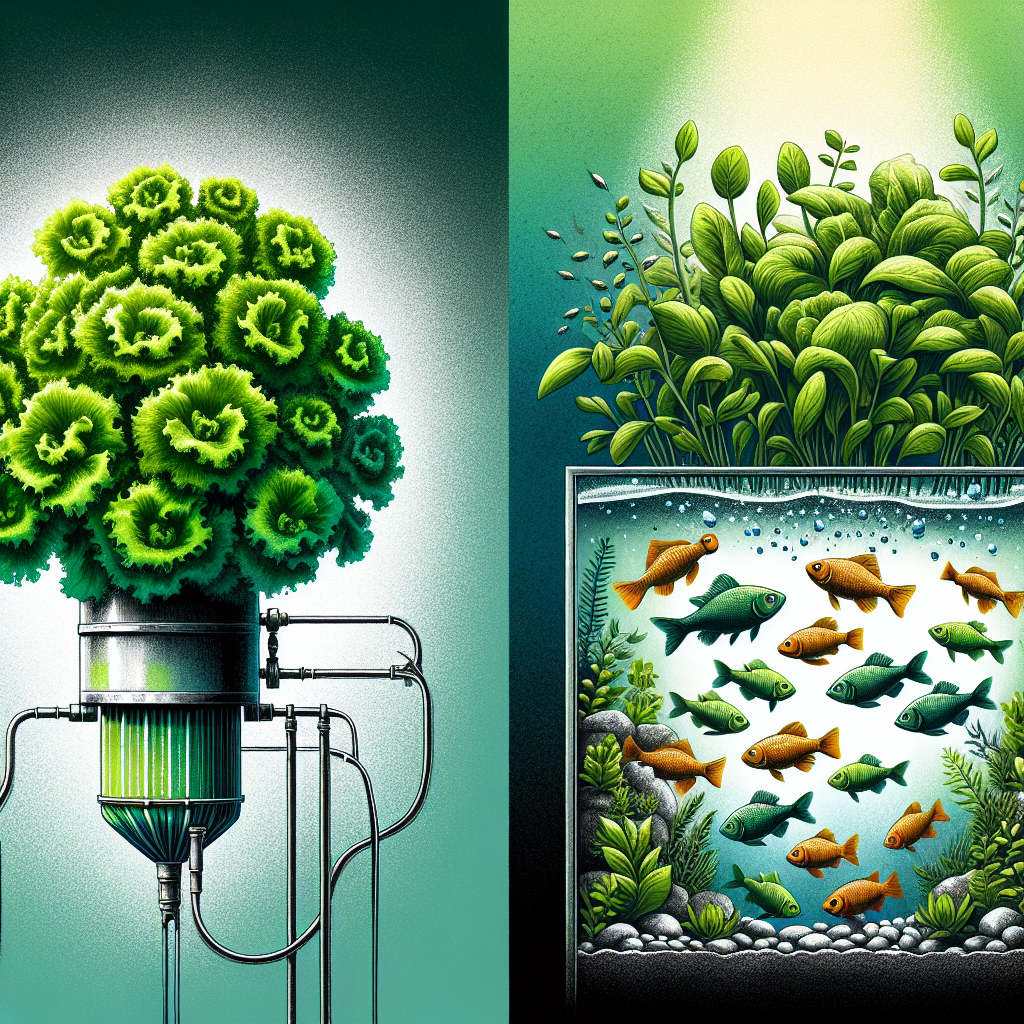
Aquaponics is a combination of hydroponics and aquaculture, where fish waste provides the necessary nutrients for plant growth. It is a symbiotic system where fish and plants mutually benefit from each other’s presence.
History of aquaponics
While aquaponics has its roots in ancient civilizations, its modern form developed in the 1970s. Researchers and farmers began exploring ways to integrate fish farming with hydroponics to create a more sustainable and efficient system. Over time, aquaponics has gained recognition for its ability to cultivate both fish and plants in a closed-loop, eco-friendly system.
Components of an aquaponic system
An aquaponic system consists of several components. It typically includes a tank for the fish, which produces waste that serves as a source of nutrients for the plants. The fish tank is connected to grow beds or rafts where the plants are grown. Water from the fish tank is pumped to the grow beds, where plants absorb the nutrients from the fish waste. The water is then filtered and recirculated back to the fish tank, completing the cycle.
Advantages of aquaponics
Aquaponics offers numerous advantages. Firstly, it eliminates the need for synthetic nutrient solutions, as the fish waste serves as a natural source of nutrients. This makes aquaponics more sustainable and reduces dependence on external inputs. Additionally, the system is almost self-regulating, as the fish waste maintains the pH levels needed for plant growth. Aquaponics also ensures efficient use of water, as the system recirculates and filters water, minimizing waste.
Disadvantages of aquaponics
Despite its benefits, aquaponics also has its limitations. One of the main challenges is the limited variety of crops that can be grown. Some plants may not tolerate the nutrient levels provided by fish waste, which restricts the crop options available. Moreover, managing the delicate balance between fish and plant needs can be challenging, as any disruption can disrupt the entire system. Additionally, aquaponics requires adequate knowledge of fish care and water quality management, which may pose a learning curve for beginners.
Differences in Nutrient Delivery
Hydroponics: Synthetic nutrient solutions
In hydroponics, nutrients are delivered through synthetic nutrient solutions that are carefully formulated to provide plants with the necessary elements for growth. These solutions consist of essential macronutrients, micronutrients, and trace elements. Nutrient concentrations can be adjusted based on the specific needs of different crops, ensuring optimal growth conditions.
Aquaponics: Natural fish waste as nutrients
In aquaponics, nutrients for plant growth are derived from the waste produced by fish. Fish excrete ammonia, which is converted into nitrite and then nitrate by beneficial bacteria. Nitrate, a form of nitrogen, is an essential nutrient that can be directly absorbed by plant roots. This natural nutrient delivery system eliminates the need for synthetic solutions, promoting a more sustainable and eco-friendly approach to cultivation.
Pros and cons of each nutrient delivery method
The use of synthetic nutrient solutions in hydroponics allows for precise control over nutrient concentrations and ratios, ensuring optimal growth. However, the reliance on artificial inputs makes hydroponics less sustainable and could carry a risk of nutrient imbalances if not monitored properly.
On the other hand, aquaponics provides a more natural and sustainable approach by using fish waste as nutrients. This reduces the need for synthetic inputs and creates a circular system where fish and plants mutually benefit from each other’s presence. However, the reliance on fish waste can limit the crop options available and requires careful monitoring of the fish and water quality to maintain optimal nutrient levels.
Management of pH Levels
Hydroponics: Frequent adjustment of pH levels
In hydroponics, pH levels of the nutrient solution need to be closely monitored and frequently adjusted. The optimal pH range for most plants is slightly acidic to neutral, around 5.5-6.5. Deviations from this range can lead to nutrient deficiencies or toxicities, affecting plant growth. Regular pH testing and adjustments using pH-up or pH-down solutions are necessary to maintain a stable and favorable pH environment for plants.
Aquaponics: Self-regulating pH levels
Aquaponics offers a unique advantage when it comes to pH management. The presence of the fish and the nitrification process help to maintain a relatively stable pH range. Fish excrete ammonia, which can cause acidity in the system. However, the nitrification process converts ammonia into nitrate, which helps to buffer the pH levels. This natural buffering effect reduces the need for frequent adjustments in aquaponics.
Benefits and challenges of pH management in each system
The frequent adjustment of pH levels in hydroponics allows for fine-tuning the nutrient solution to meet specific plant requirements. This level of control can be beneficial in optimizing plant growth and preventing nutrient imbalances. However, the constant monitoring and adjustments can be time-consuming and require regular maintenance.
Aquaponics offers a more self-regulating pH management system, reducing the need for constant adjustments. This can save time and effort for growers, especially those who prefer a more hands-off approach. However, maintaining the correct pH range can still be challenging in aquaponics, especially when stocking new fish or in larger systems.

Sustainability and Environmental Impact
Hydroponics: Energy usage and resource consumption
Hydroponics requires a significant amount of energy to power artificial lighting, water pumps, and other equipment necessary for plant growth. These energy requirements contribute to the environmental impact of hydroponics. Additionally, the use of synthetic nutrient solutions and the need for constant monitoring and adjustments can result in resource consumption, including water and fertilizers.
Aquaponics: Lower energy requirements and minimal waste
Aquaponics is often considered a more sustainable option compared to hydroponics. The use of natural fish waste reduces the need for synthetic fertilizers and lowers resource consumption. Additionally, the integrated fish component provides an organic source of nutrients, minimizing waste and creating a closed-loop system. Aquaponics also requires less energy compared to hydroponics, as there is no need for intense artificial lighting or frequent adjustments in nutrient solutions.
Comparing the sustainability and environmental impact of both systems
When it comes to sustainability and environmental impact, aquaponics generally has the advantage over hydroponics. The natural nutrient delivery system, minimal waste, and lower energy requirements make aquaponics a more eco-friendly option. Hydroponics, although it can be made more sustainable through careful management and the use of renewable energy sources, relies heavily on synthetic inputs and energy consumption, which contributes to a larger environmental footprint.
Fish and Plant Relationship
Hydroponics: No fish involved
In hydroponics, plants are grown without fish or any living organisms present in the system. The focus is solely on delivering the necessary nutrients to the roots through the nutrient solution. While this allows for precise control over nutrient delivery, it lacks the symbiotic relationship between fish and plants.
Aquaponics: Symbiotic fish and plant relationship
Aquaponics relies on a symbiotic relationship between fish and plants. Fish waste provides the nutrients needed for plant growth, while plants act as natural filters, helping to purify the water for the fish. This symbiosis creates a balanced ecosystem, where both fish and plants thrive together.
Exploring the benefits and challenges of the fish-plant interaction in aquaponics
The fish-plant interaction in aquaponics offers several benefits. The fish waste serves as a natural and organic nutrient source for the plants, eliminating the need for synthetic fertilizers. In return, the plants take up the nutrients, helping to filter and purify the water for the fish. This mutual relationship promotes optimal plant growth and fish health.
However, maintaining the delicate balance between fish and plant needs can be challenging. Any disruptions, such as overfeeding the fish or overcrowding the grow beds, can negatively impact the system’s balance. Additionally, certain fish species may not be compatible with all plant types due to different nutrient requirements or susceptibility to root damage.

Crop Variety and Flexibility
Hydroponics: Wide range of crops can be grown
Hydroponics offers a wide variety of crops that can be grown successfully. From leafy greens and herbs to fruiting plants like tomatoes and strawberries, hydroponics provides an ideal environment for a diverse range of plants. The precise control over nutrient delivery and environmental conditions allows for experimentation and customization to meet specific crop requirements.
Aquaponics: Limited crop options due to fish and water requirements
Aquaponics, compared to hydroponics, has a more limited range of crops that can be grown successfully. Fish waste provides nutrients primarily in the form of nitrogen, which suits leafy greens and certain herbs. However, fruiting plants with higher nutrient requirements may not thrive in aquaponic systems. Additionally, certain crops may be less tolerant to the environmental conditions associated with aquaponics, such as fluctuating pH levels or water temperatures.
Comparing the crop variety and flexibility in hydroponics and aquaponics
When it comes to crop variety and flexibility, hydroponics has the upper hand. The ability to customize nutrient solutions and create optimal growth conditions allows for a wider range of crops to be grown successfully. Aquaponics, while limited in terms of crop options, still provides an excellent platform for leafy greens and herbs, making it popular for those who prioritize sustainability and organic growth methods.
Maintenance Requirements
Hydroponics: Regular monitoring and maintenance
Hydroponics systems require regular monitoring and maintenance to ensure optimal plant growth. This includes monitoring nutrient levels, pH levels, water temperatures, and water flow rates. Regular adjustments, such as adding or adjusting nutrient solutions, cleaning and maintaining equipment, and checking for signs of nutrient deficiencies or pests, are necessary to keep the system running smoothly.
Aquaponics: Balancing fish and plant needs
Aquaponics requires careful management to maintain the balance between fish and plant needs. Monitoring fish health, water quality, and nutrient levels becomes essential in ensuring the success of the system. Regular maintenance tasks include checking water parameters, observing fish behavior, feeding the fish appropriately, and managing any pest or disease issues. Keeping a harmony between the fish and plant components is crucial for the long-term viability of the system.
Examining the maintenance requirements in hydroponics and aquaponics
Both hydroponics and aquaponics come with their own set of maintenance requirements. Hydroponics demands vigilance and regularity in monitoring nutrient levels and pH levels, as well as equipment maintenance. Aquaponics, while more self-regulating in terms of nutrient delivery and pH levels, requires careful attention to fish health and water quality. Both systems necessitate proactive management to address any potential issues promptly.
Cost Considerations
Hydroponics: Initial setup and ongoing expenses
The cost considerations in hydroponics include the initial setup and ongoing expenses. The initial investment can vary depending on the scale of the system, the complexity of the setup, and the quality of equipment chosen. Ongoing expenses include the cost of synthetic nutrient solutions, energy consumption, water usage, and potential maintenance or replacement costs for equipment. Larger systems and those utilizing more advanced technologies can incur higher expenses.
Aquaponics: Cost of fish and specialized equipment
Aquaponics also comes with specific cost considerations. The cost of acquiring fish to populate the system, as well as maintaining proper fish health, adds to the expenses. Additionally, specialized equipment such as biofilters, air pumps, and water testing kits may be required, which can contribute to the overall setup costs. While the natural nutrient delivery system lowers the need for synthetic fertilizers, the initial investment in fish and equipment must be taken into account.
Evaluating the cost implications of hydroponics and aquaponics
Comparing the cost implications of hydroponics and aquaponics depends on various factors. Hydroponics often requires higher initial setup costs due to the sophisticated equipment and lighting needed. Ongoing expenses, such as energy consumption and synthetic nutrient solutions, can also contribute to the overall costs.
Aquaponics, on the other hand, may have higher initial costs due to the inclusion of fish and specialized equipment. However, the natural nutrient delivery system and lower energy consumption can help offset these expenses in the long run. It’s important to consider the specific goals, scale, and available resources when evaluating the cost implications of both systems.
Commercial Viability
Hydroponics: Widely adopted in commercial agriculture
Hydroponics has gained widespread adoption in commercial agriculture. The ability to control and optimize plant growth, coupled with the higher yields and year-round cultivation potential, makes it attractive for commercial growers. Hydroponics is commonly used for growing high-value crops like lettuce, herbs, and strawberries in controlled environments such as greenhouses or vertical farms. The scalability and ability to tailor nutrient solutions to specific crops make hydroponics a commercially viable option.
Aquaponics: Growing popularity but limited commercial scale
Aquaponics is becoming increasingly popular, but it still faces limitations in terms of commercial viability. The reliance on fish and the interdependence between fish and plant health add complexity to large-scale production. The limited crop variety and the need for specialized knowledge in fish care can also hinder commercial adoption. However, aquaponics has gained traction in niche markets, such as urban farming and sustainable agriculture, where the focus is on high-quality, organic produce.
Considering the commercial viability of hydroponics and aquaponics
When evaluating the commercial viability of hydroponics and aquaponics, it’s crucial to consider the specific market demands, cost considerations, and the expertise required. Hydroponics has a more established presence in commercial agriculture due to its versatility, scalability, and well-documented success in high-value crops. Aquaponics, while still in its nascent stages on a commercial scale, offers unique selling points like organic produce and sustainability, making it appealing to niche markets and environmentally conscious consumers. Further research and technological advancements may help bridge the gap and increase the commercial viability of aquaponics in the future.


