



Have you ever wondered what the future of gardening holds? Well, look no further because we’re here to explore the latest trends in hydroponic techniques. Hydroponic gardening is a method that involves growing plants without soil, utilizing water-based nutrient solutions instead. In this article, we will delve into the exciting advancements and innovations in this field, from vertical farming and aeroponics to the use of LED lights and automation. So, if you’re ready to discover how this revolutionary gardening approach is shaping the future, let’s get started!
Sustainable Gardening
Sustainable gardening is becoming increasingly important as we strive to protect and preserve our natural resources. One key aspect of sustainable gardening is the use of renewable energy sources. By harnessing the power of the sun, wind, or water, we can reduce our reliance on fossil fuels and minimize our carbon footprint. Solar panels, wind turbines, and hydroelectric systems can all be utilized to power hydroponic setups, making gardening more environmentally friendly.
Water conservation techniques are another crucial aspect of sustainable gardening. Hydroponic systems can greatly reduce water usage compared to traditional soil-based gardening. By recirculating and reusing water within the system, hydroponics minimizes water waste and ensures efficient hydration for plants. Additionally, implementing water-saving practices such as drip irrigation or utilizing reservoirs with sensors can further optimize water conservation in hydroponic setups.
Utilizing vertical space is a smart way to maximize productivity in hydroponic gardening. Vertical farming techniques involve growing plants on stacked layers or using structures like trellises and hanging baskets to create more growing space in limited areas. Vertical gardens not only maximize land use but also provide opportunities for urban gardening, allowing people with limited space to participate in sustainable gardening practices.
Advanced Technology Integration
The integration of advanced technology in hydroponic gardening is revolutionizing the way we grow plants. Artificial intelligence (AI) is being increasingly utilized in hydroponics, particularly in the form of AI-controlled hydroponic systems. These systems use sensors to monitor plant growth and environmental conditions, and AI algorithms analyze the data to make adjustments in lighting, nutrient delivery, and other factors to optimize plant growth.
Automation and remote monitoring have become essential tools in hydroponics. Automated systems control lighting, nutrient supplementation, and irrigation, freeing up time and effort for gardeners. With remote monitoring capabilities, gardeners can remotely access and monitor their hydroponic setups using smartphones or computers, ensuring plants are cared for even when not physically present.
The Internet of Things (IoT) is also making its way into hydroponic gardening. IoT devices, such as connected sensors and controllers, allow for seamless communication between different components of a hydroponic system. This integration enables real-time monitoring and data collection, making it easier to maintain optimal growing conditions and troubleshoot any issues that arise.
Exploring New Hydroponic Systems
Hydroponics continues to evolve, and new systems are constantly being developed. Aeroponics is an innovative hydroponic technique that uses mist to deliver nutrients directly to plant roots suspended in air. This system reduces water consumption while providing ample oxygen to the roots, resulting in accelerated growth and higher yields.
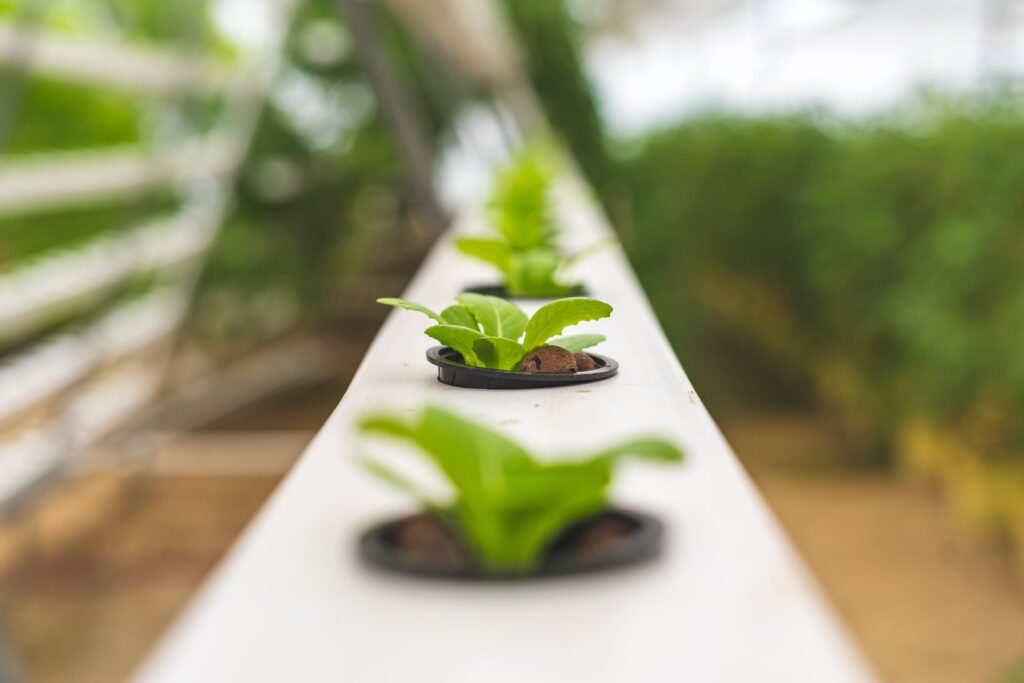
The Nutrient Film Technique (NFT) is another popular hydroponic system. In NFT, a thin film of nutrient solution flows over the roots, which are suspended in a channel or gutter. This system provides a constant supply of nutrients while allowing the roots to access oxygen, promoting robust plant growth.
Deep Water Culture (DWC) is a simple yet effective hydroponic system where plants are suspended in a nutrient-rich solution, allowing their roots to be submerged. The constant access to oxygen promotes rapid growth, and the simplicity of the system makes it ideal for beginners. DWC is often used for growing lettuce and other leafy greens.
Nutrient Solutions and Customization
In hydroponics, precise nutrient delivery is critical for optimal plant growth and health. Nutrient solutions can be tailored to meet the specific needs of different plant species, ensuring they receive the right balance of essential nutrients. The ability to customize nutrient solutions allows for more efficient and targeted plant feeding, minimizing waste and maximizing plant nutrition.
Enhancing plant growth and health is a key goal of hydroponics, and nutrient solutions play a vital role in achieving this. By providing plants with all the necessary nutrients in the correct proportions, hydroponic systems eliminate nutrient deficiencies and imbalances commonly found in traditional soil-based gardening. This leads to healthier, more productive plants with improved resistance to diseases and pests.
Hydroponic systems can easily adapt to different plant species, making it possible to grow a wide variety of crops. By adjusting nutrient solutions, pH levels, and other environmental factors, gardeners can create optimal conditions for each plant type, leading to better growth, flavor, and nutritional value. This adaptability is particularly advantageous for growing specialty crops or experimenting with unique plant varieties.
Vertical Farming Innovations
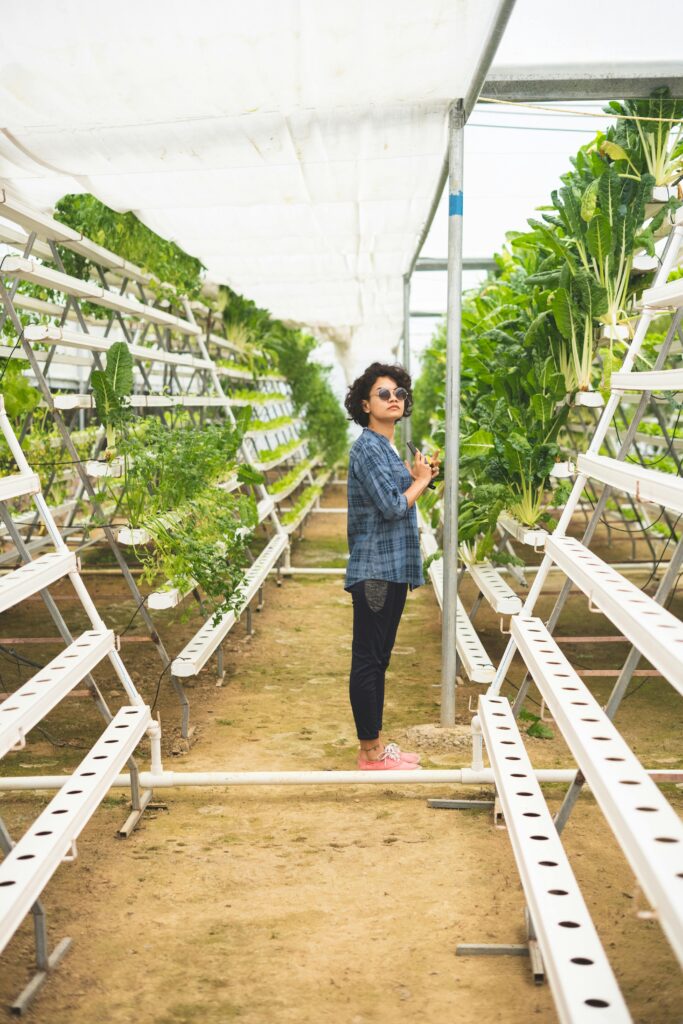
Vertical farming is a groundbreaking concept that takes gardening to new heights, quite literally. Sky-high gardens in urban areas are transforming the way we think about agriculture. By utilizing vertical space in buildings, such as walls or unused rooftops, urban areas can become thriving hubs of sustainable food production. Vertical farming not only reduces the distance between farm and table but also minimizes transportation and distribution costs, leading to fresher and more locally sourced produce.
High-density crop production is a key feature of vertical farming. By stacking plants vertically, farmers can grow a greater number of crops within a smaller footprint. This high-density approach maximizes land use efficiency and allows for higher yields per square meter. Additionally, vertical farming reduces the need for agricultural land expansion, which helps protect natural habitats and preserves biodiversity.
Integration with building architecture is an exciting aspect of vertical farming. By incorporating green walls or rooftop gardens into the design of buildings, architects can create visually stunning and sustainable spaces. These integrated gardens not only provide an additional layer of insulation, reducing energy consumption, but also improve air quality and contribute to a healthier urban environment.
Indoor Gardening for Urban Living
Urban living often presents challenges when it comes to gardening, but indoor hydroponic setups offer a solution. Compact hydroponic setups, such as countertop gardens or vertical towers, are ideal for urban dwellers with limited space. These self-contained systems allow for year-round gardening, giving urbanites the opportunity to grow fresh herbs, vegetables, and even flowers in their own homes.
LED lighting has revolutionized indoor gardening, providing plants with the perfect spectrum of light for photosynthesis. LED grow lights are energy-efficient and can be customized to meet the specific light requirements of different plants. With LEDs, indoor gardeners can simulate natural sunlight, ensuring plants receive the ideal amount of light for optimal growth. LED lighting also emits minimal heat, reducing the risk of damage to plants.
Smart indoor systems take indoor gardening to the next level. These systems combine automated features, such as lighting and nutrient delivery, with built-in sensors and control systems. By connecting to smartphones or other devices, smart indoor systems allow gardeners to monitor and adjust their setups remotely. This integration of technology and gardening makes indoor gardening more accessible, convenient, and rewarding.
Sustainable Plant Lighting
Plant lighting is a crucial component of hydroponic systems, enabling plants to carry out photosynthesis and grow to their full potential. LED grow lights have become the go-to lighting option for sustainable plant growth. LED technology is energy-efficient, consuming significantly less electricity compared to traditional lights while providing high-intensity illumination. The longevity of LED lights also reduces the need for frequent bulb replacements, making them cost-effective in the long run.
Energy-efficient solutions in plant lighting not only reduce electricity consumption but also minimize heat generation. Traditional lighting options, such as incandescent or high-pressure sodium lights, emit a significant amount of heat, which can harm plants or increase cooling costs. In contrast, LEDs produce minimal heat, ensuring optimal temperature conditions for plant growth without wasting energy.
Optimizing light spectra is a cutting-edge technique in sustainable plant lighting. Different wavelengths of light affect plant growth and development, and by manipulating light spectra, gardeners can stimulate specific plant responses. For example, increasing the ratio of red light to blue light can promote flowering, while blue light can enhance vegetative growth. The ability to fine-tune light spectra provides greater control over plant growth patterns and can lead to higher crop yields.
Utilizing Artificial Substrates
The choice of growing medium is an important consideration in hydroponics, as it affects plant root health and nutrient absorption. Artificial substrates offer numerous benefits and have gained popularity among hydroponic growers. Coconut coir is a popular choice, as it is a sustainable and renewable material made from coconut husk fibers. It provides excellent water retention and aeration, promoting healthy root growth and reducing the risk of overwatering.
Perlite and vermiculite mix is another commonly used artificial substrate. These lightweight materials can be mixed together to create a well-draining and moisture-retentive medium. Perlite provides aeration, while vermiculite improves water retention. This blend allows for efficient nutrient uptake and supports healthy root development.
Rockwool, a mineral fiber material derived from volcanic rock, is widely used as a growing medium in hydroponics. It provides excellent water retention and pH stability and facilitates root growth. Rockwool also offers good insulation properties, protecting plants from temperature fluctuations. Its versatility makes it suitable for a wide range of hydroponic systems and plant species.
Hydroponics in Unconventional Spaces
Hydroponics has the advantage of being adaptable to unconventional spaces, expanding the possibilities of where and how we can garden. Rooftop gardens are an excellent example of utilizing unconventional spaces for hydroponic cultivation. By converting rooftops into productive gardens, urban areas can increase green spaces, improve air quality, and promote sustainable food production.
Shipping container farms are another innovative approach to hydroponics in unconventional spaces. By repurposing shipping containers, portable farms can be set up in vacant lots or urban areas with limited arable land. These farms provide a controlled environment for plant growth, complete with all the necessary hydroponic equipment and systems. Shipping container farms offer flexibility and can be relocated to different locations as needed.
Underground hydroponics takes hydroponic gardening to a whole new level, quite literally. By utilizing underground spaces such as basements or tunnels, growers can create efficient and protected environments for plants to thrive. Underground setups offer insulation, stability, and protection from the external elements. This unconventional approach to hydroponics allows for year-round cultivation and is particularly useful in areas with extreme climates.
Advances in Nutrient Monitoring
Accurate and timely nutrient monitoring is essential for maintaining optimal plant growth and health in hydroponics. Plant sensors and data analysis have transformed the way we monitor nutrient levels. Sensors placed in the hydroponic system measure variables such as pH levels, electrical conductivity, and nutrient concentrations. This real-time data is then analyzed to determine any imbalances or deficiencies, allowing for precise adjustments in nutrient delivery.
Real-time nutrient adjustments are made possible through advanced technology integration. Based on the data collected by sensors, automated systems can adjust nutrient concentrations in real-time, ensuring plants receive a well-balanced diet. This feature eliminates the guesswork and potential human error associated with nutrient management, resulting in healthier plants and improved crop yields.
Optimal plant feeding schedules can be established using data analysis and sensor technology. By tracking plant growth patterns and nutrient uptake, growers can create feeding schedules that align with the specific needs of different plant species. Customized feeding schedules maximize nutrient absorption and prevent nutrient imbalances, resulting in more productive and healthy plants.
As the future of gardening unfolds, hydroponics stands at the forefront of innovation and sustainability. By incorporating renewable energy sources, advanced technology, new hydroponic systems, and optimized nutrient solutions, we can create a greener and more efficient way of growing plants. Whether it’s a rooftop garden, a compact indoor setup, or an underground farm, hydroponics offers endless possibilities for cultivating plants in unconventional spaces. Embracing the latest trends in hydroponic techniques allows us to harness the power of nature, technology, and creativity to shape the future of gardening.


