


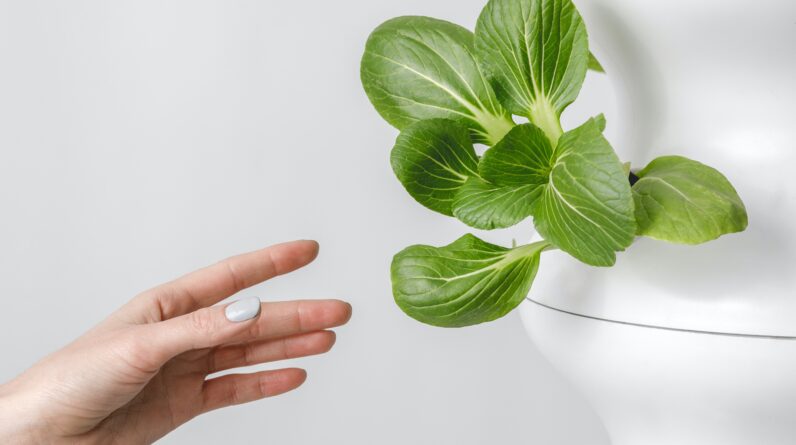
So you’ve taken up hydroponic gardening, an innovative and efficient way to grow plants without soil. It’s an exciting venture that promises fresh produce and lush greenery, but beware! Like any new endeavor, there are some common mistakes that can hinder your success. From improper nutrient levels to neglecting pH testing, these errors can quickly derail your hydroponic gardening journey. But fear not, we’ve got you covered. In this article, we’ll outline the most frequent blunders in hydroponic gardening and provide you with essential tips to avoid them. Prepare to cultivate the garden of your dreams while sidestepping these pitfalls.
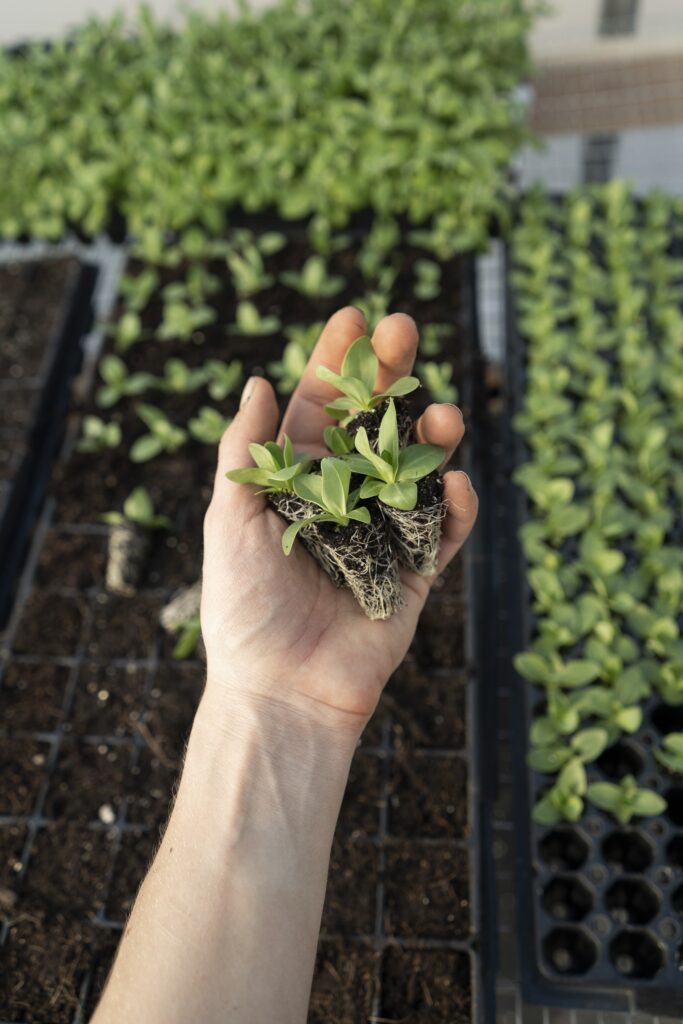
Choosing the Wrong Hydroponic System
Hydroponic gardening offers numerous benefits, such as higher yields, faster growth, and the ability to grow plants in limited spaces. However, choosing the wrong hydroponic system can hinder your success. One common mistake is not considering the available space. Different hydroponic systems have varying space requirements, so it’s essential to choose a system that fits your available area. Whether you have a small balcony or a spacious indoor room, there’s a hydroponic system suitable for your needs.
Another mistake to avoid is not researching and understanding different types of hydroponic systems. Each system has its own set of advantages and disadvantages. From simpler systems like deep water culture to more complex setups like nutrient film technique, it’s crucial to explore all options and choose the system that aligns with your goals, budget, and expertise. Investing time in understanding the different systems will help you make an informed decision and avoid potential setbacks later on.
Matching the hydroponic system to the plants being grown is equally important. Different plants have different needs when it comes to nutrients, water, and lighting. For example, leafy greens like lettuce require a different setup than fruiting plants like tomatoes. Make sure to choose a system that can provide the necessary conditions for the specific plants you plan to grow. Neglecting this aspect can lead to stunted growth, nutrient deficiencies, or even plant death.
Lastly, it’s crucial not to neglect the maintenance requirements of the hydroponic system you choose. Some systems require more hands-on care, while others are more automated. Consider your availability and commitment level to ensure you can meet the maintenance demands of the system. From checking nutrient levels to cleaning and sterilizing equipment, staying on top of maintenance tasks will contribute to the overall success of your hydroponic garden.
Poor Oxygenation and Circulation
Oxygenation and circulation play a vital role in hydroponic systems. Ignoring their importance can lead to poor plant health and reduced yields. One common mistake is overlooking the need for proper oxygenation. Plants require oxygen for root respiration, and when oxygen levels are insufficient, it can lead to root rot and other diseases. Ensuring adequate oxygenation in your hydroponic system can be achieved through the use of air stones or diffusers, which introduce air bubbles into the nutrient solution.
Using inadequate air pumps or diffusers is another mistake to avoid. It’s crucial to choose equipment that can provide sufficient airflow and oxygenation for your system size. Underpowered pumps or small, inefficient diffusers may not circulate air properly, resulting in low oxygen levels. Invest in high-quality air pumps and diffusers that match the needs of your hydroponic setup.
Neglecting proper water circulation is yet another pitfall to be aware of. Water circulation helps distribute nutrients evenly and prevents stagnant pockets that can lead to algae growth and root problems. Choose a hydroponic system that incorporates proper water movement, such as recirculating systems or systems with built-in water pumps. Even if your system doesn’t have these features, you can use additional tools like water circulation fans or water pumps to enhance water movement within the system.
Lastly, ignoring the need for aeration in nutrient solutions can cause nutritional imbalances and hinder plant growth. Aeration promotes the mixing and oxygenation of the nutrient solution, preventing stratification and ensuring all plants receive an equal share of nutrients. Consider installing an air pump or other aeration devices in your hydroponic system to maintain a well-balanced nutrient solution.
Inaccurate pH and Nutrient Levels
Maintaining the correct pH and nutrient levels is crucial for successful hydroponic gardening. Neglecting to regularly monitor pH levels is a common mistake that can have detrimental effects on plant health. pH impacts nutrient availability, and if it deviates from the optimal range, plants may experience nutrient deficiencies or excesses. Use a pH meter or test kit to monitor the pH of your nutrient solution regularly and make adjustments as needed.
Ignoring the importance of maintaining pH balance is another mistake to avoid. Each plant has its ideal pH range for optimal nutrient uptake. When the pH drifts too high or too low, it can restrict the availability of certain nutrients, leading to deficiencies. Make sure to adjust the pH of your nutrient solution accordingly based on the specific pH requirements of the plants you are growing. This will ensure they receive the necessary nutrients in the correct proportion.
Failing to adjust nutrient levels according to plant needs is another pitfall that can impact plant growth. Plants have different nutrient requirements at various stages of growth. For instance, during the vegetative stage, they may need higher levels of nitrogen, while during the flowering stage, they may require more phosphorus and potassium. Understanding the nutrient requirements of your plants and adjusting the nutrient solution accordingly will help promote healthier growth and higher yields.
Over or underestimating nutrient concentration is another common mistake that can have adverse effects. Too high nutrient concentration can lead to nutrient burn, while too low concentration can result in nutrient deficiencies. It’s crucial to follow nutrient guidelines and recommendations provided by hydroponic experts or manufacturers. Regularly monitoring the electrical conductivity (EC) of your nutrient solution will help ensure it falls within the appropriate range for your plants.
Poor Lighting Choices
Lighting is a critical factor in hydroponic gardening, as plants rely on light for photosynthesis and their overall growth. Making poor lighting choices can hinder plant development and limit yields. One mistake to avoid is not selecting the appropriate light spectrum for different growth stages. Plants have distinct light spectrum preferences during the vegetative and flowering stages. Providing the correct spectrum, such as blue and white lights for vegetative growth and red lights for flowering, will help maximize plant productivity.
Using incorrect light intensity is another pitfall to be aware of. Different plants have different light intensity requirements, so it’s important to understand the specific needs of the plants you are growing. Insufficient light intensity can lead to leggy plants and reduced yields, while excessive light intensity can cause light burn and leaf damage. Adjusting the height of your lights or using dimmers can help achieve the optimal light intensity for your plants.
Neglecting to provide sufficient lighting for all plants is a common mistake that can lead to uneven growth and poor yields. In a hydroponic setup with multiple plants, it’s important to ensure that all plants receive adequate light. Consider the positioning of your lights and how their coverage aligns with the layout of your plants. Supplemental lighting, such as LED grow lights, can be used to provide uniform lighting distribution and ensure every plant receives the light it needs.
Ignoring the importance of a consistent lighting schedule is another factor that can impact plant growth. Plants require a defined period of light and darkness to regulate their growth and development. Establishing a consistent lighting schedule, with a set number of hours of light and darkness each day, will help mimic natural conditions and support optimal plant growth. Using timers or automated lighting systems can simplify the process and ensure your plants receive the necessary light exposure at the right times.
Inadequate Pest and Disease Management
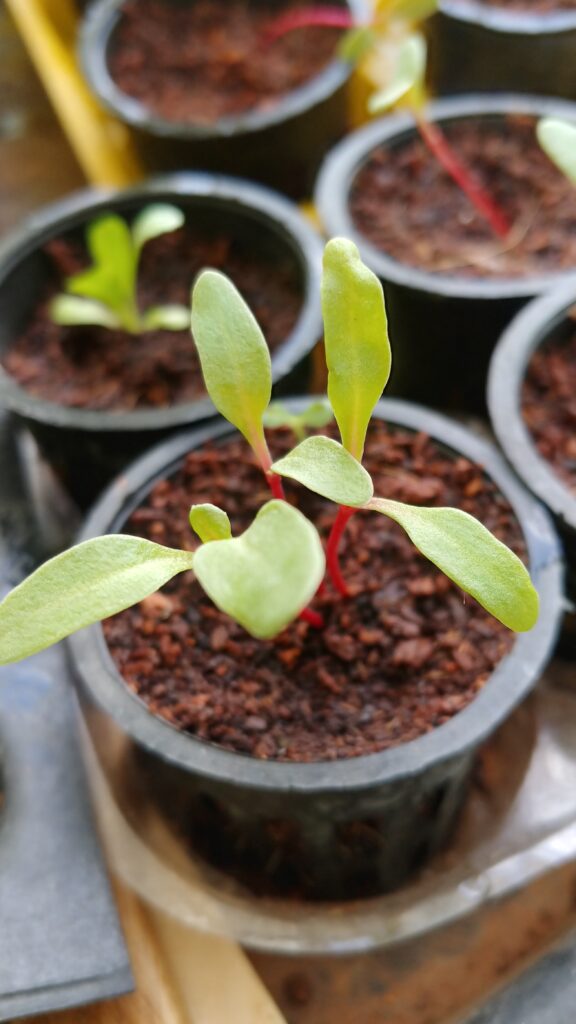
Pests and diseases can wreak havoc on hydroponic gardens if not properly managed. Failing to implement preventive measures is a common mistake that can lead to infestations and crop losses. Keep in mind that prevention is key to avoiding pests and diseases altogether. Begin by practicing good hygiene, such as regularly cleaning and sanitizing your hydroponic equipment. Also, ensure all new plants or growing media are free from pests or diseases before introducing them to your system.
Neglecting regular inspections for pests and diseases is another pitfall to avoid. Early detection is crucial in preventing the spread of pests or diseases. Regularly inspect your plants for any signs of pest infestations, such as discolored leaves, holes, or webbing. Also, be vigilant for symptoms of common hydroponic diseases, such as root rot or powdery mildew. Prompt action, such as removing infected plants or using organic pest control methods, can help mitigate further damage.
Using ineffective or harmful pesticides is a mistake that can harm both your plants and the environment. Avoid harsh chemical pesticides, as they can contaminate the nutrient solution and harm beneficial organisms in your hydroponic system. Instead, opt for organic or natural pest control methods, such as neem oil spray or insecticidal soap. These alternatives are safer for your plants and can effectively manage pests without causing harm.
For complex pest or disease issues, seeking professional advice is crucial. Not all issues can be easily resolved with DIY methods, and consulting an expert or a local agricultural extension service can provide valuable guidance. They can help identify specific pests or diseases affecting your plants and recommend appropriate treatments or management strategies. Don’t hesitate to ask for help when needed to protect the health of your hydroponic garden.
Overlooking Temperature and Humidity Control
Temperature and humidity are critical factors that can significantly impact plant growth in hydroponic systems. Ignoring these factors can lead to poor performance and plant stress. One common mistake is ignoring the necessary temperature range for plant growth. Each plant has its optimal temperature range, and deviating from this range can negatively affect growth and yield. Research the specific temperature requirements of your plants and take measures to maintain the appropriate range.
Not using proper ventilation systems is another pitfall to avoid. Proper airflow and ventilation help regulate temperature and humidity levels within your hydroponic setup. Without adequate ventilation, your plants may be prone to heat buildup, stagnant air, and increased humidity, which can lead to mold, rot, or poor transpiration. Install fans or ventilation systems to ensure a continuous exchange of fresh air and maintain optimal growing conditions.
Neglecting to monitor and control humidity levels is a mistake that can promote the growth of fungi and pests. High humidity levels can create an ideal environment for mold, while low humidity levels can cause plant stress and hinder nutrient absorption. Invest in a digital hygrometer to monitor humidity levels within your hydroponic system. Use dehumidifiers or humidifiers to adjust humidity as needed and create a more suitable environment for your plants.
Failing to address temperature fluctuations is another factor to be aware of. Temperature fluctuations can stress plants and negatively impact their growth. High temperatures can cause wilting, leaf burn, and reduced photosynthesis, while low temperatures can slow down growth and nutrient uptake. Ensure your hydroponic system is properly insulated and protected from external temperature fluctuations. Consider using heating or cooling systems, such as thermostats, heaters, or air conditioning units, to maintain a consistent temperature range.
Improper Seed Selection and Propagation Techniques
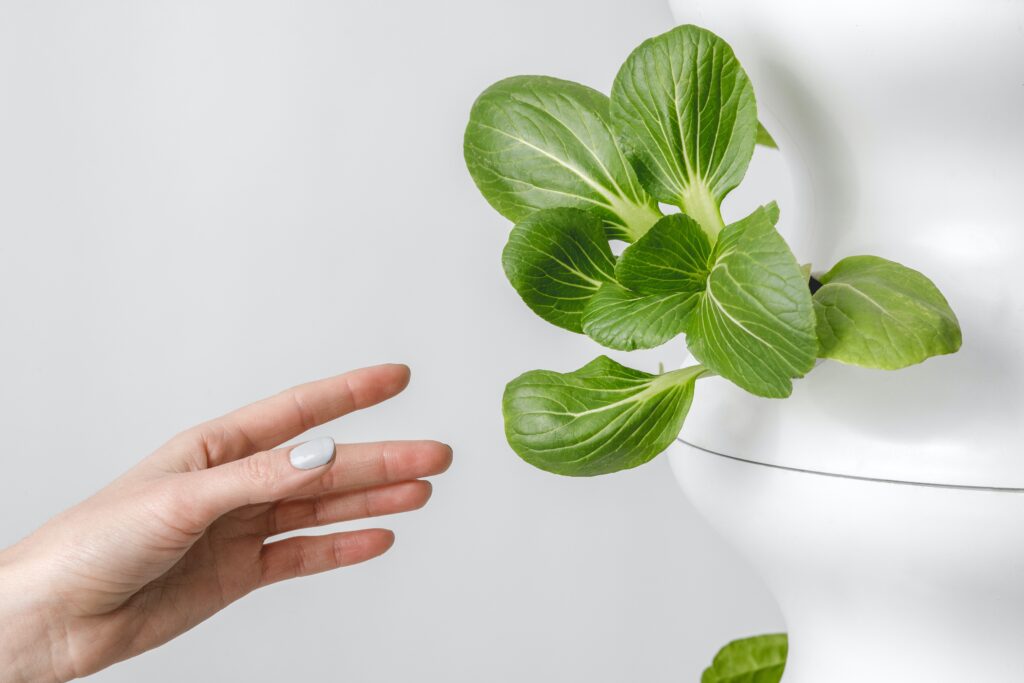
Seed selection and propagation techniques are crucial steps in establishing a successful hydroponic garden. Making mistakes in these areas can result in poor germination rates and weak seedlings. One mistake to avoid is choosing low-quality or incompatible seeds. High-quality seeds are more likely to germinate successfully and produce healthy plants. Purchase seeds from reputable suppliers or trusted sources to ensure their viability and authenticity.
Not following proper seed germination methods is another pitfall that can decrease germination rates. Each plant species or variety may have specific requirements for germination. Some seeds need to be soaked or stratified before sowing, while others require darkness or light exposure. Research the germination requirements of your chosen plant species and follow the recommended techniques to optimize germination rates.
Neglecting to provide optimal conditions for seedlings is another common mistake. Seedlings are delicate and require specific conditions to thrive. Providing adequate warmth, moisture, and light is essential for healthy seedling growth. Keep the temperature and humidity within the appropriate range, and ensure seedlings receive sufficient light exposure. Supplemental lighting can be used to provide the necessary intensity and duration of light during the early stages of growth.
Failing to use appropriate cloning techniques is another factor to be aware of, especially for plants propagated through cuttings. Cloning allows you to replicate desirable traits from mature plants, but improper techniques can result in failed or weak clones. Make sure to use sterile tools when taking cuttings, and provide the appropriate environment for root development. Using rooting hormones and maintaining high humidity levels can enhance the success rate of your clones.
Over or Underwatering
Watering plays a critical role in hydroponic gardening, but over or underwatering can have detrimental effects on plants. Lack of knowledge about watering requirements is a common mistake that can lead to root problems or nutrient imbalances. Different plants have different watering needs based on factors like their stage of growth, root size, and environmental conditions. Research the specific watering requirements of your plants and adjust accordingly.
Not understanding the signs of over or underwatering is another pitfall to avoid. Overwatering can suffocate the roots, leading to root rot, while underwatering can cause wilting and nutrient deficiencies. Monitor your plants closely for signs of over or underwatering, such as droopy leaves, yellowing, or poor growth. Adjust your watering schedule or technique accordingly to maintain optimal hydration levels for your plants.
Neglecting to provide consistent and appropriate watering is another mistake that can affect plant health and growth. Consistency is key to preventing stress and maintaining a stable water environment for your plants. Avoid erratic watering schedules or excessive deviations from the recommended watering frequency. Ensure that you provide the appropriate amount of water required by your plants, striking a balance between moist roots and good aeration.
Failing to account for water evaporation rates is another factor to consider. Hydroponic systems are often exposed to artificial lighting and controlled environments, which can increase water evaporation rates. This means you may need to replenish the water more frequently to compensate for the loss. Regularly check the water level in your hydroponic system and top up as needed to ensure your plants have access to an adequate water supply.
Ignoring Plant Support and Training
Proper plant support and training are essential for maintaining healthy plants and maximizing their potential. Ignoring these aspects can lead to overcrowded and tangled growth, reduced airflow, and decreased yields. Neglecting to provide proper plant support structures is a common mistake that can result in weak stems and unstable plants. Install trellises, stakes, or cages to support your plants and prevent them from bending or breaking as they grow.
Not training plants for optimal growth is another pitfall to be aware of. Training involves manipulating the growth pattern of plants to promote even canopy development and better light penetration. Techniques such as pruning, topping, and bending can help shape plants and encourage lateral growth. Research the specific training methods suitable for your plants and implement them to enhance their overall growth and productivity.
Failing to prune and remove excess foliage is another mistake that can hinder plant development. Dense foliage can create shade and restrict airflow, leading to poor light distribution and increased humidity, which can contribute to pest and disease problems. Regularly inspect your plants and remove any yellowed, damaged, or crowded leaves. Pruning can also redirect the plant’s energy towards flower or fruit production, resulting in higher yields.
Ignoring the importance of crop spacing is another factor to consider. Plants grown too closely together can compete for light, space, and nutrients, leading to stunted growth and decreased yields. Research the specific spacing requirements for your plants and ensure adequate distance between each plant. This will allow for optimal airflow, light exposure, and access to nutrients, promoting healthier and more productive growth.
Inadequate Monitoring and Record-Keeping
Monitoring and record-keeping are key practices in hydroponic gardening. Failing to implement these practices can result in missed opportunities for improvement and an incomplete understanding of your garden’s performance. Neglecting to regularly monitor plant health and growth is a common mistake. Observing your plants frequently allows you to detect early signs of any issues, such as nutrient deficiencies, pests, or diseases. Pay attention to changes in foliage color, leaf shape, or growth rate, and take appropriate actions to address any abnormalities.
Failing to keep detailed records of nutrient and pH adjustments is another pitfall. Precision is crucial in hydroponic gardening, and keeping track of the adjustments you make to your nutrient solution or pH levels enables you to fine-tune your system and maintain optimal conditions. Document the quantities and types of nutrients added, as well as the pH readings before and after adjustments. This record-keeping will inform your future decisions and help troubleshoot any problems that may arise.
Not observing and documenting pest or disease occurrences is another mistake to avoid. Tracking the prevalence and severity of pests or diseases in your hydroponic garden can provide valuable insights for prevention and management strategies. Note down the types of pests or diseases encountered, their quantity, and any measures taken to control them. This information will help you identify patterns, anticipate potential issues, and implement timely interventions.
Ignoring the importance of tracking yield and productivity is another factor to be aware of. Keeping records of your harvests allows you to evaluate the success and efficiency of your hydroponic garden. Measure the weight or quantity of harvested produce regularly and document it along with other relevant information such as the plant’s growth phase or nutrient adjustments. This data will help you assess your garden’s performance over time and identify areas for improvement.
In conclusion, hydroponic gardening can be highly rewarding, but it requires attention to detail and a proactive approach. By avoiding common mistakes such as choosing the wrong hydroponic system, ensuring proper oxygenation and circulation, maintaining accurate pH and nutrient levels, making appropriate lighting choices, implementing effective pest and disease management, controlling temperature and humidity, selecting high-quality seeds and employing proper propagation techniques, providing adequate watering, offering plant support and training, and practicing monitoring and record-keeping, you can maximize the success of your hydroponic garden and enjoy bountiful harvests. Remember to stay curious, learn from your mistakes, and continuously improve your knowledge and skills as a hydroponic gardener.


